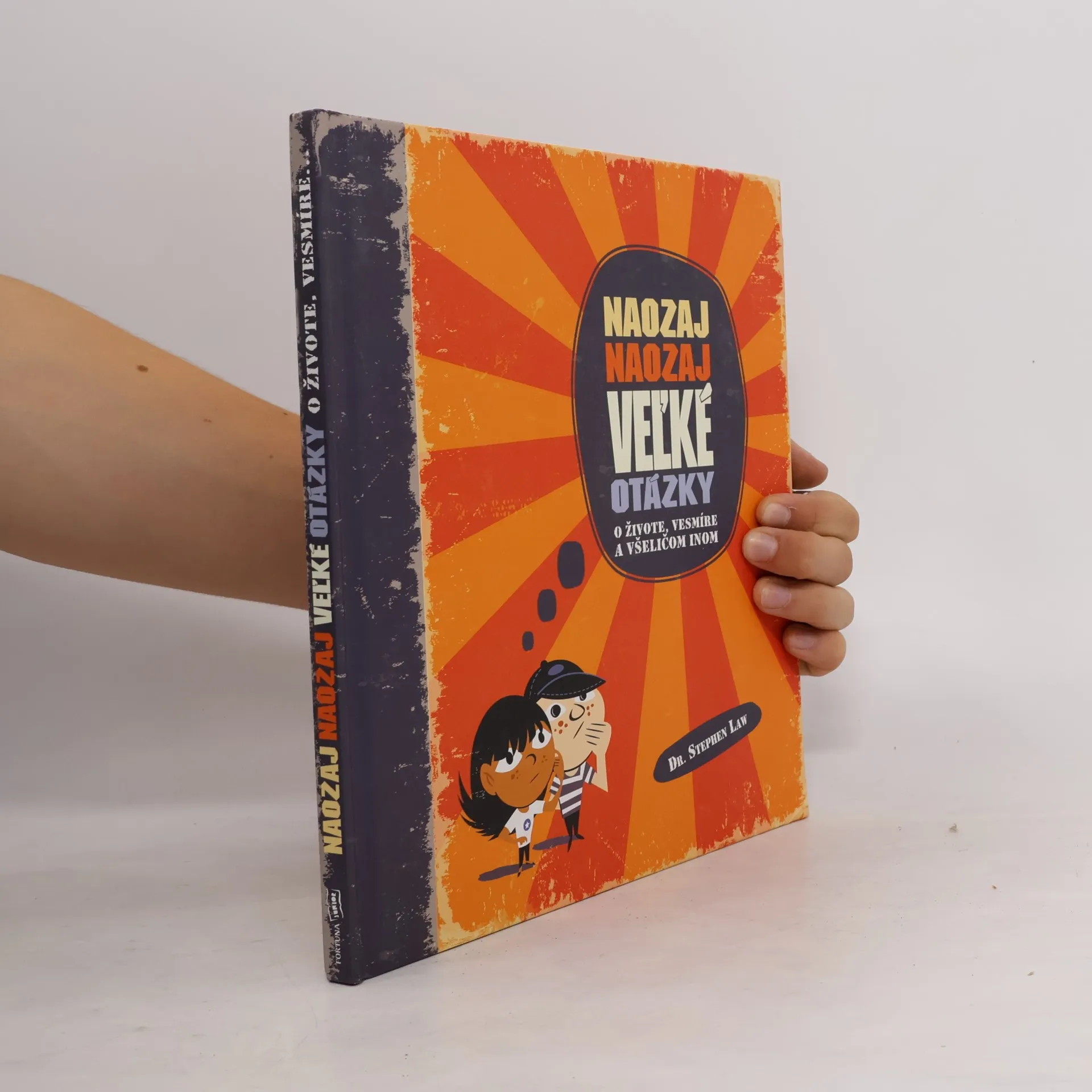
- Have you ever wondered what your pet is thinking?- Or asked yourself if aliens really exist?- Have you pondered the meaning of life or tried to think about nothing, absolutely nothing at all?These are some of life's biggest questions, and you are a daring thinker for even thinking about them!So open your mind and prepare to explore some of philosophy's biggest, boldest ideas - from the ridiculously silly to the strikingly serious. Each question in Really Big Questions for Daring Thinkers will unlock new ways of thinking and may lead you to some intriguing answers. If you're daring enough to take on this mind-expanding challenge, then read on!Written by philosopher Dr Stephen Law, easy-to-understand text, mind-teasers, optical illusions and thought experiments make this philosophic journey unforgettably fun!
Stephen Law Books
Stephen Law is a philosopher whose work engages with complex ideas for a broad audience. He teaches at Heythrop College, University of London, and edits THINK, a journal dedicated to making philosophy accessible to the general public, affiliated with The Royal Institute of Philosophy.



The Philosophy Files
- 224 pages
- 8 hours of reading
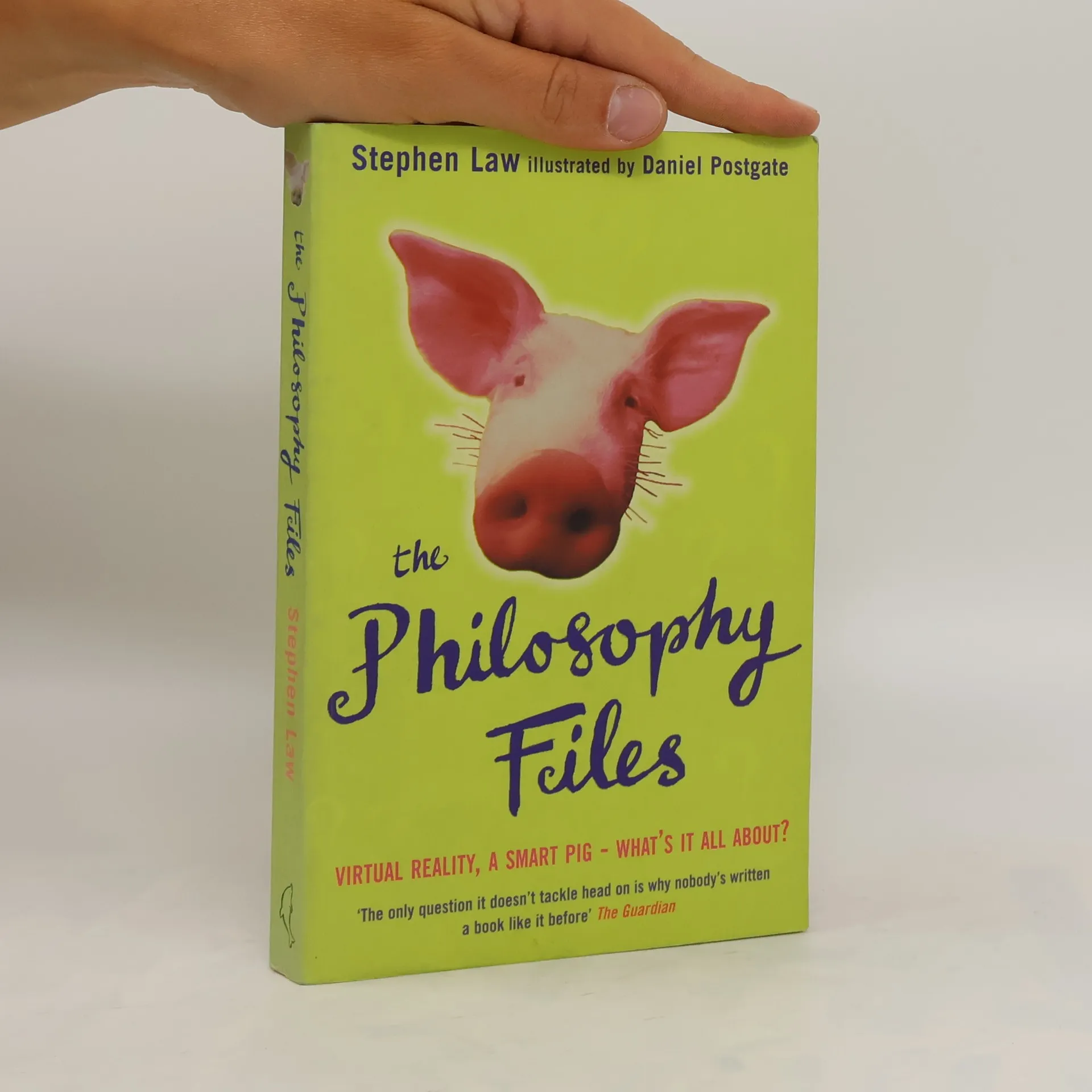
Is there a God, should I eat meat, where does the universe come from, could I live for ever as a robot? These are the big questions readers will be wrestling with in this thoroughly enjoyable book. Dip into any chapter and you will find lively scenarios and dialogues to take you through philosophical puzzles ancient and modern, involving virtual reality, science fiction and a host of characters from this and other planets. The text is interspersed on every page with lively cartoons, and there is a list of philosophical jargon at the end.. Stephen Law has a gift for communicating complex ideas. He offers few answers, but his unstuffy, highly personal approach will have the reader thinking and arguing with as much pleasure as he does himself.
Israel, Palestine and Terror
- 226 pages
- 8 hours of reading
This extraordinary book brings together the thoughts of 15 pre-eminent philosophers on one of the most important political and cultural crises of our time.As we begin to realize the extent to which terrorism and the Israel/Palestine conflict-and the ways in which we handle them-are likely to determine the shaping of the West of the future, this short and accessible book introduces all the key issues from a philosophical perspective. Introduced by Stephen Law, Israel, Palestine and Terror presents a powerful and provocative overview of a hugely topical debate. It presents a whole range of political and philosophical views and perspectives to illuminate this contentious issue.Contributors include such leading figures as Noam Chomsky and Ted Honderich .
The Philosophy Gym
- 304 pages
- 11 hours of reading
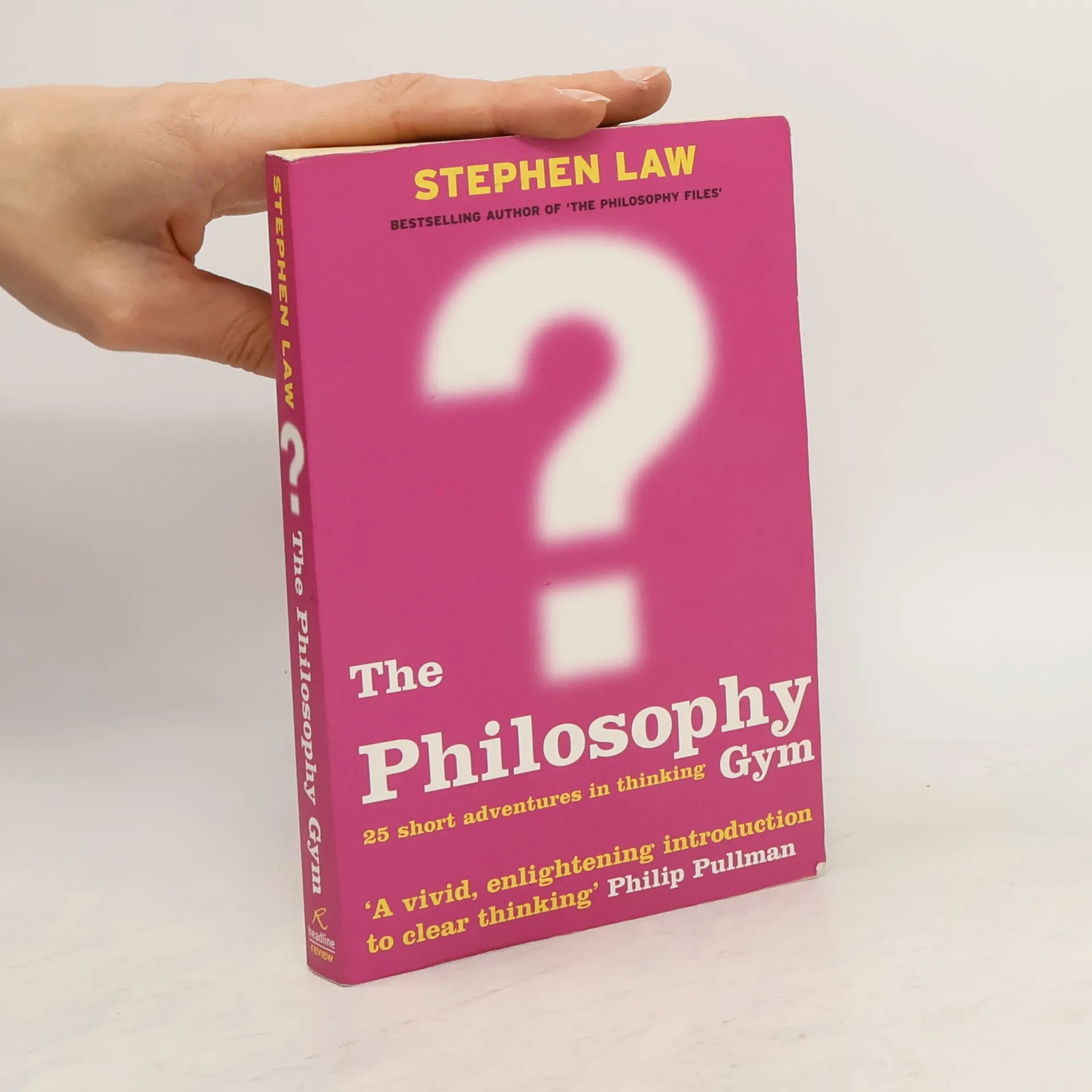
For all those people who loved SOPHIE'S WORLD but wanted something more accessible, THE PHILOSOPHY GYM is the perfect brain-stretching companion
Believing Bullshit
- 271 pages
- 10 hours of reading
This title offers a witty look inside the world of ridiculous and sometimes downright dangerous belief systems, and how they suck us in.
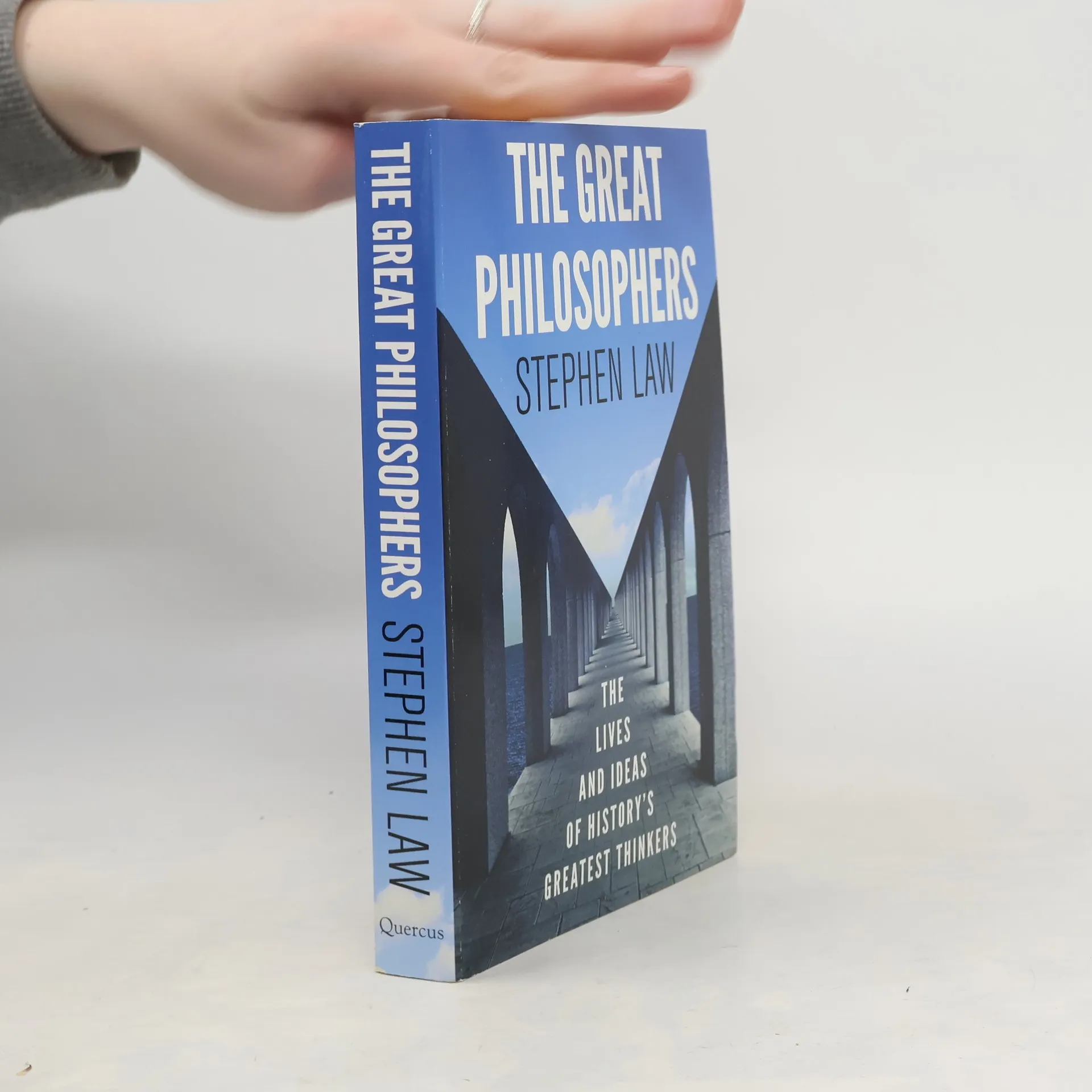
From the Buddha and Confucius to Wittgenstein, Quine, Strawson and Kripke in the 20th century, Stephen Law outlines the biographies of 50 of the world's most important philosophers and gives a concise account of their fundamental and most influential ideas.
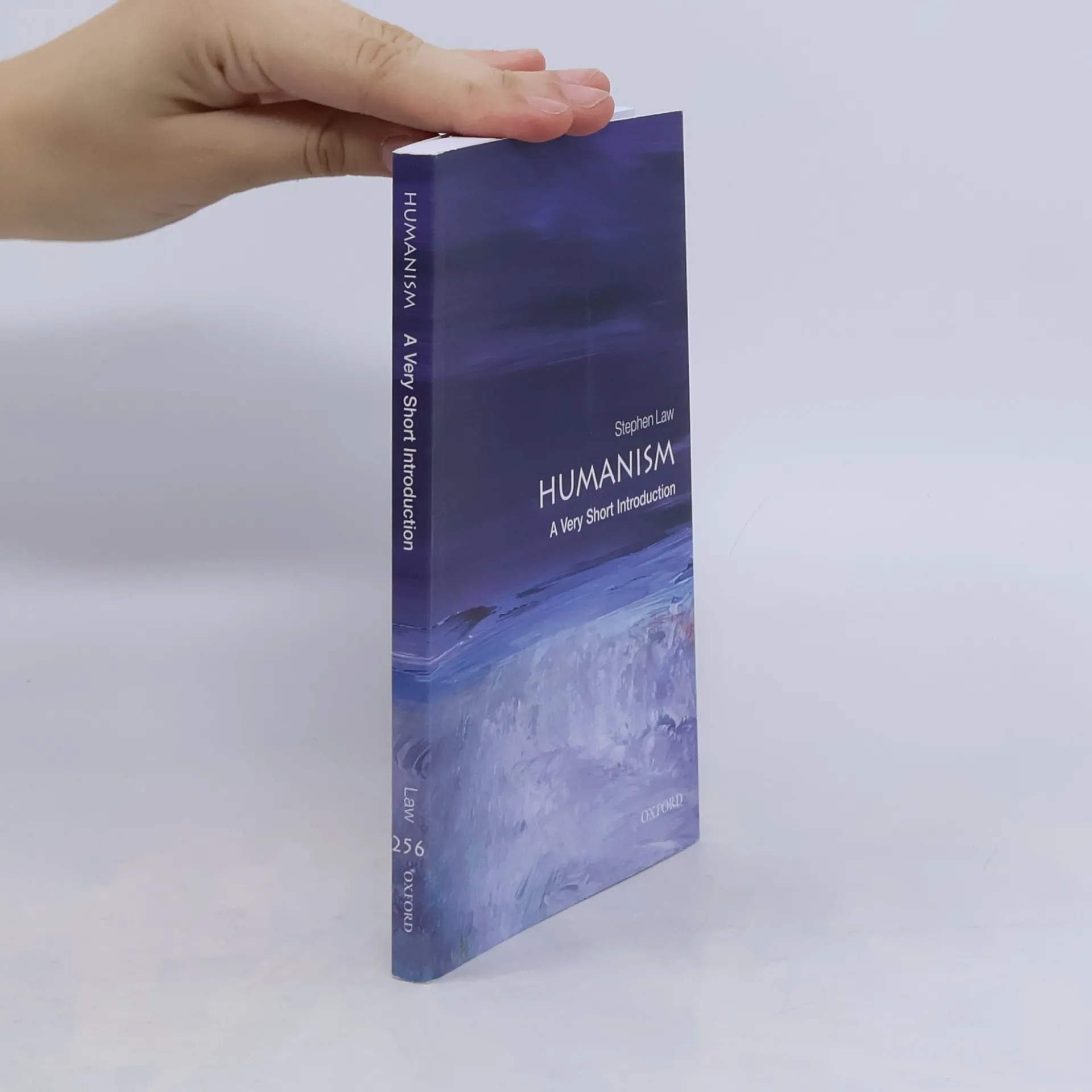
Humanism: A Very Short Introduction
- 150 pages
- 6 hours of reading
What is humanism? Can there be morality without God? Without religion, are our lives left without meaning? Stephen Law considers all these questions in this Very Short Introduction. Discussing the arguments for and against religious belief, and examining the value and meaning of life, he explores humanism as a positive alternative to religion.
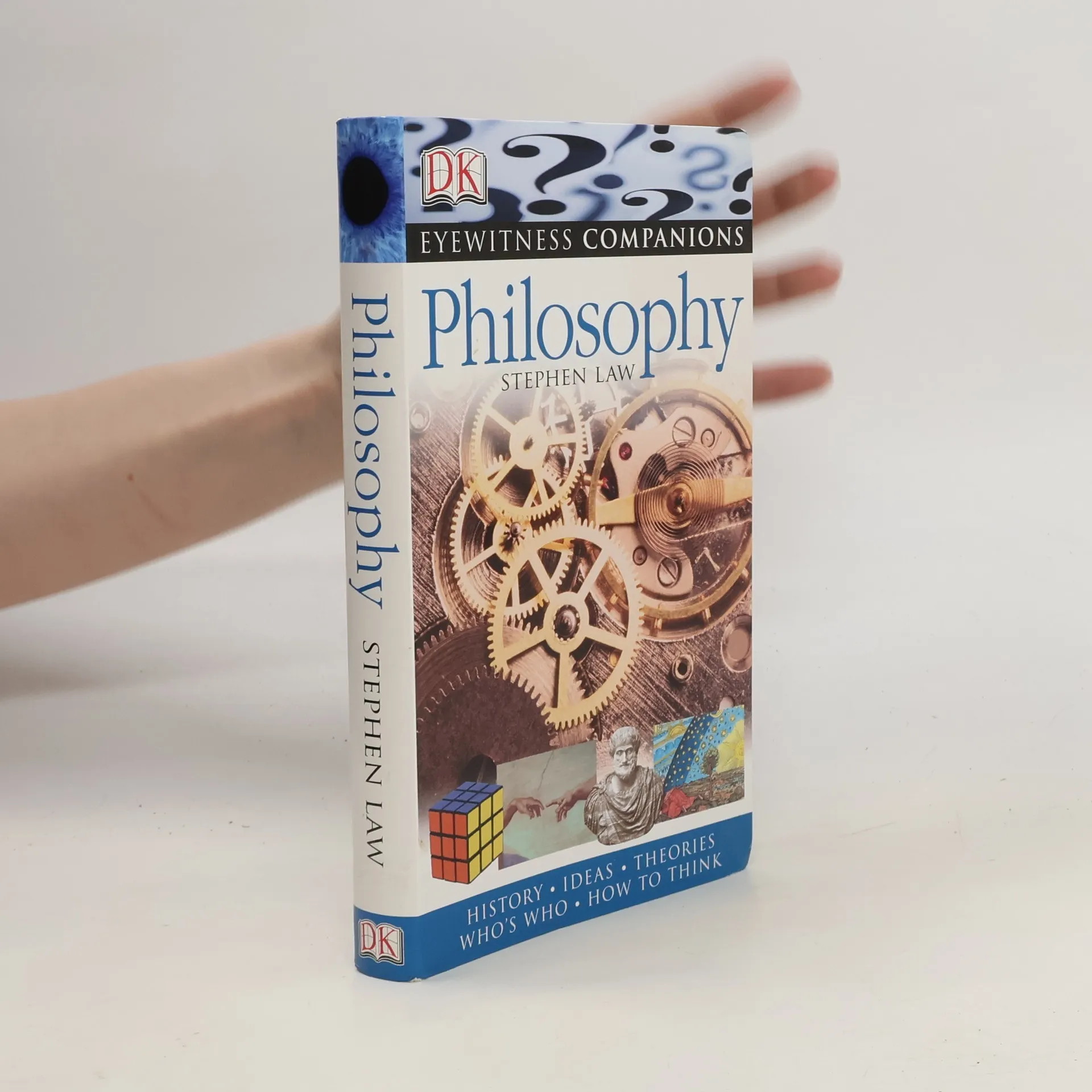
Examine the ideas and traditions of Western and Eastern thought 'Packed with all the information, advice and tips you'll need to get on your way.' Good times July/Aug "Eyewitness Companions offer an essential reference library, perfect for novices or anyone who hust wants to know more about their favourite pastime." Heyday A demystifying guide to a misunderstood subject. Learn to understand the major issues, theories and problems at the heart of philosophy and watch hard-to-grasp concepts come to life. Discover philosophers answers to the 'big questions' Where do we come from? What is the perfect model for society? What is the meaning of life? Discover who's who and know all the major thinkers, from Aristotle to Zeno. Use the 'toolkit' to exercise your mind, learn to talk the talk and construct and communicate philosophical arguments. Start reading, start thinking.
Denken wir wirklich, wenn wir meinen zu denken? Denkt unser Geist oder unser Gehirn? Was ist richtig, was ist falsch? Stephen Law geht den großen Fragen des Lebens nach. Dabei findet er nicht nur kluge Antworten, sondern fordert auch zu Gedankenexperimenten auf. Genau dies ist die Stärke des Buches: Denn Selberdenken fördert die Persönlichkeit. Ein Buch, das Lust macht, sich auf das Abenteuer Philosophie einzulassen.
Philosophie. Abenteuer Denken
- 247 pages
- 9 hours of reading
Wie entstand das Universum? Gibt es ein Leben nach dem Tod? Existiert Gott? Die sind philosophische Fragen. Du hast dir auch schon ähnliche Fragen gestellt? Dann ist dieses Buch genau das richtige für dich
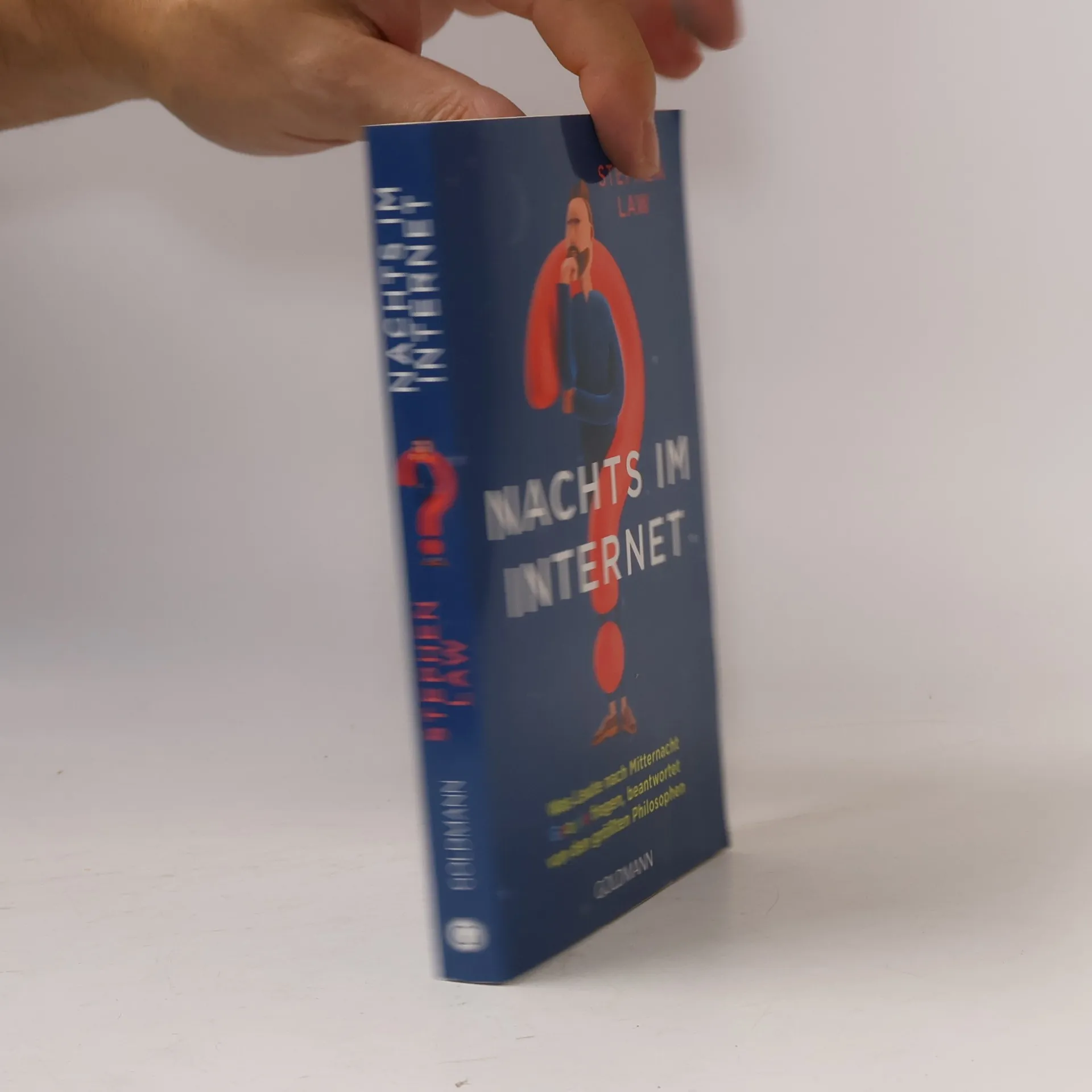
Nachts im Internet
- 240 pages
- 9 hours of reading
Jeden Tag suchen Millionen von Menschen bei Google Antworten – auf die kleinen, alltäglichen und auf die großen Fragen des Lebens. Besonders nachts werden bei Google die wichtigen und oft dramatischen Fragen gestellt: Werde ich manipuliert? Hat das Leben einen Sinn? Habe ich »die Eine« gefunden? Der Philosoph Stephen Law nimmt diese existenziellen Fragen ernst, die im Netz recherchiert werden, und nutzt die Weisheit von Platon, Kant, Kierkegaard und anderen großen Denkern, um unsere Sorgen und Unsicherheiten zu bewältigen. Ganz egal, was einen mitten in der Nacht in tiefste Verzweiflung treibt, dieses Buch klärt auch die brennendsten Fragen.
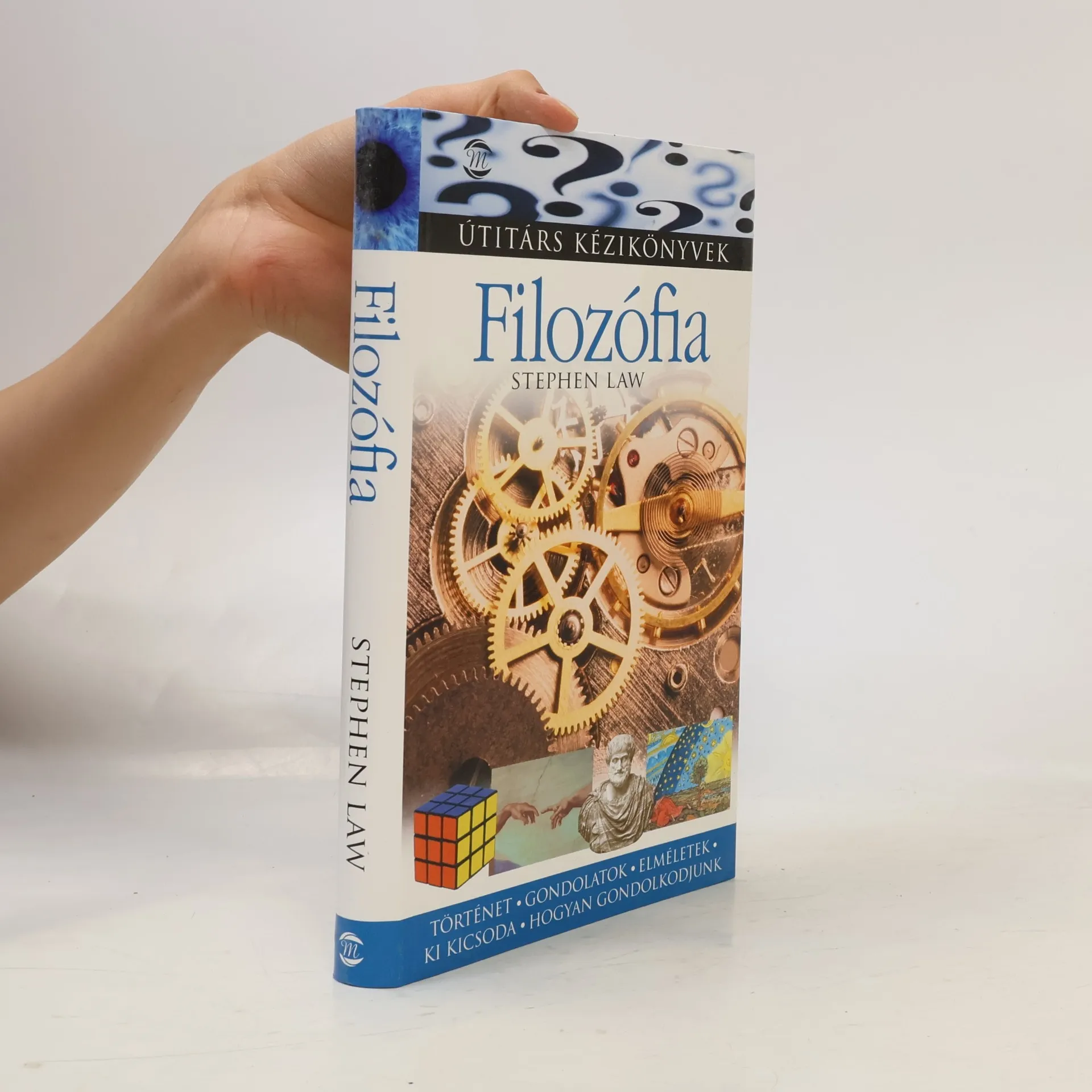
Filozófia
Történet • Gondolatok • Elméletek • Ki kicsoda • Hogyan gondolkodjunk
A nagy gondolkodók Fedezzük fel, ki kicsoda a filozófiában Arisztotelésztól Zénónig, és hogyan hatottak mai gondolkodásunkra. Elmegyakorlatok Tanuljuk meg, hogyan készíthetünk és adhatunk elő filozófiai érveléseket. Határozott képes útmutató A filozófiai tételeket elgondolkodtató és ötletes ábrák szemléltetik. A nagy kérdések Fény derül az olyan filozófiai vitákra, mint például a világegyetem származása. Kelet és Nyugat találkozása Felfedezzük mind a nyugati gondolkodás történetét, mind a keleti filozófiai hagyományokat.
Dlaczego jesteśmy ateistami
- 408 pages
- 15 hours of reading
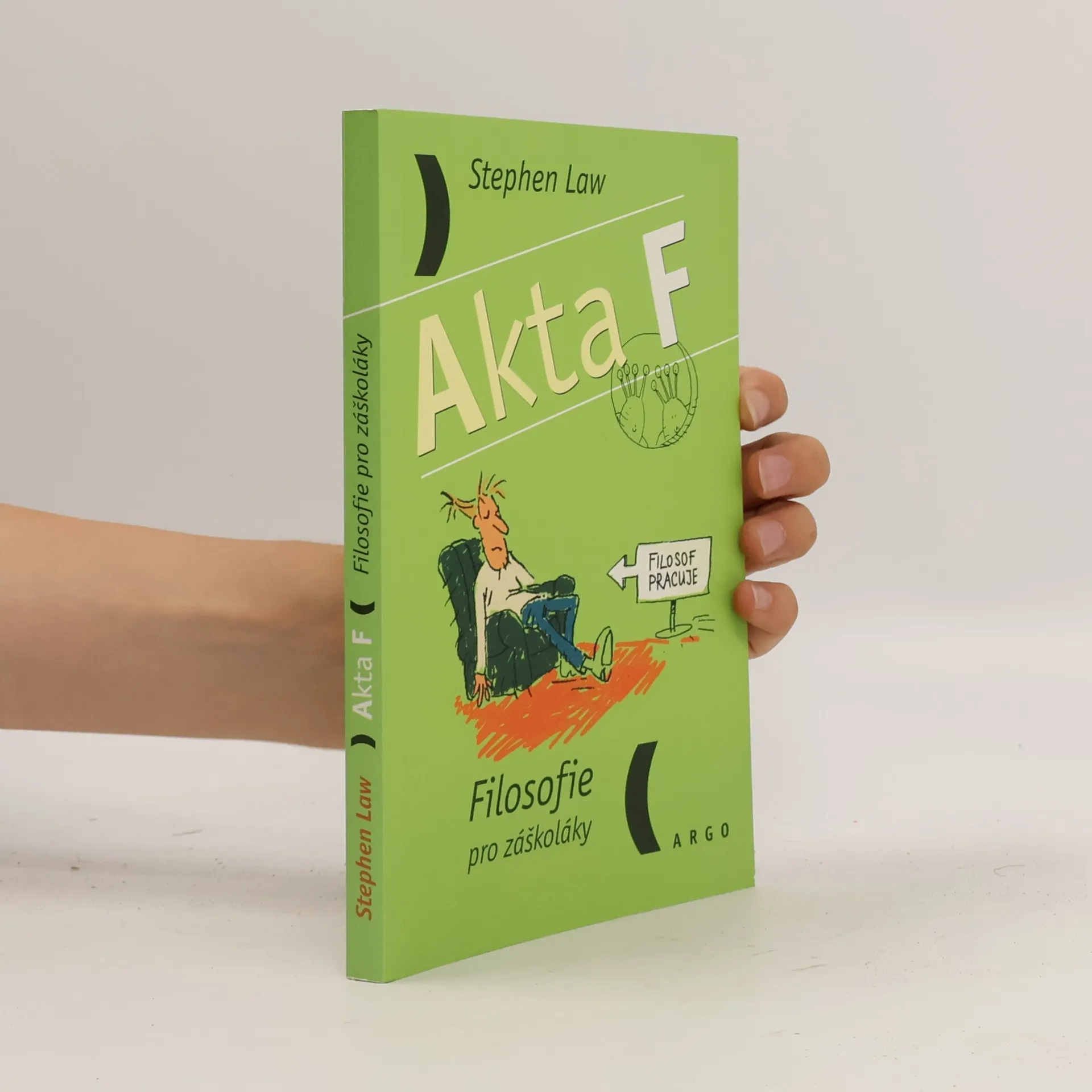
Otřepaná pravda říká, že se na našich středních školách nevyučuje filozofie, ale dějiny filozofie. Potom se nelze divit, že se filozofie stává synonymem sousloví „vznešená nuda“. Tak tomu ale být rozhodně nemusí, vždyť filozofie je především uměním klást dobré otázky, jako například: Jak člověk vlastně pozná, že jeho rodiče nejsou čistě virtuální? Proč existuje vesmír? Měl bych jíst maso? Pokud navíc tyto otázky dokážete podat vtipnou, dialogickou, přímo sokratovskou formou, pak se vám může podařit zaujmout nejen dvanáctiletého puberťáka, ale vlastně kohokoli, kdo má čas zamyslet se nad nesamozřejmostí světa kolem nás.
Filozofie pro chytré hlavy
- 160 pages
- 6 hours of reading
Zajímá vás, čím si vlastně filozofové vydělávají na živobytí? Proč má smysl hledat odpovědi na otázky, které si lidé kladli už v antickém Řecku? K čemu nám jsou úvahy o tom, zda má lidské poznání nějaké hranice, jestli existuje Bůh, v čem spočívá naše identita, jak racionální je spoléhat se na zdravý rozum nebo zda pojmy jako dobro a zlo dávají smysl? Kniha Marcuse Weekse nabízí čtivý a srozumitelný úvod do epistemologie, metafyziky, filozofie mysli, logiky a etiky určený čtenářům a čtenářkám všech věkových kategorií, kteří nemají času nazbyt. Může také sloužit coby učebnice filozofie i jako přehledný encyklopedický slovník. A navíc obsahuje spoustu důkazů o tom, že i dnes odpovědi na filozofické otázky zásadním způsobem ovlivňují náš každodenní život.
Už ste sa niekedy pozreli na svojho psa a zamysleli sa nad tým, čo si myslí? Alebo vás zaujímalo, či naozaj jestvujú lietajúce taniere? Uvažovali ste o zmysle života alebo ste skúšali nemyslieť na nič, absolútne na nič?