

Colin Rowe displays a witty and inspirational view of today's architectural scene.
Colin Rowe Books
March 27, 1920 – November 5, 1999
Colin Rowe was a British-born, American-naturalised architectural historian and critic. He is acknowledged as a major intellectual influence on world architecture and urbanism, particularly in city planning, regeneration, and urban design. During his life he taught at several universities, most notably as a professor at Cornell University.
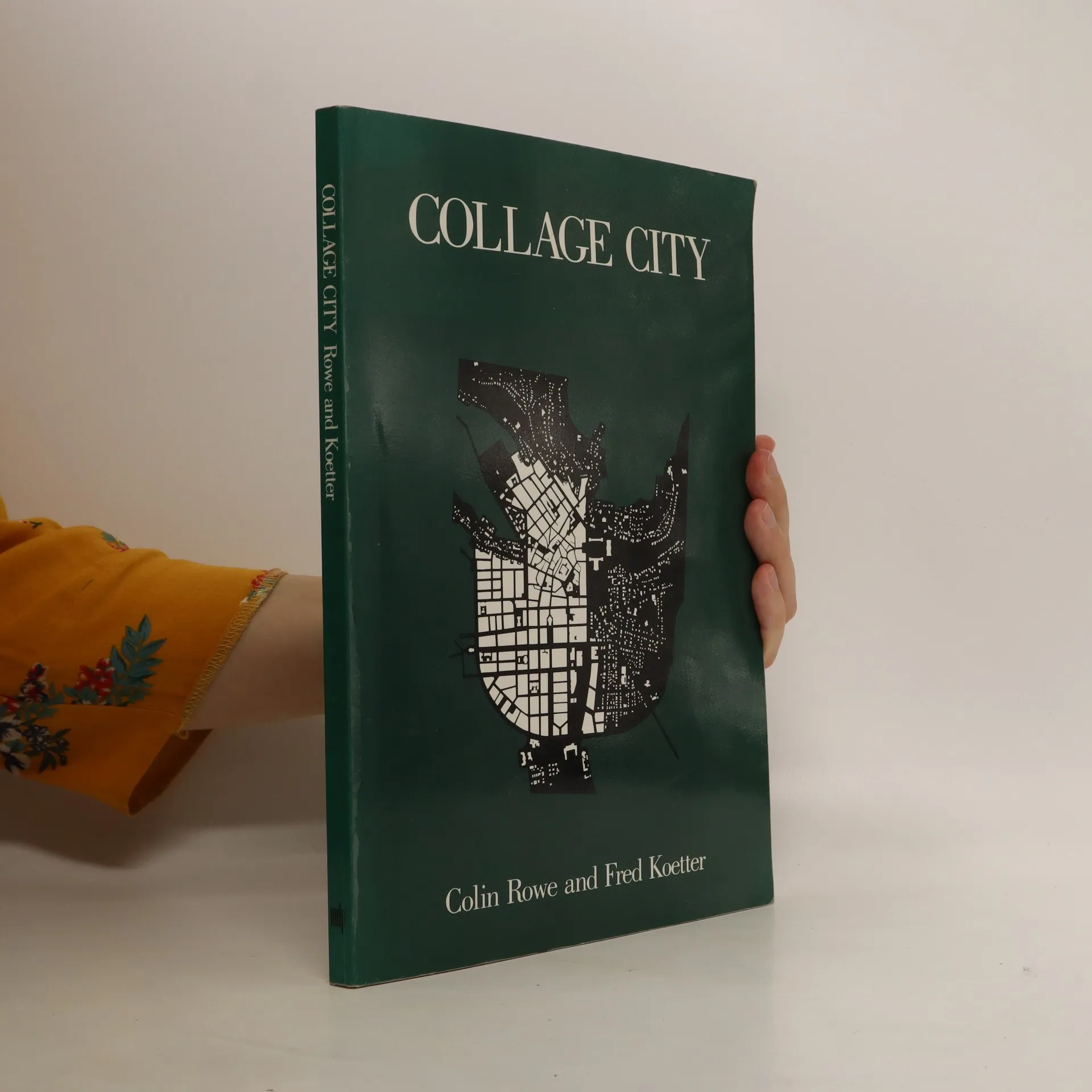
Collage city
- 192 pages
- 7 hours of reading
This book is a critical reappraisal of contemporary theories of urban planning and design and of the role of the architect-planner in an urban context. The authors, rejecting the grand utopian visions of "total planning" and "total design," propose instead a "collage city" which can accommodate a whole range of utopias in miniature.
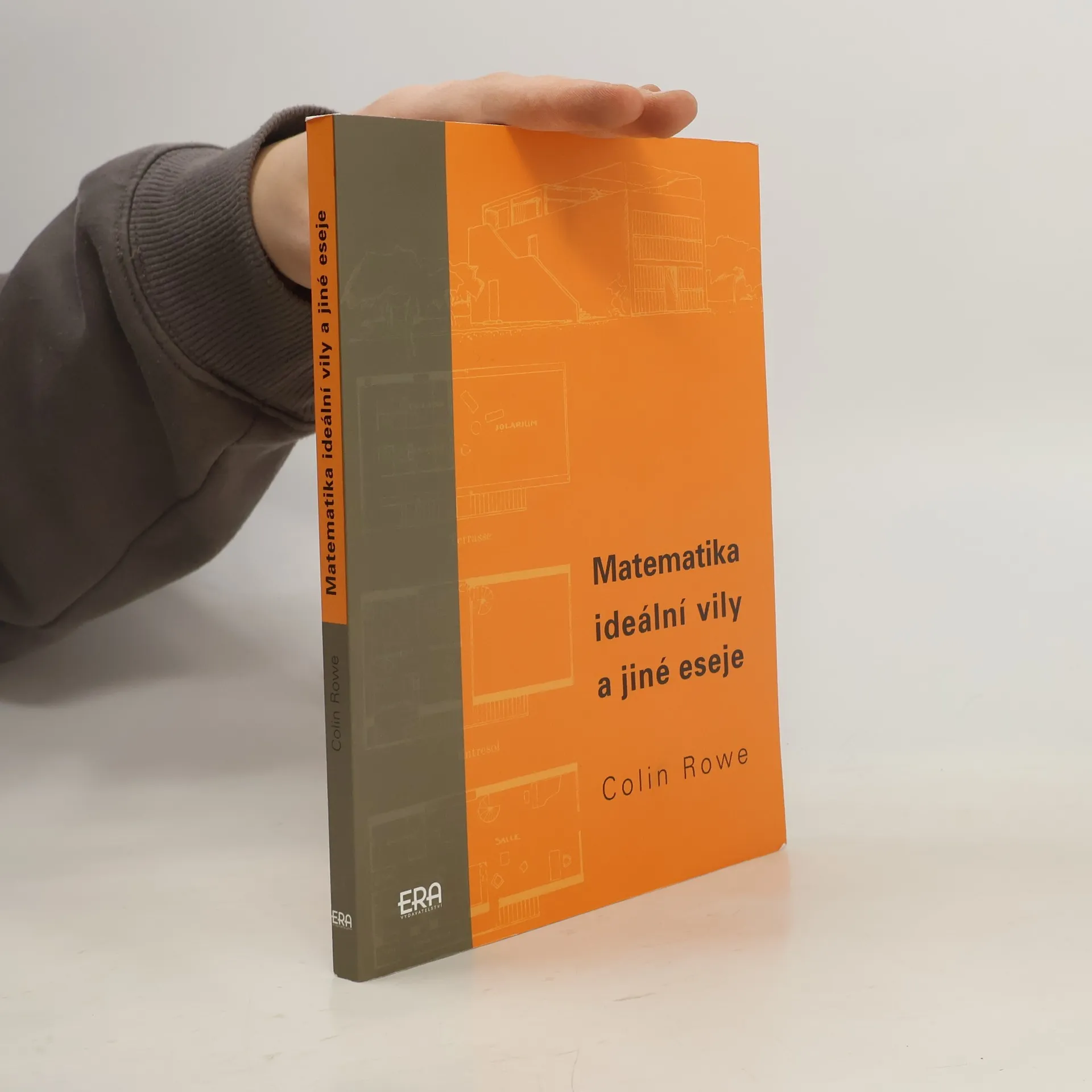
Texty Colina Rowea o moderní architektuře shromážděné v knize Matematika ideální vily a jiné eseje patří mezi „nejkonzistentnější a nejinspirativnější“ texty napsané o architektuře. Poukazují na překvapující kontinuitu mezi architekturou moderní a architekturami, které jí předcházely. Zamýšlejí se nad charakterem utopického myšlení a jeho přijatelností, rekonstruují vývoj pojmů, které si moderna přisvojila. Po přečtení textů se architektura šestnáctého století nejeví už tak vzdálená a „mrtvá“, eklektická architektura 19. století zase tak „povrchní a zkažená“, jak ji modernismus líčil. Moderní architektura se už nezdá tak „zcela nová“, přestože je pořád neméně fascinující. Kniha obsahuje devět esejů: Matematika ideální vily, Chicagský skelet, Charakter a kompozice, Manýrismus a moderní architektura, Transparentnost: doslovná a fenomenální, „Neoklasicismus“ a moderní architektura I a II, La Tourette a Architektura utopie. Tyto eseje obsahují přesvědčivé popisy architektonické logiky, o kterou se opírají kanonické moderní stavby jako vila Stein nebo Bauhaus. Odkrývají ideologická východiska moderní architektury. Od 50. let Roweho texty zásadním způsobem podněcovaly její další rozvoj i její překonávání.