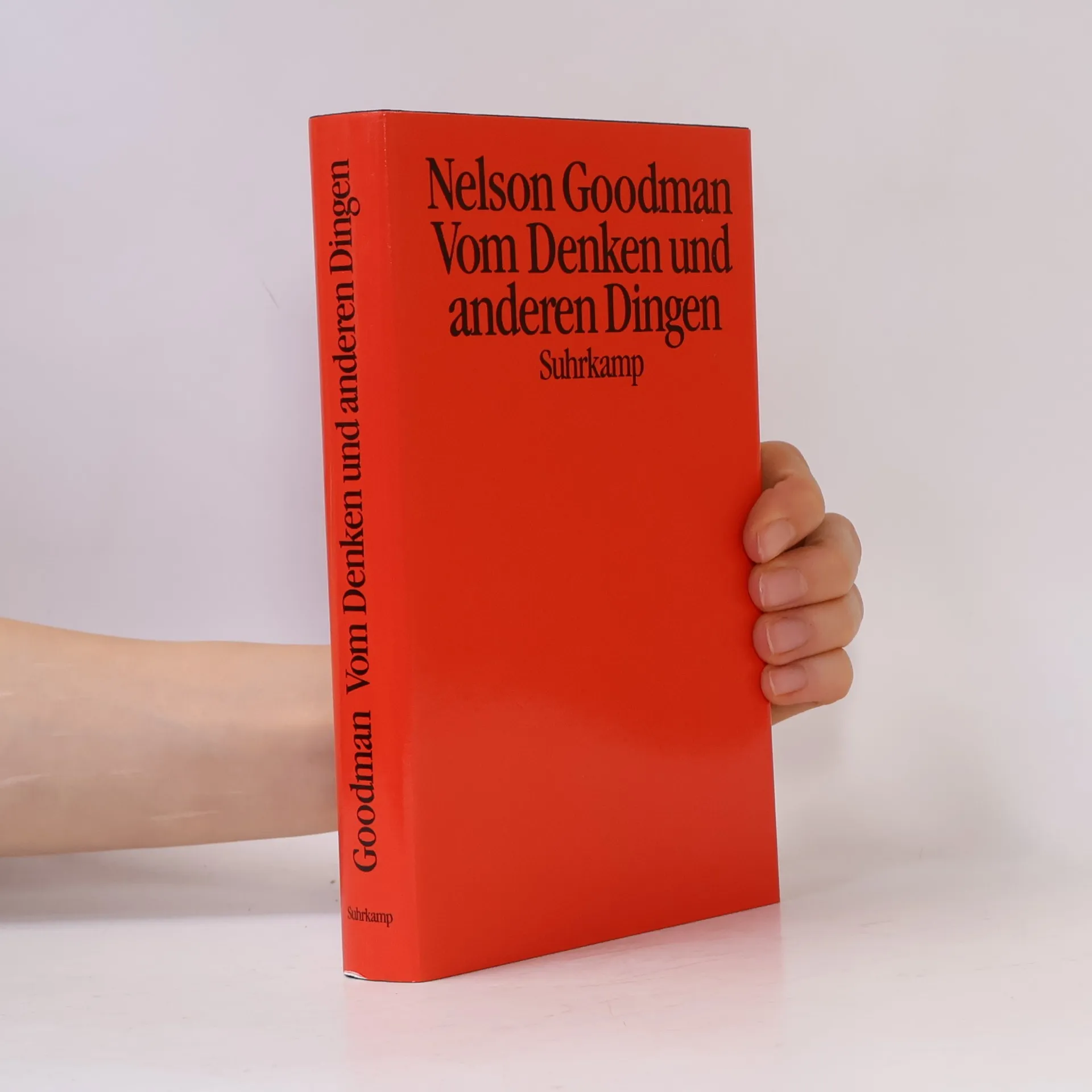
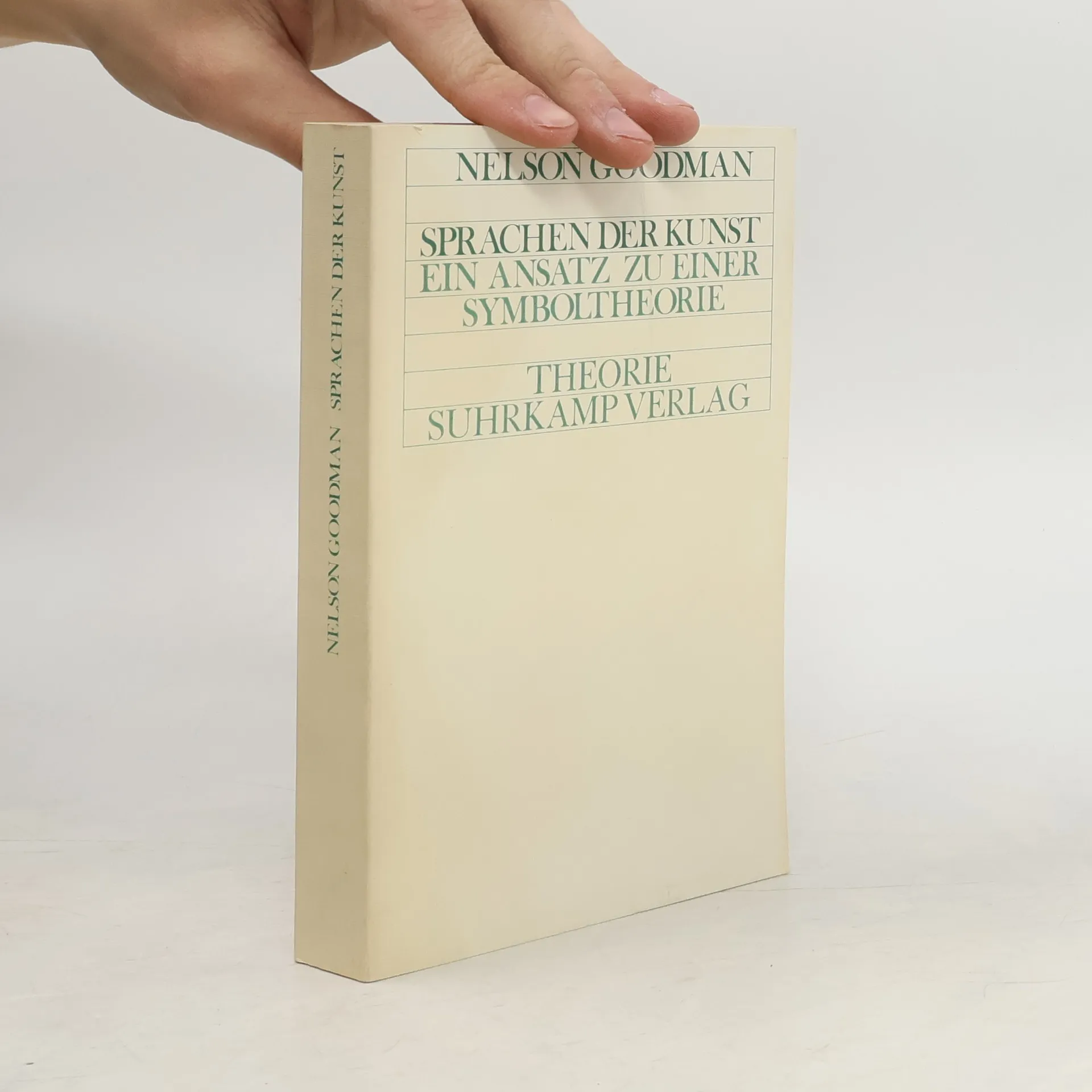
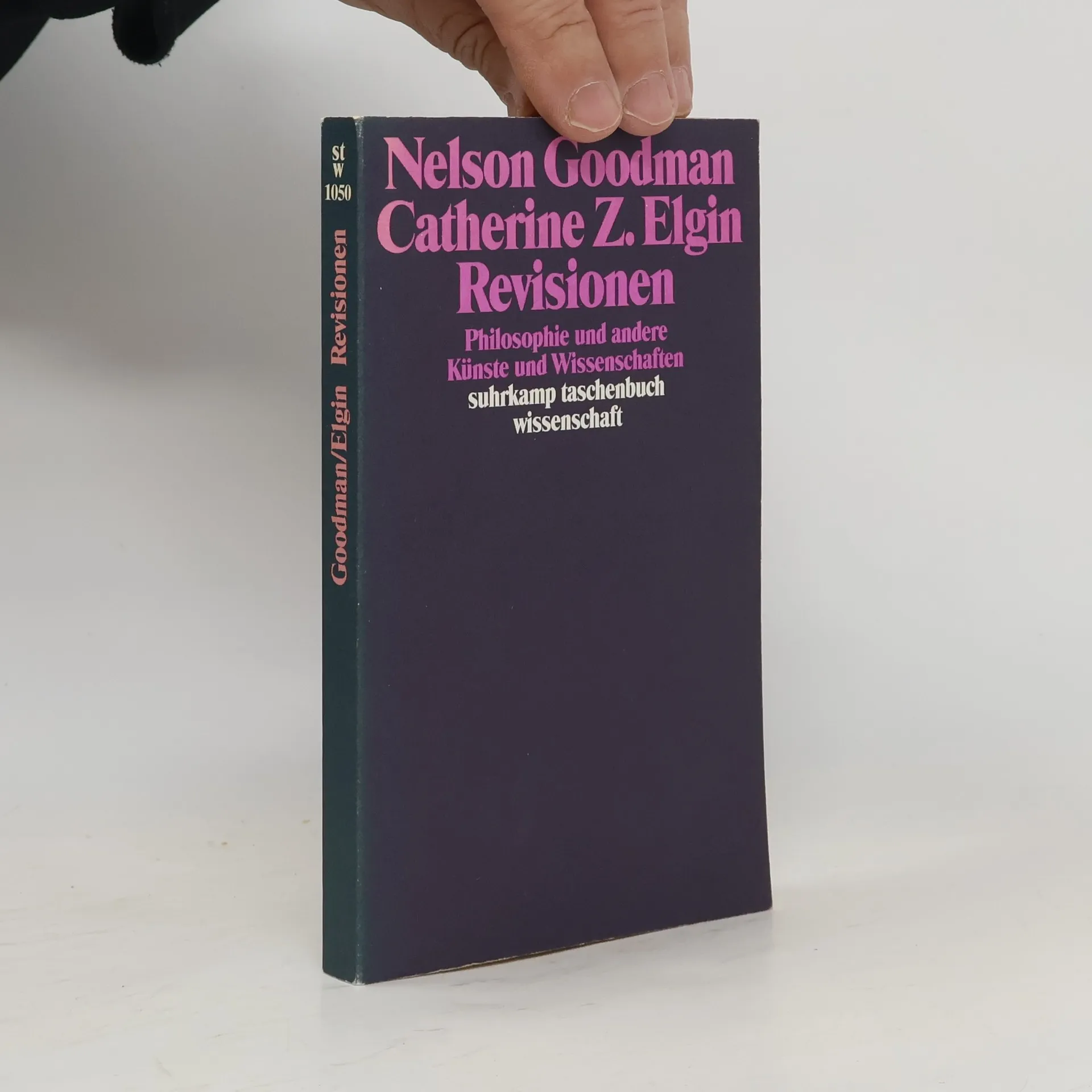
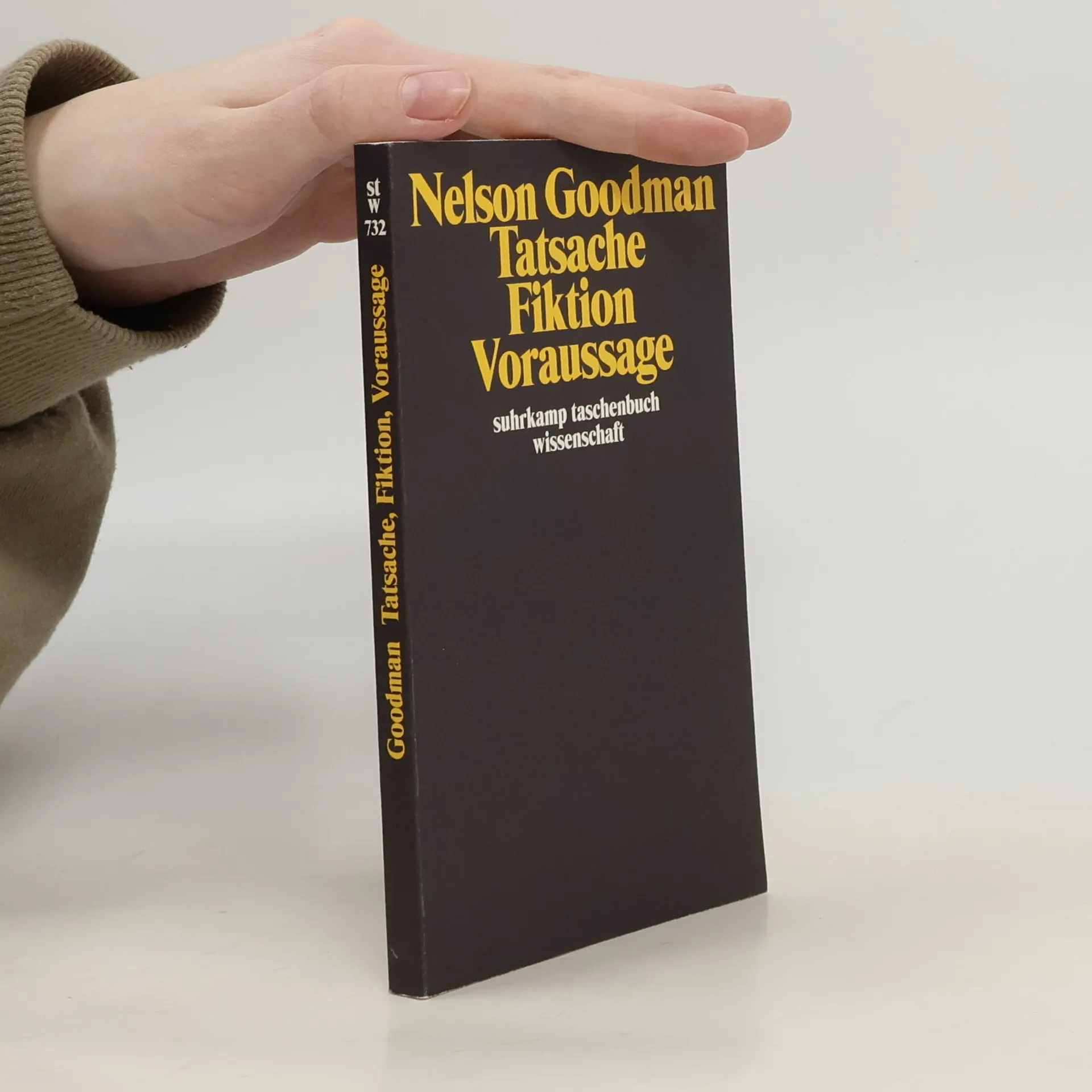
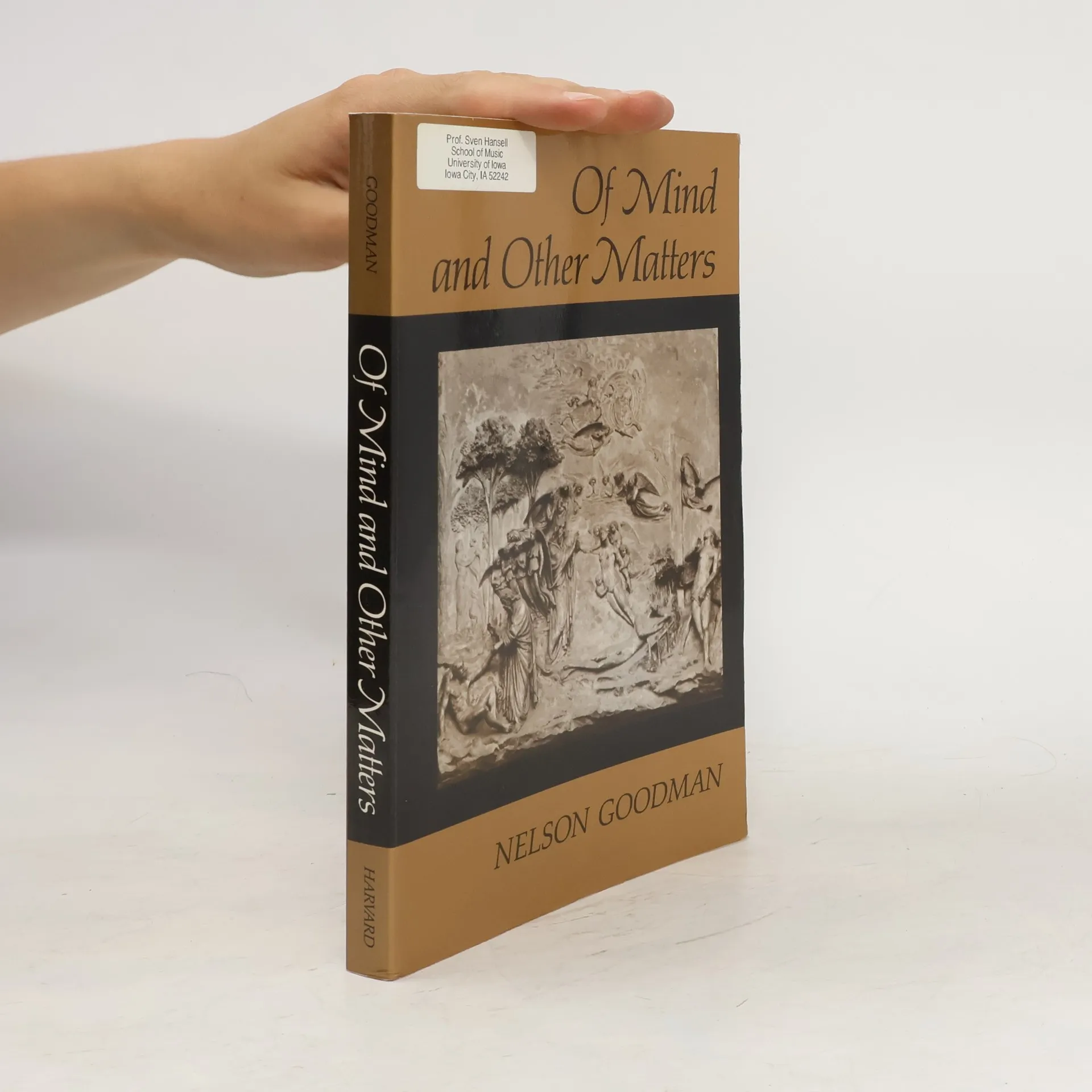
Henry Nelson Goodman was an American philosopher, known for his work on counterfactuals, mereology, the problem of induction, irrealism, and aesthetics. His philosophical inquiries delved into the complexities of truth, representation, and the nature of reality itself. Goodman challenged conventional modes of thought, offering novel perspectives on how we perceive and understand the world around us. His ideas continue to shape contemporary philosophical discourse, inviting deeper contemplation on the essence of knowledge and art.
This book displays both the remarkable diversity of Goodman's concerns and the
essential unity of his thought. As a whole the volume will serve as a concise
introduction to Goodman's thought for general readers, and will develop its
more recent unfoldings for those philosophers and others who have grown wiser
with his books over the years.
Here, in a new edition, is Nelson Goodman's provocative philosophical classic--a book that, according to Science , "raised a storm of controversy" when it was first published in 1954, and one that remains on the front lines of philosophical debate. How is it that we feel confident in generalizing from experience in some ways but not in others? How are generalizations that are warranted to be distinguished from those that are not? Goodman shows that these questions resist formal solution and his demonstration has been taken by nativists like Chomsky and Fodor as proof that neither scientific induction nor ordinary learning can proceed without an a priori , or innate, ordering of hypotheses. In his new foreword to this edition, Hilary Putnam forcefully rejects these nativist claims. The controversy surrounding these unsolved problems is as relevant to the psychology of cognitive development as it is to the philosophy of science. No serious student of either discipline can afford to misunderstand Goodman's classic argument.
Nové pojetí filozofie a dalších umění a věd je třetí knihou amerického filozofa Nelsona Goodmana. Goodman, významný představitel analytické filosofie a estetiky, ji napsal ve spolupráci s Catherine Z. Elginovou. Kniha zkoumá spojení filozofie, umění a vědy a jejich vzájemné postavení. Předchozí Goodmanovy knihy navrhly nový přístup k těmto otázkám na základě obecné teorie symbolických systémů. Tyto nástroje interpretace slouží k utváření "mnohých světů". Kniha se zaměřuje na strukturu těchto světů, symboly, které je formují, a jejich vztahy, a zkoumá jejich roli v našich životech. Autorská dvojice analyzuje důsledky těchto úvah pro různé oblasti filozofie, zejména epistemologii. Například se ptají, proč bychom nemohli považovat symbolické systémy za konfliktní fyzikální vysvětlení, ale i za literární díla. Zkoumá se, jak věda, ideologie a fikce ovlivňují naše porozumění světu. Kniha zahrnuje vědecké teorie, historické práce, filozofická pojednání a umělecká díla. Vrcholí kapitolou "Nové pojetí filozofie", která tvrdí, že tradiční filozofické a epistemologické pojmy nejsou již adekvátní.
„In diesem Werk untersucht Goodman unter anderem die Konventionalität der Perspektive; er formuliert eine Theorie der Metapher und ermöglicht vor dem Hintergrund seiner Theorie der Notation die Festlegung eines strengen Werkbegriffs. Das Neue in seiner Kunstphilosophie besteht jedoch in der Erkenntnis der bedeutenden Rolle der Exemplifikation; sie ist eine der wichtigen Weisen, in denen Kunstwerke funktionieren. Das Verfahren der Exemplifikation ist nicht nur von entscheidender Bedeutung etwa für das Verständnis abstrakter Kunst, es hat inzwischen auch scheinbar »entlegene« Disziplinen wie die Anthropologie erreicht, wo es zusammen mit der Denotation zur Beschreibung und Klassifikation rituellen Verhaltens erprobt wird.“