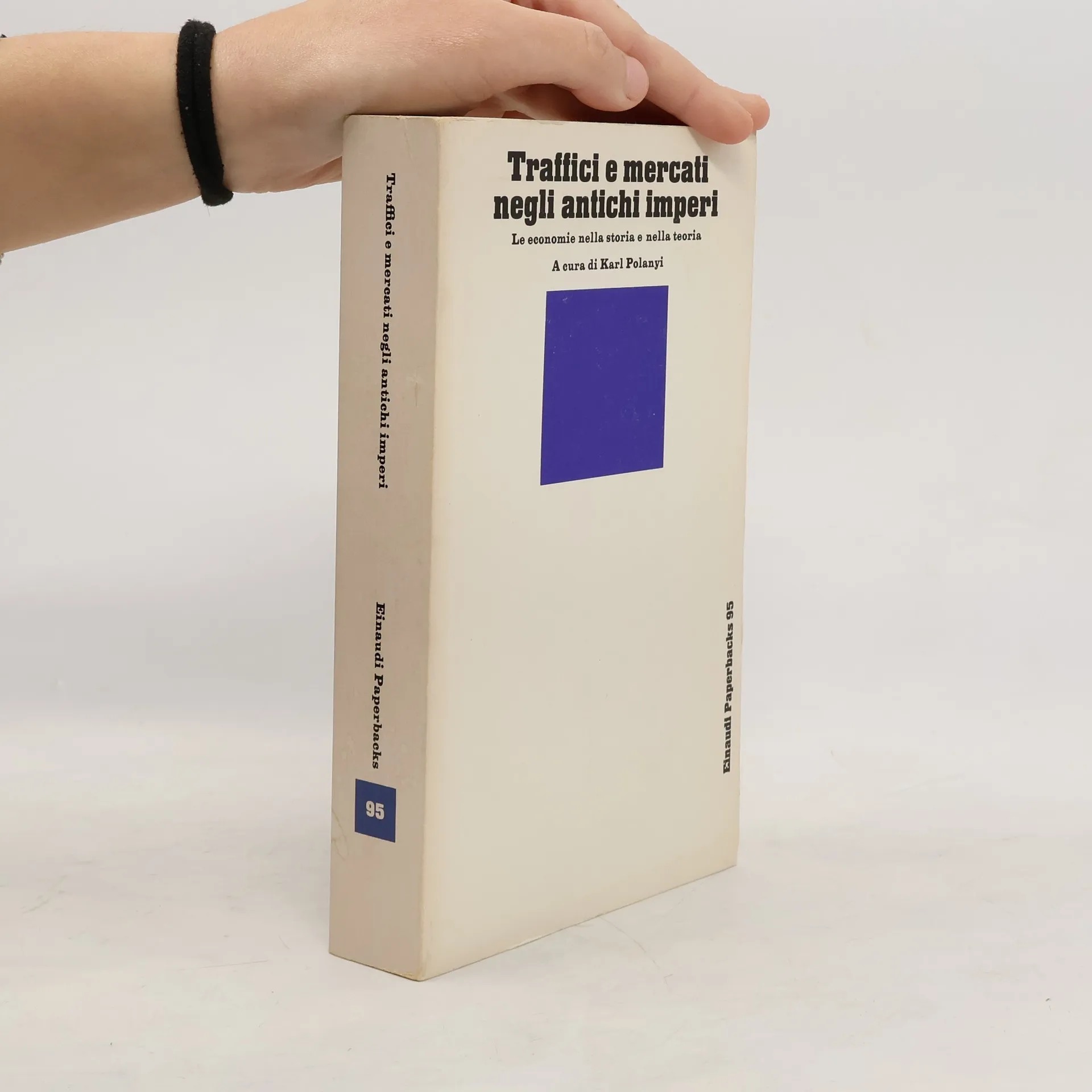
This author challenges traditional economic thought, exploring how economies are embedded in society and culture. His work argues that the emergence of market-based societies was not inevitable but historically contingent. The author's approach to economics, emphasizing its cultural embeddedness, has found application across various social sciences. His theories have become a foundation for the economic democracy movement.
At a recent meeting of the World Economic Forum in Davos, it was reported that
a ghost was haunting the deliberations of the assembled global elite D that of
the renowned social scientist and economic historian, Karl Polanyi.
"La Grande Transformation" traite de la période 1830-1940 des évolutions politiques, sociales et économiques en Europe, en se concentrant sur l'établissement, les fluctuations et l'effondrement de l'économie de marché. L'auteur, considéré comme un pionnier de l'anthropologie sociale et économique, répond d'une part au marxisme et d'autre part à l'économisme du libéralisme. L'humanisme profond qui imprègne le livre aboutit à la position toujours actuelle de Polanyi : l'homme est, avant tout, un être social ; la société humaine ne doit pas devenir la proie des règles mécanistes de l'économie de marché ; l'économie doit avoir une fondation sociale.
This book compiles Karl Polanyi's key articles and essays, showcasing his insights on market capitalism and its impact on society and nature. It includes his writings on economic crises, political theory, and critiques of economic determinism, making it vital for understanding his contributions to political economy and philosophy.
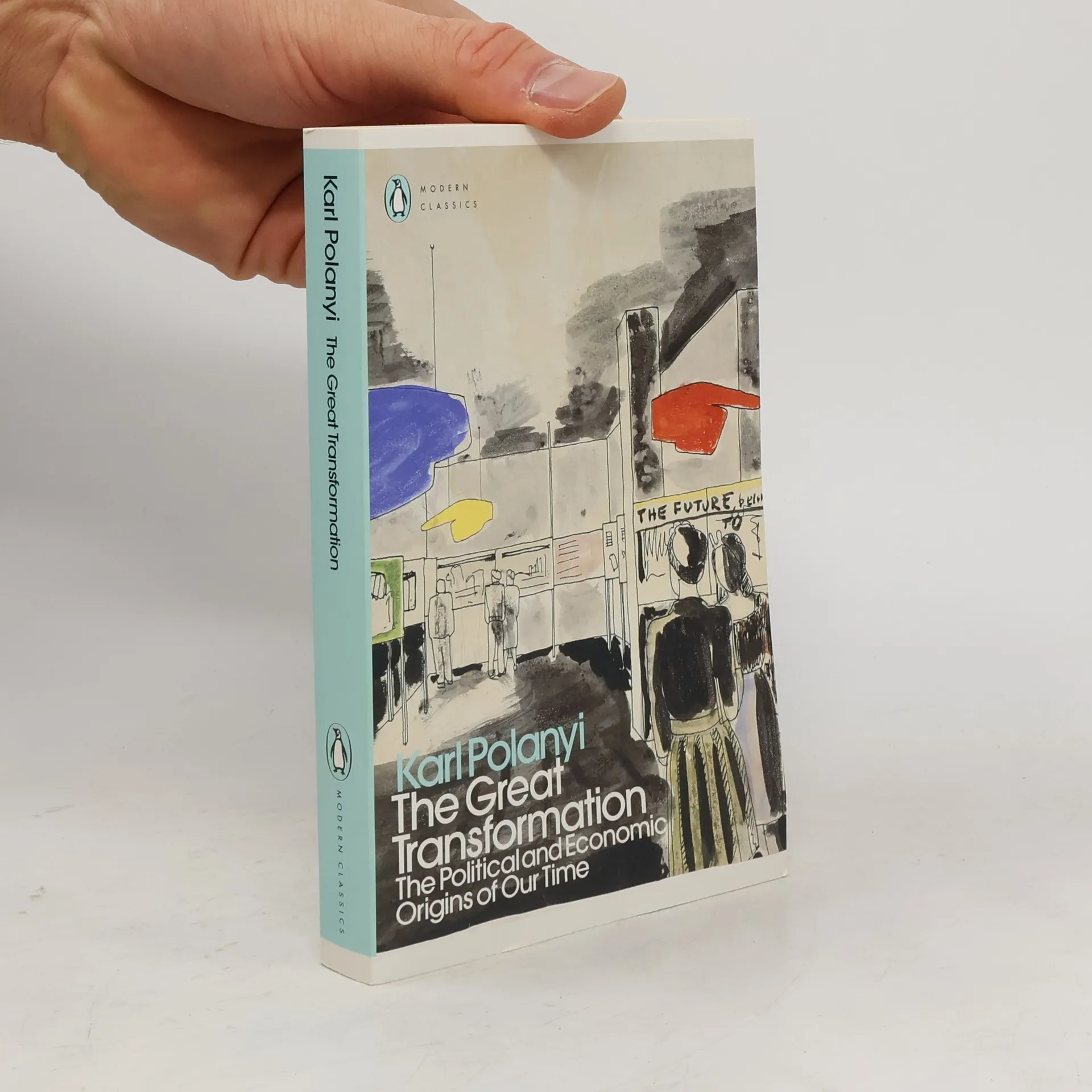
'One of the most powerful books in the social sciences ever written. ... A must-read' Thomas Piketty 'The twentieth century's most prophetic critic of capitalism' Prospect Karl Polanyi's landmark 1944 work is one of the earliest and most powerful critiques of unregulated markets. Tracing the history of capitalism from the great transformation of the industrial revolution onwards, he shows that there has been nothing 'natural' about the market state. Instead of reducing human relations and our environment to mere commodities, the economy must always be embedded in civil society. Describing the 'avalanche of social dislocation' of his time, Polanyi's hugely influential work is a passionate call to protect our common humanity. 'Polanyi's vision for an alternative economy re-embedded in politics and social relations offers a refreshing alternative' Guardian 'Polanyi exposes the myth of the free market' Joseph Stiglitz With a new introduction by Gareth Dale