

It wasn’t until she was nineteen that Agata Tuszyńska, one of Poland’s most admired poets and cultural historians, discovered that she was Jewish. In this profoundly moving and resonant work, she uncovers the truth about her family’s history—a mother who entered the Warsaw Ghetto at age eight and escaped just before the uprising; a father, one of five thousand Polish soldiers taken prisoner in 1939, who would become the country’s most famous radio sports announcer; and other relatives and their mysterious pasts—as she tries to make sense of anti-Semitism in her country. The poignant story of one woman coming to terms with herself, Family History of Fear is also a searing portrait of Polish Jewish life, before and after Hitler’s Third Reich.
Agata Tuszyńska Books
Agata Tuszyńska is a distinguished Polish author whose works delve into the depths of personal stories and historical events. With a reporter's precision, she examines the complex destinies of individuals and families, often focusing on themes of memory, loss, and the search for identity. Her style is penetrating and empathetic, masterfully weaving autobiographical elements with a broader historical and cultural context. Tuszyńska does not shy away from challenging subjects, whether it's wartime trauma, personal tragedies, or controversial historical figures, offering readers profound contemplation.



Wisnowska
- 312 pages
- 11 hours of reading
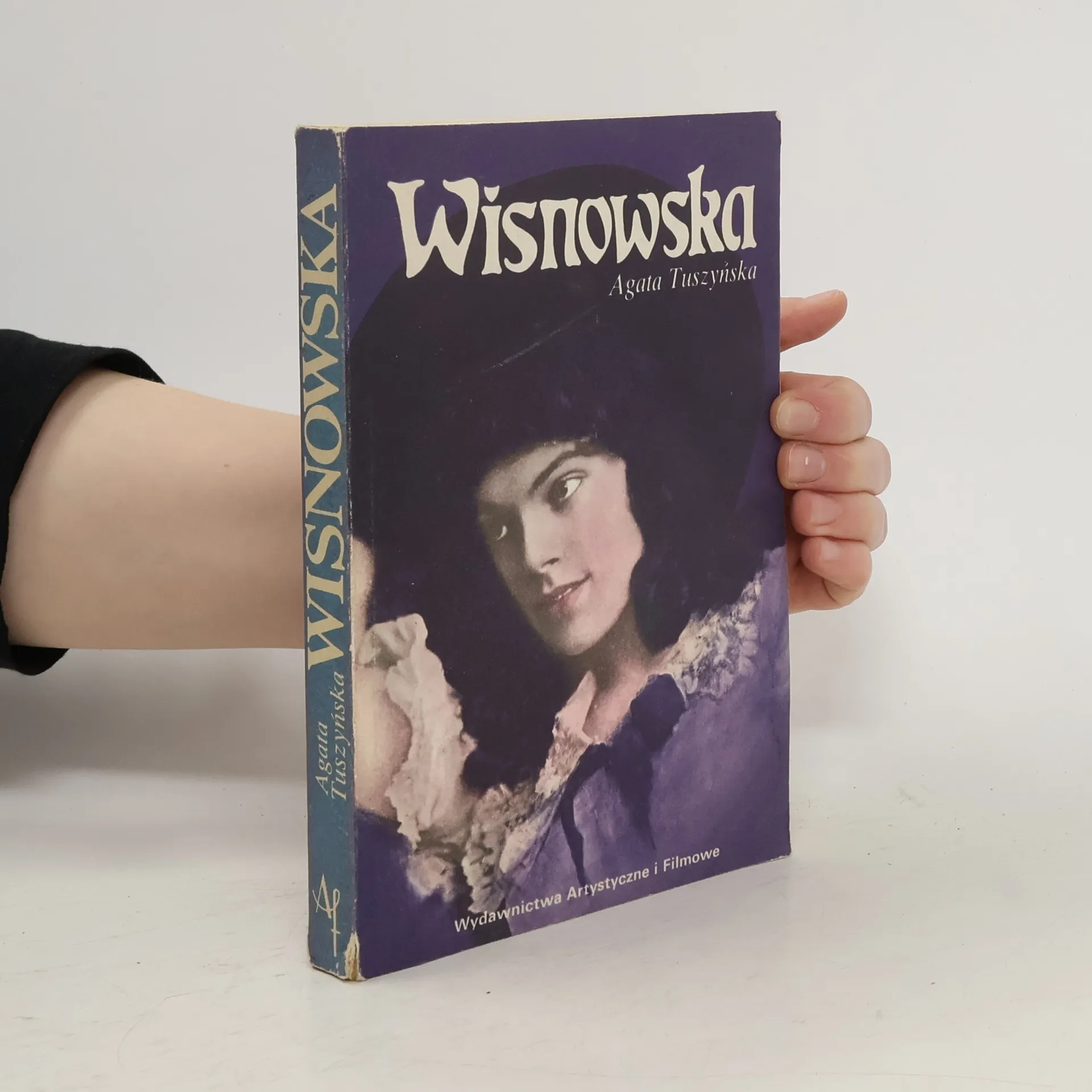
W nocy z dnia 30 czerwca na 1 lipca 1890 roku w mieszkaniu przy ulicy Nowogrodzkiej w Warszawie zabita została wystrzałem z rewolweru artystka warszawskiego teatru dramatycznego, Maria Wisnowska. Kula przebiła serce, powodując natychmiastową śmierć.
Narzeczona Schulza
- 321 pages
- 12 hours of reading
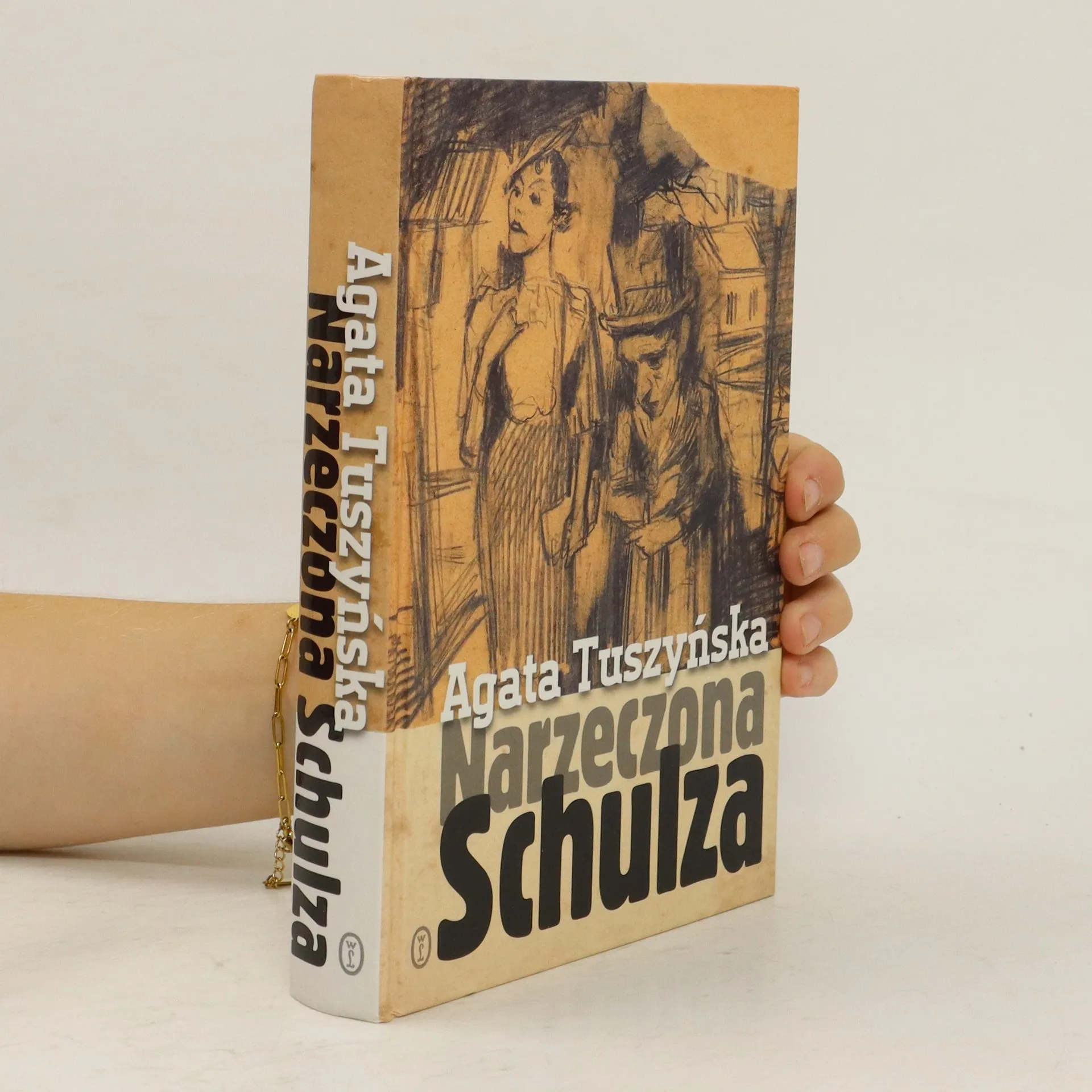
19 listopada 1942 roku. Na rynku w Drohobyczu zostaje zastrzelony Bruno Schulz. Kilka lat później Sklepy cynamonowe i Sanatorium pod Klepsydrązdobywają status arcydzieł i rozpoczynają wędrówkę do kanonu światowej literatury. Legenda genialnego artysty zaczyna żyć własnym życiem. Pośmiertnym sukcesom Schulza z pewnego oddalenia przygląda się tajemnicza kobieta-- To Juna, znana czytelnikom z dedykacji do Sanatorium pod Klepsydrą.
Czarna torebka
- 100 pages
- 4 hours of reading
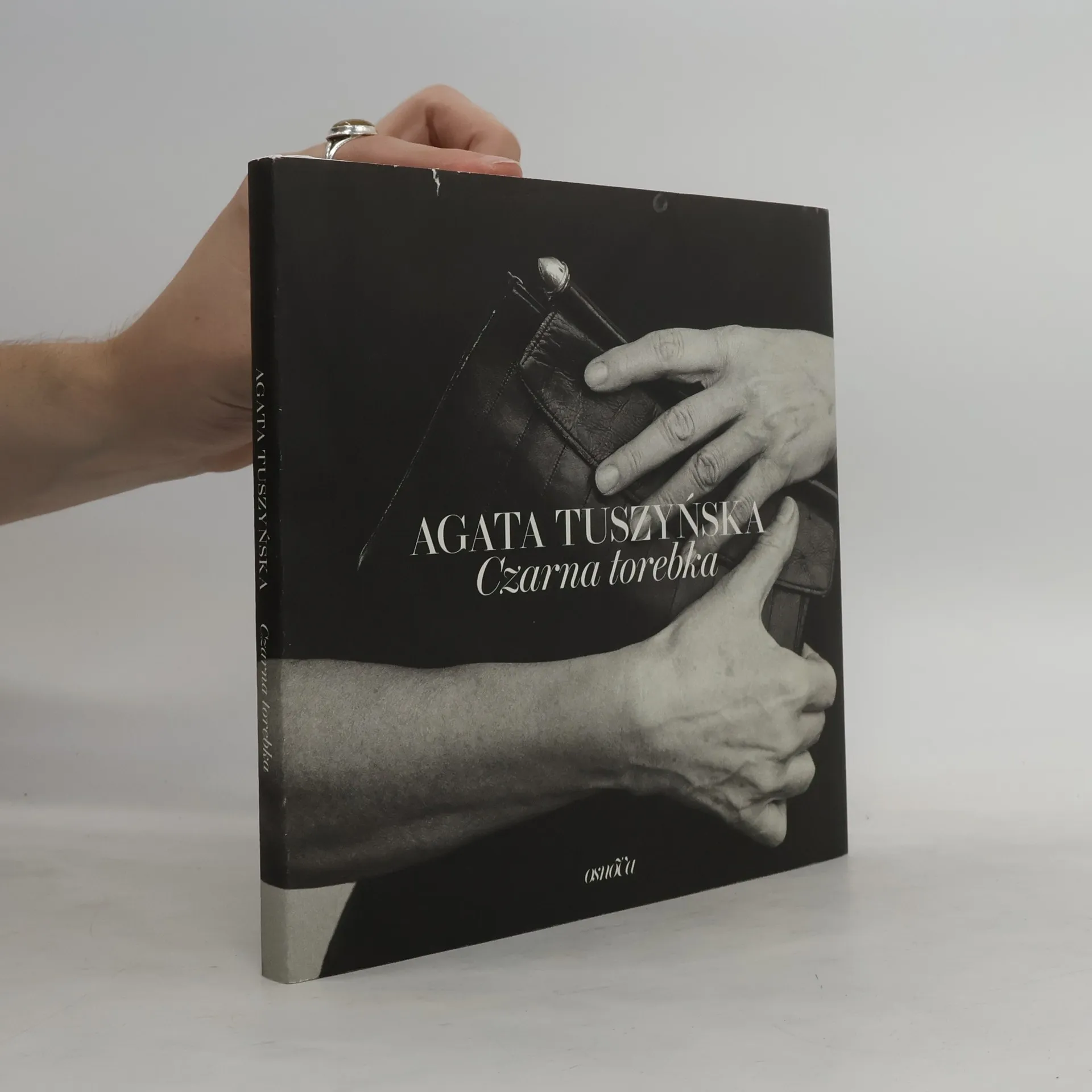
Wspomnienie autorki o losach jej babki Żydówki w czasie wojny, o wyjściu z getta warszawskiego i przetrwaniu na fałszywych papierach trzymanych w tytułowej czarnej torebce.
Die Sängerin aus dem Ghetto
- 379 pages
- 14 hours of reading
Warschau, 1941/42. Tagsüber kümmert sie sich um ihre kranke Mutter, abends ist sie der Star des Ghettos. Wunderschön und geheimnisvoll, so erleben die Besucher die 25-jährige Sängerin allabendlich auf der Bühne des Café Sztuka, wo sie zumeist von Władysław Szpilman am Klavier begleitet wird, von dem Mann, den Polanski in seinem Film »Der Pianist« weltberühmt machen sollte. Kurz nach den ersten Deportationen flieht Wiera Gran aus dem Ghetto und überlebt den Holocaust. Nach dem Krieg kehrt sie nach Warschau zurück, doch Szpilman beschuldigt sie der Kollaboration mit den Nazis. Obwohl Wiera Gran von diesem Vorwurf freigesprochen wird, bleibt das Stigma an ihr haften. Wo sie auch auftritt, in der Carnegie Hall oder in Israel, allein oder mit Charles Aznavour, immer wieder wird sie mit einer Vergangenheit, die nicht die ihre ist, konfrontiert. Vereinsamt, verbittert und vergessen stirbt Wiera Gran 2007 in Paris. Agata Tuszyńska konnte das Vertrauen der Sängerin gewinnen und mit ihr sprechen. Geschrieben hat sie ein Buch über den Lebenskampf einer Frau, ein hartes und gleichsam warmherziges Plädoyer gegen die Grausamkeit des Schicksals.
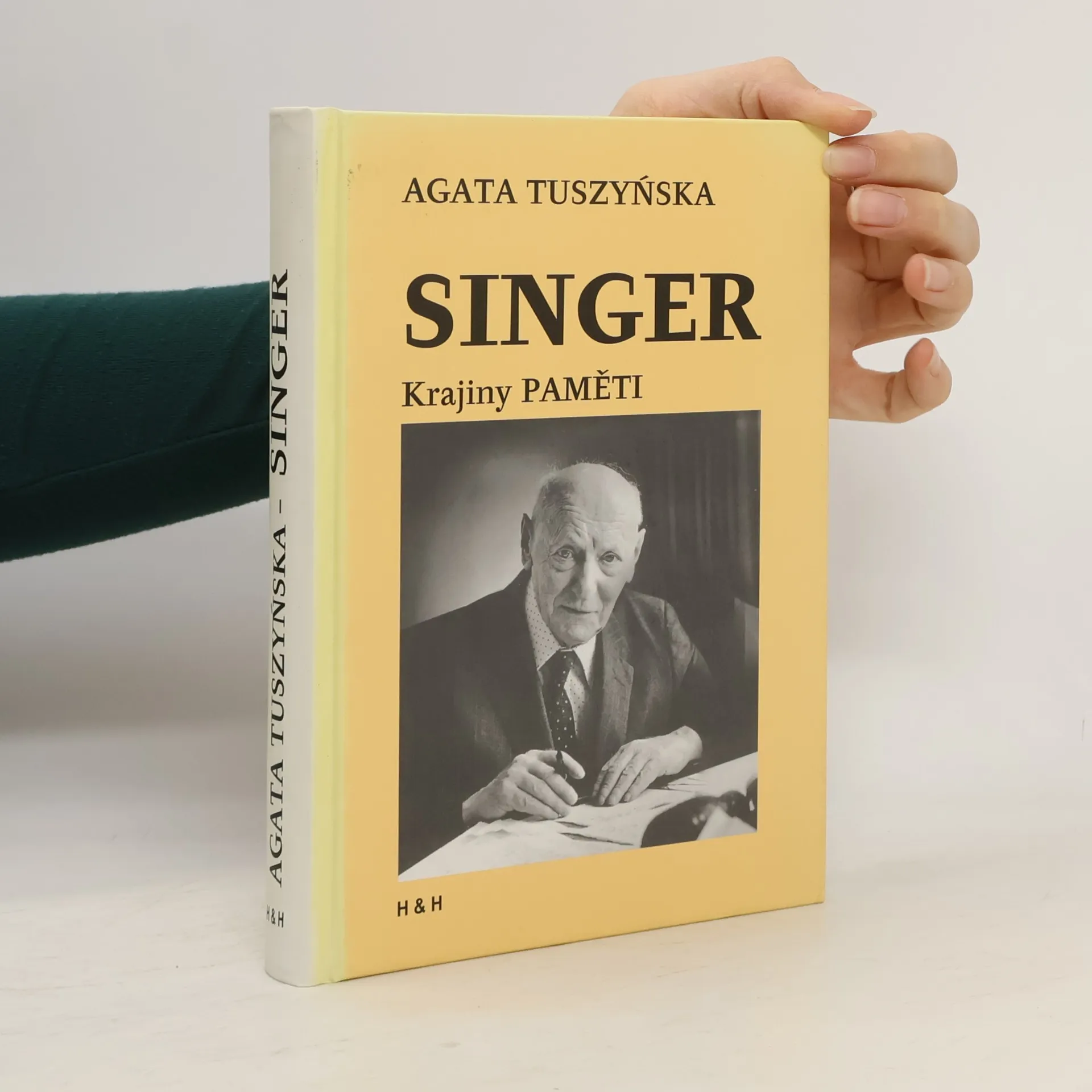
Současná polská spisovatelka a reportérka Agáta Tuszyńská se vydala po stopách známého spisovatele, nositele Nobelovy ceny, Issaca Bashevise Singera, od jeho narození v polském městečku Leoncině až do jeho smrti v Miami Beach na Floridě. Využívá vzpomínek lidí, kteří spisovatele znali a rovněž i těch, kteří znali prostředí starého Polska, v němž vyrůstal."Singer, jediný nositel Nobelovy ceny za Židovskou literaturu a bezdomovský židovský jazyk", píše autorka, "autor Hlupáka Gimpla, Rodiny Moskatovy a Kejklíře z Lublinu, pocházel ze židovské rodiny usazené nad Vislou dlouhá léta. Lze předpokládat, že nebýt války a Hitlerova běsnění, mohli bychom navštěvovat jeho hrob na židovském hřbitově v Husí ulici ve Varšavě, nedaleko míst, kde strávil dětství a mládí. To, že se ocitl za oceánem a jeho literární zralost připadla Americe, se zdá být otázkou historické náhody." Kniha je psána poutavě, autorka využívá vyprávění přímých svědků, což vede k oživení celého textu.