Ein mitreißender Weckruf, um die liberale Demokratie gegen den Aufstieg von Zynismus und Autoritarismus zu verteidigen! In seinem neuen Buch stellt der niederländische Historiker und Bestseller-Autor Rutger Bregman die große Frage nach dem Sinn des Lebens. Er beobachtet einen tiefgreifenden moralischen Verfall innerhalb der westlichen Eliten, vergleicht den aktuellen Zustand der USA mit dem Zerfall des Römischen Reiches. Dagegen möchte er aufbegehren und für die Demokratie kämpfen. Bregman verbindet eine politische Diagnose mit autobiografischen Reflexionen. In einem dringlichen Appell plädiert er für einen radikalen Humanismus, für eine Revolution der Anständigen – und er skizziert eine Utopie: Er wünscht sich den Staat als mutigen Investor, fordert fundamentale Steuergerechtigkeit und eine Ökonomie, die menschliche Zuwendung als Segen statt als Kostenfaktor begreift.
Rutger Bregman Book order (chronological)
Rutger Bregman is a Dutch historian and journalist, celebrated for popularizing concepts of social and economic innovation. He delves into the historical context and potential of ideas such as universal basic income and shorter workweeks. His work, drawing from history, philosophy, and economics, champions forward-thinking solutions to societal challenges. Bregman has emerged as one of Europe's prominent thinkers through his writings and journalism.


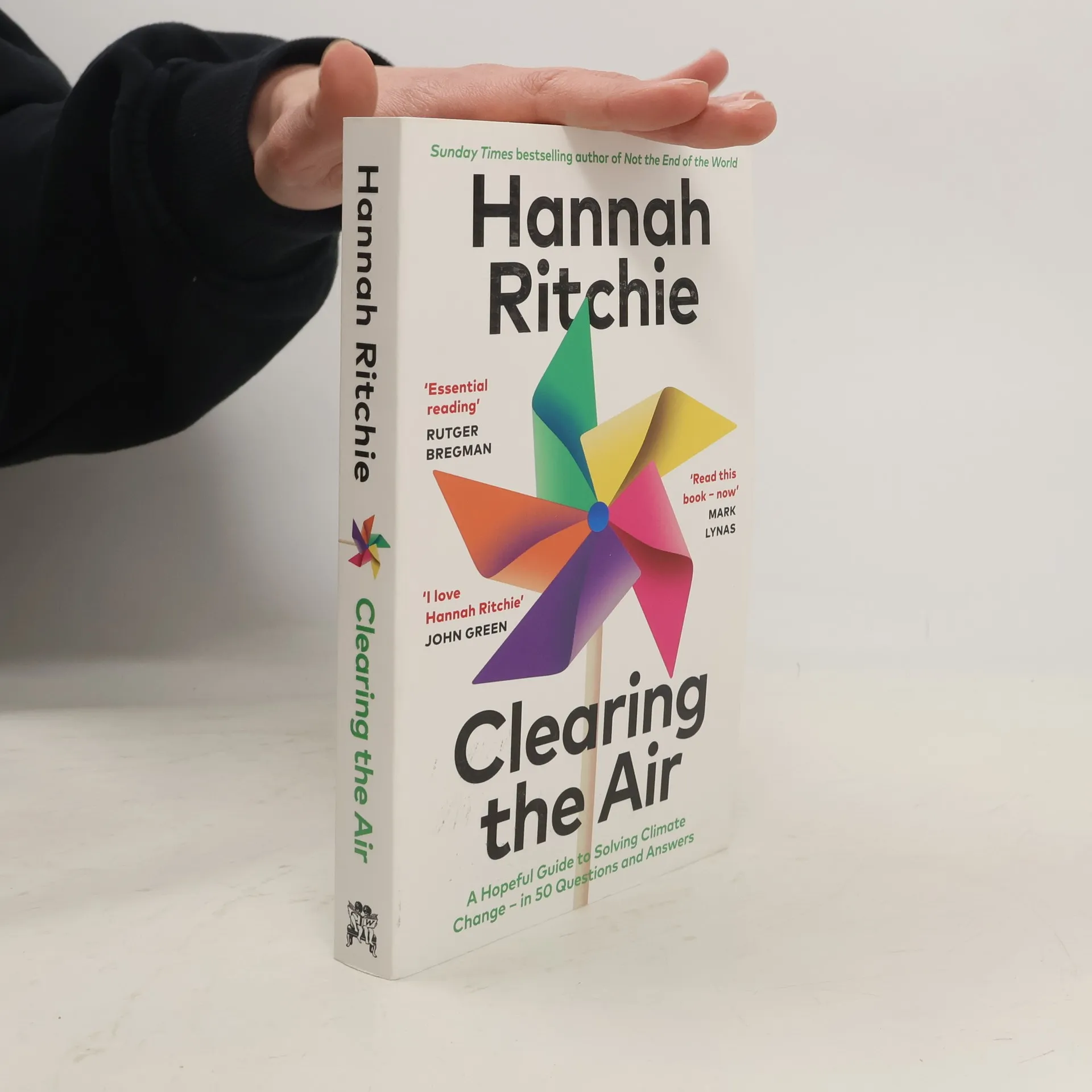
Clearing the Air
A Hopeful Guide to Solving Climate Change -- in 50 Questions and Answers
- 224 pages
- 8 hours of reading
We can't afford to delay climate action, but with all the shouting and disagreement it's hard to know where to turn. In her new book, bestselling environmental star Hannah Ritchie answers 50 key climate questions once and for all, clearing the air so we can get on and fix things. With so many conflicting headlines out there, it's tough to sort fact from fiction when it comes to climate change and the solutions we need for a cleaner future. The first piece of good news is that data scientist Hannah Ritchie is here with answers, and the steps we need to take now. Using simple, clear data, she tackles questions such as, 'Is it too late?', 'Won't we run out of minerals?' and 'Are we too polarised?'. The second piece of good news: the truth is way more hopeful than you might think. We're at a critical moment for our planet, and getting the facts straight is step one. But even more crucial is feeling hopeful about what we can do next. The third piece of good news? We already have many of the solutions we need to create a more sustainable planet for future generations. Clearing the Air is your essential guide whenever you're feeling lost or overwhelmed about climate change. Dive in, get informed and be part of building a better world for everyone.
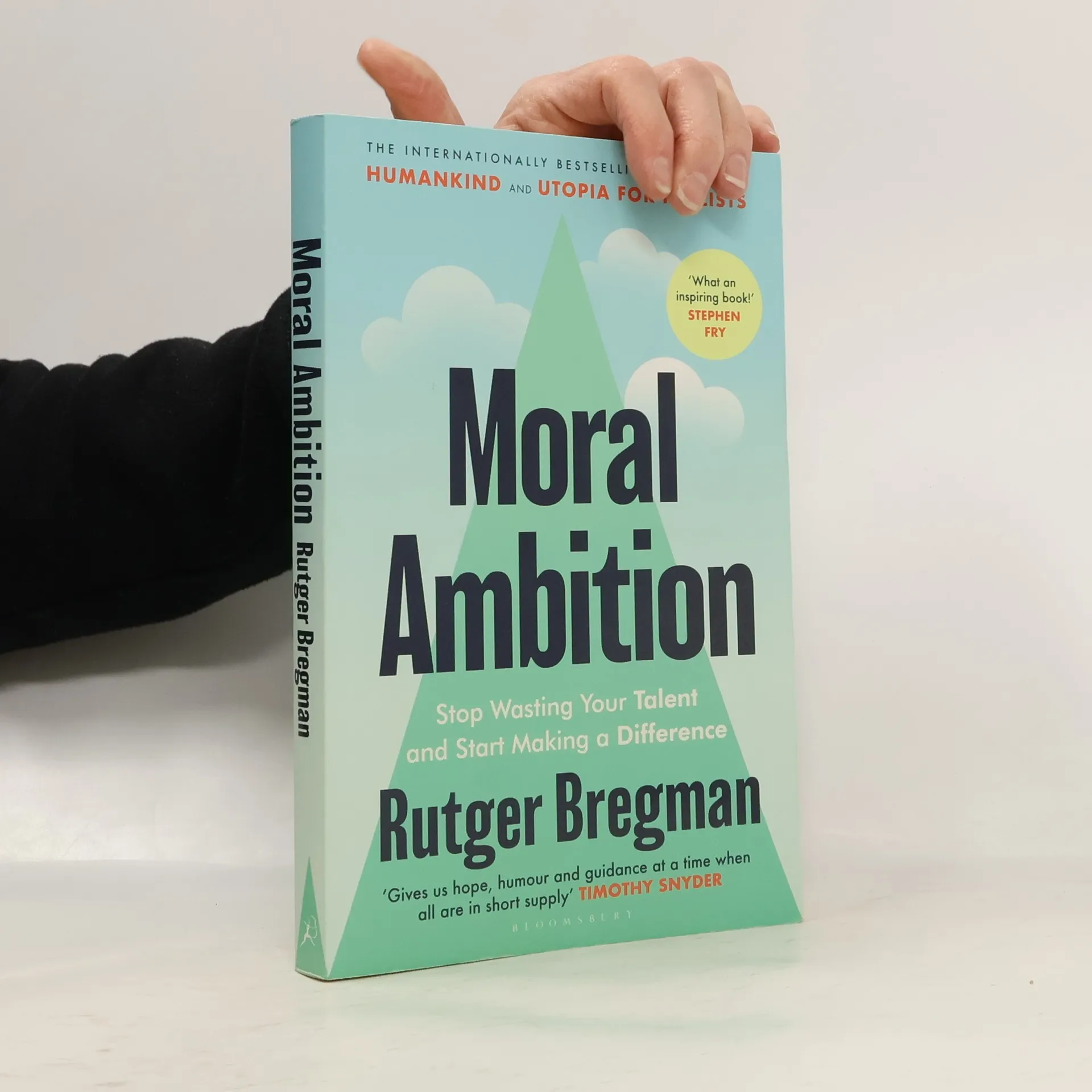
The book tells the stories of pioneers such as abolitionists, suffragettes, and civil rights activists who lived their ideals and changed the world. It highlights how transformative ideas are put into action and offers guidance on how to take action in times of crisis. It encourages readers to change their own lives.
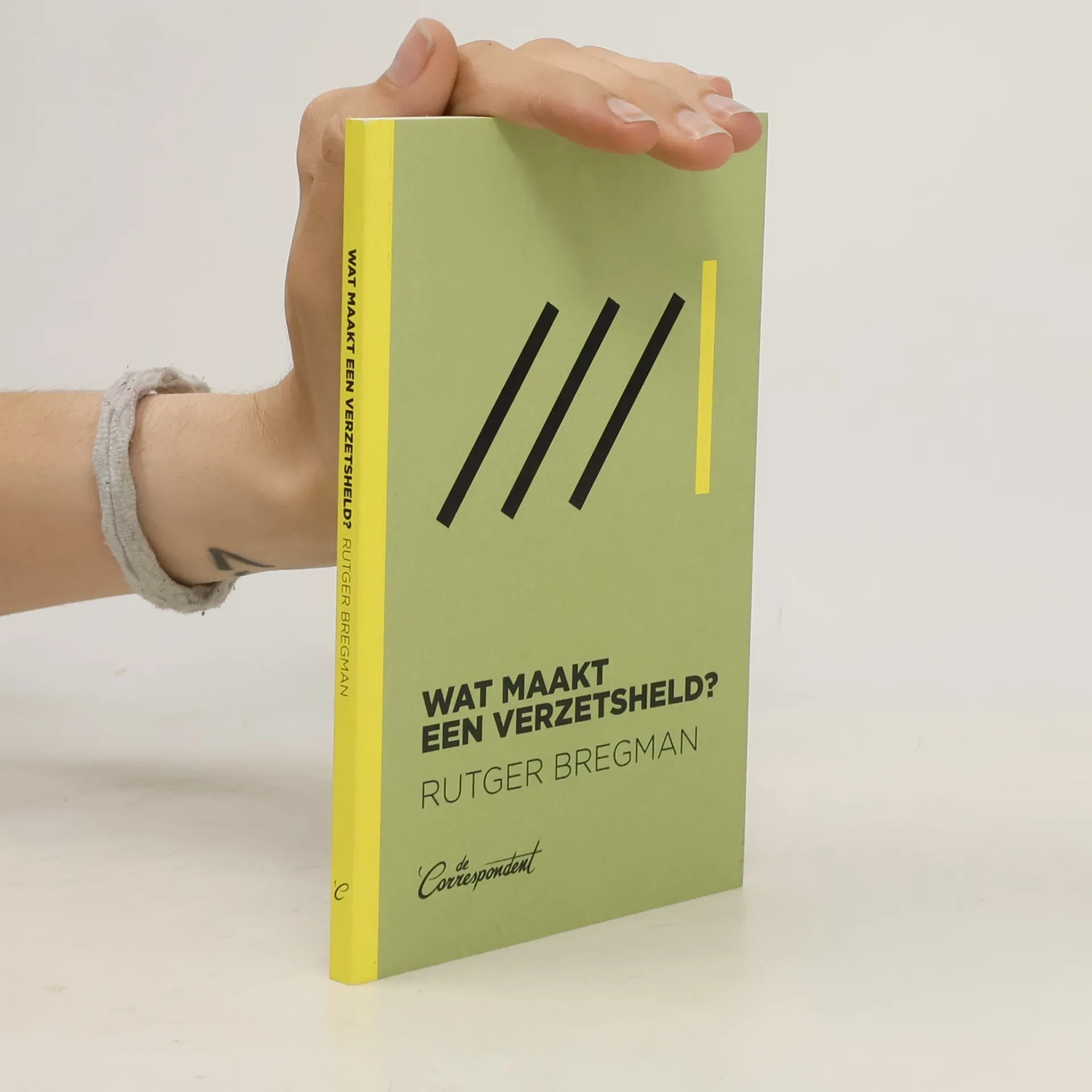
Wat maakt een verzetsheld?
- 72 pages
- 3 hours of reading
In normale tijden heeft een land maar weinig helden nodig. Maar wat als de tijden niet normaal zijn? Dit is het verhaal van Arnold Douwes, een van de grootste verzetsstrijders van Nederland.
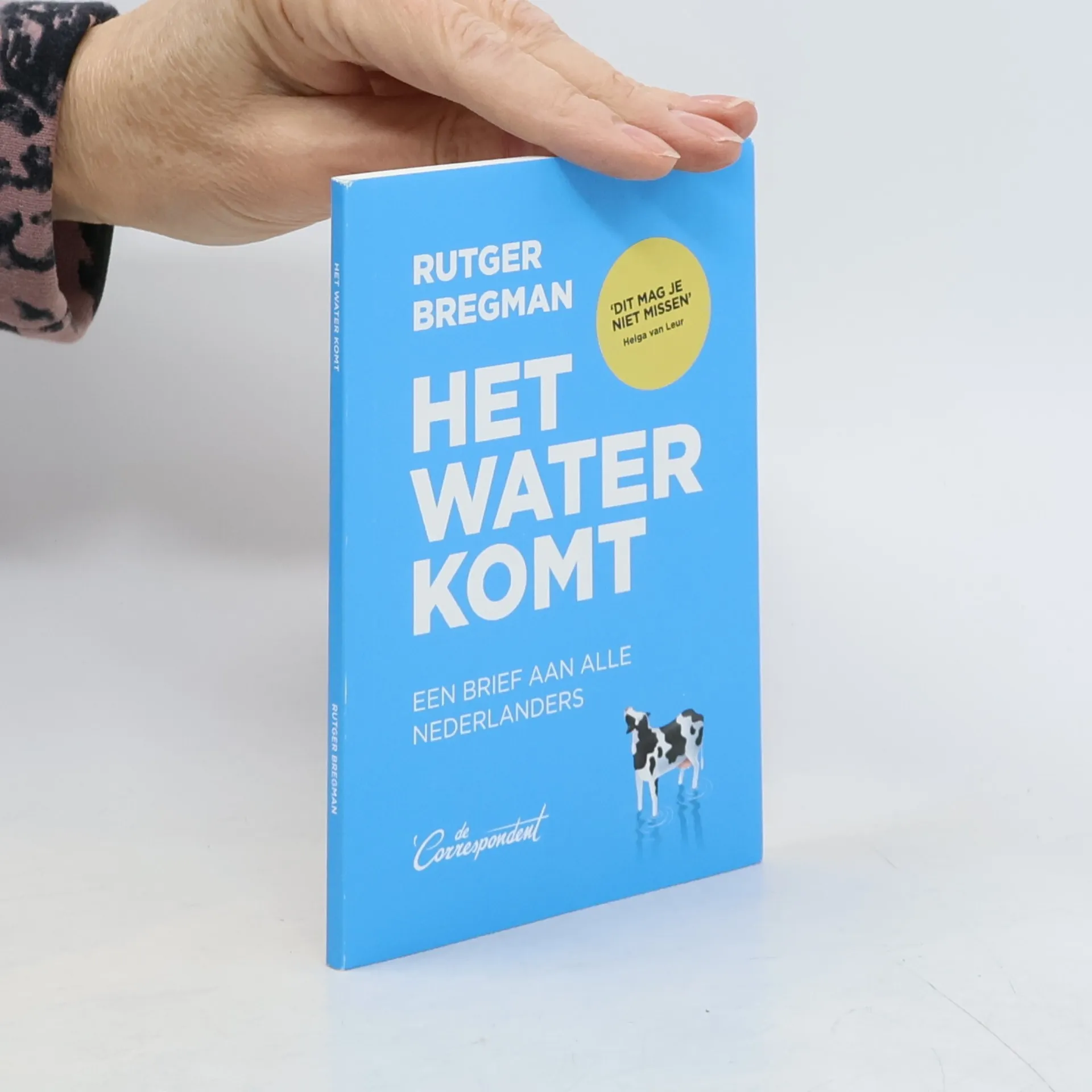
Als er nu één verhaal verteld moet worden, dan is dat het verhaal van Johan van Veen. Ingenieur. Vader van het Deltaplan. Een van de grootste Nederlanders aller tijden. Maar vrijwel niemand die hem kent. Het verhaal van Johan is het verhaal van Nederland. Een verhaal dat sinds de Watersnoodramp van 1953 in de vergetelheid is geraakt, maar door de stijgende zeespiegel relevanter is dan ooit. En dat laat zien: we kunnen de strijd tegen het water opnieuw winnen. Reacties: "Dit mag je niet missen!' -Helga van Leur "Een belangrijk verhaal dat gelezen moet worden door iedere Nederlander.' -Angela Groothuizen "Rutger Bregman is des werelds hoop in bange dagen.' -Hugo Borst
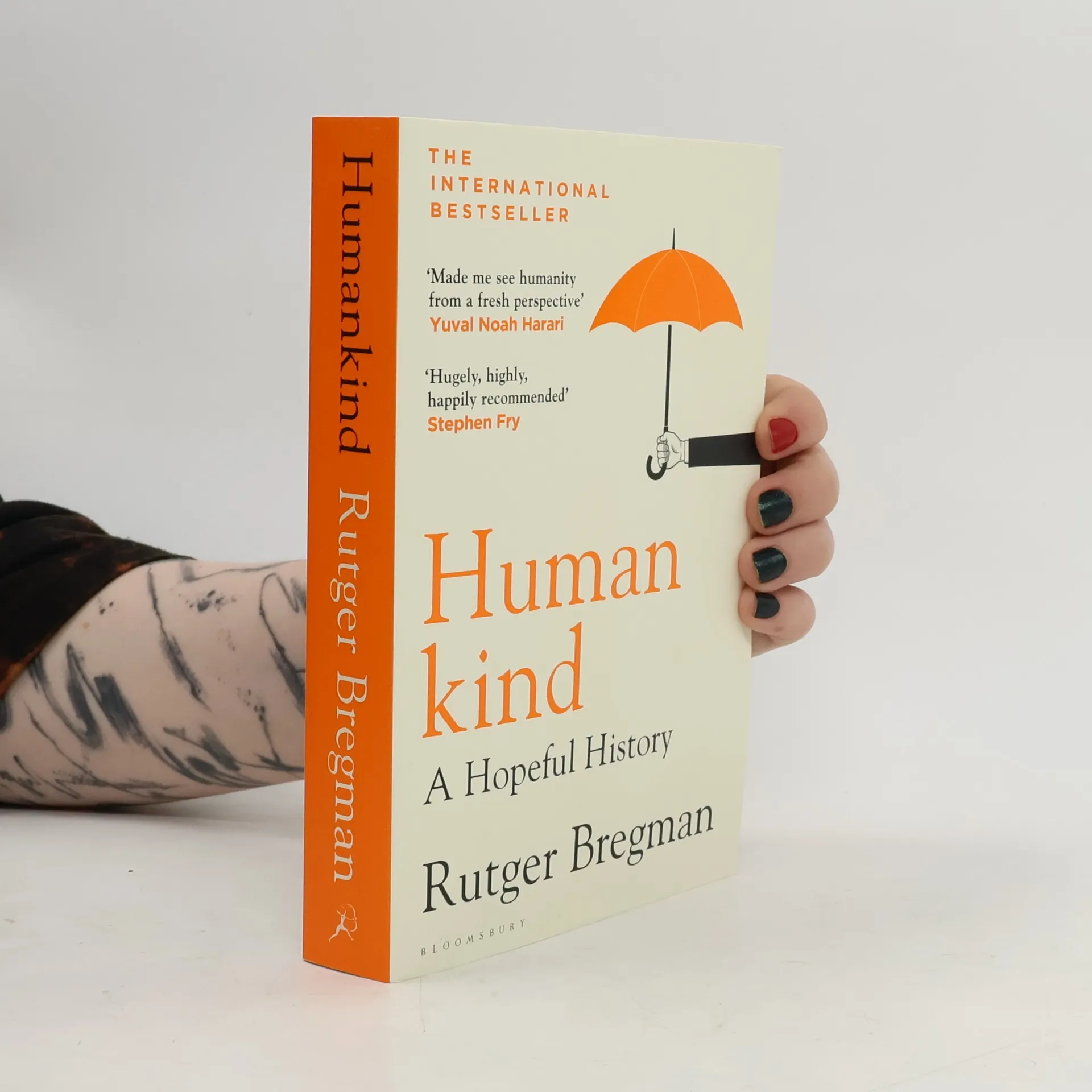
It's a belief that unites the left and right, psychologists and philosophers, writers and historians. It drives the headlines that surround us and the laws that touch our lives. From Machiavelli to Hobbes, Freud to Dawkins, the roots of this belief have sunk deep into Western thought. Human beings, we're taught, are by nature selfish and governed by self-interest. Humankind makes a new argument: that it is realistic, as well as revolutionary, to assume that people are good. The instinct to cooperate rather than compete, trust rather than distrust, has an evolutionary basis going right back to the beginning of Homo sapiens. By thinking the worst of others, we bring out the worst in our politics and economics too. In this major book, internationally bestselling author Rutger Bregman takes some of the world's most famous studies and events and reframes them, providing a new perspective on the last 200,000 years of human history. From the real-life Lord of the Flies to the Blitz, a Siberian fox farm to an infamous New York murder, Stanley Milgram's Yale shock machine to the Stanford prison experiment, Bregman shows how believing in human kindness and altruism can be a new way to think - and act as the foundation for achieving true change in our society. It is time for a new view of human nature
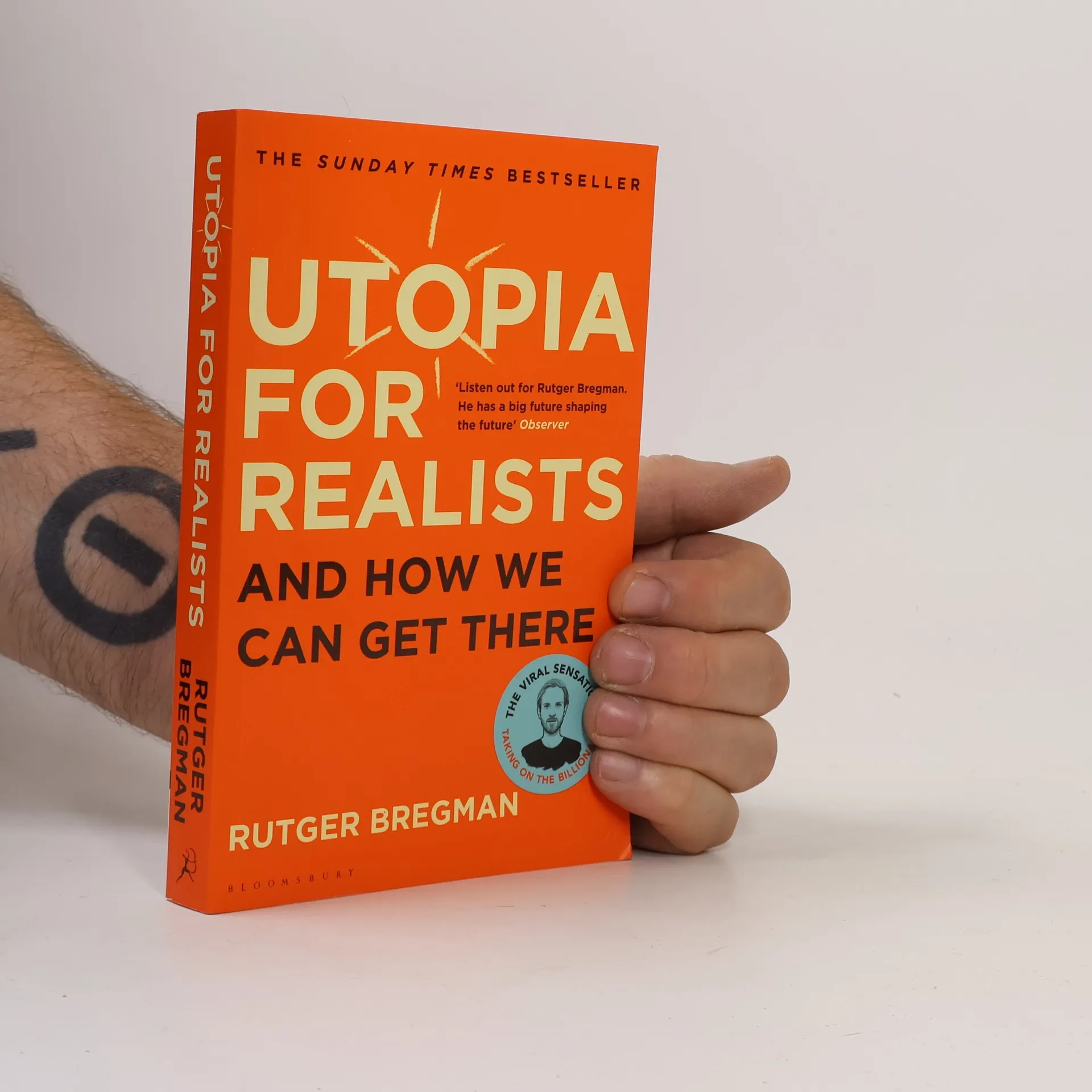
A noted Dutch journalist and economist proposes an outline for a new worldwide Utopia, with central tenets including a shortened work week, a guaranteed basic income for all, wealth redistribution, and open borders everywhere
Essay over de vraag waarom werk dat waarde toevoegt aan de welvaart vaak veel slechter wordt beloond dan werk dat slechts welvaart verplaatst of zelfs schadelijk is.