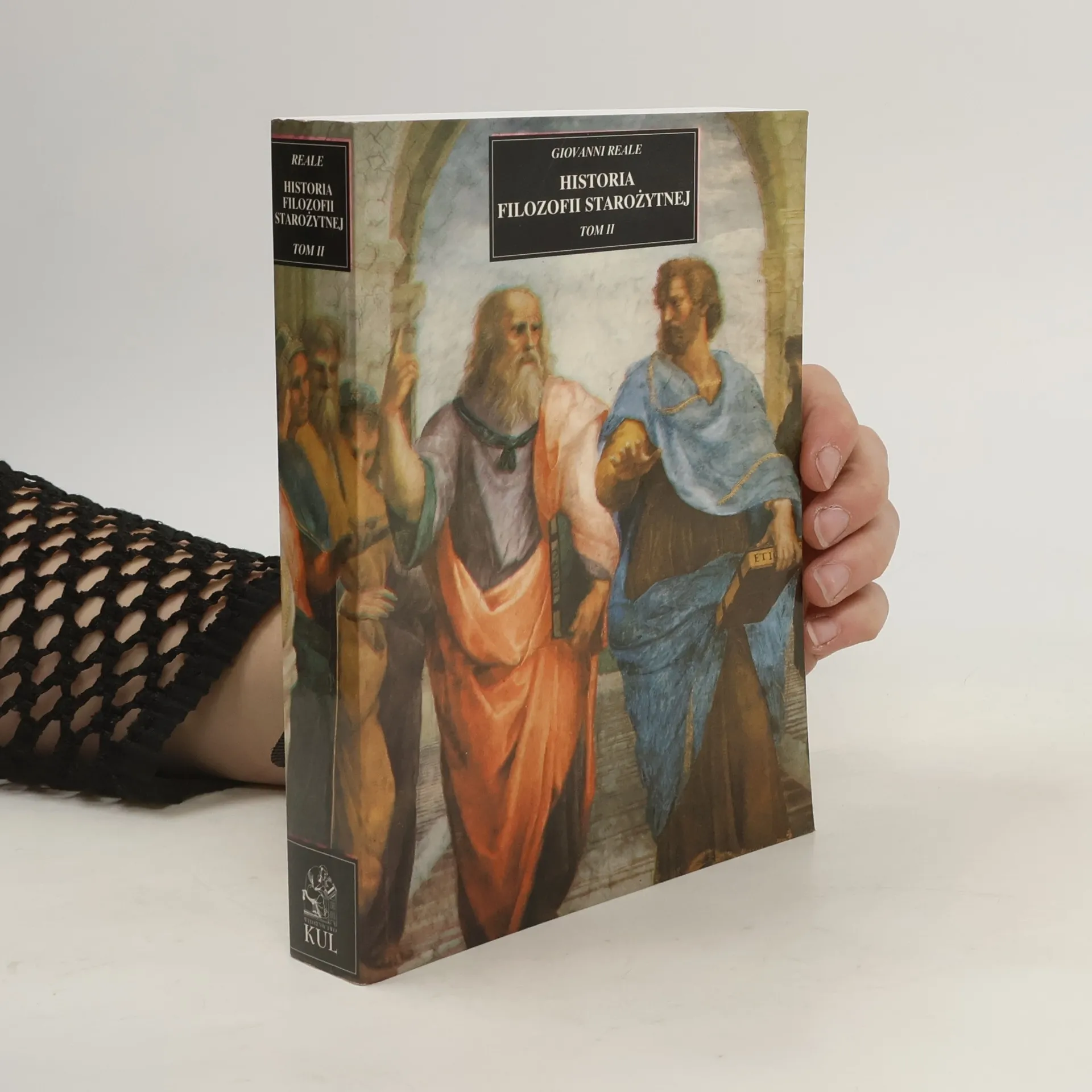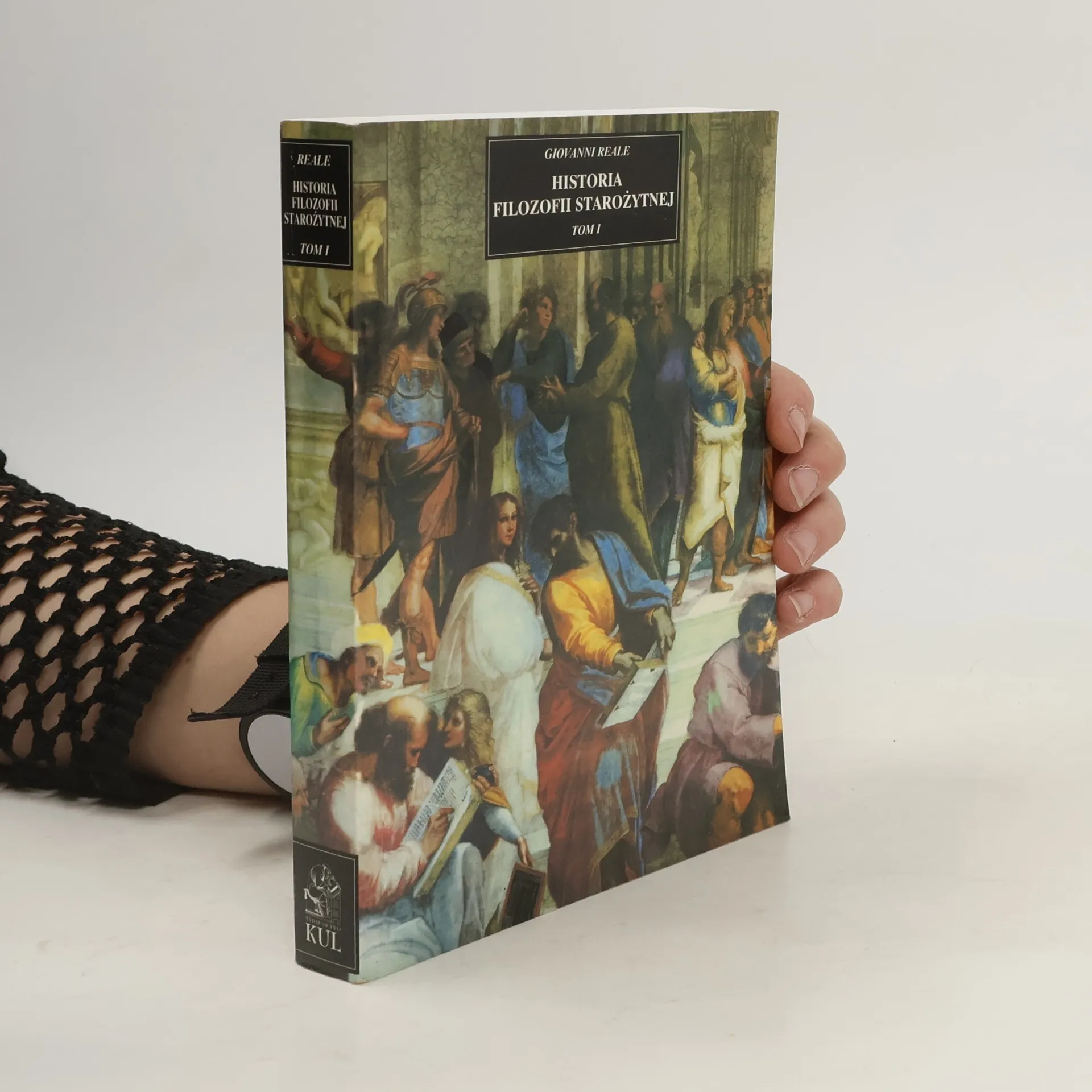

The school of Athens by Raphael
- 152 pages
- 6 hours of reading
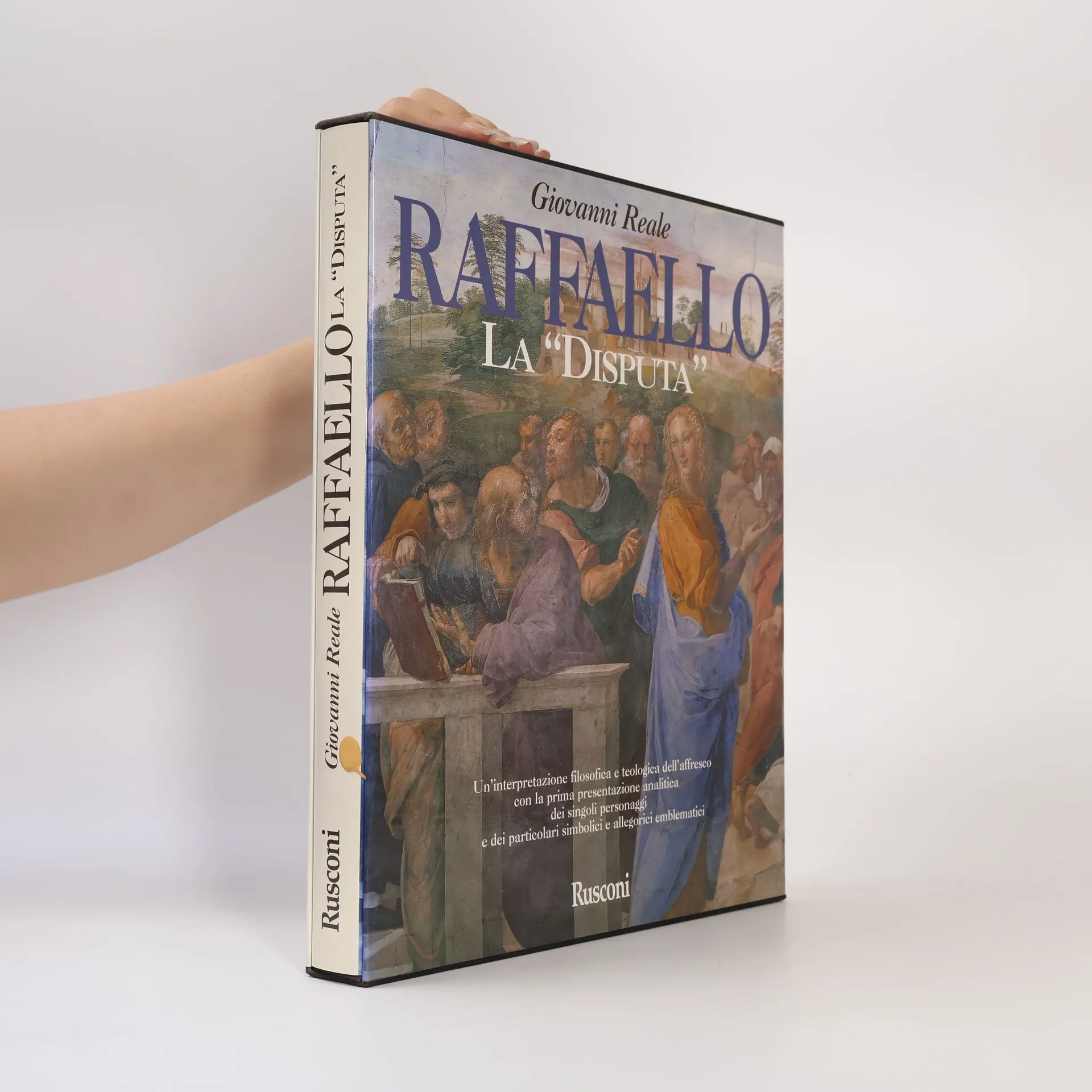
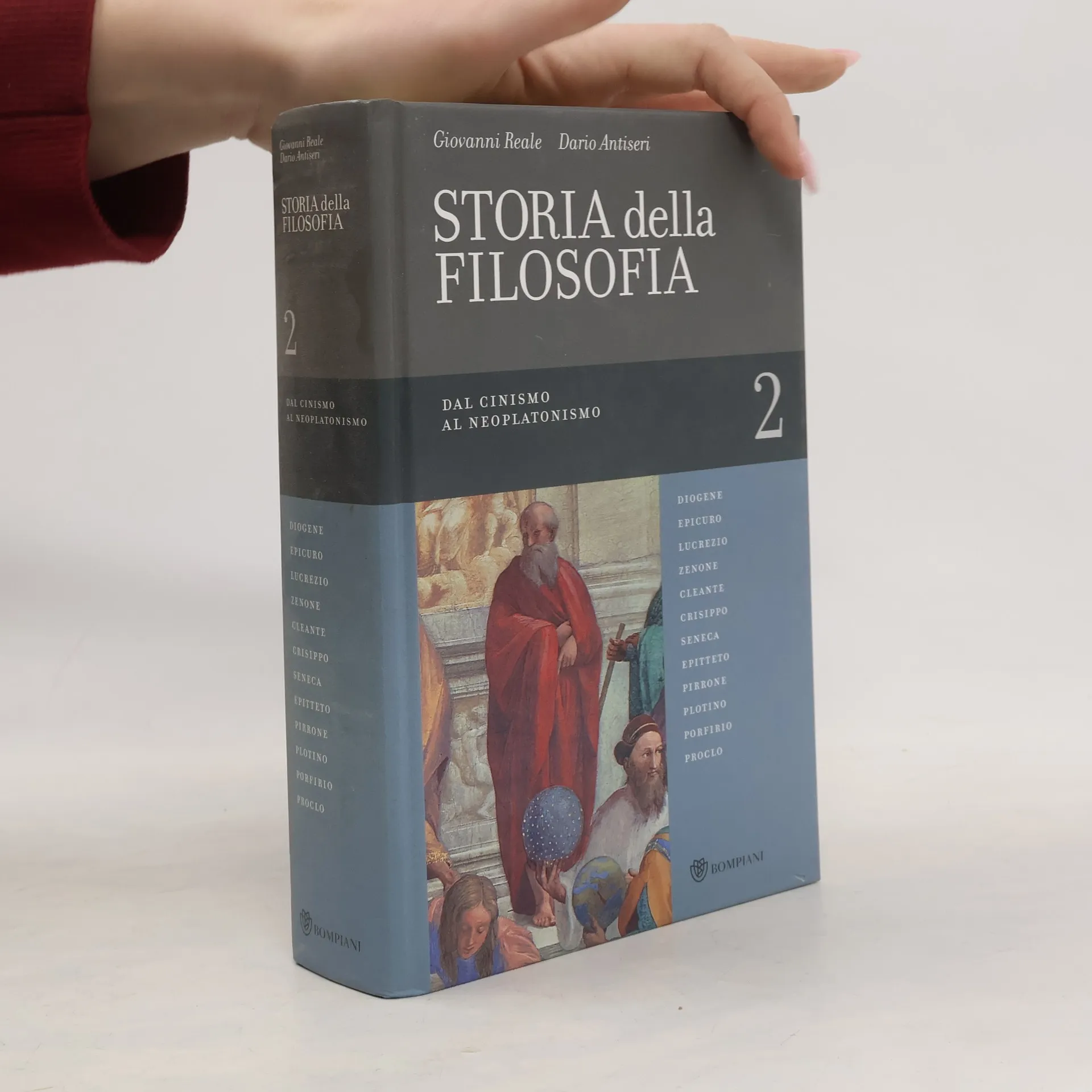
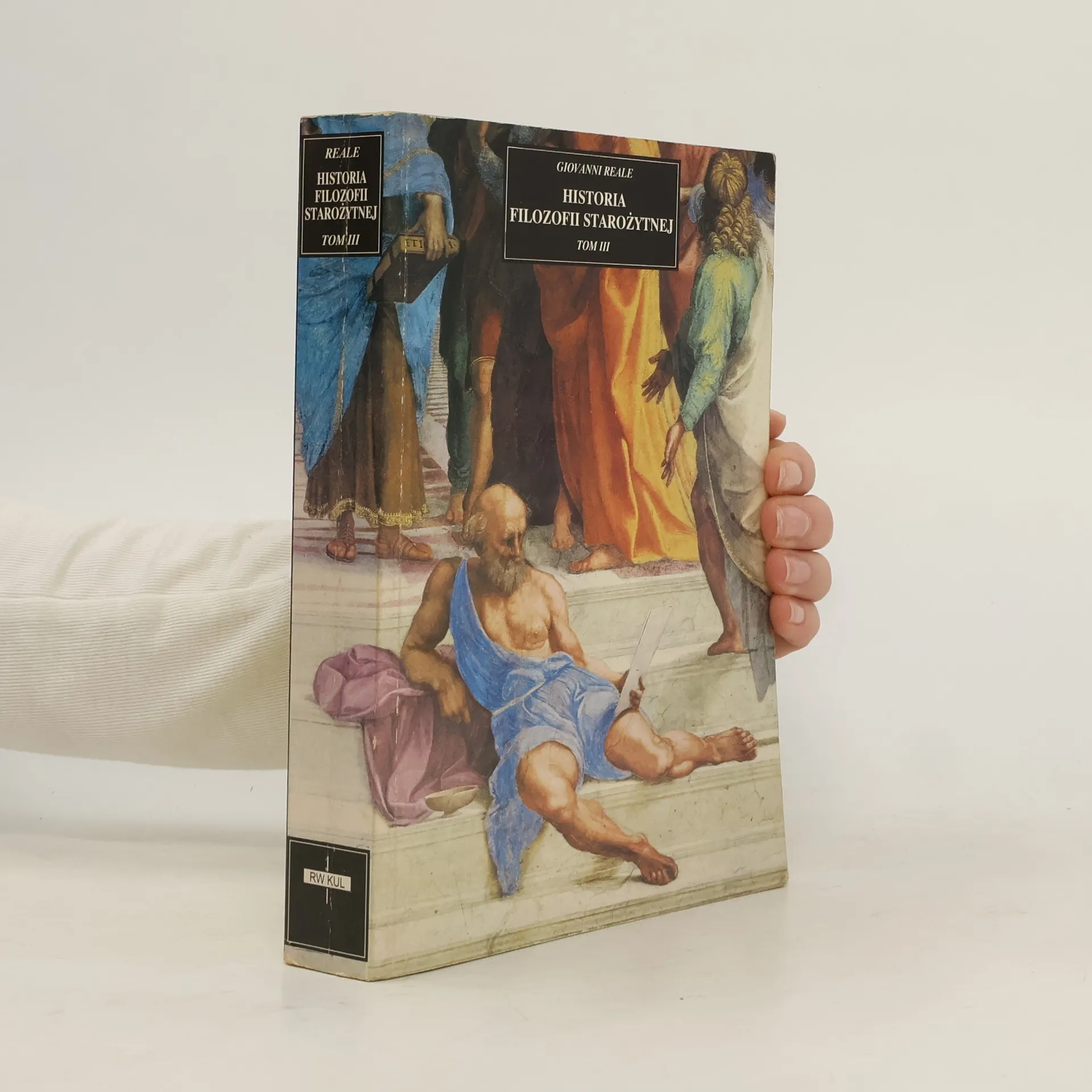
In his Journey to Italy, Goethe emphasizes that appreciating great paintings, like the School of Athens, requires a detailed study of each element for complete enjoyment. Giovanni Reale's work aims to achieve this by meticulously analyzing Rafael's fresco, including a full reproduction of the cartone. Reale illustrates how Rafael adheres to a Platonic framework, as outlined by Plato in Book VII of the Republic, which advocates starting from disciplines that elevate the soul from becoming to being, particularly through mathematical sciences, leading to the perception of the Absolute. The fresco depicts mathematical sciences at the bottom: music and arithmetic on the left, geometry and astronomy on the right. The steps in the center symbolize the progression of knowledge attained through these disciplines. The lower left features characters engaged in Orphic rituals, foundational to Greek thought, with figures like Pythagoras and Heraclitus nearby. The upper section showcases significant philosophers, with Socratic figures expelling the Sophists, followed by Platonists, including a majestic Plato pointing skyward. Aristotle and his followers harmonize with Plato, while Plotinus is identified by Reale. Diogenes the Cynic, representing Hellenistic philosophy, is notably the only Stoic figure included. Epicurus and the Skeptics are absent, as they do not fit the Platonic scheme guiding Rafael, making the fresco a profound narrative