
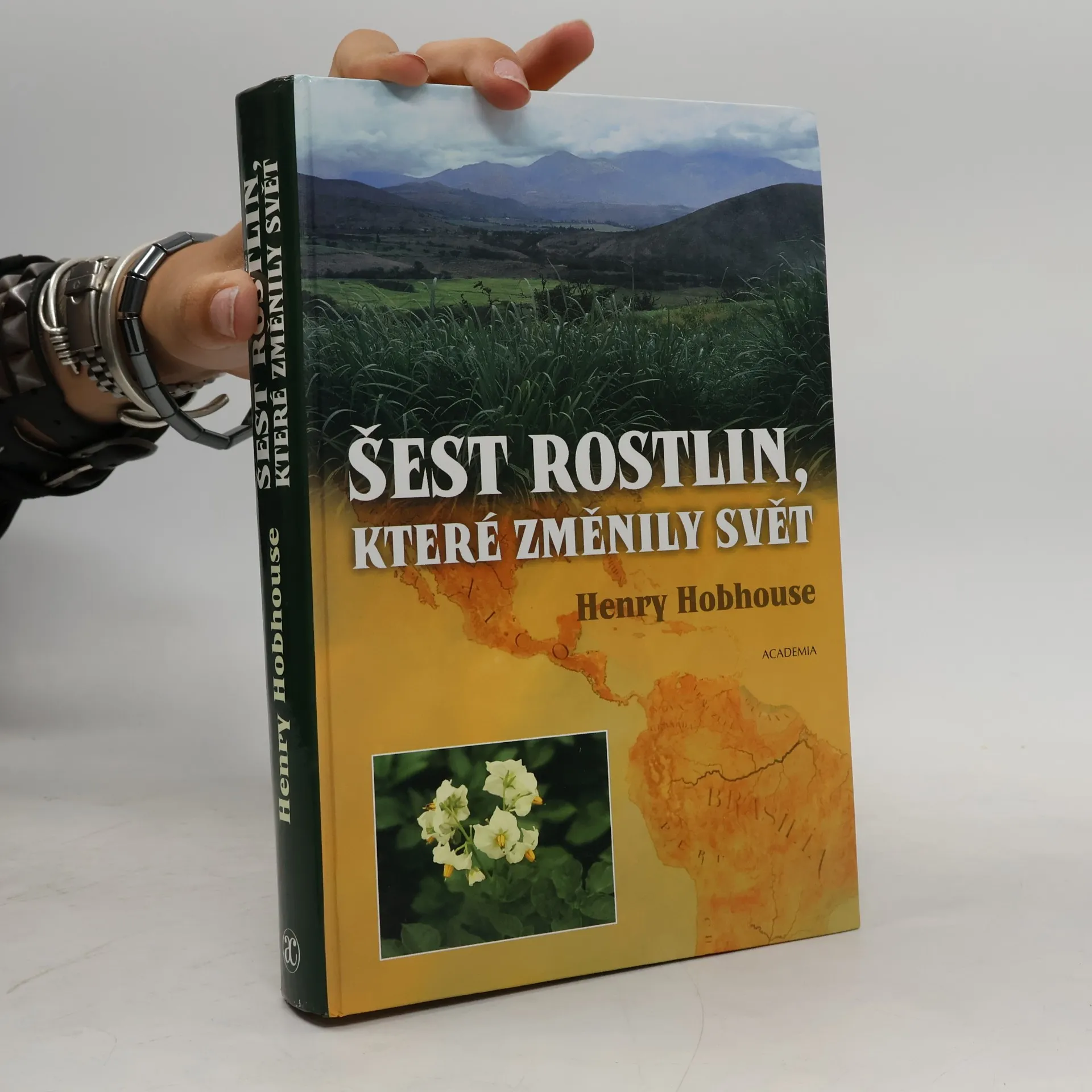

Příběh šesti rostlin (chinovníku, cukrové třtiny, čajovníku, bavlníku, bramboru a kokainovníku) ukazuje, jak významně spoluurčovaly tyto plodiny vývoj v některých částech světa a jak skrze člověka, který je pěstoval, přinášel do nových oblastí a bohatl jejich využíváním, mohly skrytě ovlivňovat nejen zemědělství a průmysl, ale kupříkladu i kolonizaci tropických oblastí, obchod s otroky či mezinárodní vztahy.
Henry Hobhouse Book order (chronological)


Sechs Pflanzen verändern die Welt
- 400 pages
- 14 hours of reading
Henry Hobhouse überrascht seine Leser mit einer Fülle historischer Einsichten und Querverbindungen: sechs Pflanzen, die den Geschichtsverlauf von der Renaissance bis in unsere Gegenwart maßgeblich beeinflussten. Vom Niedergang Chinas bis zum Aufstieg der deutschen Chemieindustrie, von der irischen Hungersnot bis zur indischen Bevölkerungsexplosion, von den Abenteuerreisen der frühen Kolonialzeit bis zu den Weltkriegen des 20. Jahrhunderts, von der genialen Marketing-Strategie für das heute weltweit bekannteste Getränk bis zum Straßenkrieg gegen die Drogen - die erweiterte Neuausgabe lässt die Geschichte in einem völlig neuen Licht erscheinen. Ausgezeichnet recherchiert, flott und witzig geschrieben, auf jeder Seite zahllose unbekannte Details und neue Einsichten.§
Seeds of Change: Six Plants That Transformed Mankind
- 400 pages
- 14 hours of reading
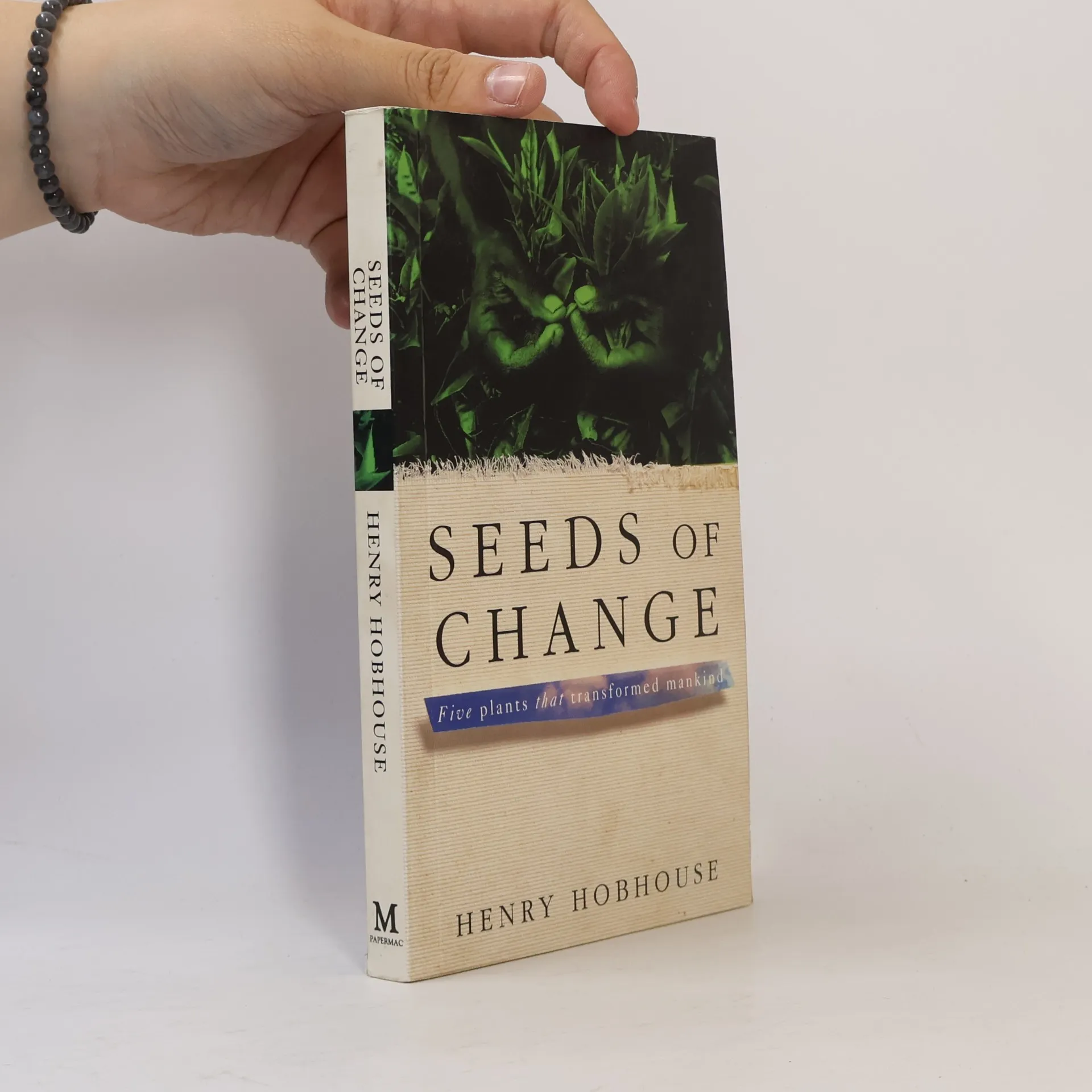
Exploring the profound impact of five key plants—quinine, sugar, tea, cotton, and the potato—this book offers a captivating narrative that highlights their roles in shaping historical events. Drawing inspiration from the styles of Barbara Tuchman and Paul Johnson, it presents a compelling account that intertwines agriculture with global history, illustrating how these plants influenced economies, cultures, and societies. Enhanced with illustrations, the book provides an engaging and informative perspective on the interconnectedness of nature and human development.