

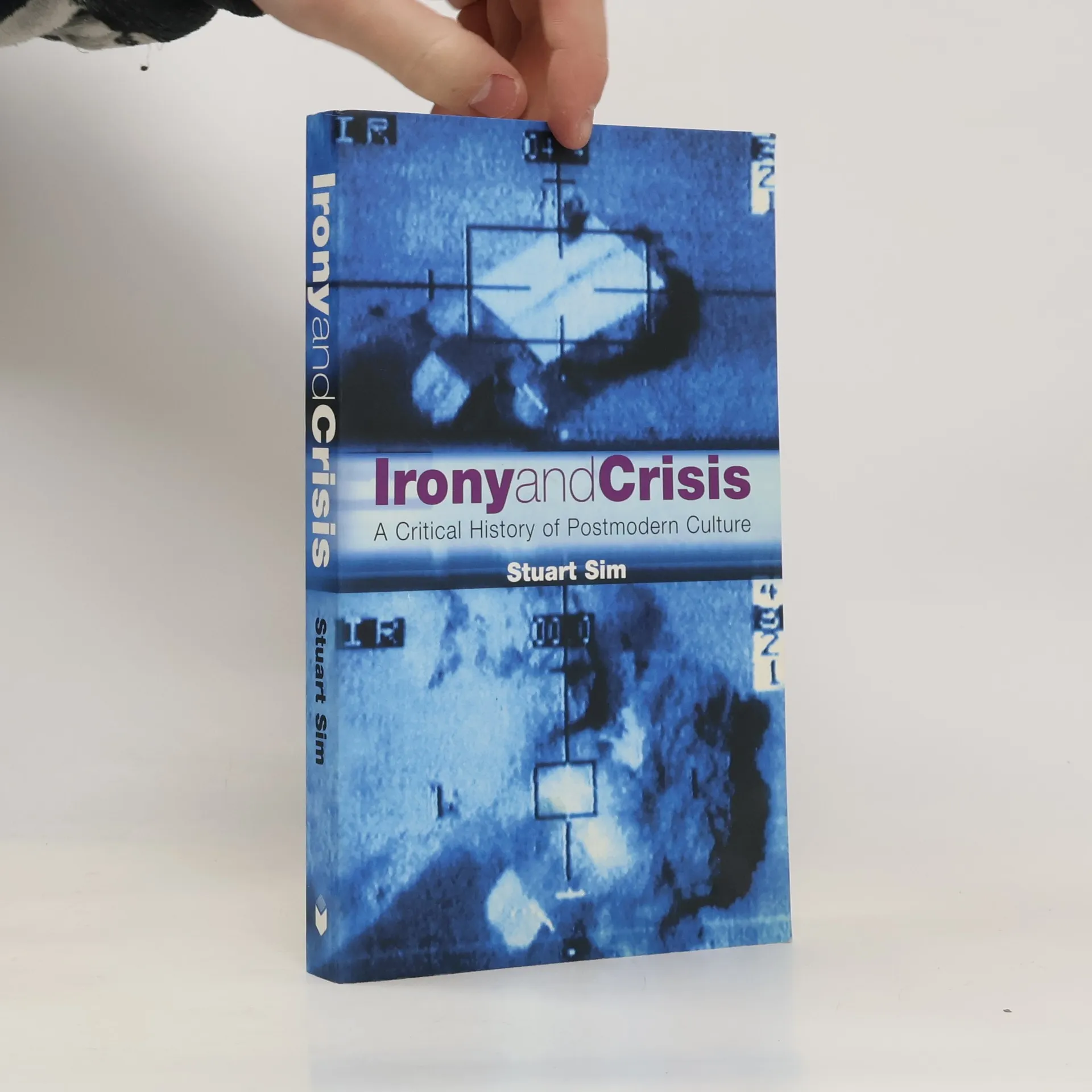
This book is designed to trace the critical history of the postmodern paradigm.
Stuart Sim Books
January 1, 1943

Fifty Key Postmodern Thinkers
- 254 pages
- 9 hours of reading
Exploring a diverse array of influential figures, this book delves into the ideas and contributions of notable thinkers, including John Barth, John Cage, and Quentin Tarantino. It examines their impact on literature, music, and film, highlighting their unique perspectives and creative innovations. Through this exploration, the work connects various artistic disciplines and offers insights into the cultural landscape shaped by these prominent personalities.
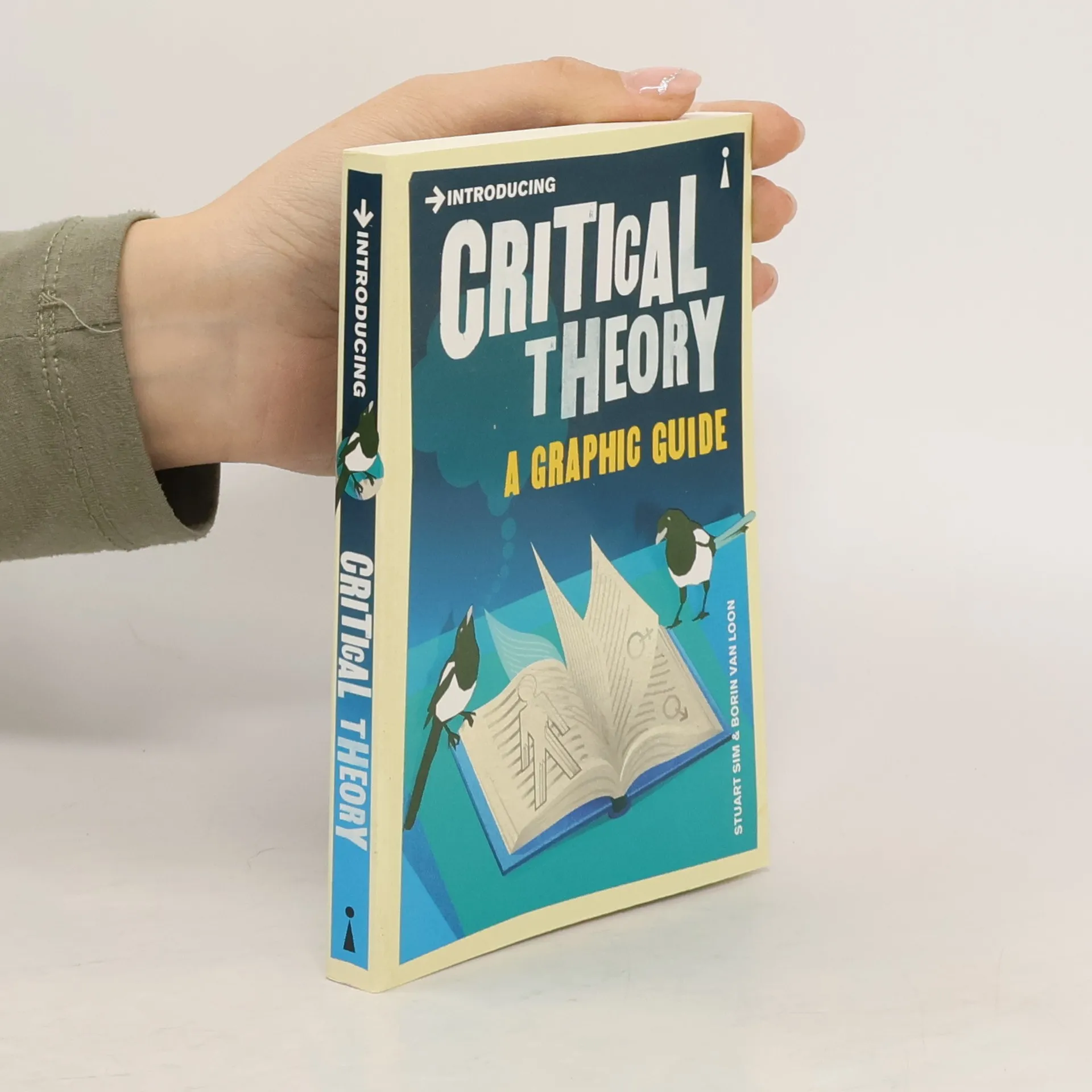
Introducing critical theory
- 175 pages
- 7 hours of reading
Provides information in graphic novel format about the wealth of critical theories from sources including deconstructionists, poststructuralists, postmodernists, second-wave feminists, new historicists, and cultural materialists.
Whether it's religious, political, imperialist, nationalist or even market fundamentalism, believe we live in an increasingly fundamentalist world.
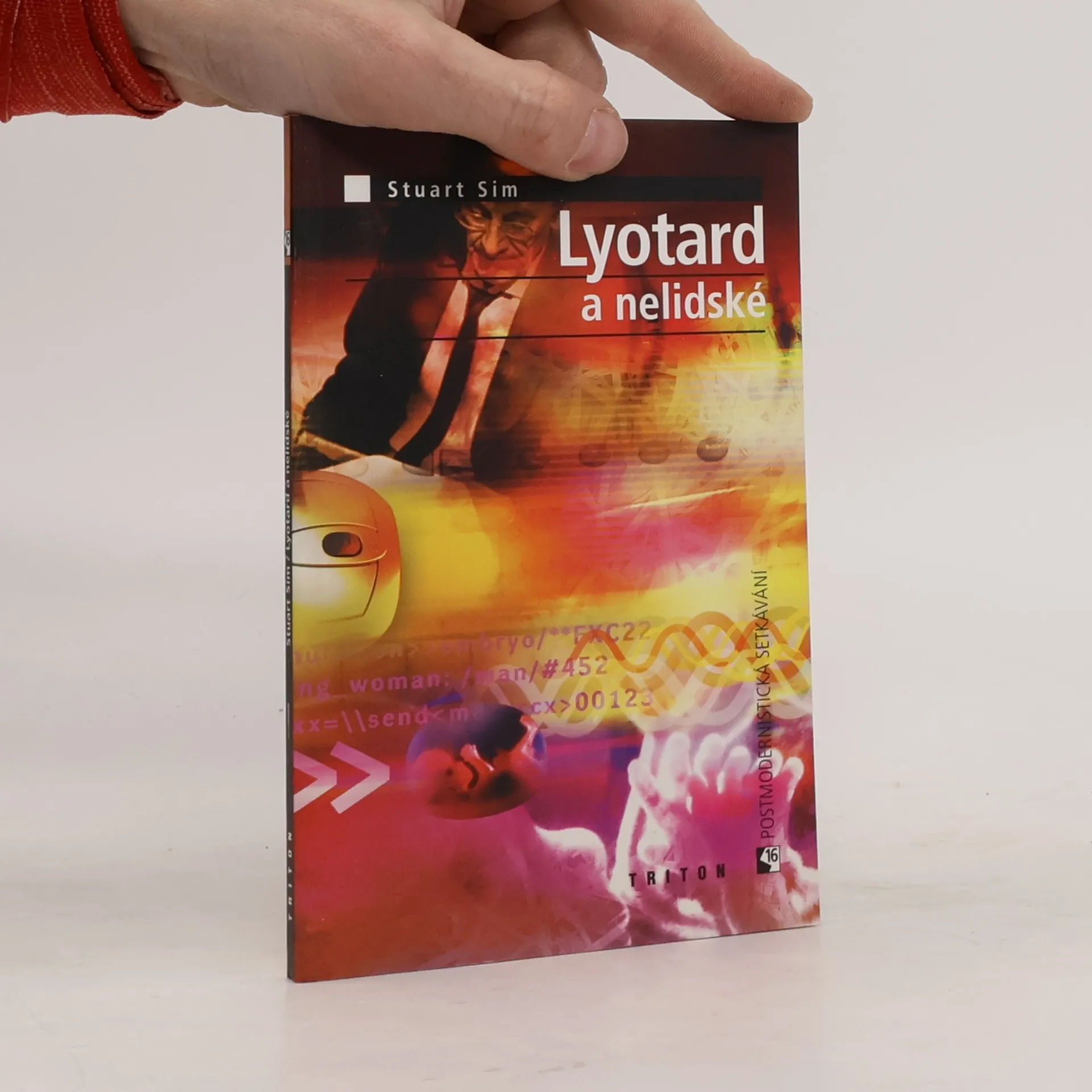
Pozdní práce Jeana-Françoise Lyotarda prozrazují hlubokou nedůvěru vůči “nelidskému” – procesu, ve kterém jsme “dehumanizováni” silami “vývoje” (tj. pokročilého kapitalismu). V extrémních případech dokonce zjišťujeme, že ony síly plánují nahradit nás počítačovou technologií. S ohledem na moc, kterou třímá “techno-věda”, se Lyotard obává o naši budoucnost a vyzývá nás, abychom vzdorovali tomuto směřování k “ne-humanismu”. Jestliže se však kolem sebe rozhlédneme, vidíme, že nehumanismus už tu je s námi v mnoha podobách: lékařská technologie, umělá inteligence a umělý život jsou toho výraznými příklady. Hranice mezi lidstvem a technologií se stále více zamlžuje a najde se mnoho takových, kteří jsou ochotni tento vývoj obhajovat a spatřují v něm naši budoucnost. V této debatě je v sázce samotná koncepce toho, co to znamená být lidský. Lyotardova otázka “Co když pro lidstvo je ‚správné‘ právě to, aby bylo obýváno nelidským?” má pro nás pro všechny kritické důsledky.
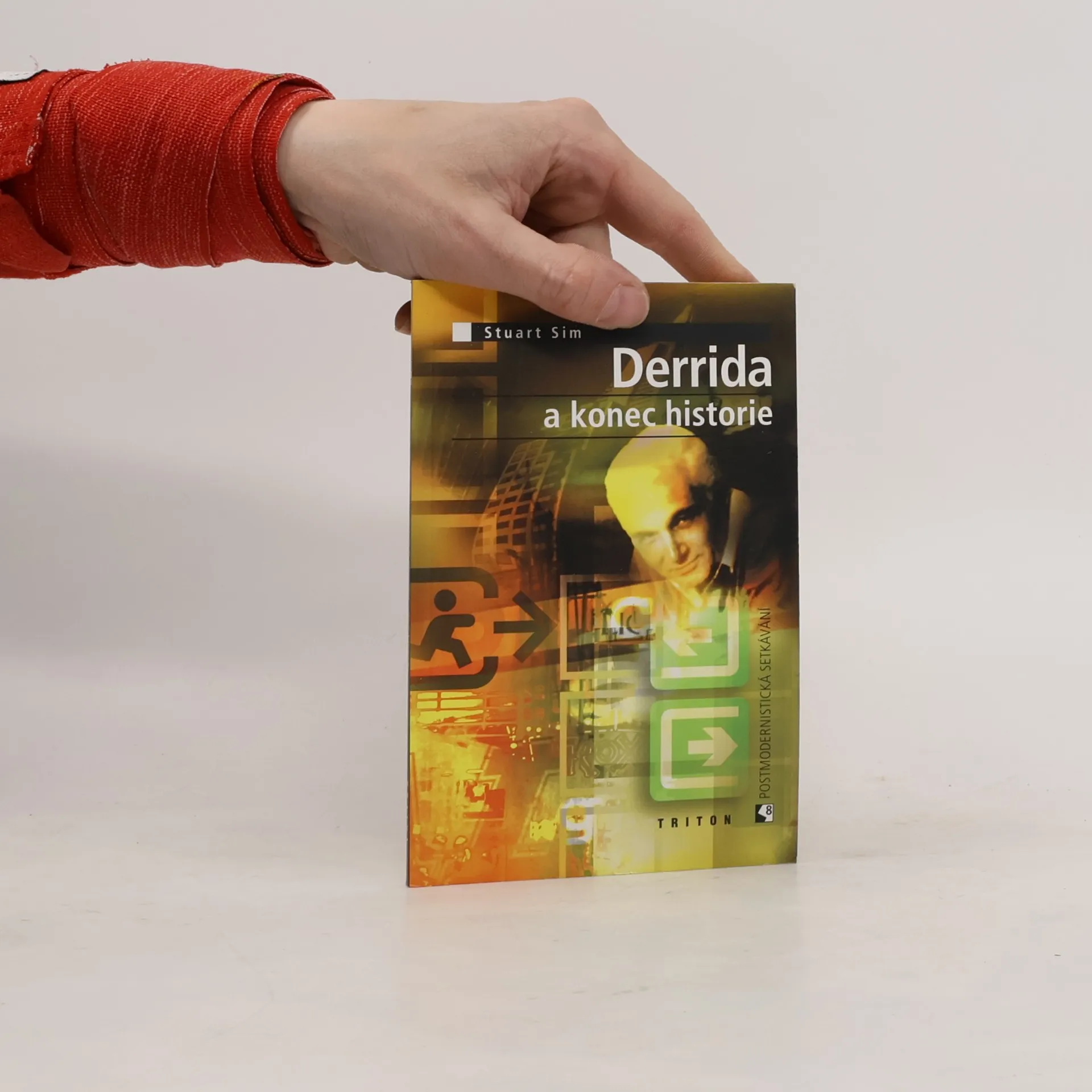
Derrida a konec historie
- 66 pages
- 3 hours of reading
Před několika lety vystoupil významný americký teoretik společnosti F.Fukuyama s názorem, že historie v té podobě, v jaké jsme ji dosud znali, tedy jako dialektický boj různých společenských systémů, s pádem komunistických režimů končí. Nadešlo pro něj období všeobecného konsensu s liberálním pojetím společnosti jako nejdokonalejšího systému. Derrida toto tvrzení odmítá a přičítá ho mezi tradiční teorie o konci epoch, které se v historii po různu prosazovaly.