Explore the latest books of this year!
Bookbot

Jacob Needleman

    October 6, 1934 – January 1, 2022

    Jacob Needleman is a philosopher whose work delves into the profound questions of human existence and the search for meaning. His writings explore the intricate relationship between spiritual traditions and modern life, emphasizing the necessity of inner transformation and self-knowledge. Known for their clarity, Needleman's texts skillfully bridge ancient wisdom with contemporary challenges, offering readers a path toward deeper understanding of themselves and the world.

    Jacob Needleman
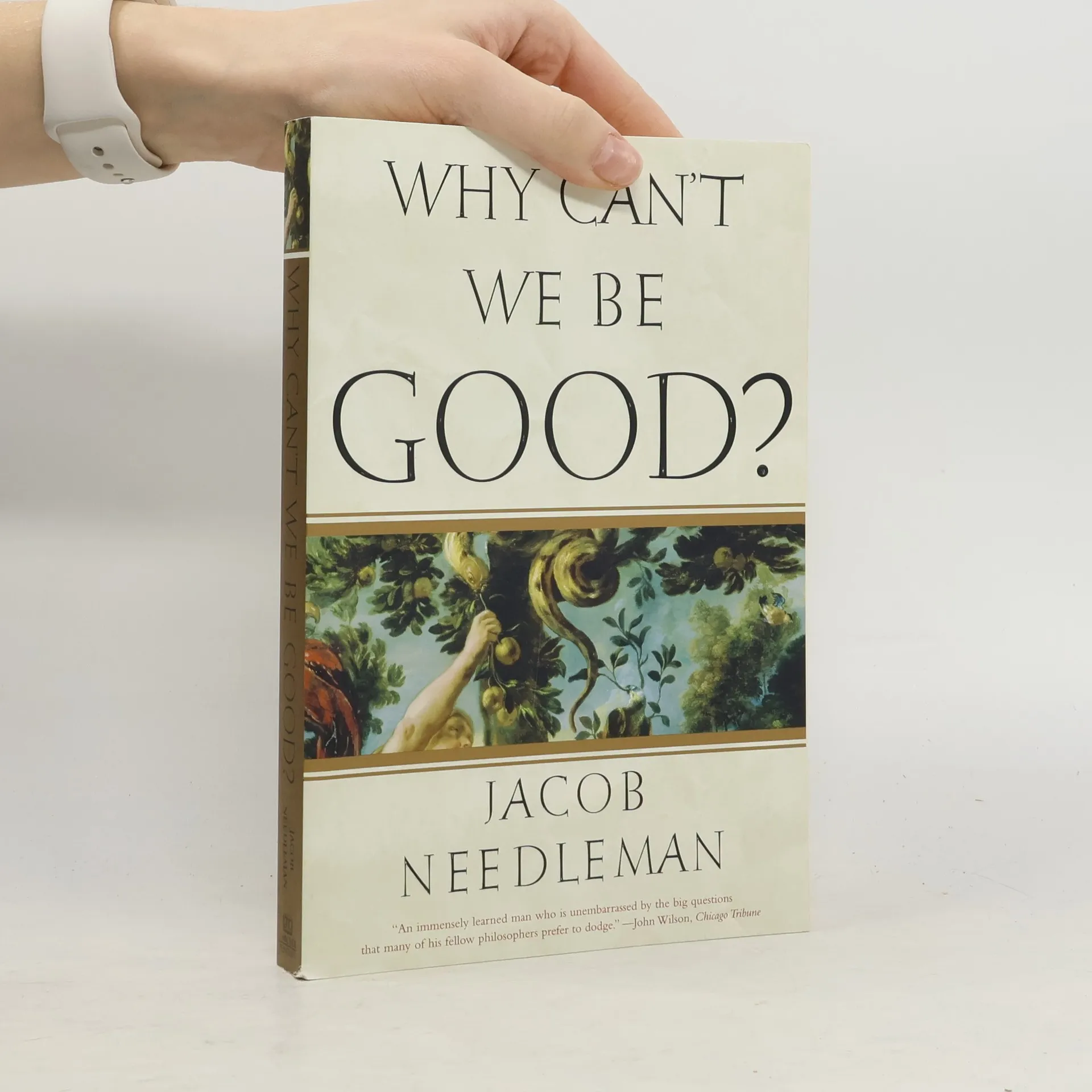
    Why Can't We Be Good?
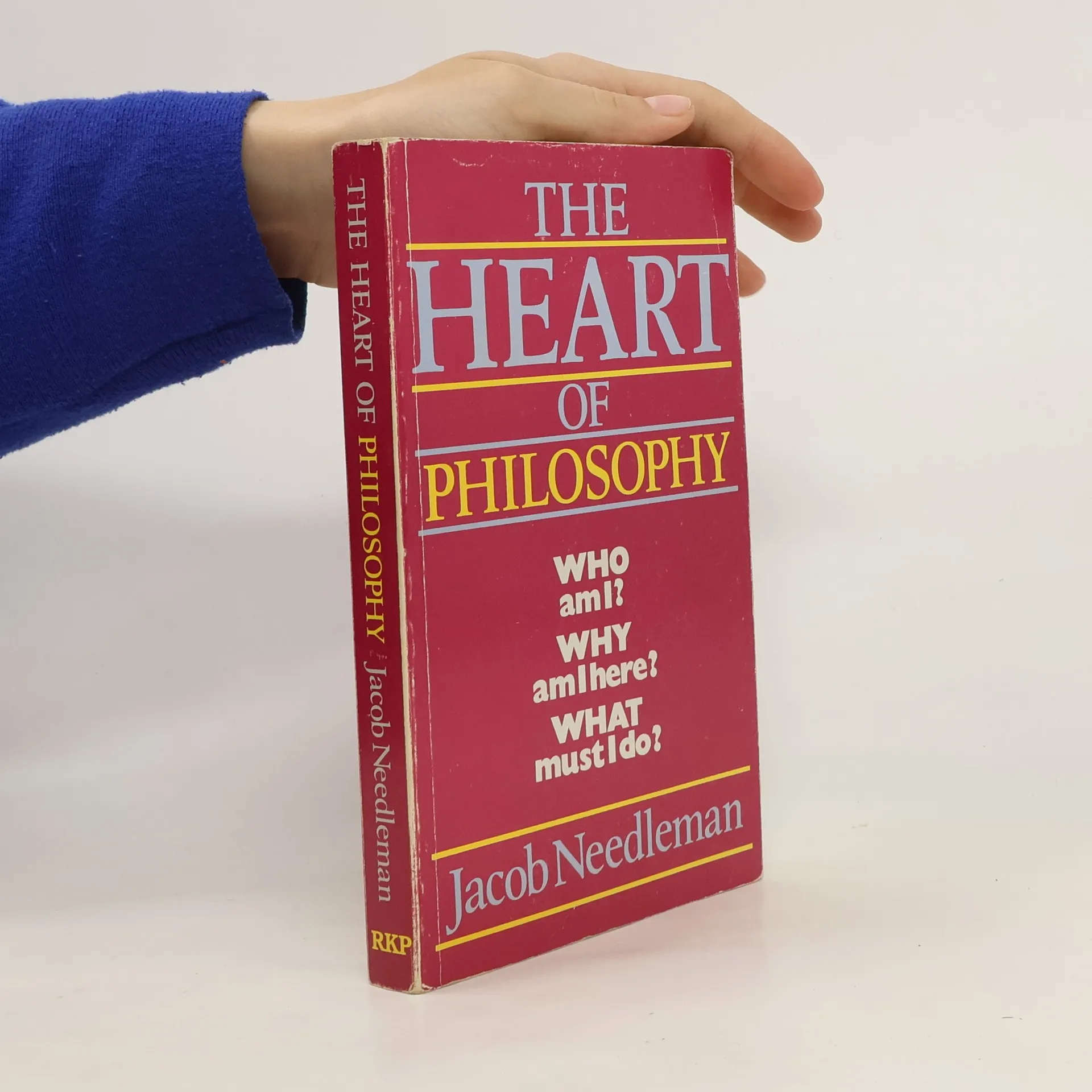
    The Heart of Philosophy
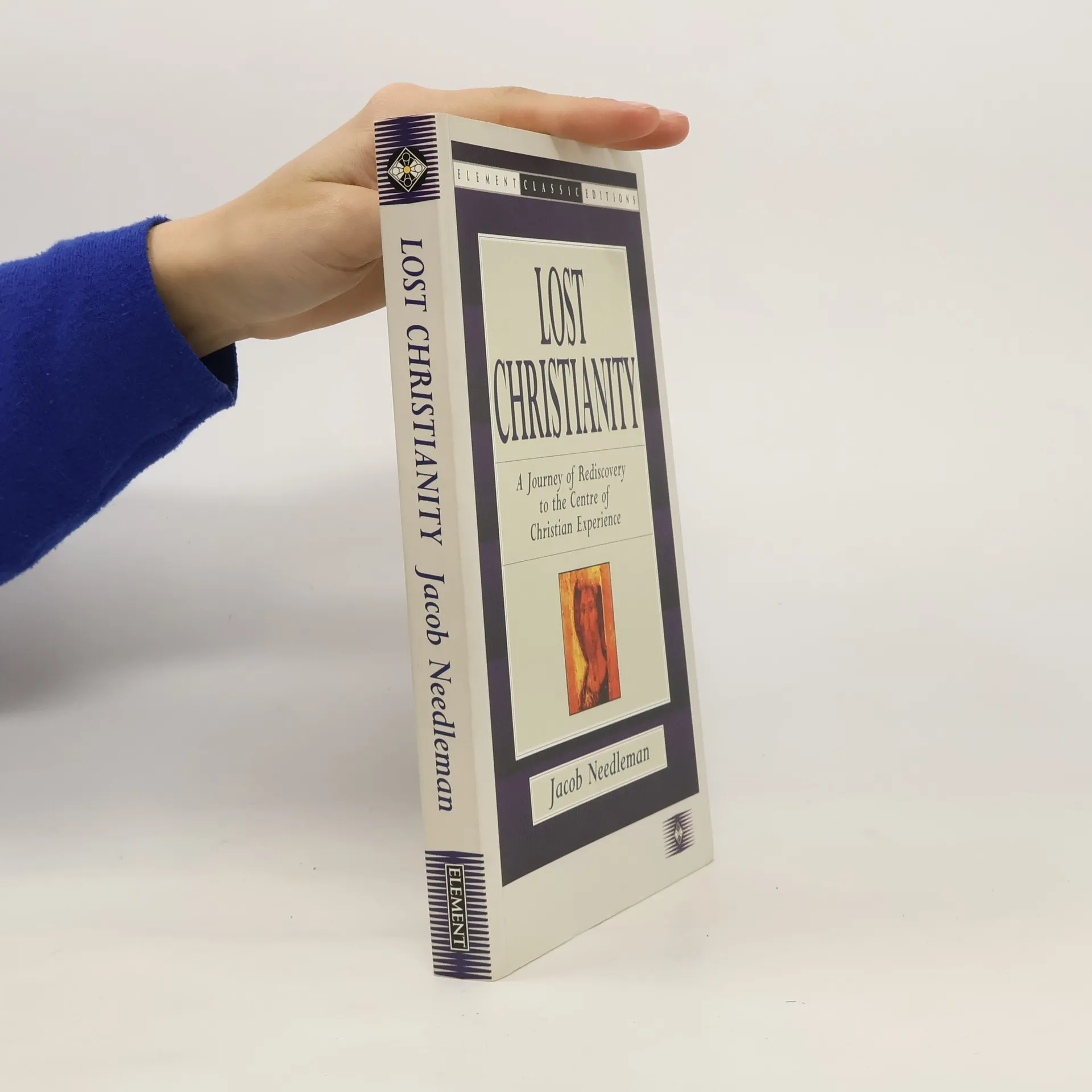
    Lost Christianity
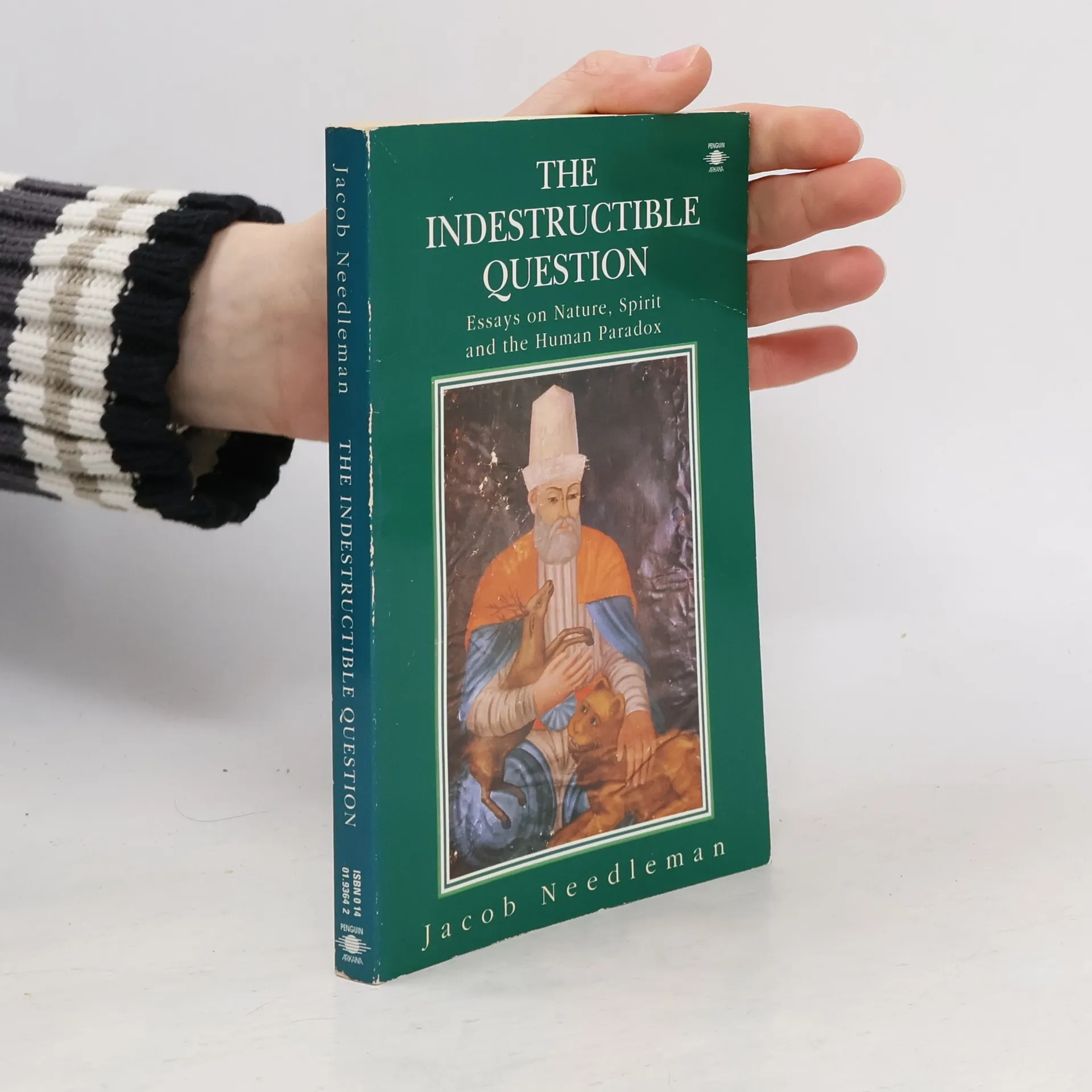
    The Indestructible Question
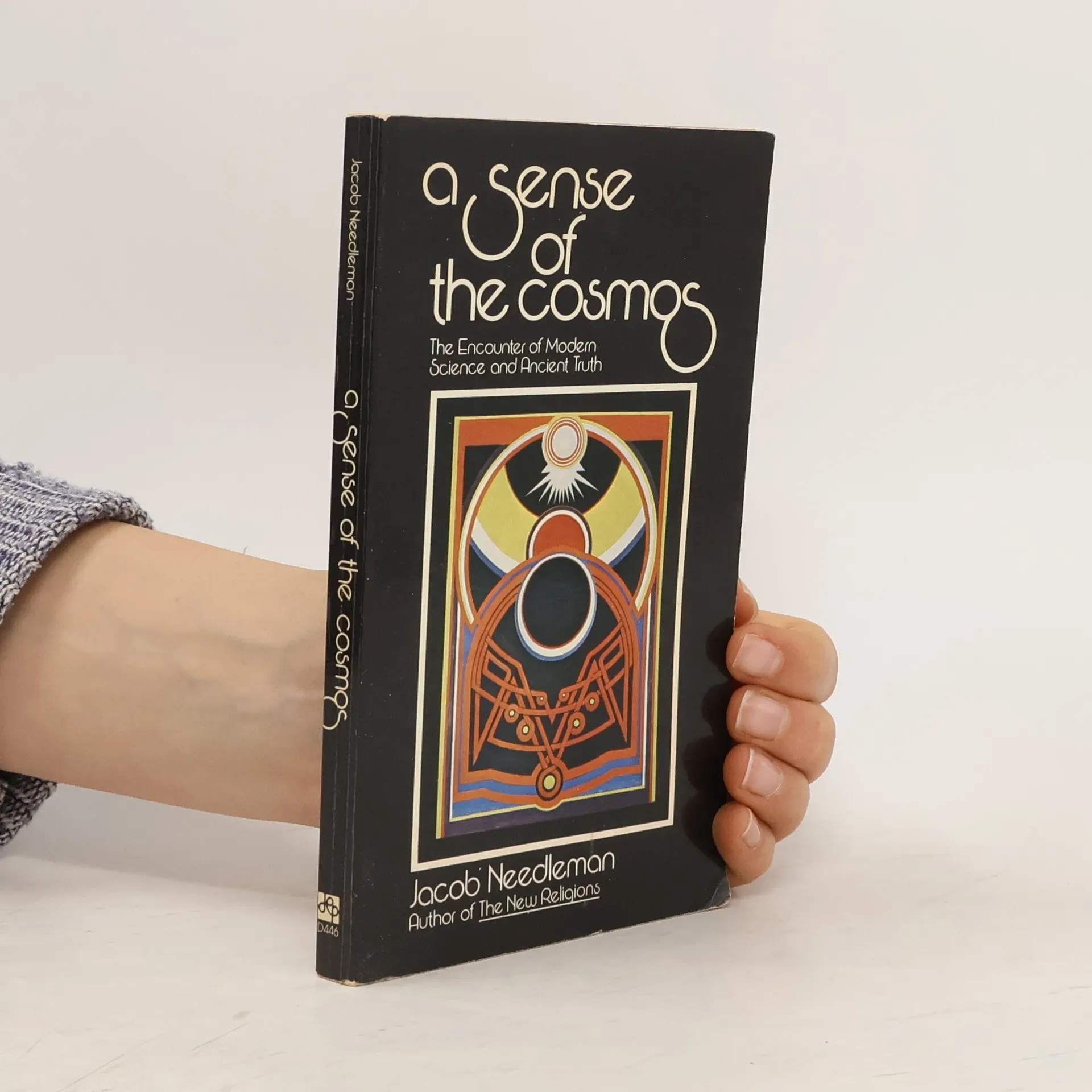
    A Sense of the Cosmos
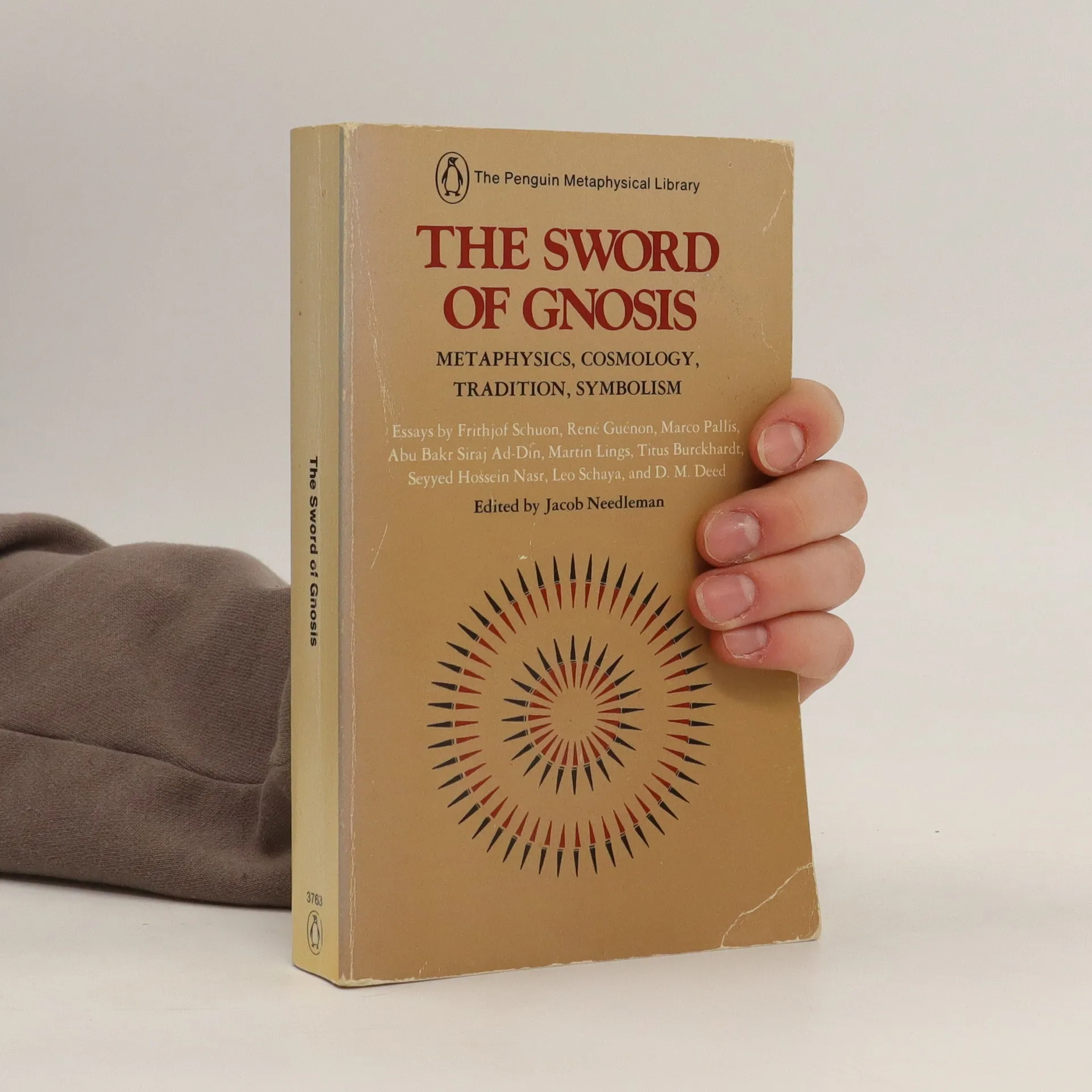
    The Sword of Gnosis: Matephysic, Cosmology, Tradition, Symbolism
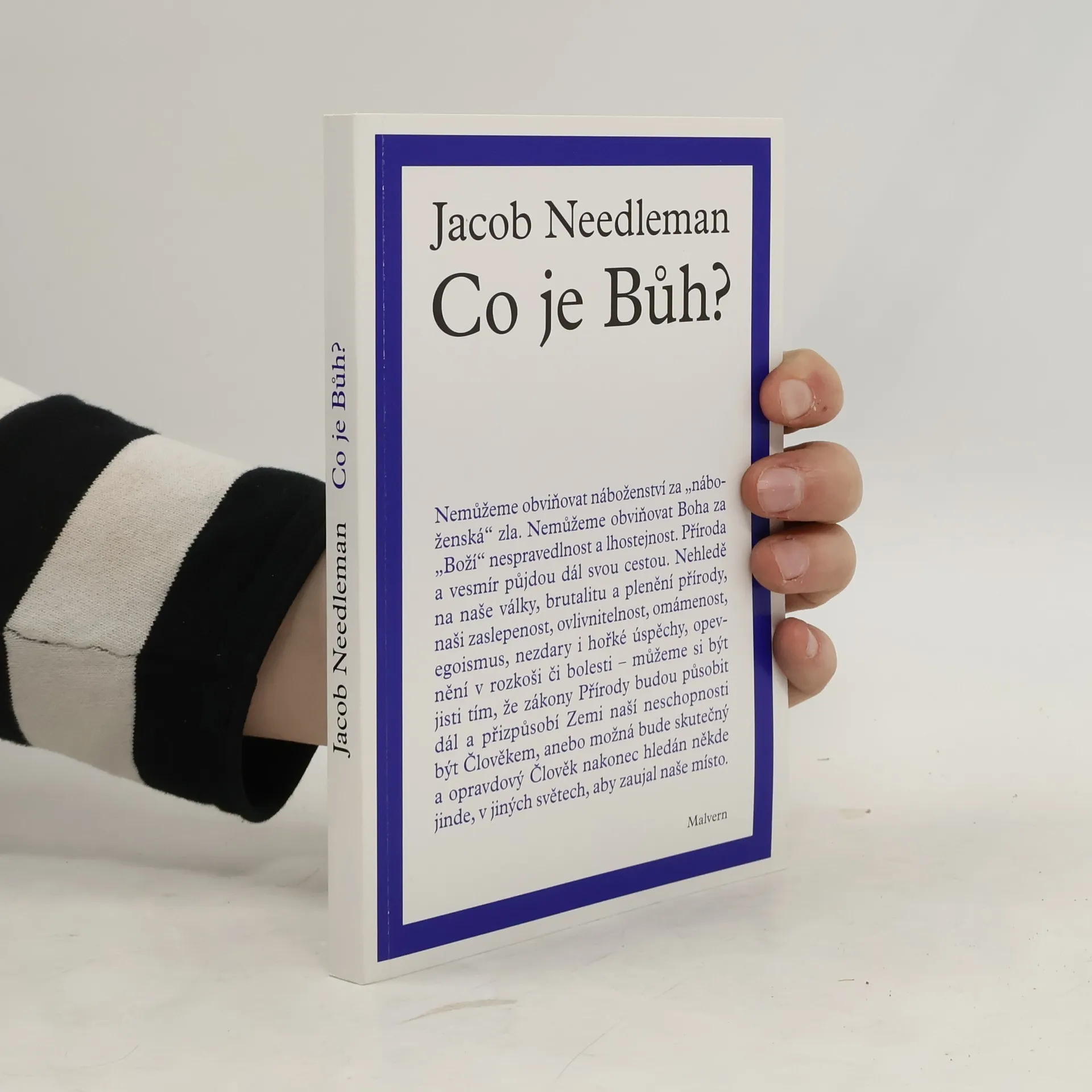
    • Co je Bůh?

      • 202 pages
      • 8 hours of reading

      Významný americký filosof a religionista Jacob Needleman ve své autobiografické knize zkoumá, jak rozumět náboženským idejím v současnosti. Vstupuje do 50. let, kdy jako mladý student na Harvardské univerzitě odmítal religiozitu. Znepokojující setkání s učitelem zen D. T. Suzukim a učením G. I. Gurdžijeva ho přimělo hlouběji prozkoumat náboženské myšlenky, které považoval za mrtvé. V tradičních náboženských textech objevil jádro myšlenek, které jsou vyzrálejší než to, co spojoval s judaismem, křesťanstvím či východními náboženstvími. Needleman si uvědomil, že myšlenky a slova nestačí, neboť nemohou zabránit nenávisti a zoufalství. Tento vhled ho vede k tomu, že pro sdílení náboženské zkušenosti je nutná změna povahy lidské zkušenosti a struktury našeho vnímání. Kniha se stává současným příspěvkem k filosofii náboženství a esejistickým „vyznáním“, které přibližuje význam potřebné změny a ukazuje, jak naše zmatení ohledně účelu náboženství a konceptu Boha odráží psychologický hlad po kvalitě myšlení a zkušenosti. Díky autorově upřímnosti a vzdělání se tato silná výpověď stává sondou do duše dnešního člověka a vodítkem k hledání odpovědi na otázku: Co je Bůh?
      Co je Bůh?2020
      4.0
    • Why Can't We Be Good?

      • 304 pages
      • 11 hours of reading

      The widely respected social philosopher embarks on his most gripping and broadly appealing work, asking the ultimate question of human nature: Why do we repeatedly violate our most deeply held values and beliefs? After nearly forty years of weighing humanity's deepest dilemmas-working in settings ranging from university and high school classrooms to corporate offices and hospitals-bestselling author, philosopher, and religious scholar Jacob Needleman presents the most urgent, deeply felt, and widely accessible work of his career. In Why Can't We Be Good? Needleman identifies the core problem that therapists and social philosophers fail to see. He depicts the individual human as a being who knows what is good, yet who remains mysteriously helpless to innerly adopt the ethical, moral, and religious ideas that are bequeathed to him.

      Why Can't We Be Good?2008
      3.9
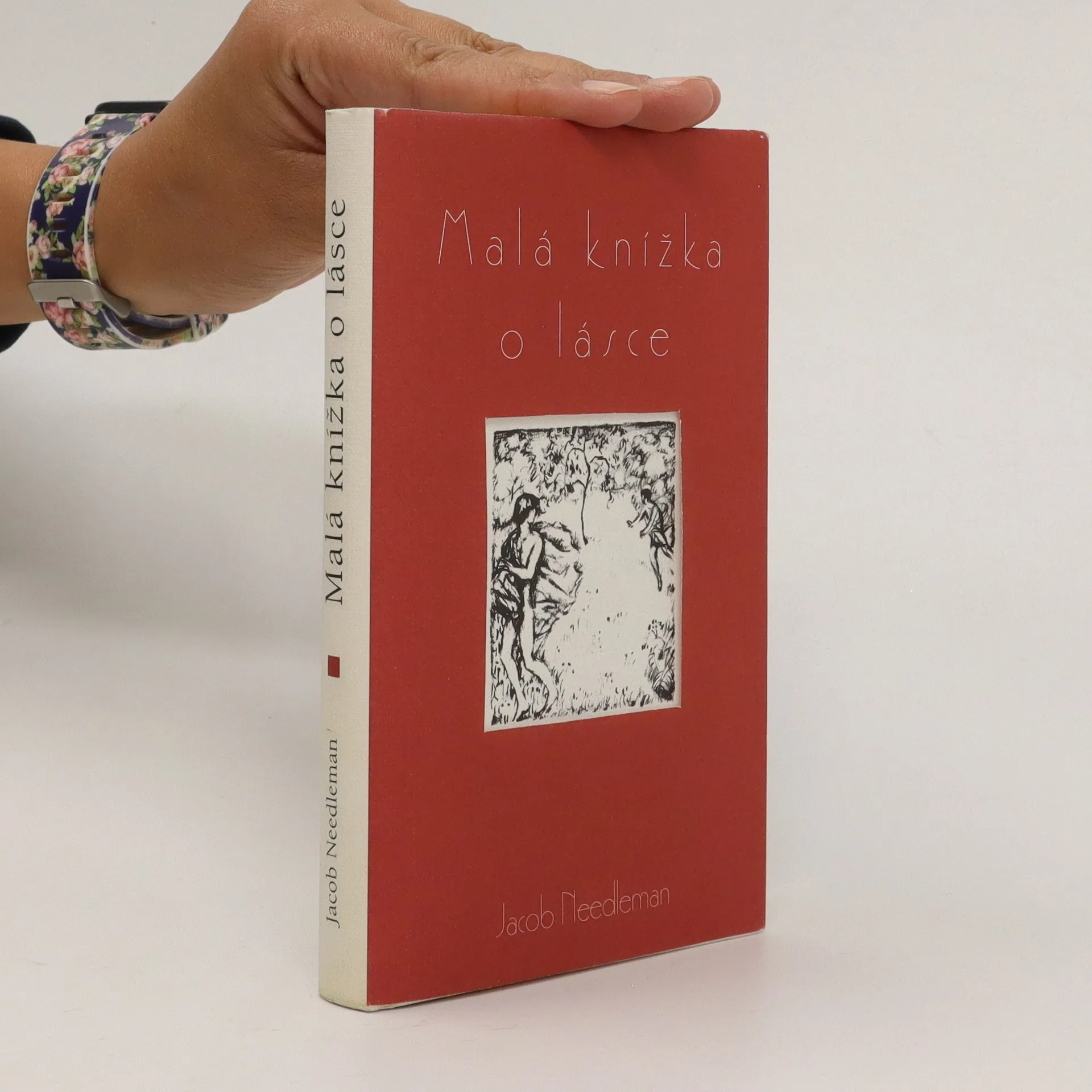
    • Malá knížka o lásce

      • 166 pages
      • 6 hours of reading

      Kdo z nás nebyl nikdy pokořen láskou, jejími radostmi a strastmi? Kolik z nás se znovu a znovu snaží uchopit to, co se láska zdá slibovat, jen abychom byli znovu vrženi zpět ke strachu, zmatku či bolesti? A kolik z nás se vzdává a smutně se smiřuje s životem mimo dramata lásky? Ať už je smysl našich životů jakýkoli, musí zahrnovat lásku. Ale jaký druh lásky? Z dostupného množství knih o lásce se jen málokterá čerpá nikoli z pouček moderní psychologie, nýbrž z významných filosofických učení světových duchovních tradic.

      Malá knížka o lásce2002
      4.0
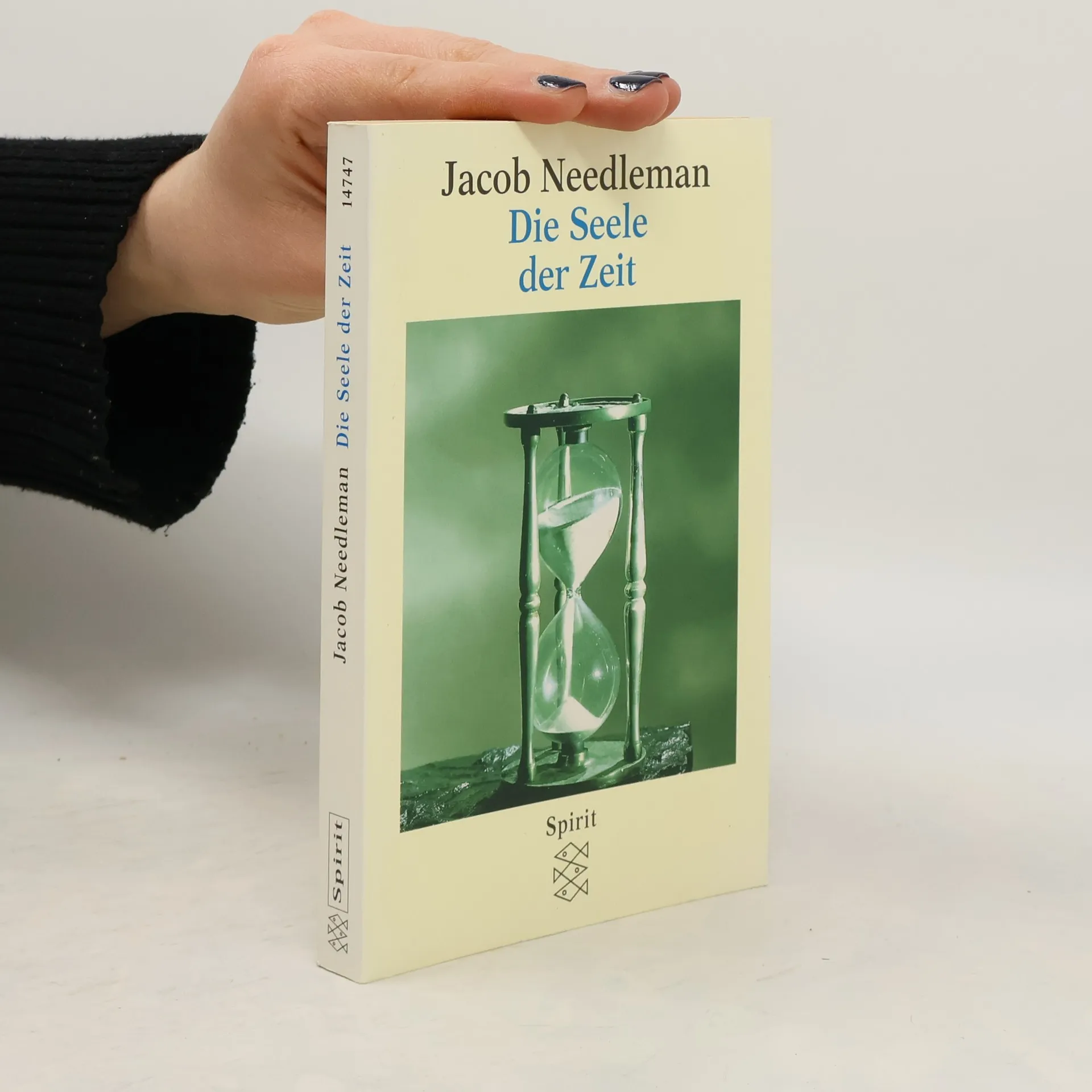
    • Die Seele der Zeit

      • 203 pages
      • 8 hours of reading

      Auf der Suche nach der eigenen Zeit - wer ist das nicht? In hektischer Betriebsamkeit, versuchen wir immer mehr Termine in immer kürzerer Zeit abzuhaken, packen wir unsere Freizeit mit den unterschiedlichsten Aktivitäten voll - ohne Sinn und Verstand und ohne jede Möglichkeit zur Besinnung. Jacob Needleman sieht im Mangel an Zeit 'die Armut unseres Wohlstands. Es ist unsere Hungersnot, die Hungersnot einer Kultur, der Dinge wichtiger sind als die Zeit, der das Außen wichtiger ist als das Innen.' Diesem Phänomen entgegenzuwirken ist sein Ziel. Dabei geht es nicht um neue noch ausgefeiltere Methoden des Zeitmanagements, sondern um die Wiederentdeckung eines Sinns in unserem Leben. Auf sympathische und nachdenklich stimmende Weise lädt er uns ein, die Seele der Zeit - unserer Zeit - wiederzuentdecken.

      Die Seele der Zeit2000
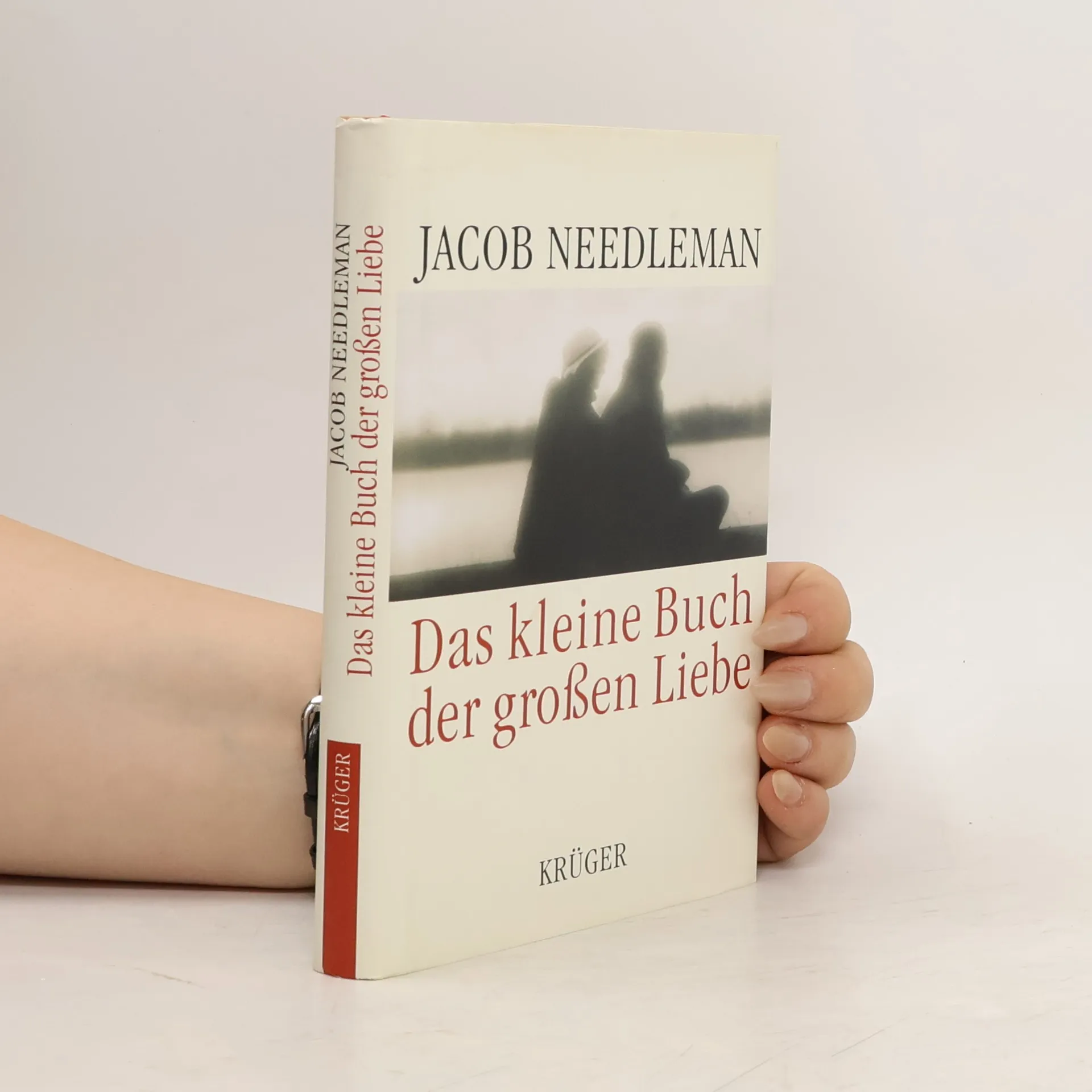
    • Das kleine Buch der großen Liebe

      • 183 pages
      • 7 hours of reading

      Natürlich glauben wir zu wissen, was Liebe ist. Doch: wissen wir es wirklich? Sehnen wir uns nicht vielmehr danach, die Liebe neu zu verstehen, zu begreifen, was es bedeutet, zusammenzuleben, an der Liebe zu arbeiten und nicht aufzugeben? Needleman fragt nach dem Potential eines Lebens in Liebe, das zwischen bloßem sexuellen Verlangen und hehren, aber meist unrealistischen Entwürfen 'heiliger' Liebe angesiedelt ist. Das kleine Buch der großen Liebe hilft uns, unsere eigene Liebesfähigkeit zu begreifen, zu entfalten und gemeinsam immer tiefere, intensivere Formen der Liebe zu erfahren. Denn: Welche Bedeutung unser Leben auch haben mag, es wäre sinnlos ohne die Liebe.

      Das kleine Buch der großen Liebe1997
      3.5
    • The Indestructible Question

      Essays on Nature, Spirit, and the Human Paradox

      • 208 pages
      • 8 hours of reading

      In essays examining our technocratic world, philosophy, religion, medicine, and other fields, the author argues that what is missing in all of them today iscultivation of a power of awareness of ourselves.

      The Indestructible Question1994
      3.0
    • Arkana: The Way of the Physician

      • 208 pages
      • 8 hours of reading

      This address to practising doctors discusses matters of medical ethics, but is especially aimed at re-establishing idealism in the face of increasing disillusionment and materialism among physicians. The main theme of the book is the question - what is it to be a healer rather than a mechanical fixer of bodies? Typically, this book transcends medicine and broaches principles which apply generally.

      Arkana: The Way of the Physician1992
      2.0