

Explore the latest books of this year!
Bookbot

Eugene Linden

    This author's writing career has been dedicated to exploring why a small subset of humanity has come to dominate the planet. Through literary analysis, they delve into the origins of this dominion, beginning with early works inspired by studies of ape communication. The focus expands to the higher mental capacities of animals, observed independently of human influence. This inquiry is further linked to a critique of consumer society, which provides the tools for exploiting nature.

    Eugene Linden
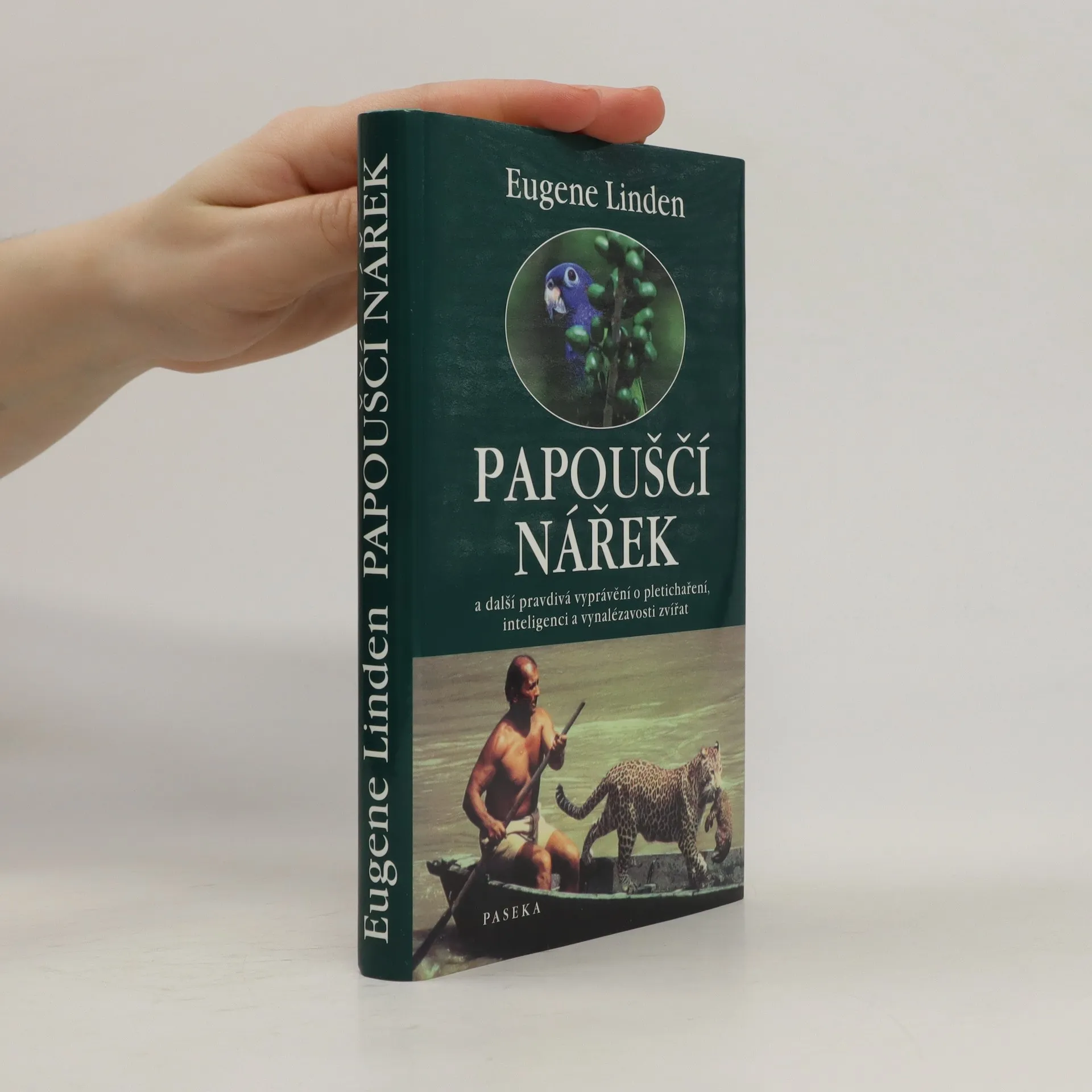
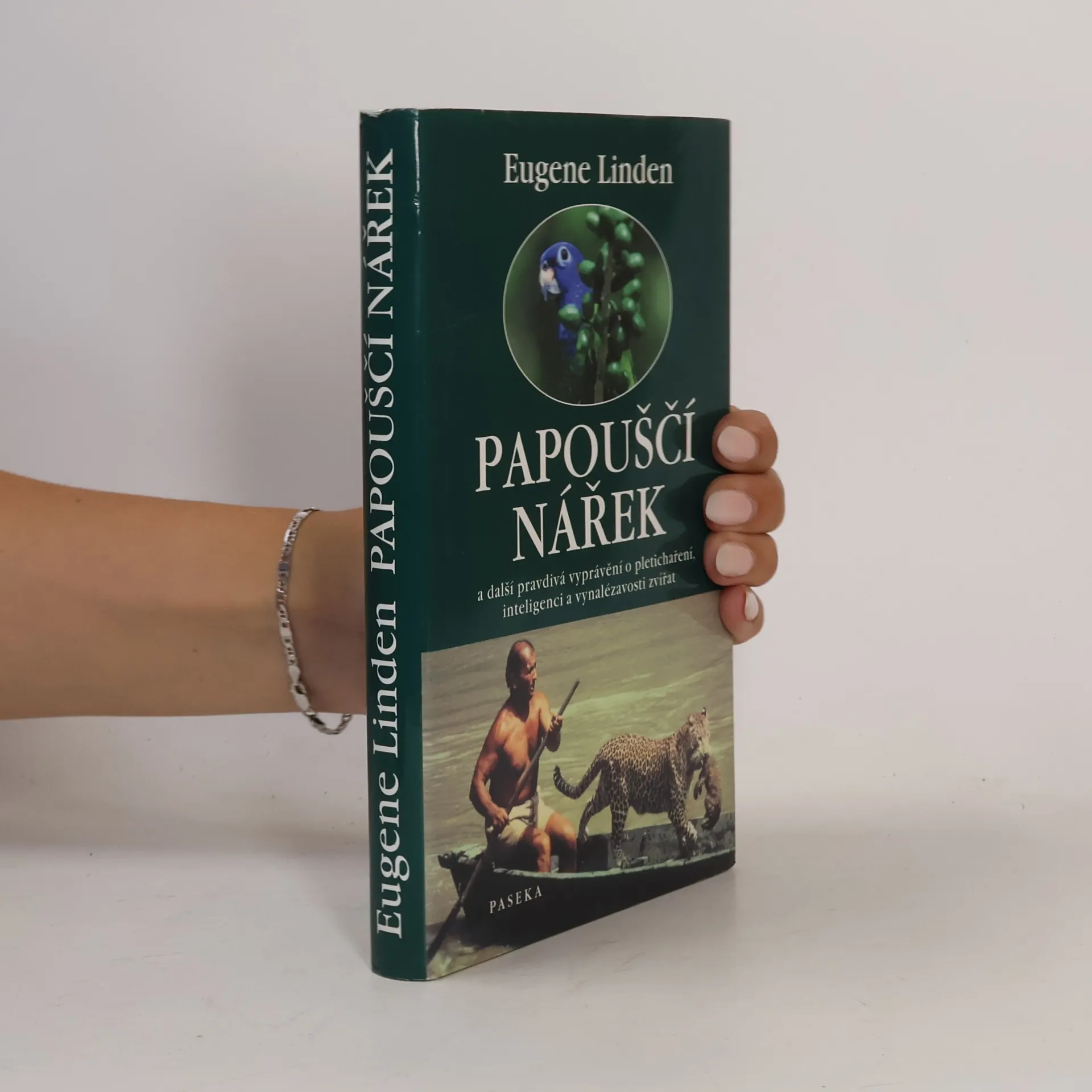
    Papouščí nářek
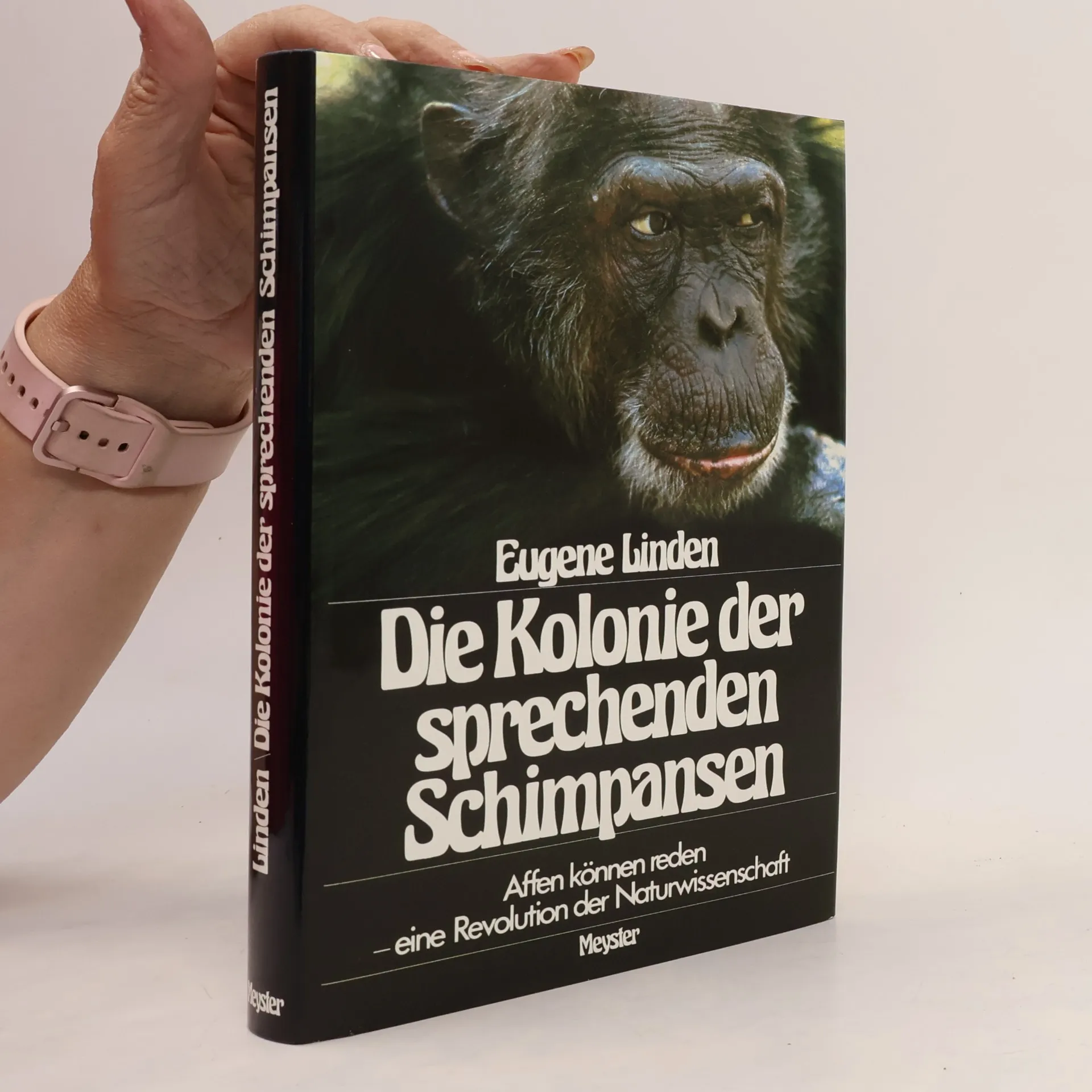
    Die Kolonie der sprechenden Schimpansen
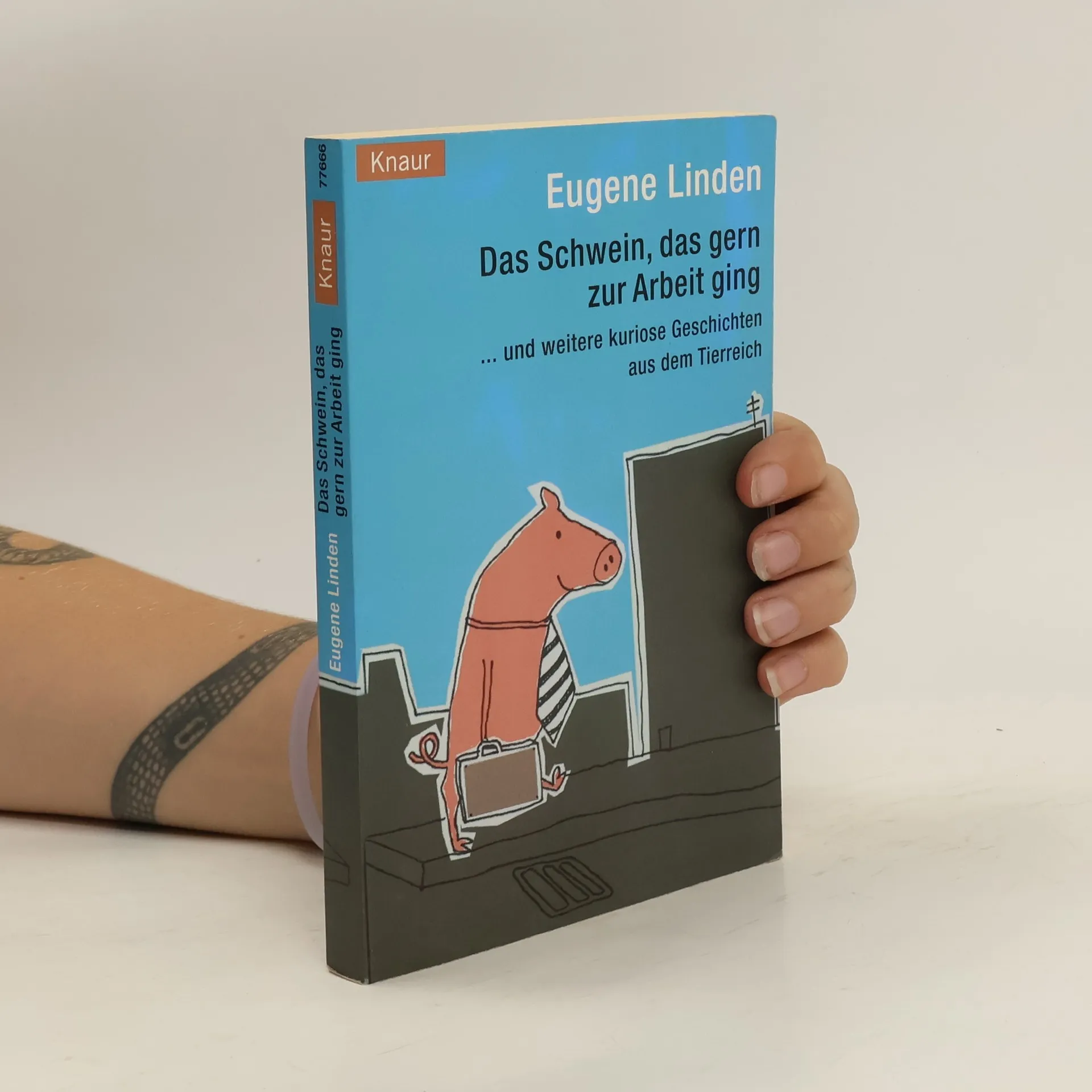
    Das Schwein, das gern zur Arbeit ging ... und weitere kuriose Geschichten aus dem Tierreich
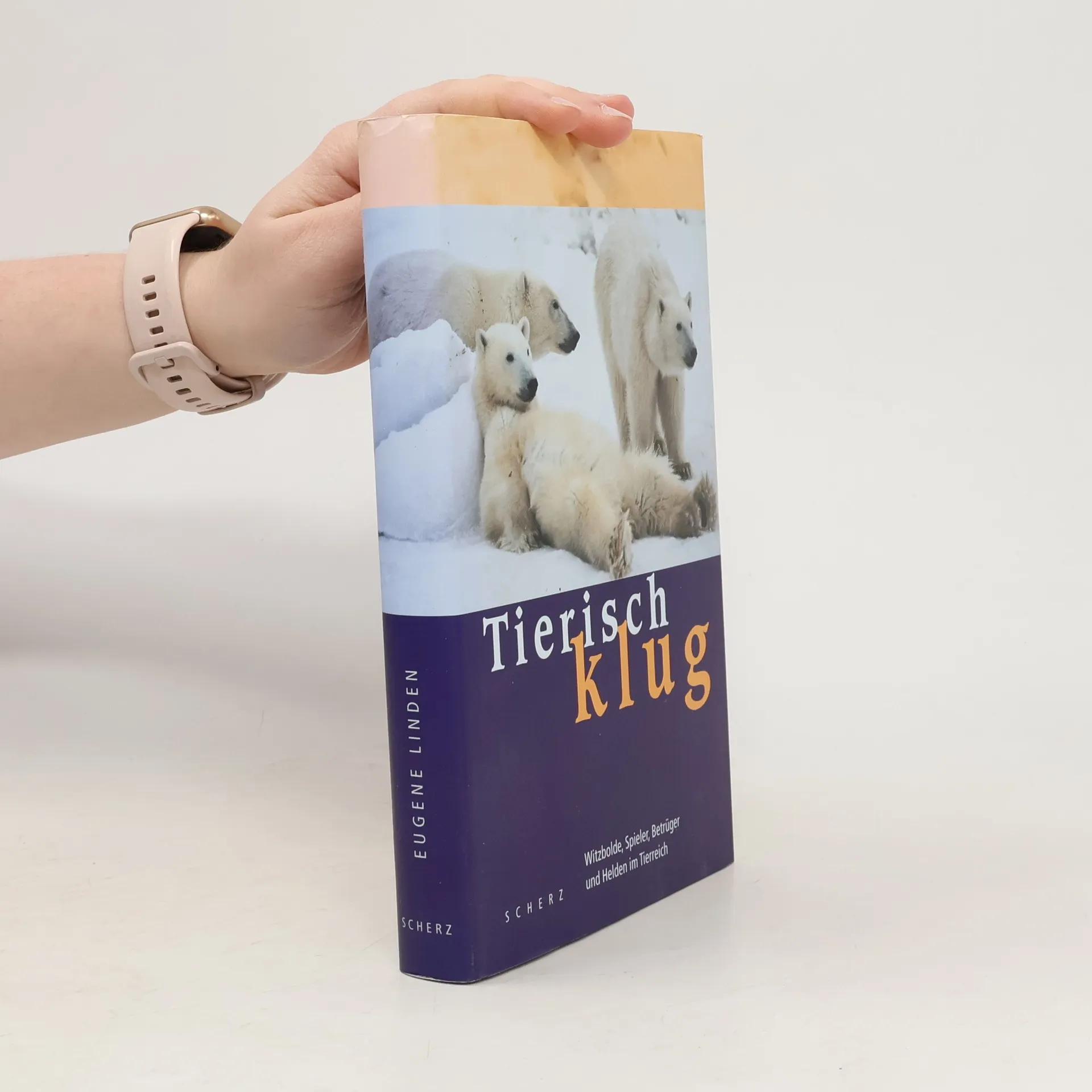
    Tierisch klug
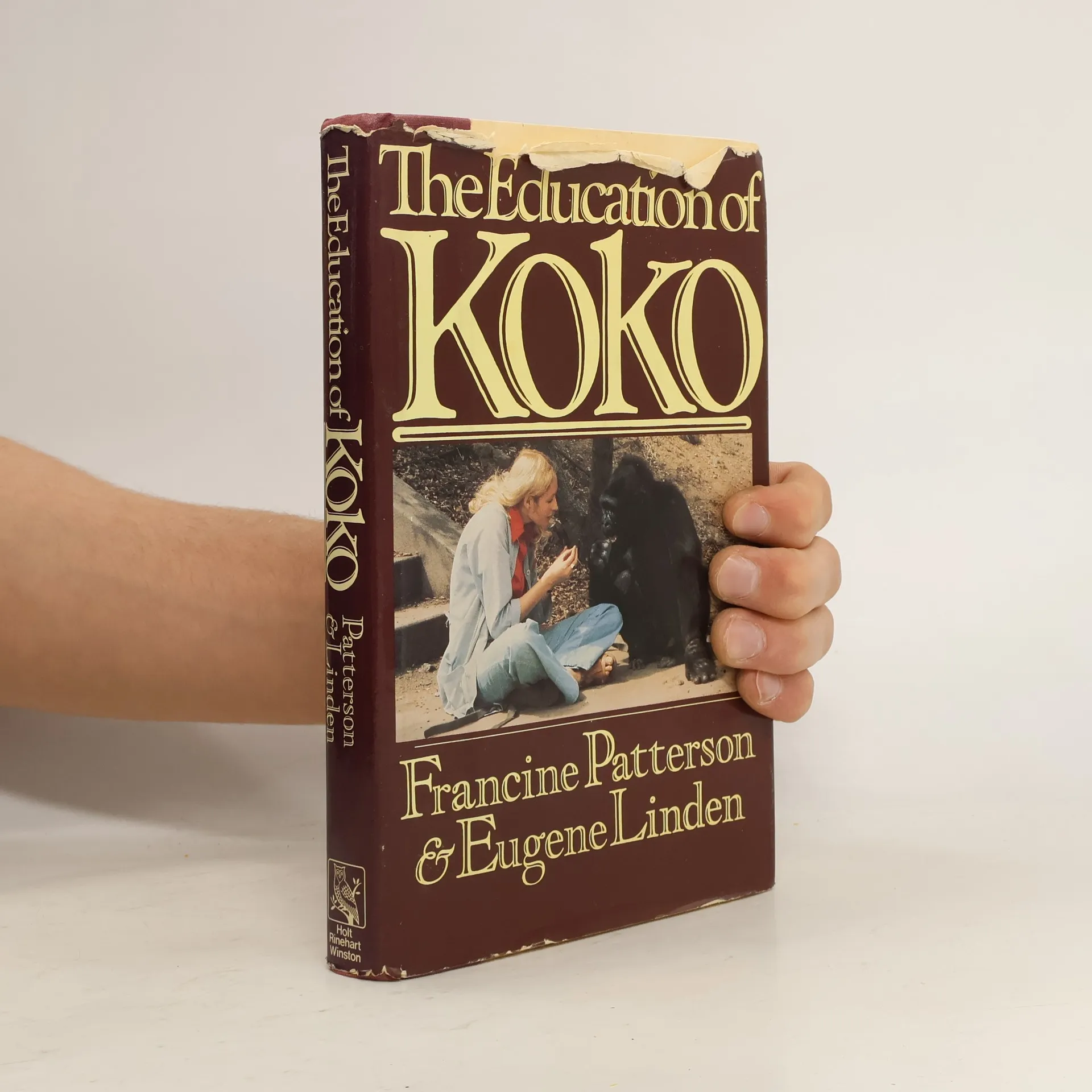
    The Education of Koko
    Fire and Flood
    • Fire and Flood

      • 336 pages
      • 12 hours of reading

      "In 1979, President Jimmy Carter was presented with the findings of scientists who had been investigating whether human activities might change the climate in harmful ways. "A wait-and-see policy may mean waiting until it is too late," their report said. They were right-but no one was listening. Four decades later, we are haunted by the consequences of this inattention, and the years of complacency, obfuscation and denialism that followed. Today, the staggering scale and scope of what we have done to the planet is impossible to ignore- the seasons of fire and flood have crossed into plain view"--Publisher's description
      Fire and Flood2022
      4.2
    • Harley ist ein vietnamesisches Hängebauchschwein und zurzeit Therapeut in einer kalifornischen Klinik. Manchmal genügt schon ein kurzes 'Oink Oink'. Trauma-Patienten hilft das. Häufig sprechen sie besser auf Tiere als auf Menschen an. Der Journalist Eugene Linden (u. a. Time, National Geographic) hat viele unterhaltsame Geschichten aus dem Tierreich gesammelt und wirft ein neues Licht auf die Intelligenz und Gefühlswelt der Tiere.

      Das Schwein, das gern zur Arbeit ging ... und weitere kuriose Geschichten aus dem Tierreich2003
    • Autor na základě řady věrohodných vyprávění a svých bohatých zkušeností analyzuje různé „nadstandardní“ typy chování zvířat. Vybírá si tak malou, ale o to zajímavější část etologie: do jaké míry jsou různá zvířata schopna vlastního přemýšlení a uvědomění si sebe sama. Všímá si rovněž těch schopností, které jsou většinou uváděny jako čistě lidské, např. smyslu pro humor, znalosti hodnoty peněz, přátelství, vděku, lásky nebo naopak vypočítavosti, pomsty, zrady či smutku. Poutavě a humorně líčené krátké příběhy ze zoologických zahrad připomínají populární knihy Geralda Durrella.

      Papouščí nářek a další pravdivá vyprávění o pletichaření, inteligenci a vynalézavosti zvířat2002
      4.5
    • Die beiden Elefanten Max und Patty im New Yorker Bronx-Zoo lieben Versteckspielen. Tagsüber versteckt der Wärter im Aussengehege Spielzeug. Abends werden die Dickhäuter mit Leckereien ins Elefantenhaus hereingelockt. Das passt Max und Patty jedoch gar nicht und sie erfinden ihr eigenes Spiel: Einer geht und holt sich sein Betthupferl, während die andere draußen wartet. Wenn er zurückkommt, geht sie rein - und so weiter zur Verzweiflung des Wärters.

      Tierisch klug2001
      3.0
    • The Education of Koko

      • 224 pages
      • 8 hours of reading

      Koko is a ten-year-old, female lowland gorilla. She is the first of her species to have acquired a human language. This is the story of Project Koko, the longest ongoing study of the language abilities of an ape yet undertaken. The project was initiated by Dr. Francine Patterson in 1972 and is still continuing today. The Education of Koko is the cooperative effort of Eugene Linden and Francine (Penny) Patterson. Eugene Linden has written extensively about the various language experiments with the great apes, and it is his feeling that Project Koko has achieved the most extraordinary results of any of the language experiments with animals. As this book will be dealing primarily with Dr. Patterson¹s research and the events that have marked Project Koko, the authors have decided to use her voice to present the details of her work. The interpretation of these details reflects the consensus of both authors.

      The Education of Koko1981