


Explore the latest books of this year!
Bookbot

Leonard Peikoff

    October 15, 1933

    Leonard S. Peikoff was a Canadian-American philosopher and author. He was a leading advocate of Objectivism and the founder of the Ayn Rand Institute. A former professor of philosophy, he was designated by Ayn Rand as the heir to her estate. His writings explored philosophical concepts and their practical implications.

    Leonard Peikoff
    Atlas shrugged
    Objectivism : the philosophy of Ayn Rand
    Philosophy: Who needs it
    We the Living
    The Journals of Ayn Rand
    Anthem
    • Anthem

      • 272 pages
      • 10 hours of reading

      Anthem is Ayn Rand’s classic tale of a dystopian future of the great “We”—a world that deprives individuals of a name or independence—that anticipates her later masterpieces, The Fountainhead and Atlas Shrugged. They existed only to serve the state. They were conceived in controlled Palaces of Mating. They died in the Home of the Useless. From cradle to grave, the crowd was one—the great WE. In all that was left of humanity there was only one man who dared to think, seek, and love. He lived in the dark ages of the future. In a loveless world, he dared to love the woman of his choice. In an age that had lost all trace of science and civilization, he had the courage to seek and find knowledge. But these were not the crimes for which he would be hunted. He was marked for death because he had committed the unpardonable sin: He had stood forth from the mindless human herd. He was a man alone. He had rediscovered the lost and holy word—I. “I worship individuals for their highest possibilities as individuals, and I loathe humanity, for its failure to live up to these possibilities.”—Ayn Rand

      Anthem
      3.8
    • The Journals of Ayn Rand

      • 754 pages
      • 27 hours of reading

      Ayn Rand's journals reveal her intimate thoughts and emotions, offering a profound insight into her life as a writer and philosopher. The entries chronicle her experiences as a young screenwriter in Hollywood, her memories of communist Russia, and her creative process behind iconic works like The Fountainhead and Atlas Shrugged. Through detailed reflections and descriptions of unfinished projects, these journals provide a unique glimpse into Rand's artistic journey and the complexities of her legacy, showcasing her vibrant personality and enduring influence.

      The Journals of Ayn Rand
      4.0
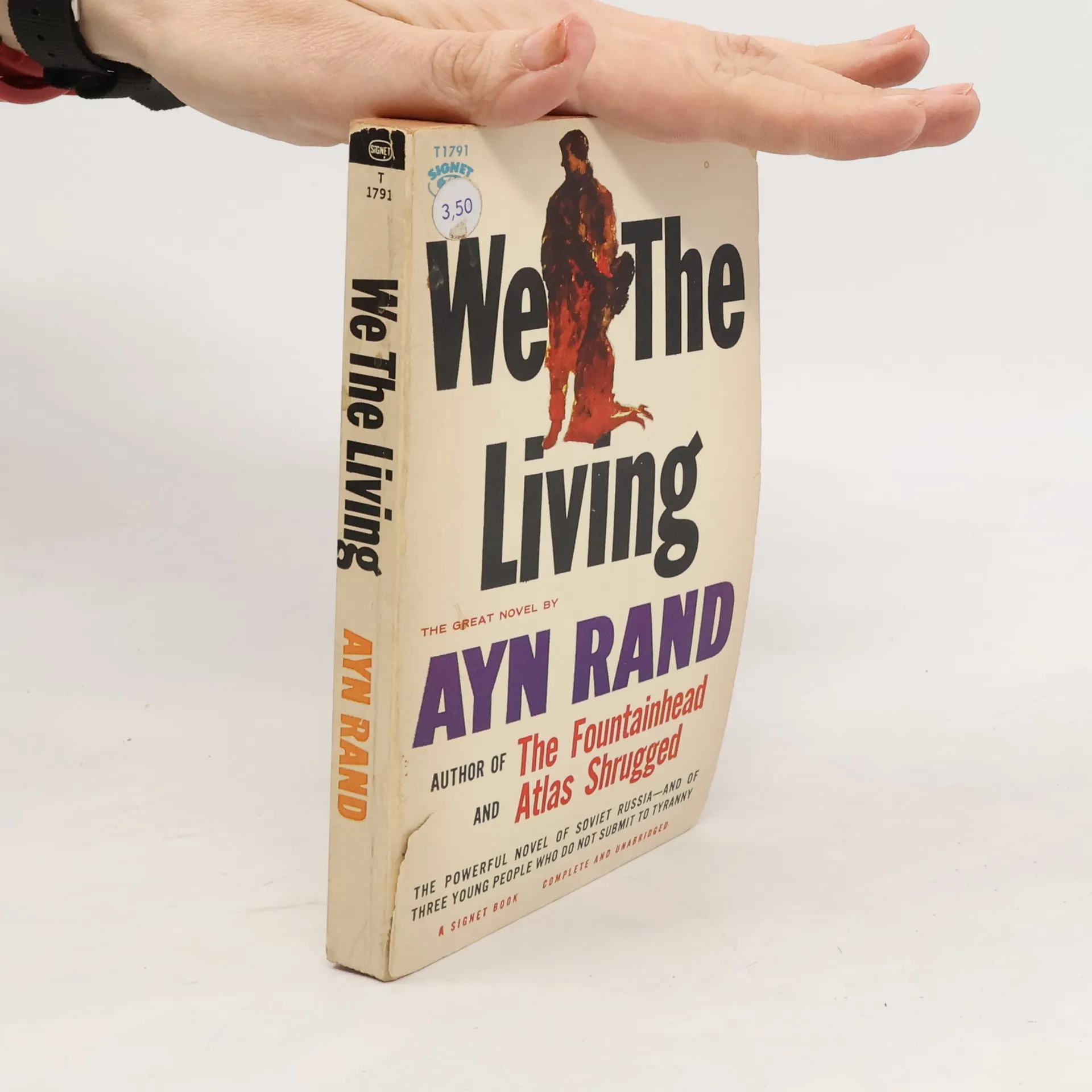
    • We the Living

      • 464 pages
      • 17 hours of reading

      Traces the impact of the Russian Revolution on three people who try to challenge the new regime

      We the Living
      4.0
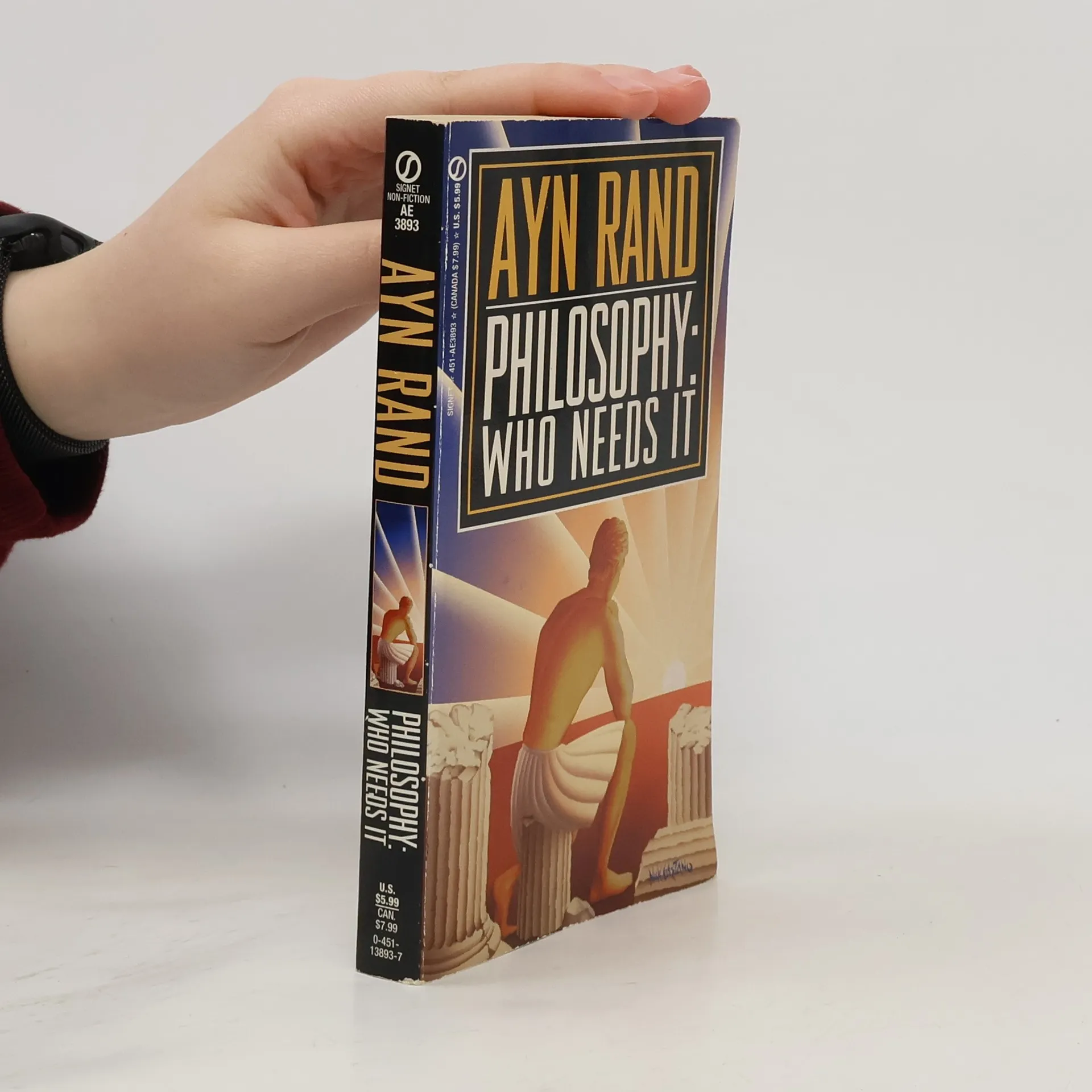
    • Philosophy: Who needs it

      • 228 pages
      • 8 hours of reading

      This collection of essays was the last work planned by Ayn Rand before her death in 1982. In it, she summarizes her view of philosophy and deals with a broad spectrum of topics. According to Ayn Rand, the choice we make is not whether to have a philosophy, but which one to have: rational, conscious, and therefore practical; or contradictory, unidentified, and ultimately lethal. Written with all the clarity and eloquence that have placed Ayn Rand’s Objectivist philosophy in the mainstream of American thought, these essays range over such basic issues as education, morality, censorship, and inflation to prove that philosophy is the fundamental force in all our lives.

      Philosophy: Who needs it
      3.9
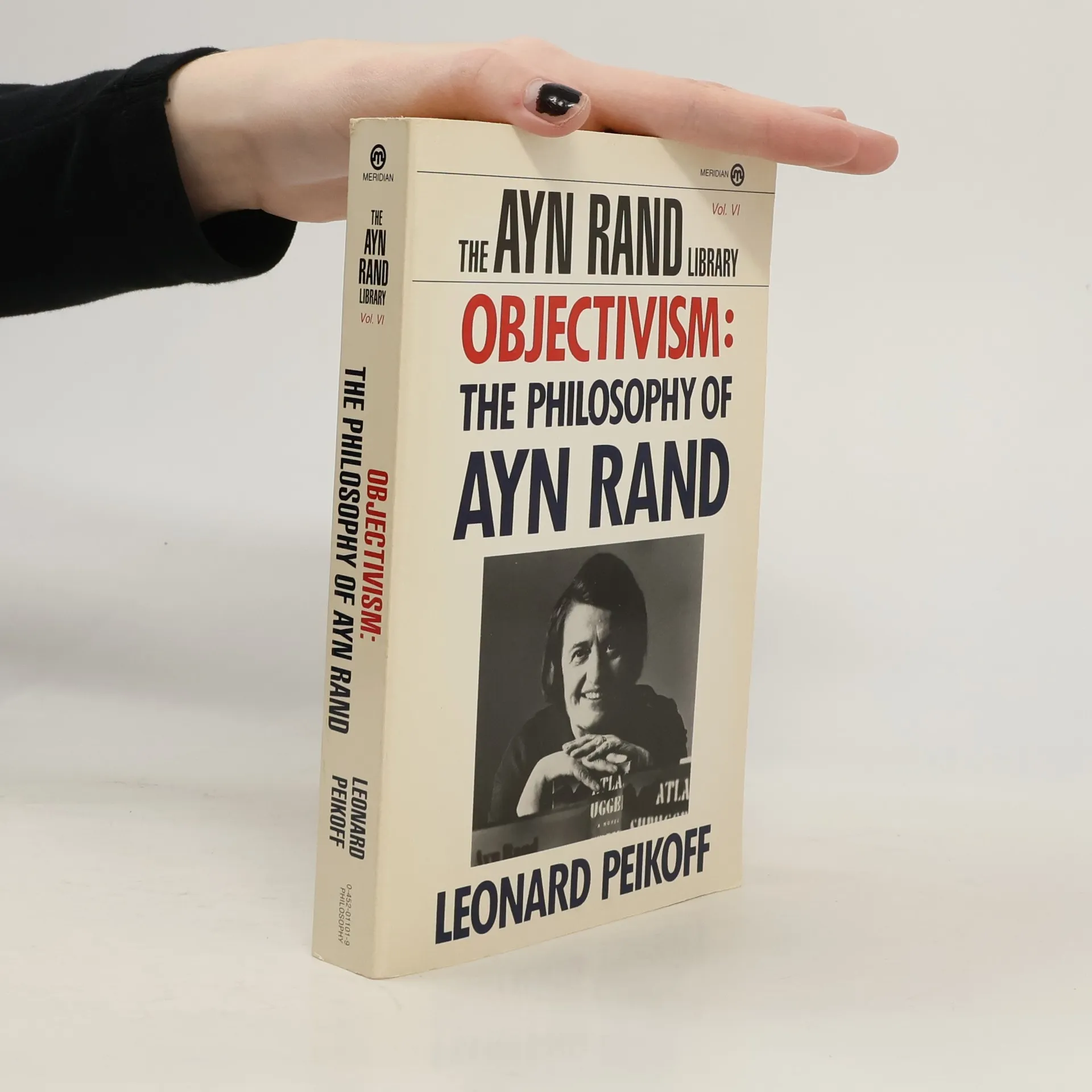
    • THE 25TH ANNIVERSARY EDITION—The definitive statement of Ayn Rand’s philosophy as interpreted by her best student and chosen heir.  This brilliantly conceived and organized book is Dr. Leonard Peikoff’s classic text on the abstract principles and practical applications of Objectivism, based on his lecture series “The Philosophy of Objectivism.” Ayn Rand said of these lectures: “Until or unless I write a comprehensive treatise on my philosophy, Dr. Peikoff’s course is the only authorized presentation of the entire theoretical structure of Objectivism—that is, the only one that I know of my knowledge to be fully accurate.”   In Objectivism, Peikoff covers every philosophic topic that Rand regarded as important—from certainty to money, from logic to art, from measurement to sex. Drawn from Rand’s published works as well as in-depth conversations between her and Peikoff, these chapters illuminate Objectivism—and its creator—with startling clarity. With Objectivism, the millions of readers who have been transformed by Atlas Shrugged and The Fountainhead will discover the full philosophical system underlying Ayn Rand’s work.

      Objectivism : the philosophy of Ayn Rand
      3.8
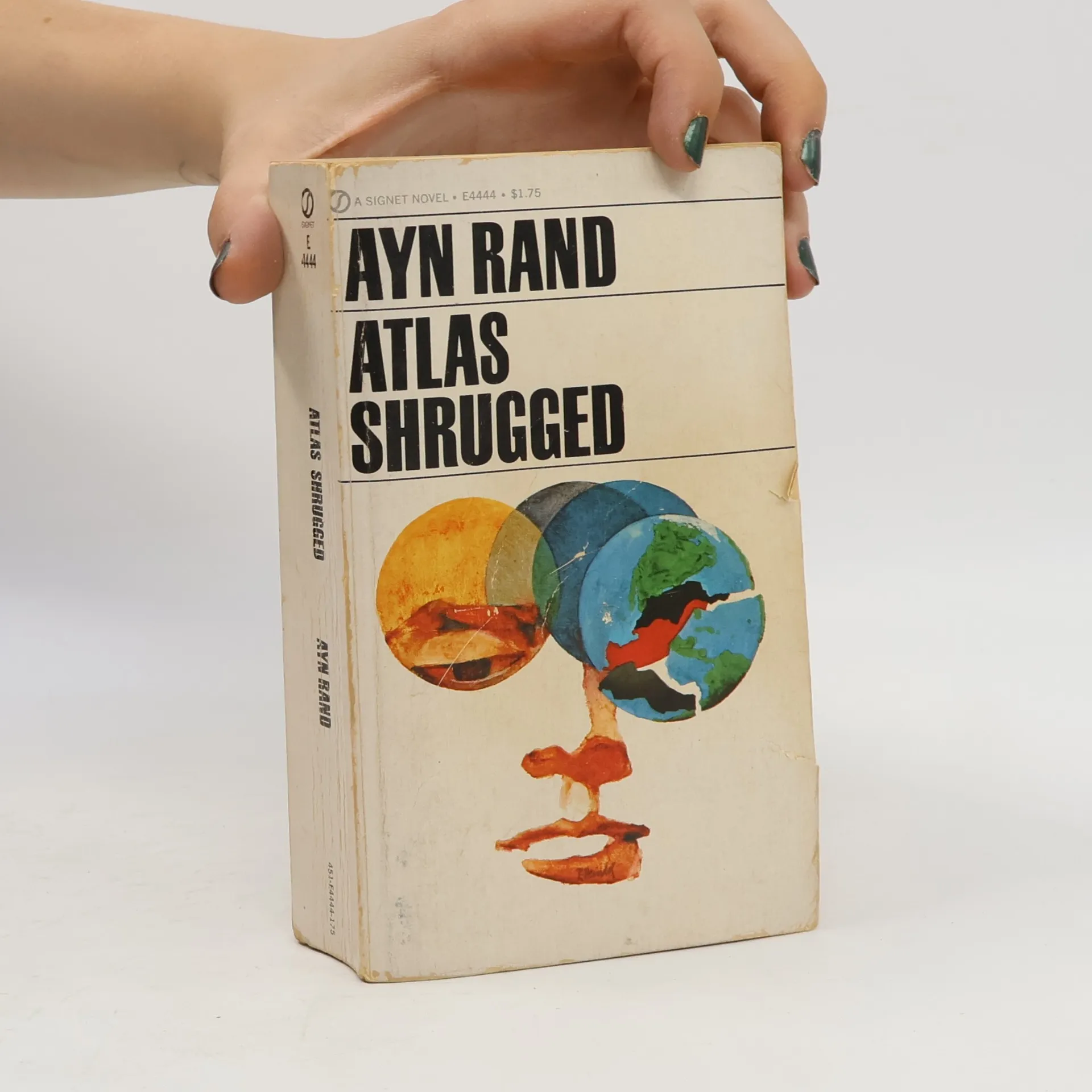
    • Atlas shrugged

      • 1200 pages
      • 42 hours of reading

      This is the story of a man who said that he would stop the motor of the world and did. Was he a destroyer or the greatest of liberators?Why did he have to fight his battle, not against his enemies, but against those who needed him most, and his hardest battle against the woman he loved? What is the world’s motor — and the motive power of every man? You will know the answer to these questions when you discover the reason behind the baffling events that play havoc with the lives of the characters in this story. Tremendous in its scope, this novel presents an astounding panorama of human life — from the productive genius who becomes a worthless playboy — to the great steel industrialist who does not know that he is working for his own destruction — to the philosopher who becomes a pirate — to the composer who gives up his career on the night of his triumph — to the woman who runs a transcontinental railroad — to the lowest track worker in her Terminal tunnels. You must be prepared, when you read this novel, to check every premise at the root of your convictions.This is a mystery story, not about the murder — and rebirth — of man’s spirit. It is a philosophical revolution, told in the form of an action thriller of violent events, a ruthlessly brilliant plot structure and an irresistible suspense. Do you say this is impossible? Well, that is the first of your premises to check.

      Atlas shrugged
      3.7
    • Die unheimlichen Parallelen

      Das Ende der Freiheit in Amerika

      • 397 pages
      • 14 hours of reading

      Selbstopferung, orientalischer Mystizismus, Rassismus, „das Allgemeinwohl“ und Pflichterfüllung sind einige der verführerischen Schlagworte, die Dr. Peikoff auseinander-nimmt. Er fördert die dahinterstehende Philosophie und die Gesinnung dahinter zutage, die Deutschland in den Abgrund des Nationalsozialismus stürzte und die nun auch die Vereinigten Staaten bedroht. „Wenn Sie dem philosophischen Bankrott von heute nicht zum Opfer fallen wollen, dann empfehle ich Ihnen „Die Unheimlichen Parallelen“ als Schild und als Munition. Es wird Sie davor bewahren, unbewusst die Ideen zu unter-stützen, die Sie und die gesamte Welt zerstören… Die viel-leicht beste Empfehlung, die ich diesem Buch und dem Au-tor Leonard Peikoff geben kann, lautet, dass beide nicht Teil des heutigen kulturellen Mainstreams sind. Sie wer-den Teil des Main-streams von morgen sein… Wenn Sie meine Bücher mögen, werden Sie auch dieses mögen.“ - Ayn Rand

      Die unheimlichen Parallelen