Before the Renaissance and Reformation, holy images were treated not as "art" but as objects of veneration which possessed the tangible presence of the Holy. In this magisterial book, Hans Belting traces the long history of the sacral image and its changing role in European culture. Likeness and Presence looks at the beliefs, superstitions, hopes, and fears that come into play as people handle and respond to sacred images, and presents a compelling interpretation of the place of the image in Western history. "A rarity within its genre—an art-historical analysis of iconography which is itself iconoclastic. . . . One of the most intellectually exciting and historically grounded interpretations of Christian iconography." —Graham Howes, Times Literary Supplement "Likeness and Presence offers the best source to survey the facts of what European Christians put in their churches. . . . An impressively detailed contextual analysis of medieval objects." —Robin Cormack, New York Times Book Review "I cannot begin to describe the richness or the imaginative grandeur of Hans Belting's book. . . . It is a work that anyone interested in art, or in the history of thought about art, should regard as urgent reading. It is a tremendous achievement."—Arthur C. Danto, New Republic
Hans Belting Books
Hans Belting is a German art historian and theorist whose work spans medieval, Renaissance, and contemporary art. He is renowned for his contributions to image theory, exploring the complex relationship between art, culture, and perception. Belting's scholarship delves into the theoretical underpinnings of visual representation and its impact on our understanding of the world.


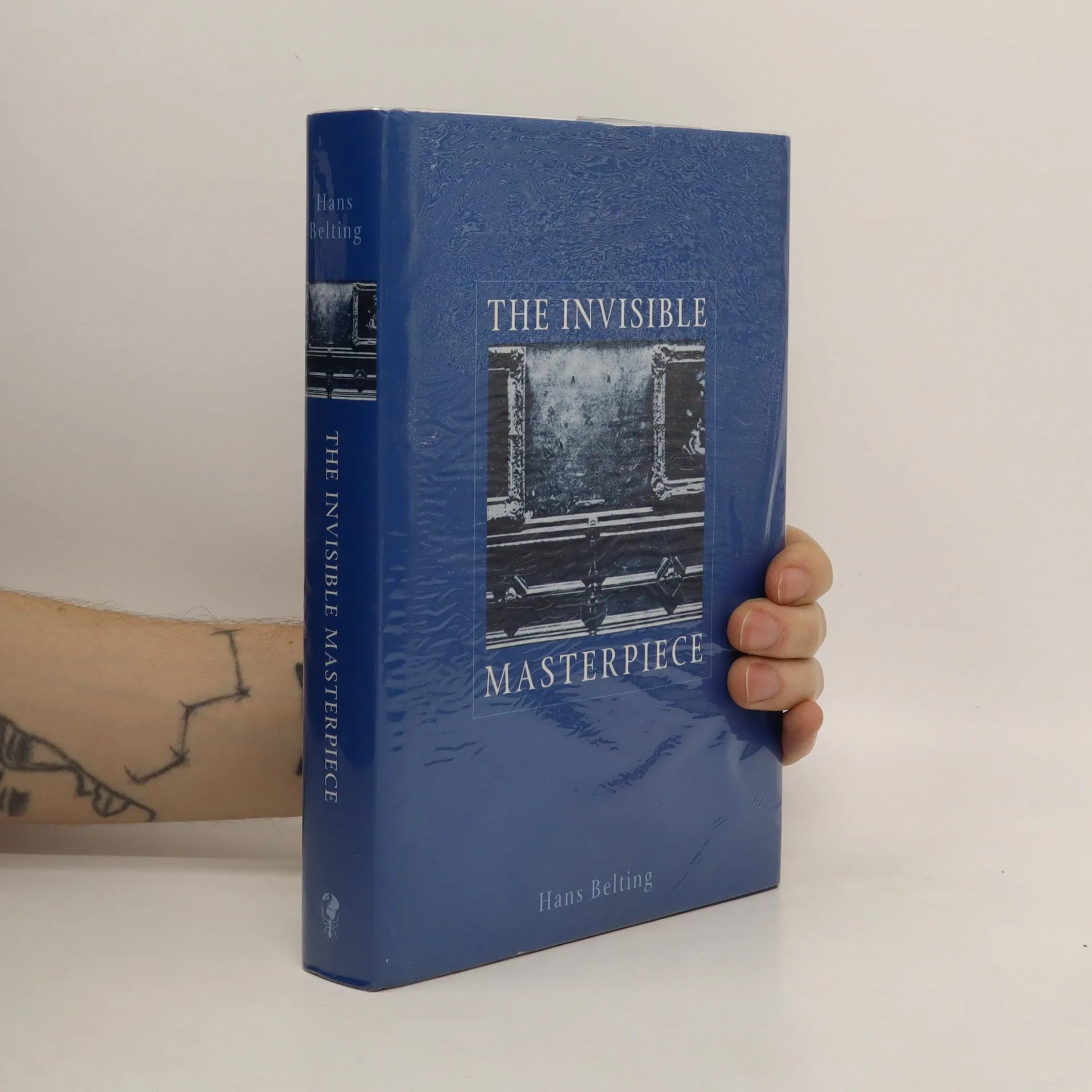
The invisible masterpiece
- 384 pages
- 14 hours of reading
"The Invisible Masterpiece is a history of the modern work of art, from its emergence c.1800 through to the 1960s. Before 1800, art-works were either imitative (portraits, landscapes) or narrative (history painting), but under the impact of Romantic modernity the physical object - a painted canvas, say, or a sculpture - was reinterpreted in a novel way. Now the work of art was visible testimony to the artist's attempt to achieve the impossible - absolute or ultimate art. The 'invisible masterpiece', then, is an unattainable ideal, an ideal that has both bewitched and bewildered artists." "The Invisible Masterpiece is an unusual reconstruction of the history of the work of art since 1800, in which Hans Belting explores and explains the dreams and fears, the triumphs and failures of modernity's painters and sculptors."--Jacket
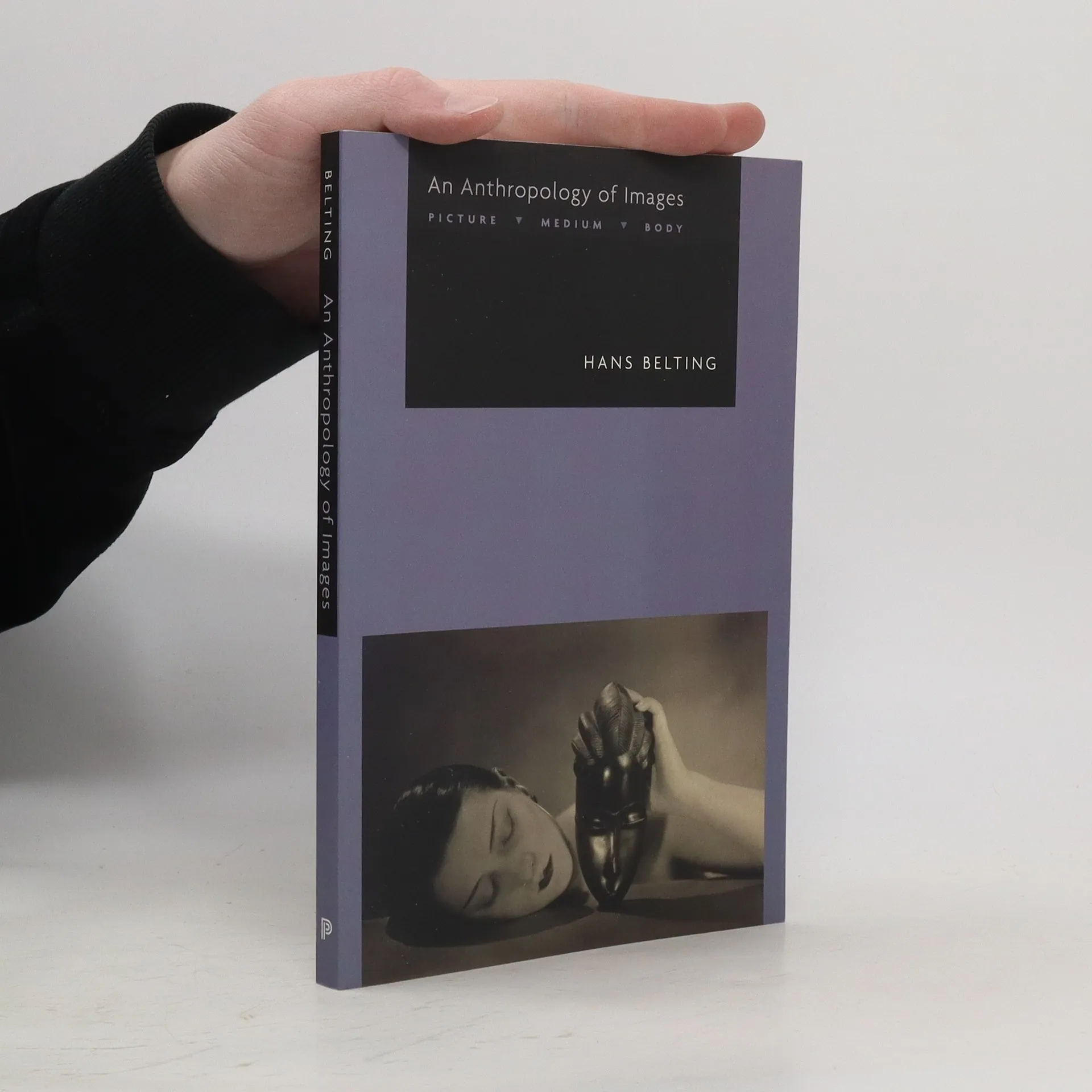
An Anthropology of Images
- 216 pages
- 8 hours of reading
"In this groundbreaking book, renowned art historian Hans Belting proposes a new anthropological theory for interpreting human picture making. Rather than focus exclusively on pictures as they are embodied in various media such as painting, sculpture, or photography, he links pictures to our mental images and therefore, our bodies.: -- Back cover
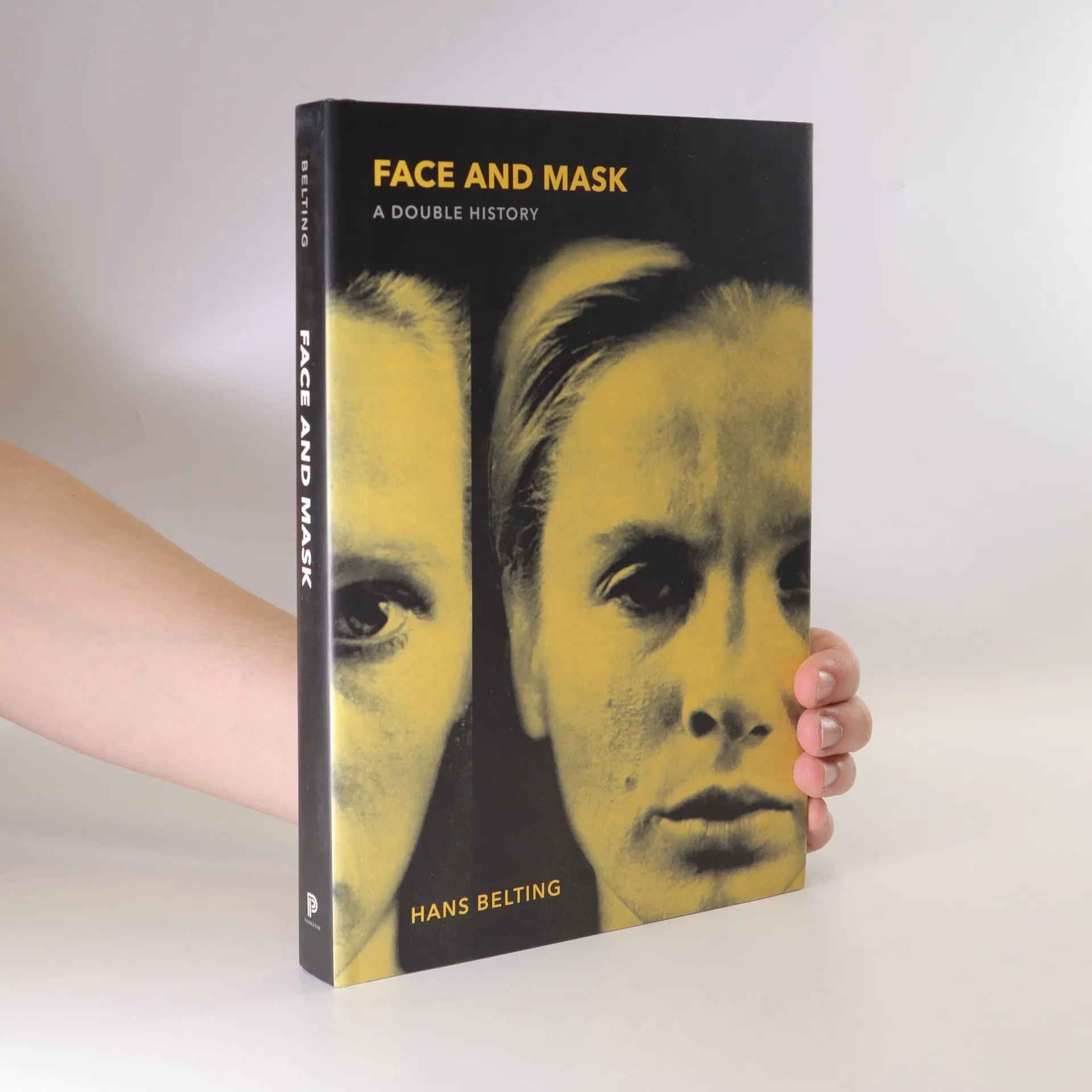
Face and Mask
- 270 pages
- 10 hours of reading
Face and Mask: Changing Views -- Portrait and Mask: the Face as Representation -- Media and Masks: the Production of Faces
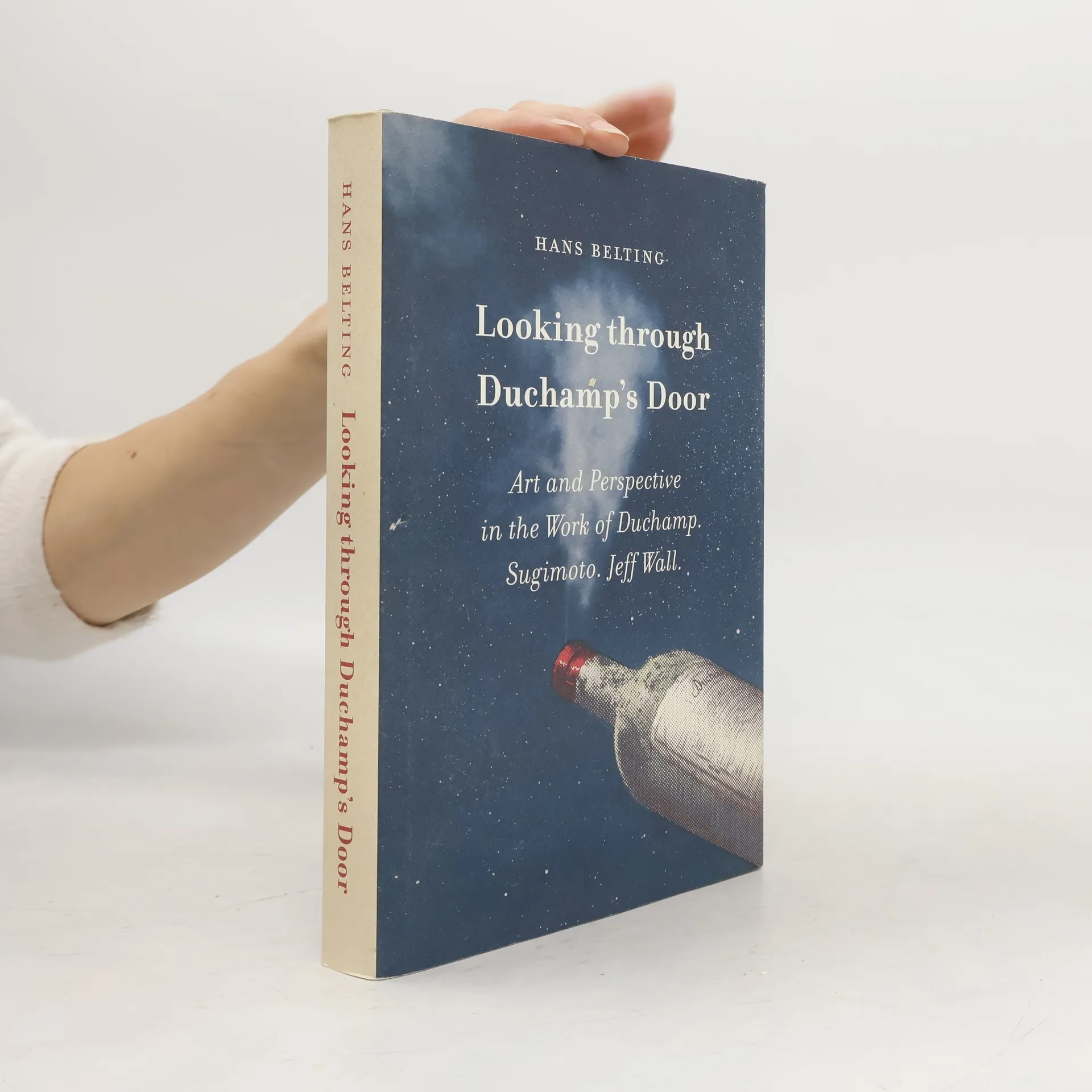
Looking through Duchamp's door
- 192 pages
- 7 hours of reading
In this new book by Hans Belting, three monographic essays are united by one common problematic—the need for perspective after the end of perspective in modern art. Hans Belting not only opens up new ways of looking at the works of Marcel Duchamp, Hiroshi Sugimoto and Jeff Wall, but also deals with the concept of perspective in their work. The door that Marcel Duchamp installed in Philadelphia is a metaphor for a brilliant strategy that redirects the worn out view of perspective back to ones self. Hiroshi Sugimoto and Jeff Wall, two protagonists of photography in contemporary art, both looked through this door as they became artists and have both referenced Duchamp time and again. Belting’s analysis and surprising discoveries also open up a new way of looking at Duchamp—a lifelong experiment, in which art, in the name of perspective, is freely negotiated with the viewer. It was a bout of seasickness on a trip to Buenos Aires that gave Duchamp the impulse for his highly original reflection on horizon, perspective and gravity. Hans Belting’s very knowledgeable and coherent reasoning makes for a highly captivating book, embellished with 79 illustrations to help lead the reader through the pictorial art of perspective.
Max Beckmann
- 135 pages
- 5 hours of reading
Florence and Baghdad
- 303 pages
- 11 hours of reading
In this lavishly illustrated study, Belting deals with the double history of perspective, as a visual theory based on geometrical abstraction (in the Middle East) and as pictorial theory (in Europe). Florence and Baghdad addresses a provocative question that reaches beyond the realm of aesthetics and mathematics: What happens when Muslims and Christians look upon each other and find their way of viewing the world transformed as a result?
Art History after Modernism
- 248 pages
- 9 hours of reading
In this title, Belting examines how art is made, viewed, and interpreted today. Arguing that contemporary art has burst out of the frame that art history had built for it, Belting calls for an entirely new approach to thinking and writing about art. schovat popis
An interpretation of "The Garden of Earthly Delights", the luminous triptych by the Dutch painter Hieronymus Bosch, which places Bosch's vision squarely in the context of his times.
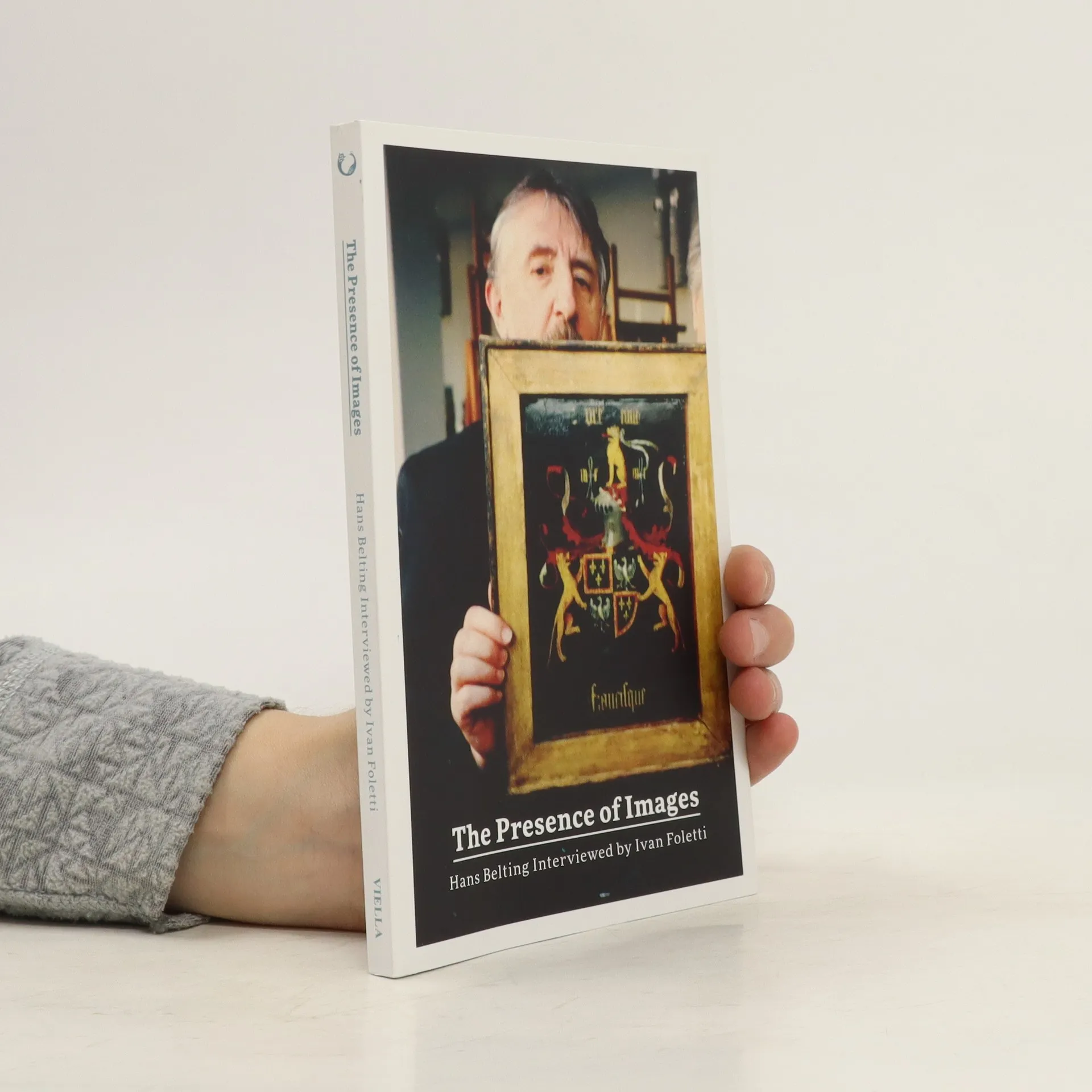
Přítomnost obrazů. Rozhovor Ivana Folettiho s Hansem Beltingem Obsah této knihy, která představuje dlouhodobý neformální rozhovor, zahrnuje období od jara 2017 do začátku ledna 2023. Byl to rozhovor mezi přáteli, protahovaný telefonáty a návštěvami doma, ale s onou jiskrou elektrizujícího vzrušení živeného společnými zájmy a touhami. Hans Belting, jeden z největších historiků umění vůbec, zde vypráví svou intelektuální parabolu. Při putování z poválečného Německa do Spojených států na konci padesátých let, do Evropy druhé poloviny dvacátého století a na začátek nového tisíciletí čtenáři pomalu odhalí společné nitky jeho životního příběhu: mihotavou funkci obrazů mezi tělem a objektem, otevřenost ke spolupráci a interdisciplinaritě a samozřejmě fascinaci dějinami obrazů od středověku až po současnost.
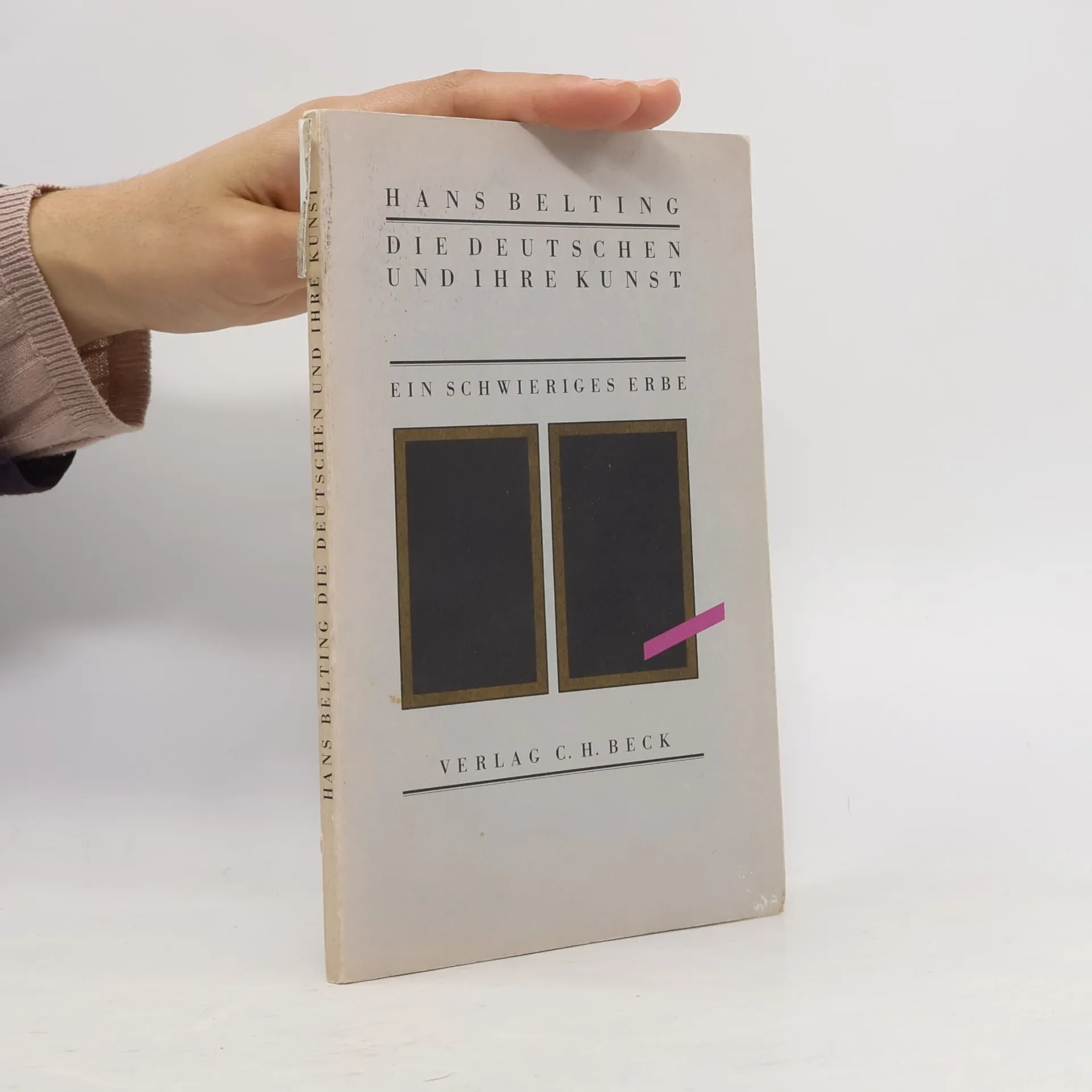
Identität im Zweifel. Ansichten der deutschen Kunst.
- 200 pages
- 7 hours of reading
Max Beckmann, the landscapes
- 233 pages
- 9 hours of reading
Max Beckmann is one of the titans of modernism, although he considered himself the last Old Master. This publication examines the artist's landscape paintings, which are less characterized by allegorical layers of meaning than his works in other genres. Their splendid painterly qualities are immediately perceptible. The starting point for these landscapes was a potent experience of nature. Frequently, personal objects appear in the foreground like remnants of still lifes, making the viewer aware of the artist's presence. But the paintings are also realistic representations of places the artist visited, and Beckmann referred to photographs or postcards of these sites as part of his creative process. Further inspirations came from art itself: flashes of Beckmann's immense knowledge of art history can be seen in his citations of other works. Thus, his landscapes can be regarded as a kind of summary of his understanding of the world.
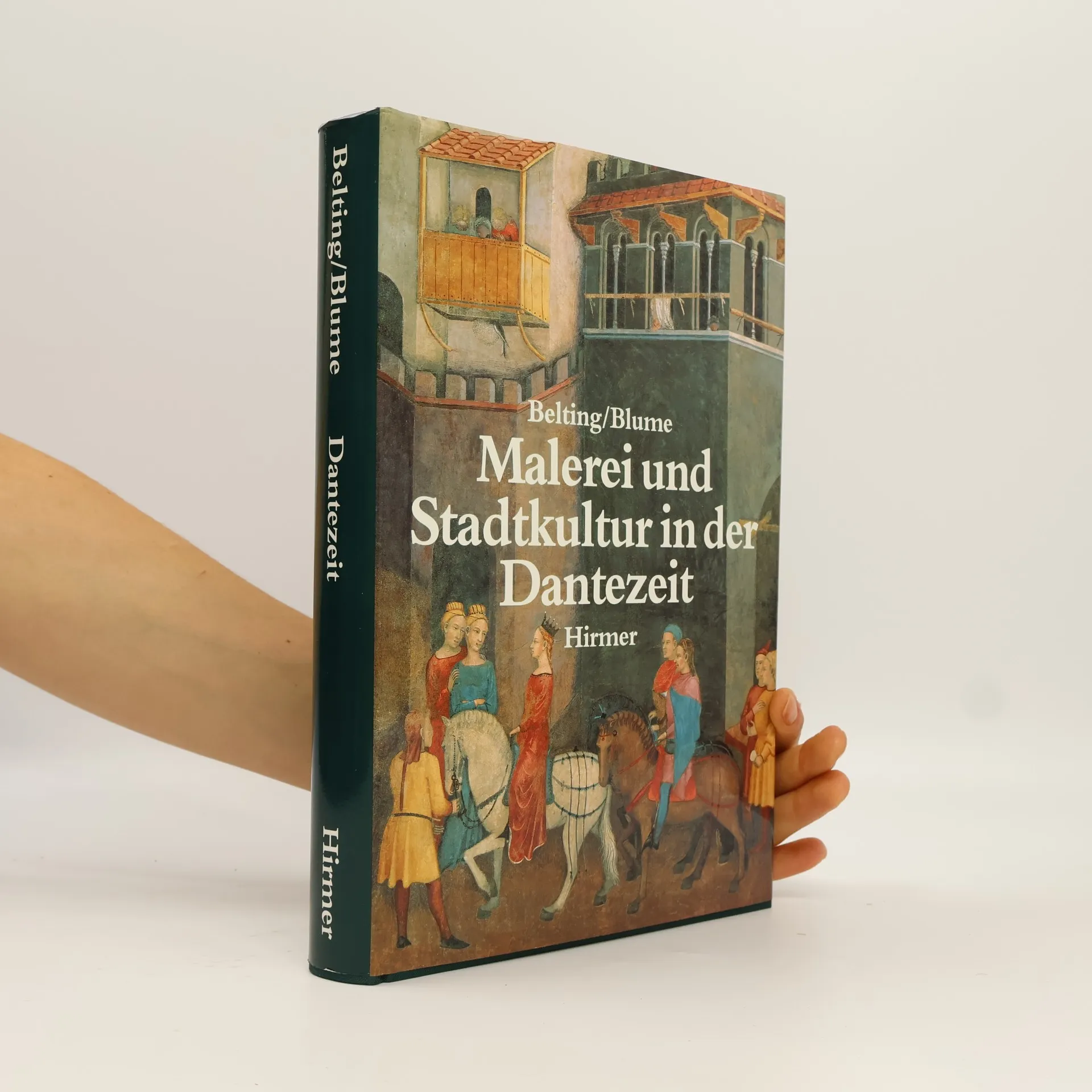
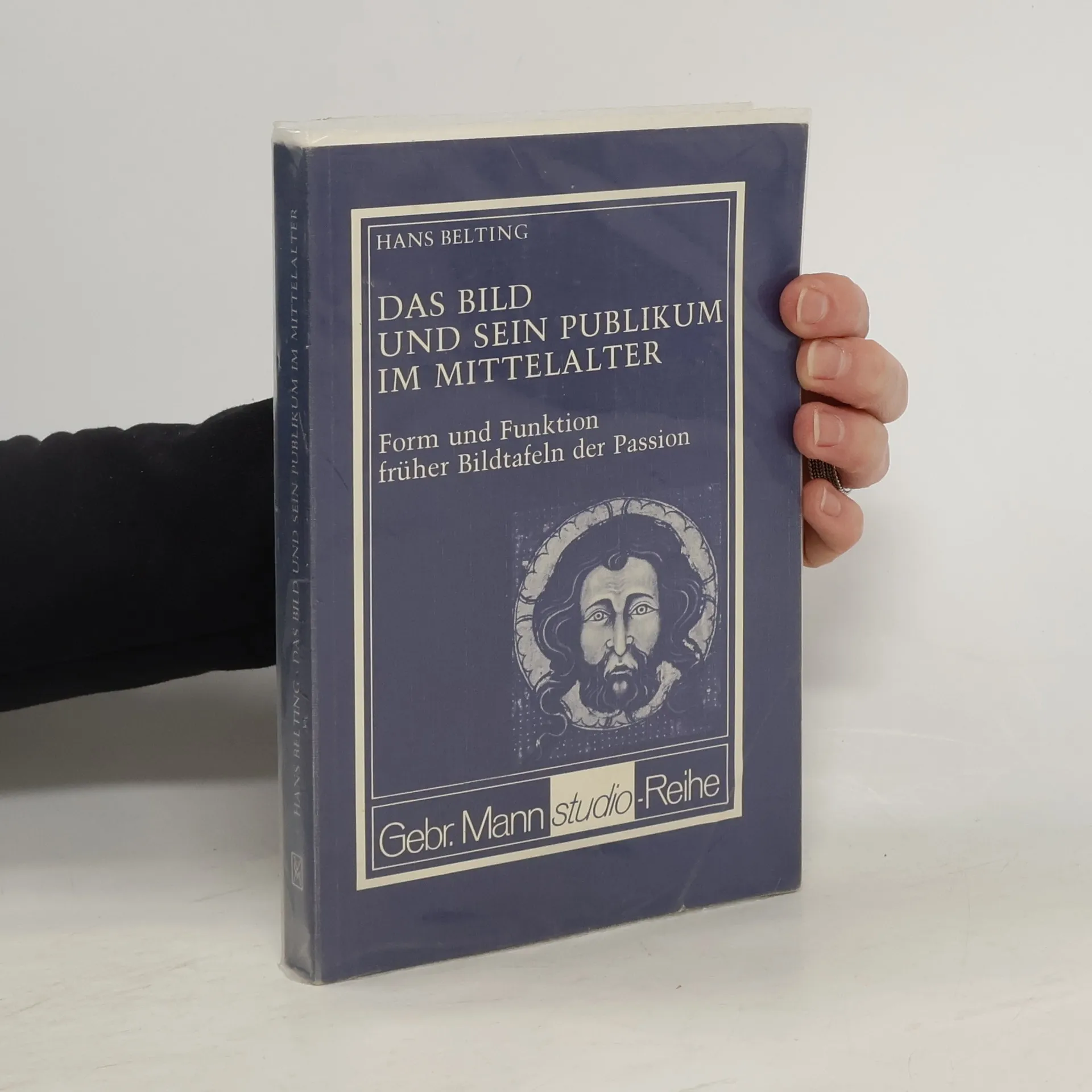
Malerei und Stadtkultur in der Dantezeit
- 221 pages
- 8 hours of reading
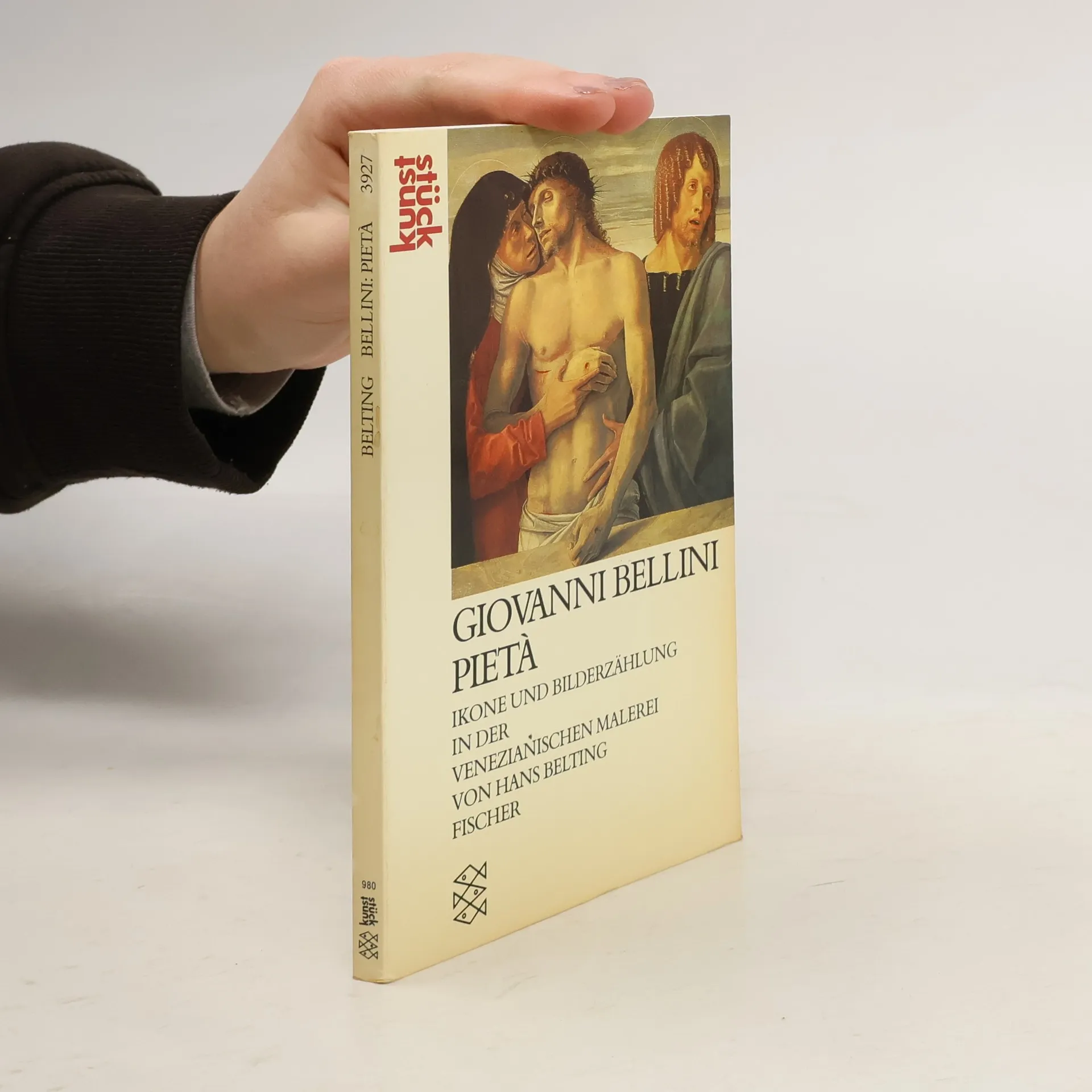
Giovanni Bellini, Pietà
- 91 pages
- 4 hours of reading
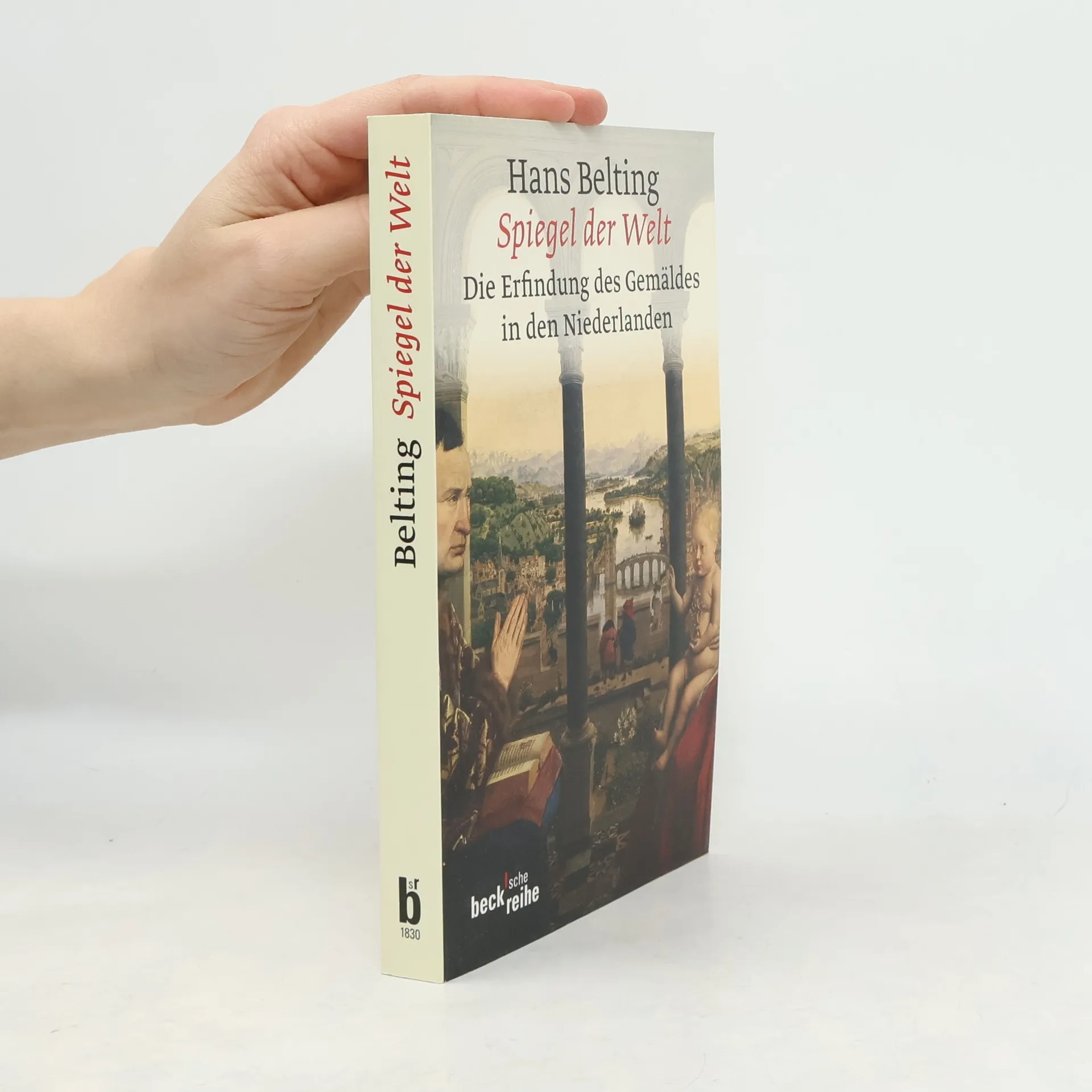
Spiegel der Welt
- 293 pages
- 11 hours of reading
Das Gemälde als eigenständige Gattung wurde im frühen 15. Jahr-hundert gleichzeitig in den Niederlanden und in Italien erfunden. Im Süden war es mathematisch konstruiert nach den Regeln der Zentral-perspektive, im Norden gab es die unmittelbare Wahrnehmun
Die Erfindung des Gemäldes
- 302 pages
- 11 hours of reading
Im Kunstbücherwald ist die 'Erfindung des Gemäldes' ein Glücksfall. Hans Belting und Christiane Kruse untersuchen die durch die Erfindung des Gemäldes aufgeworfenen Fragen: Was bedeutet das Auftreten dieser revolutionären Praxis in der Malerei? Wie entfaltet sie sich im Kontext religiöser Kunst, und welches Selbstverständnis der Künstler lässt sich daraus ableiten? Die Autoren präsentieren eine umfassende Darstellung der frühen niederländischen Malerei und berichten über spektakuläre Neufunde sowie Ergebnisse intensiver Forschung der letzten Jahrzehnte. Der prachtvoll ausgestattete Band folgt dem bewährten Konzept der Hirmer Monographien mit einer Dreiteilung in Text, Tafelteil und Werkkatalog. Im Kern des Bandes stehen ganzseitige, farbige Abbildungen von 144 Hauptwerken flämischer und holländischer Malerei, beginnend mit den Vorläufern van Eycks um 1400 und endend mit einer Auswahl aus Boschs Werk nach 1500. Der zweite Teil behandelt das Gemälde als eigenständige Kunstgattung und beleuchtet seine Ästhetik und seinen Weltbezug. Der dritte Themenkreis widmet sich den berühmten Altären, die als Zeugen eines öffentlichen Wettbewerbs der Maler interpretiert werden. Der umfassende Werkkatalog bietet eine dringend benötigte Einführung in ein komplexes Gebiet und wird durch Kommentare zu den brillant reproduzierten Bildtafeln ergänzt, die den heutigen Wissensstand sachkundig und verständlich vermitteln.
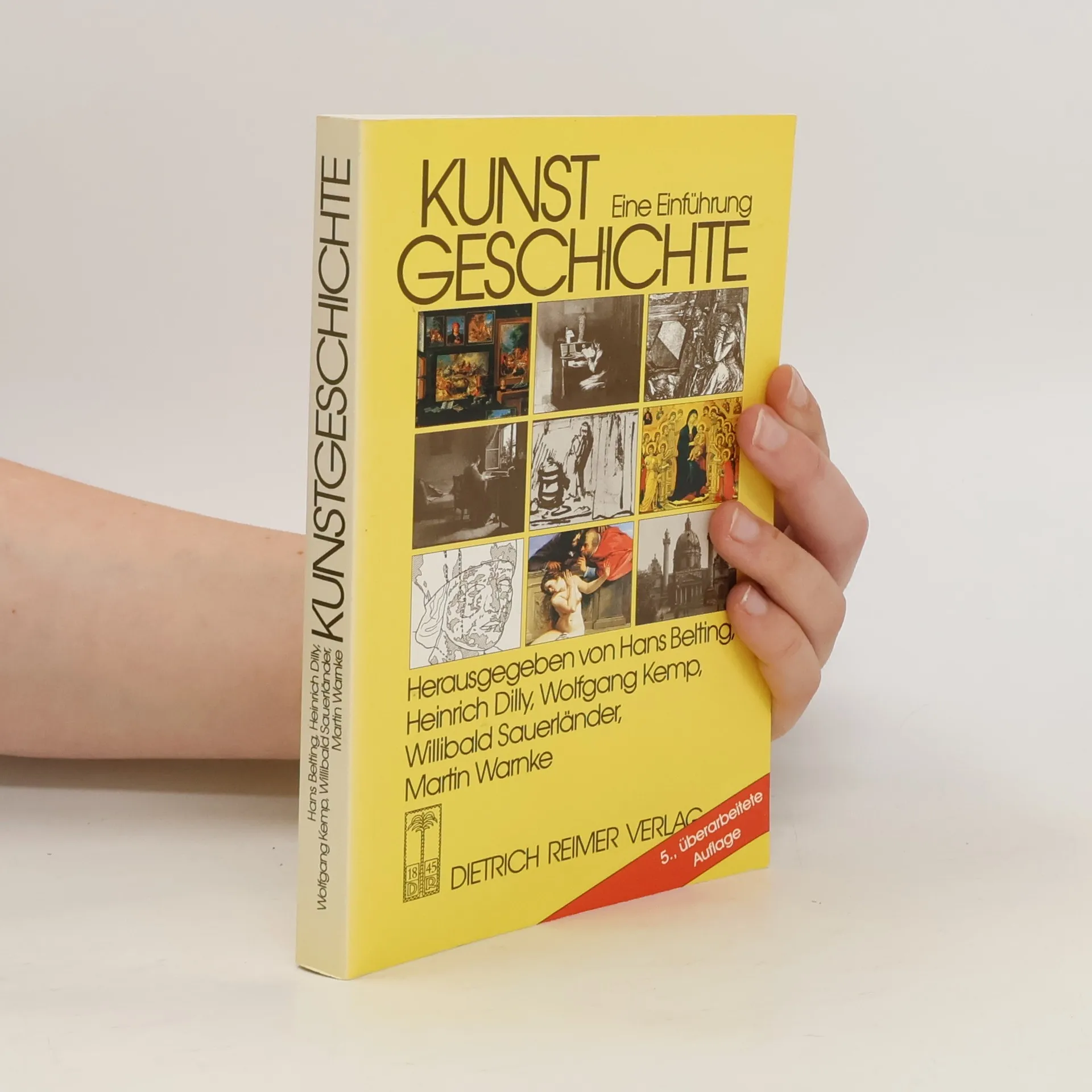
Kunstgeschichte
- 383 pages
- 14 hours of reading
Das Standardwerk für Studierende und Lehrende der Kunstgeschichte erscheint in der nunmehr siebten Auflage. Alle Beiträge wurden durchgesehen, zum Teil überarbeitet und um aktuelle Literaturhinweise ergänzt. So bleibt das Buch „die“ Einführung in die Methodik der Kunstwissenschaft.
Die Frühmittelalterlichen Studien werden von den Herausgebern als Forum einer fächerübergreifenden Mediävistik verstanden. Das Jahrbuch soll dazu beitragen, die Aufteilung einer vielgestaltigen Überlieferung, die in verschiedener Ausdrucksweise von denselben unauflösbaren Lebenszusammenhängen Zeugnis gibt, auf die gesonderten Arbeitsgebiete einer herkömmlichen Fächergliederung zu überwinden. Unter Wahrung der jeweils fachspezifischen Gesichtspunkte werden Disziplinen zum verbindenden Gespräch zusammengeführt, die sich mit zusammengehörenden Überlieferungsgruppen eines Kulturkreises oder mit eng verbundenen, nur in der Zusammenschau verstehbaren Phänomenen befassen. Deshalb wird in denFrühmittelalterlichen Studien Wert auf Beiträge gelegt, die von ihrer Problemstellung und Perspektive her bereits über das Einzelfach hinausweisen.
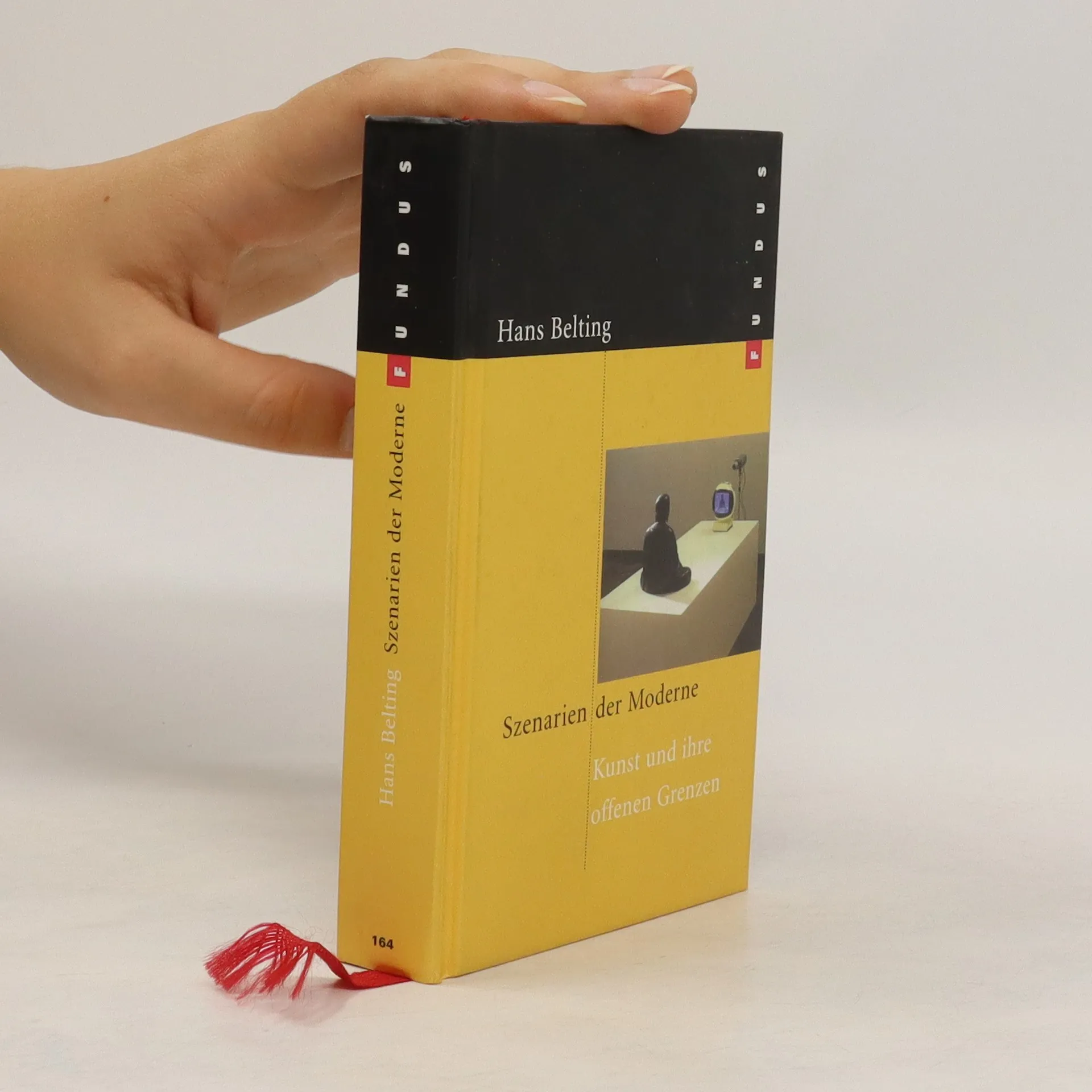
Szenarien der Moderne
Kunst und ihre offenen Grenzen
Hans Belting sucht in den hier versammelten Aufsätzen verschiedene Wege zur Moderne und ihren stets wechselnden Gesichtern. Im Vordergrund steht die Kunstproduktion, die immer wieder aktuelle Symbole für das Zeitgefühl der Moderne liefert. Auch die Raumexpansion der Kunst, die wir allzu rasch unter dem Stichwort der Globalisierung fassen wollen, kommt dabei zur Sprache. Man könnte die Dinge auf die Formel bringen - in welchem Maße die westliche Kunst noch westlich sei: Insbesondere selbstverständlich dann, wenn der Blick auf die Fragen in der nicht-westlichen Kunst gerichtet wird, die sich hinter der globalen Fassade auftun. Hier geht es um Künstler wie Nam June Paik und Hiroshi Sugimoto, die beide in die westliche Kunst integriert sind und sich dennoch mit Paradigmen äußern, die anderer Herkunft sind. Schließlich wird ein Bilderstreit angesprochen, der nicht mehr in der Kunst stattfindet, sondern in der Medienwelt, in der wir leben, und in der Debatte um einen neuen Menschen in der Gentechnologie. Auch diese Debatte ist das Symptom dessen, was im Titel des letzten Textes heißt: Die Moderne und kein Ende.
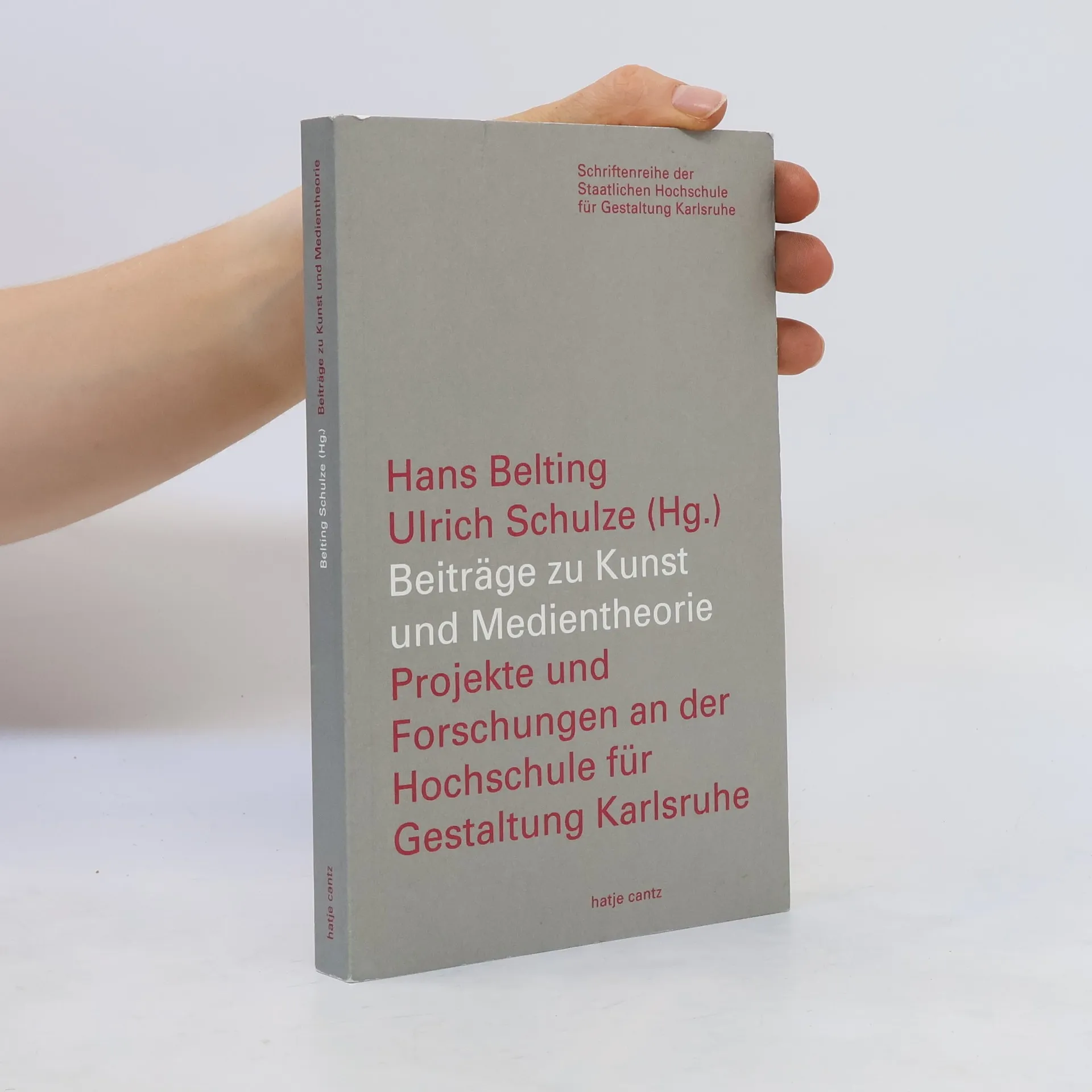
Beiträge zu Kunst und Medientheorie
- 236 pages
- 9 hours of reading
Museum und neue Medien - Medien im Museum - Museum und Kunst - Kunst und Medien - Museum und Film
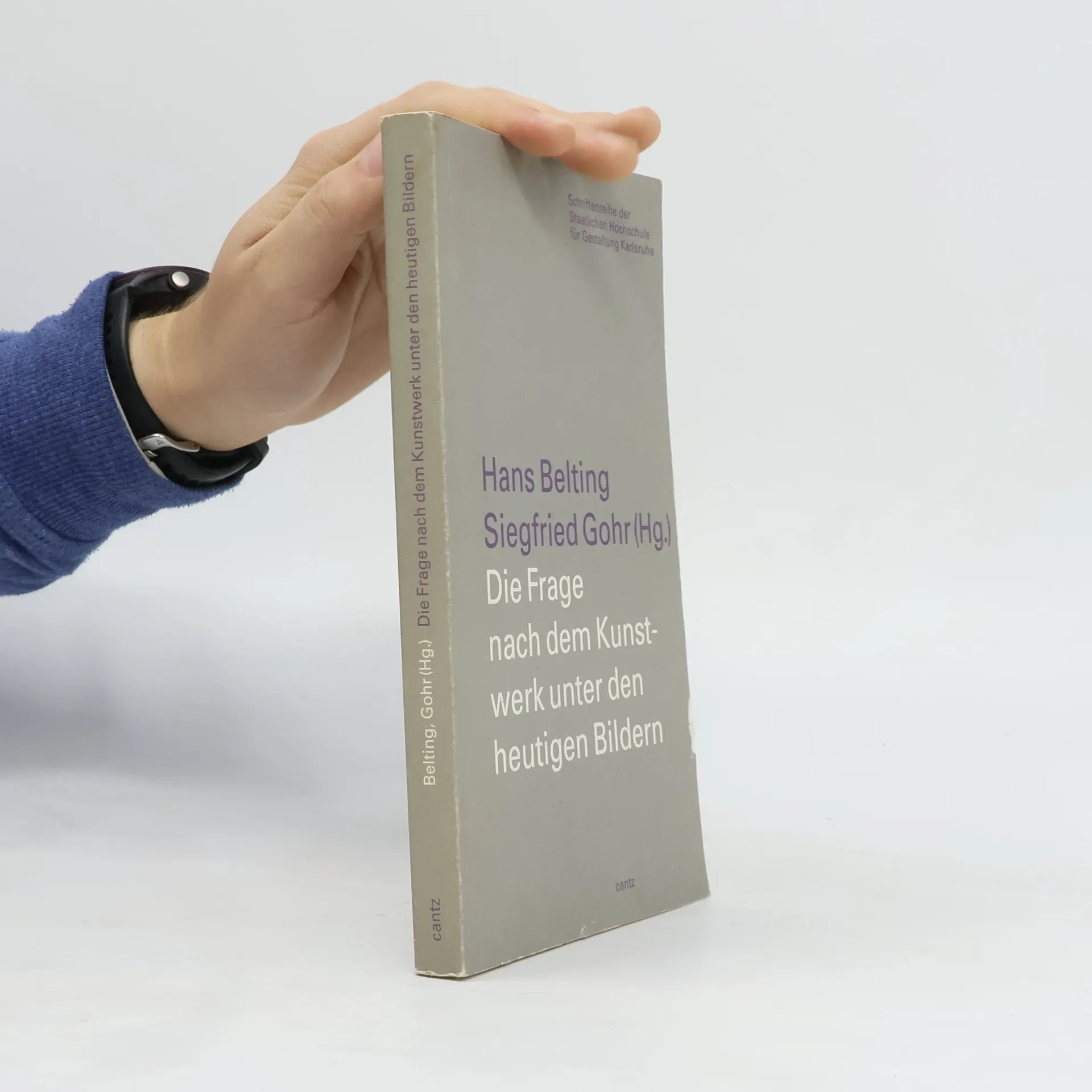
Kulturen haben sich immer in ihren eigenen Bildern ausgedrückt und Bilder hinterlassen, die aus einer lokalen Bedeutung lebten. Welchen 'Ort' also finden die Bilder heute, wenn sich die Kulturen auflösen, zu denen sie gehörten? Diese Frage diskutiert eine internationale Gruppe von Künstlern, Philosophen und Kunsthistorikern. Die Experten aus Korea, China, Japan und aus westlichen Ländern vertreten dabei verschiedene Kulturen in einem Dialog, der gerade erst begonnen hat. Sie suchen im Gespräch nach einem Verständnis verschiedener ästhetischer Traditionen, in denen sich noch heute Kulturen und Mentalitäten ausdrücken.
Die Frage nach dem Kunstwerk unter den heutigen Bildern
- 192 pages
- 7 hours of reading
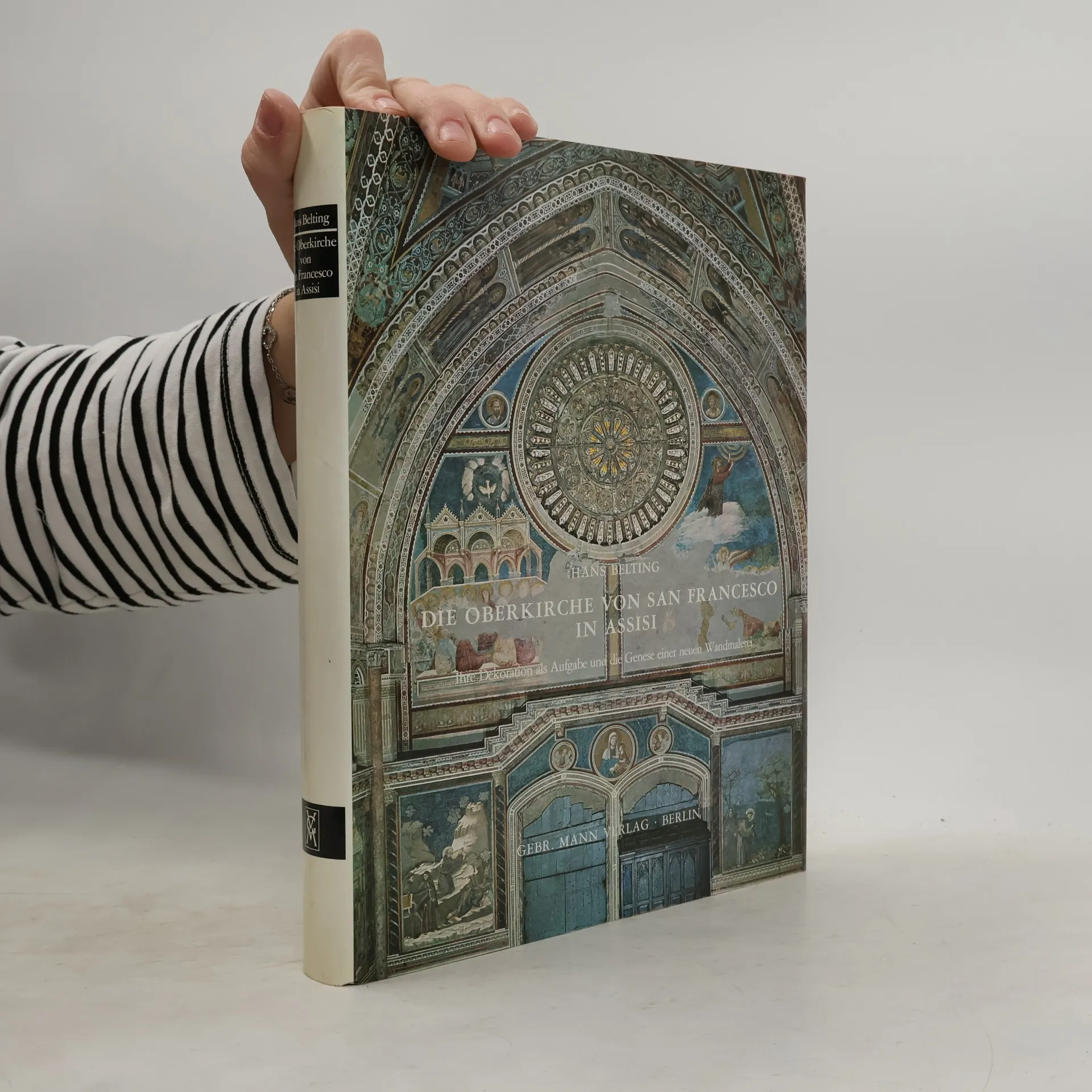
Die Oberkirche von San Francesco in Assisi
- 254 pages
- 9 hours of reading
This fascinating book investigates what is specifically German about German art, focusing on the attitudes Germans have had toward their art from the Romantic period to the present and discussing the ways in which they have tried to find their identity as a nation through this art. Hans Belting proposes that the history of German art criticism has been coloured by division, a split caused both by opposing ideologies and by the contradiction between what the Germans have wanted their artand their nation - to be and the reality of what they were.
Ecke Bonk
- 202 pages
- 8 hours of reading
Peter Weibel, das offene Werk
- 912 pages
- 32 hours of reading
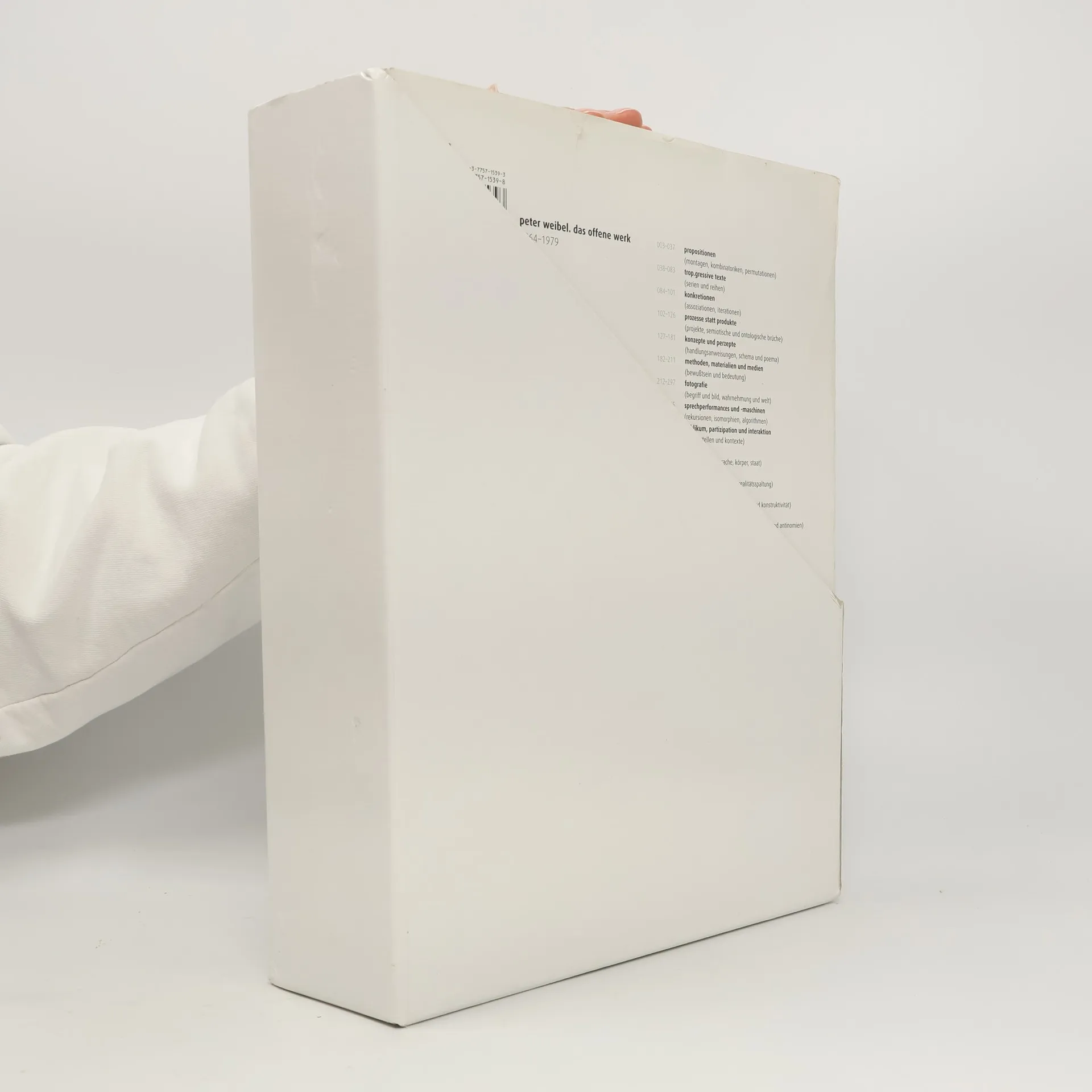
Die Publikation widmet sich dem Frühwerk des international anerkannten Medien- und Konzeptkünstlers Peter Weibel von 1964 bis 1979. Weibel begann 1964 als visueller Poet und übertrug bald die Strukturen der visuellen Kultur von der Seite auf den Bildschirm, während er das Modell der Sprache als Wahrnehmungsmodell im Sinne strukturalistischer und post-strukturalistischer Methoden beibehielt. Diese Entwicklung antizipierte zahlreiche Tendenzen, die später als Konzeptkunst, Kontextkunst und institutionelle Kritik bezeichnet wurden. Ab 1966 wandte Weibel partizipatorische und interaktive Praktiken an, die in Closed-Circuit-Videoinstallationen der frühen 1970er Jahre und den ersten interaktiven Computerinstallationen 1980 mündeten. Mit Beiträgen renommierter Autoren sowie Kurztexten, Manifesten und Flugblättern von Weibel selbst bietet die Publikation einen instruktiven und umfassenden Einblick in sein einflussreiches Schaffen. Peter Weibel, 1944 in Odessa geboren, ist Künstler, Ausstellungskurator und Kunst- sowie Medientheoretiker. Er studierte Literatur, Film, Mathematik, Medizin und Philosophie in Wien und Paris und hatte Lehraufträge im In- und Ausland. Von 1986 bis 1995 war er künstlerischer Berater der Ars Electronica in Linz. Seit 1993 ist er Chefkurator an der Neuen Galerie Graz und Vorstand des Zentrums für Kunst und Medientechnologie in Karlsruhe.
Antropologie obrazu - Návrhy vědy o obrazu
- 240 pages
- 9 hours of reading
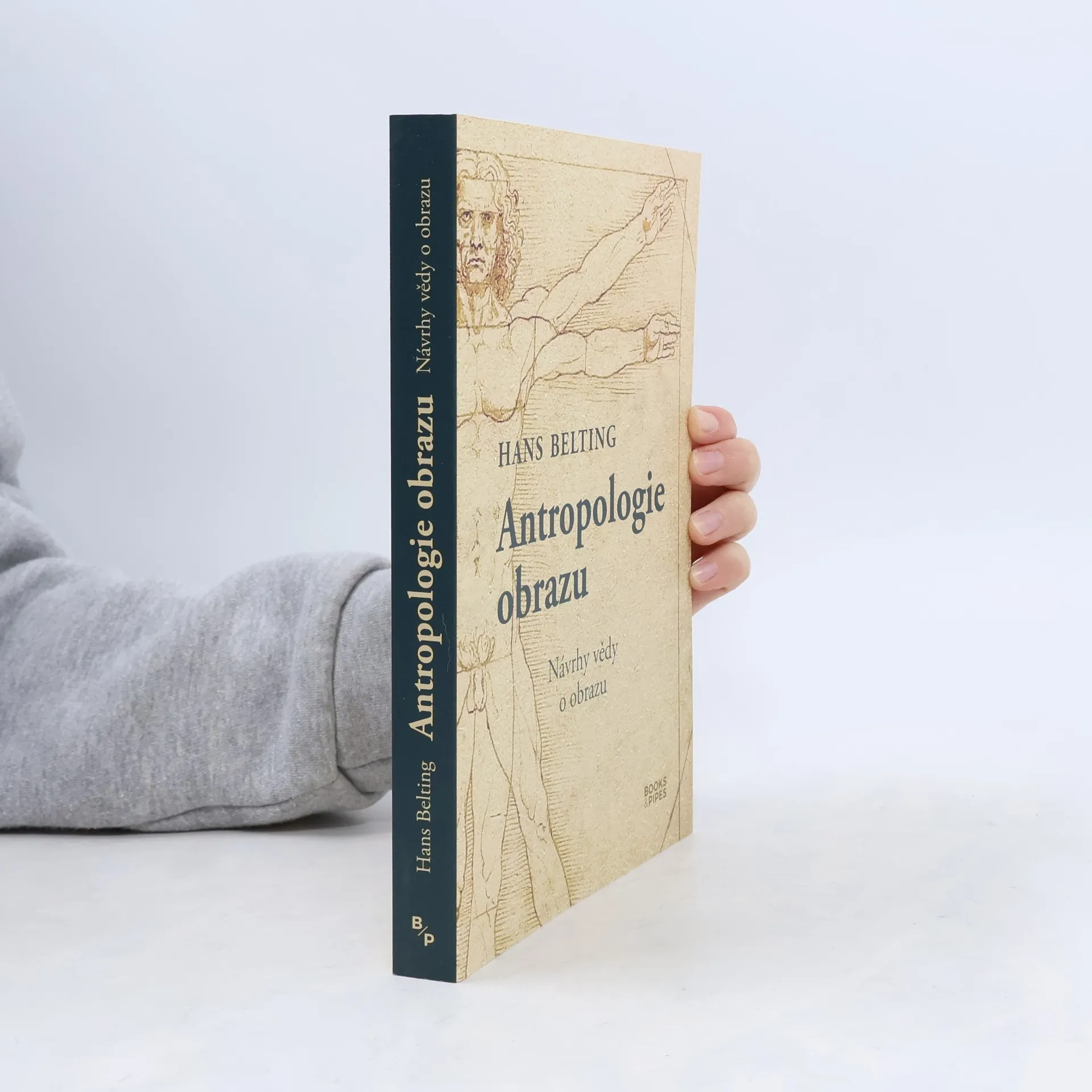
Převratná a dnes již klasická práce Antropologie obrazu předního německého historika umění Hanse Beltinga v posledních dvaceti letech výrazně ovlivnila přemýšlení o dějinách umění. Jak již napovídá její podtitul, autor v ní přináší nový „návrh vědy o obrazu“. Kniha představuje originální, náročný a provokativní popis toho, co obrazy jsou a jak fungují. „Význam Beltingova textu netkví pouze v jeho schopnosti ptát se například na roli smrti v soudobé civilizaci. Téma, které mě osobně se skoro dvacetiletým odstupem od prvního přečtení zasáhlo nejvíce, je rozhodně způsob, kterým Belting vidí a popisuje zásadní společenské změny, jež do našeho světa přinášejí virtuální obrazy. V roce 2001 jako by předpovídal vývoj a dopad moderních technologií na náš každodenní život.“ / Z úvodního textu Ivana Folettiho /
Němci a jejich umění
- 128 pages
- 5 hours of reading
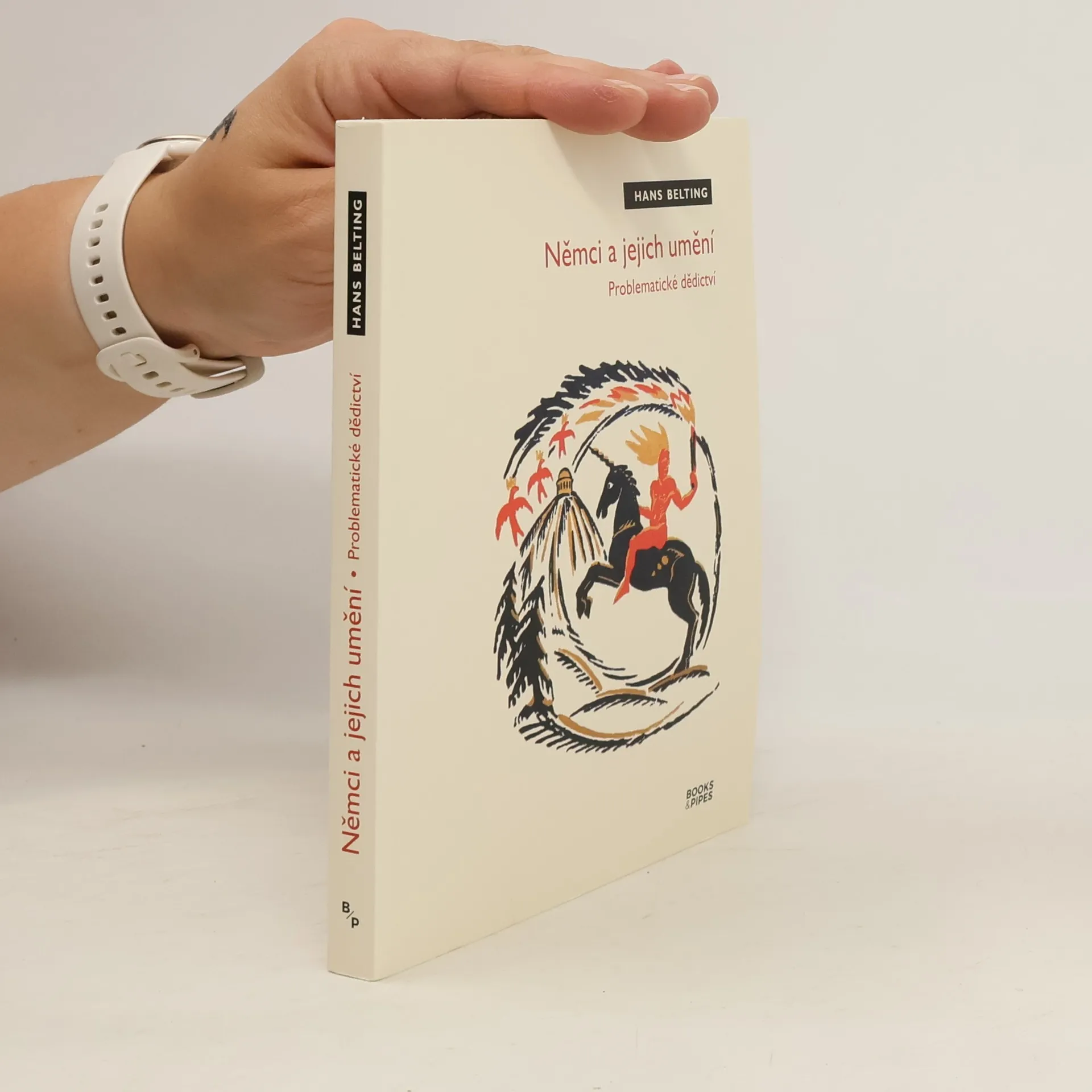
Přehledná práce předního historika umění se zamýšlí nad tím, co je specificky německého na německém umění. Autor na relativně malém prostoru zachycuje postoje Němců k jejich umění od romantismu až po současnost a líčí bouřlivé spory, které se o ně vedly. Jak přesvědčivě dokládá, vizuální umění hrálo v Německu vždy zvláštní roli, jež byla odlišná od jiných evropských zemí, a dobře se v něm zrcadlí jeho bolestný kulturní a politický vývoj po pozdním sjednocení v roce 1871. Bylo to především (ale nejen) vizuální umění, jehož prostřednictvím se Němci snažili najít svou kulturní identitu a v němž projevovali iracionální strach z toho, že budou ovlivněni cizinou. To se nakonec projevilo zvláště silně ve třicátých letech v bojích o moderní umění a expresionismus (jediný skutečně původní německý styl), jež vyvrcholily jeho násilnou likvidací za Třetí říše.
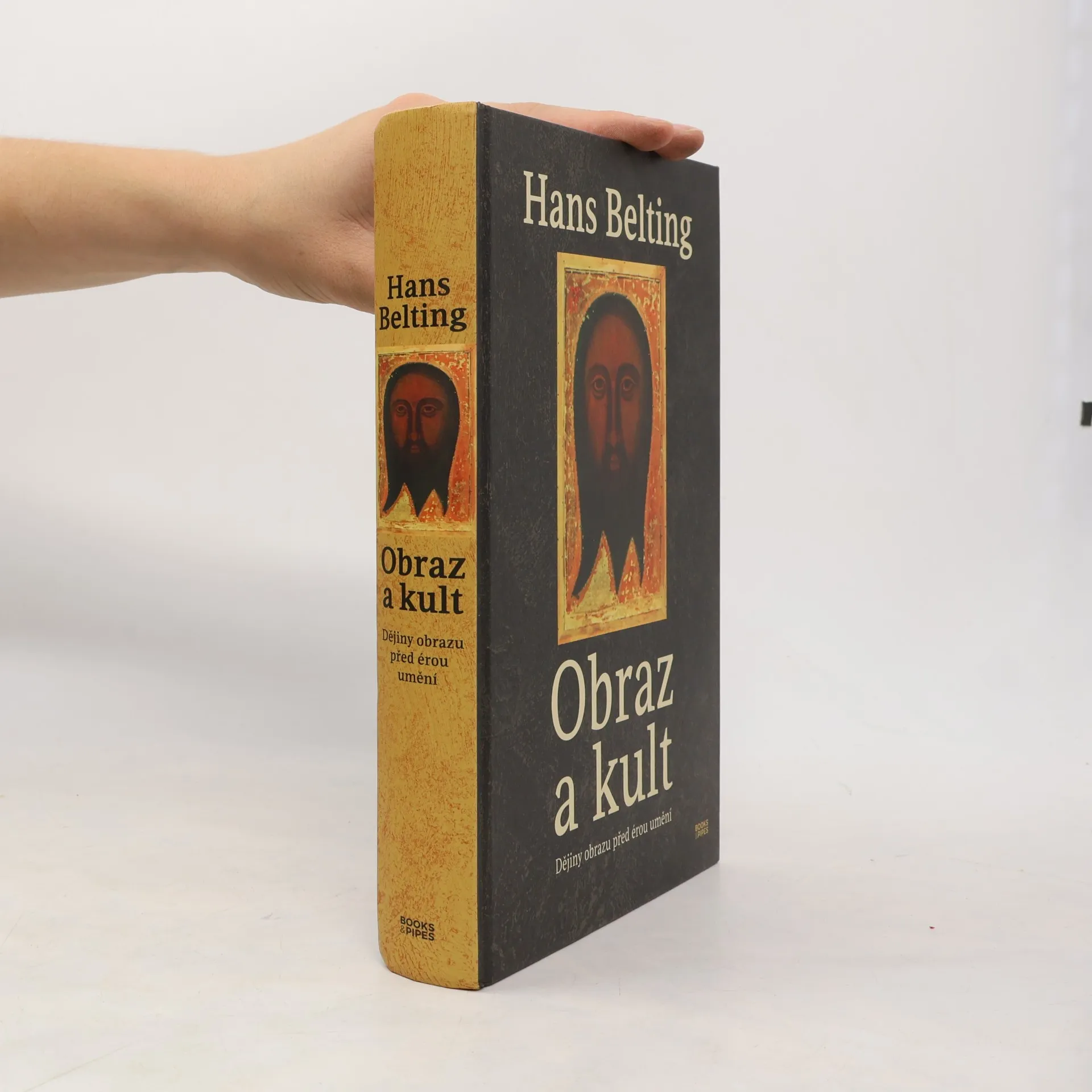
Obraz a kult: Dějiny obrazu před érou umění
- 712 pages
- 25 hours of reading
Kniha Hanse Beltinga Obraz a kult je jednou z nejdůležitějších knih v oblasti dějin umění. Představuje osobitý a dosud směrodatný pohled na dějiny evropské vizuální kultury napříč hranicemi aktuálních evropských států. Od svého vydání vyvolala širokou debatu o náboženských prožitcích tváří v tvář kultovním obrazům, která dalece přesahuje rámec vlastního tématu a stále není u konce. Beltingovi se v této práci podařilo spojit dříve oddělené religionistické a historicko-umělecké pohledy v suverénní syntézu. Jeho kniha o umění zobrazování a moci křesťanského kultovního obrazu od pozdní antiky do 16. století hledá odpověď na zásadní otázku, proč mají právě tyto obrazy tak velkou moc a proč hrály nejen v tomto období tak klíčovou společenskou roli. Čtenáři také nabízí možnost porovnat dějiny obrazu a zobrazování na "Východě" a na "Západě". V obsáhlé úvodní studii Ivana Folettiho je kniha zasazena do kontextu soudobého bádání a celospolečenského vývoje.