1000 Aquarelle von genialen Meistern
- 544 pages
- 20 hours of reading


Victoria Charles is an art historian whose work delves into the evolution and contemporary currents of the art world. Her writing is marked by insightful analyses, adeptly connecting historical contexts with modern artistic expressions. Through extensive publications and regular contributions to international art guides and specialized journals, she illuminates the broader landscape of art. Her expertise offers readers a deeper understanding of artistic works and their cultural significance.

In seiner Heimat Russland, wo er Maler am Zarenhof Nikolaus I war, machte sich Iwan Aiwasowski (1817-1900) vor allem mit seinen Seestücken einen Namen, erlangte aber kaum jenseits der Grenzen Bekanntheit. Als Meister des Erhabenen machte er das Meer zu seinem Hauptmotiv. Ob wild und stürmend oder ruhig und friedlich, der See lassen sich so viele Eigenschaften zuschreiben wie dem Wesen des Menschen. Seine mehr als 6000 Gemälde machen Aiwasowski zum produktivsten Maler seiner Zeit.
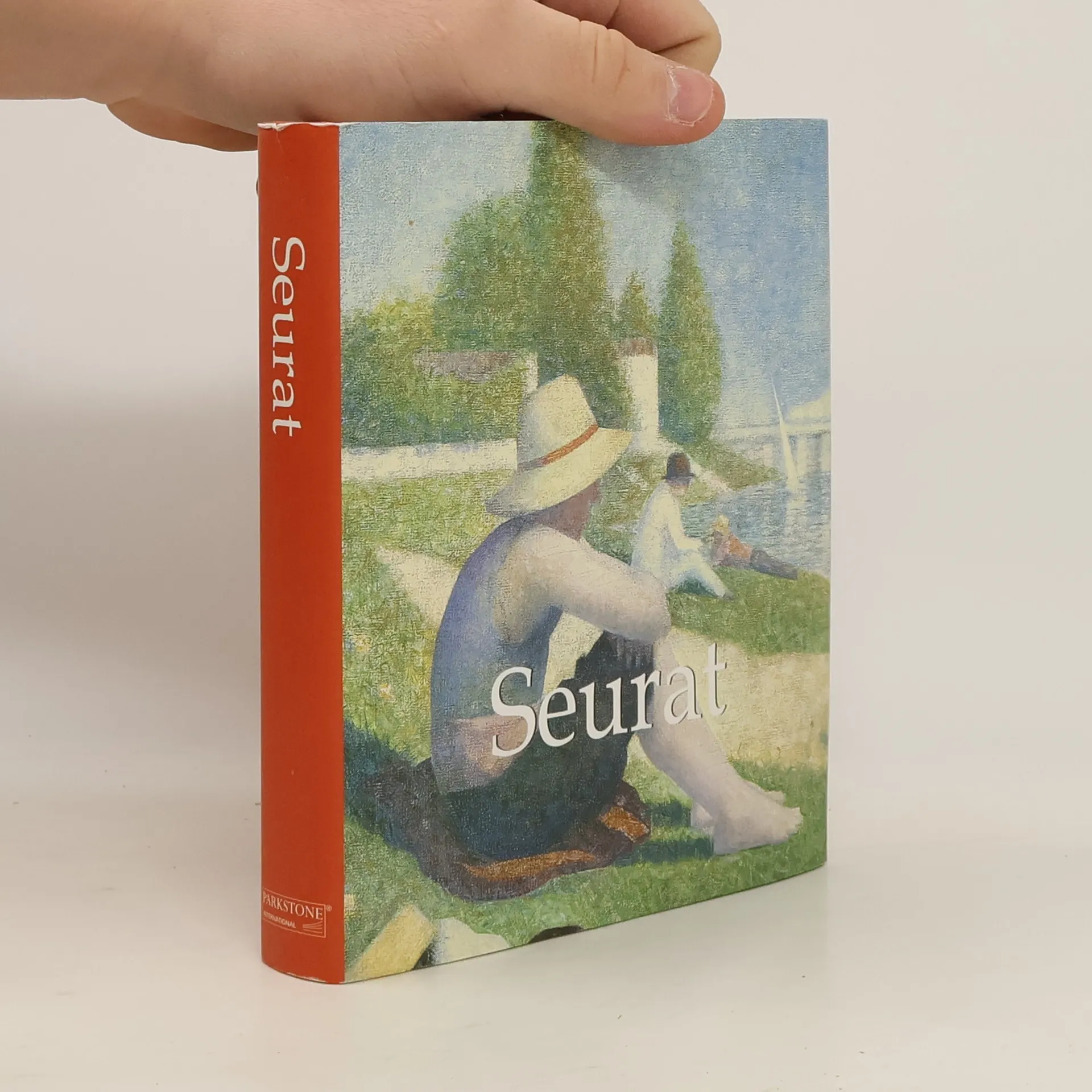
Universally celebrated for the intricacy of his pointillist canvases, Georges Seurat (1859-1891) was a painter whose stunning union of art and science produced uniquely compelling results. Seurat's intricate paintings could take years to complete, with the magnificent results impressing the viewer with both their scientific complexity and visual impact. His Un Dimanche Après-Midi à l'Île de la Grande Jatte (Sunday Afternoon on the Island of Grand Jatte) has held its place among the most treasured and distinguished pieces of 20th-century art. Klaus H. Carl offers readers an intriguing glimpse into the detailed scientific technique behind Seurat's pointillist masterpieces.
Inspired by Monet's work at a young age, Paul Signac (1863-1935) was a friend and disciple of Georges Seurat who combined the scientific precision of pointillism with the vivid colors and emotional expressivity of Impressionism. A close personal friend of Vincent van Gogh, who was a great admirer of his techniques, Signac traveled the world in search of inspiration for his monumental canvases. This book examines the intricacies of Signac's celebrated technique, as well as showcasing the details of some of his most celebrated works.
Die russischen Landschaften gehören zu den schönsten der Welt, mit den berühmten Wildblumenteppichen in den Wäldern im Frühling und der eisigen Wintertundra bilden sie die Kulisse für viele bekannte Szenen der russischen Literatur. Und doch wurden sie erst durch die Werke des Malers Ivan Shishkin (1832-18998) unsterblich, indem er wie kein anderer vor oder nach ihm den Zauber und die Majestät der russischen Landschaften auf die Leinwand bannte. Irina Shuvalova und Victoria Charles untersuchen in dieser umfassenden Studie die herausragenden Werke Shishkins.
Edice Světové umění je zasvěcena nejvýznamnějším osobnostem v dějinách umění a jejich dílu. Dokonale graficky zpracované knihy obsahují velké množství kvalitních barevných reprodukcí, z nichž si čtenář může udělat dobrou představu o umělcově tvorbě. Doprovází je fundovaný biografický text, který shrnuje nejen základní informace o malířově životě, ale také o jeho postojích a názorech a obecně přístupu k umění. Díky praktickému formátu a vysoké kvalitě představuje série Světové umění dokonalé dárkové publikace. Pieter Bruegel starší (1525–1569), nejvýznamnější nizozemský malíř 16. století, proslulý hlavně krajinomalbami a selskými výjevy, ale rovněž obrazy s náboženskými motivy. K jeho nejslavnějším dílům patří například Selská svatba, Babylonská věž či Podobenství o slepcích.
15 barevných tabulí, v ilustrované obálce/deskách
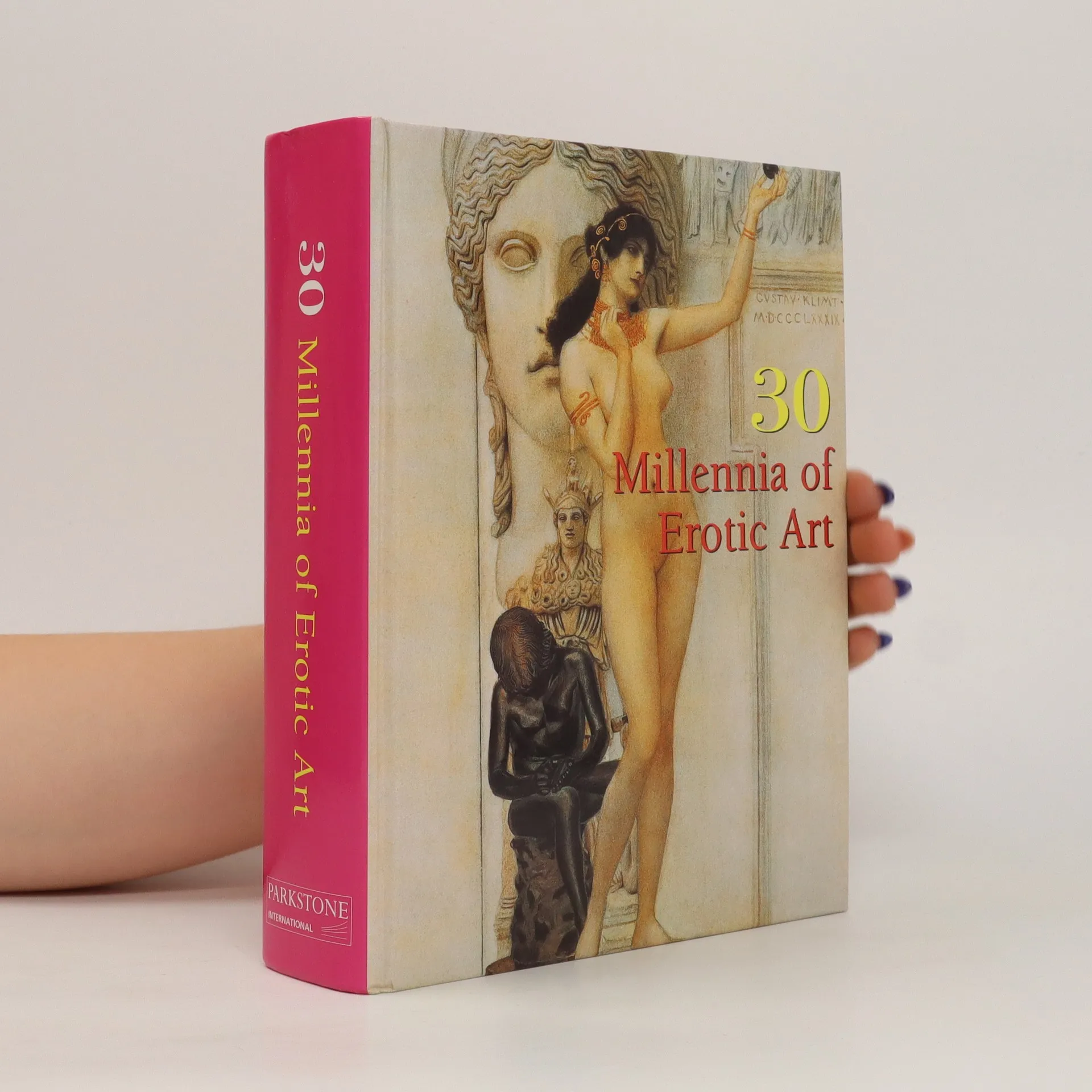
From the thousand-year-old statues celebrating fertility to the odalisques of the modern painters, erotic art has always held a prominent place in society, whatever their morals or cultural references.This work has assembled one thousand images of erotic artworks, from all times and all continents, to illustrate how the representation of these pleasures of the flesh testifies to the evolution of different civilisations and their histories. While eroticism and sexuality are at the forefront of today’s advertising and media, this book offers an exceptional view into the archives of erotic imagery and emphasises the artistic value of these magnificently sinful illustrations.
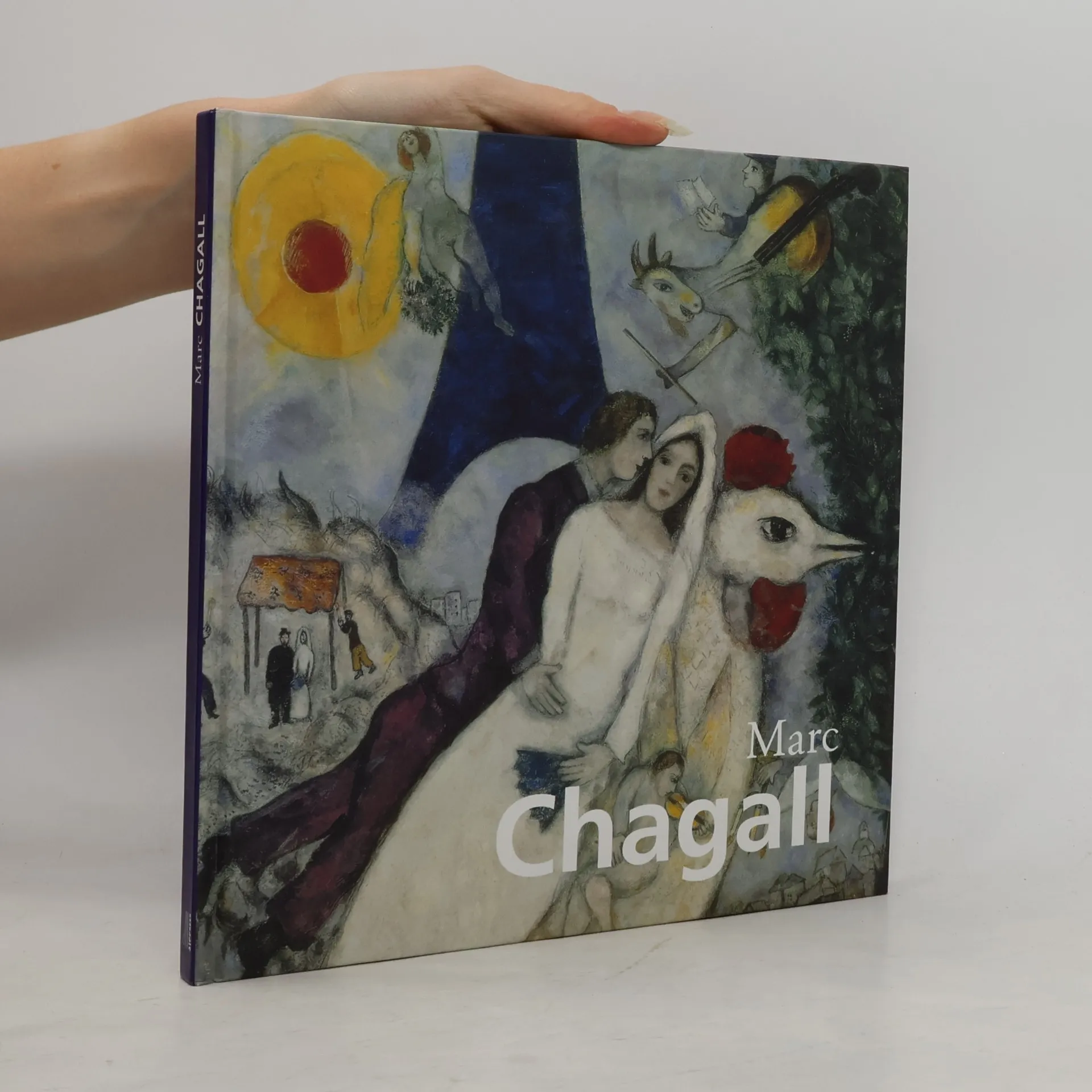
Chagall wurde in einer strenggläubigen jüdischen Familie geboren, in der das Verbot, Menschen bildlich darzustellen, zum religiösen Dogma gehörte. Trotz ärmlicher Verhältnisse litt seine Familie nicht unter Not. Nach einem misslungenen Versuch, an der Kunstschule des Barons Stieglitz aufgenommen zu werden, gelang es ihm, in die von Nikolai Roerich geleitete Schule der Kaiserlichen Gesellschaft zur Förderung der Künste zu kommen. Später wählte Chagall Paris als Wohnsitz und traf im Künstlerviertel La Ruche viele Landsleute wie Lipschitz, Zadkine, Soutine und Archipenko, die ebenfalls von der Anziehungskraft der Stadt angezogen wurden. In den 1920er Jahren wurde bereits festgestellt, dass Paris seiner Malkunst den nötigen Schliff verlieh, mit einer sensiblen Sprödigkeit und einer präzisen Stimmigkeit zwischen Linie und Farbklang. Chagall hatte eine „stilistische Immunität“ und ließ sich inspirieren, ohne seinem eigenen Stil untreu zu werden. Er lernte von anderen Künstlern und überwand seine jugendliche Unbeholfenheit, behielt jedoch seinen „Archimedespunkt“. Kritiker und Forscher verwenden oft musikalische Terminologie, um Chagalls Kunst zu beschreiben, da seine Motive und Gestalten eine klangliche Wirkung besitzen. Farbe erscheint als Rhythmus, Linie als Melodie, was seiner Malkunst eine zeitliche Dimension verleiht.
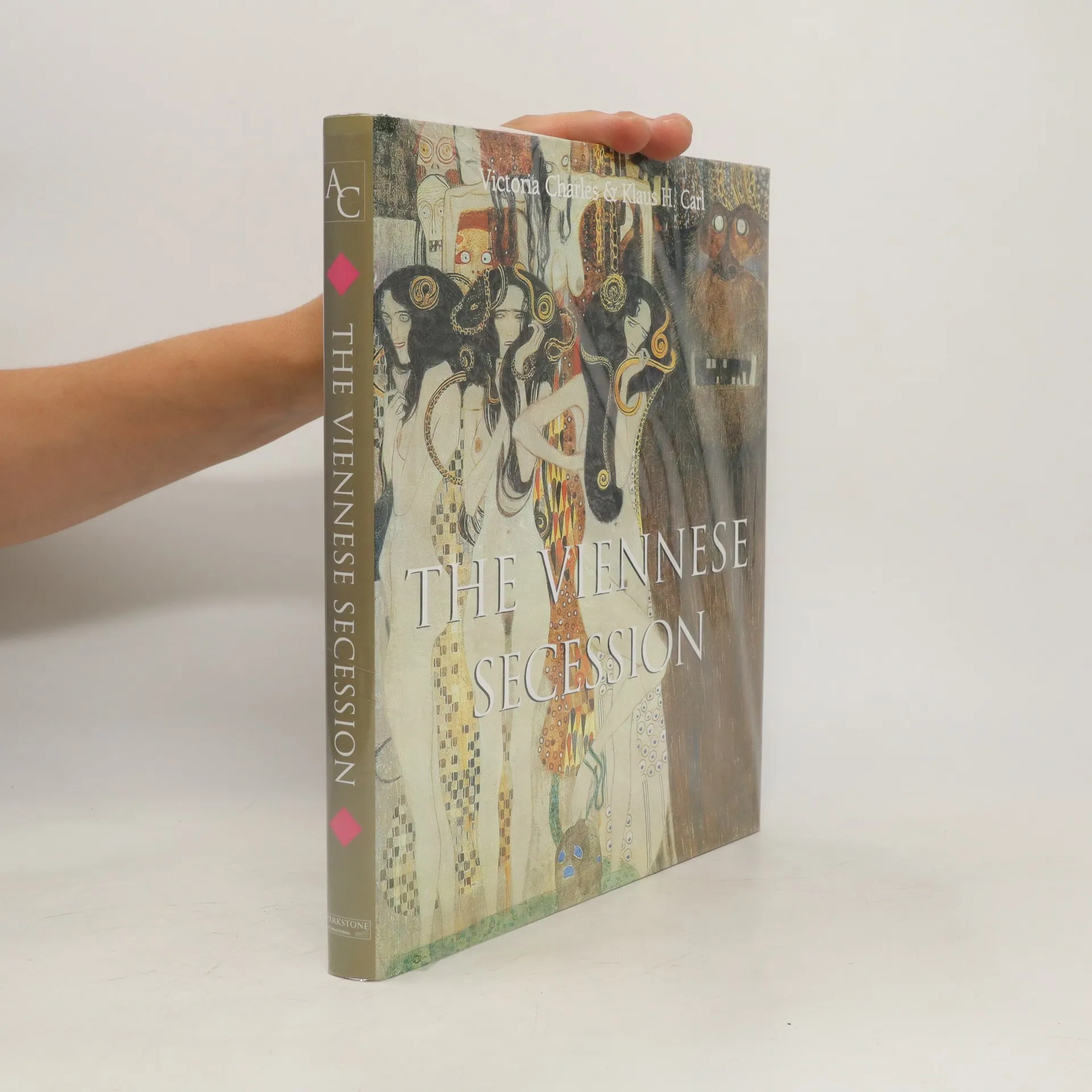
"A symbol of modernity, the Viennese Secession was defined by the rebellion of twenty artists who were against the conservative Vienna Künstlerhaus' oppressive influence over the city, the epoch, and the whole Austro-Hungarian Empire. Influenced by Art Nouveau, this movement (created in 1897 by Gustav Klimt, Carl Moll, and Josef Hoffmann) was not an anonymous artistic revolution. Defining itself as a "total art", without any political or commercial constraint, the Viennese Secession represented the ideological turmoil that affected craftsmen, architects, graphic artists, and designers from this period."--P.4 of dust jacket.
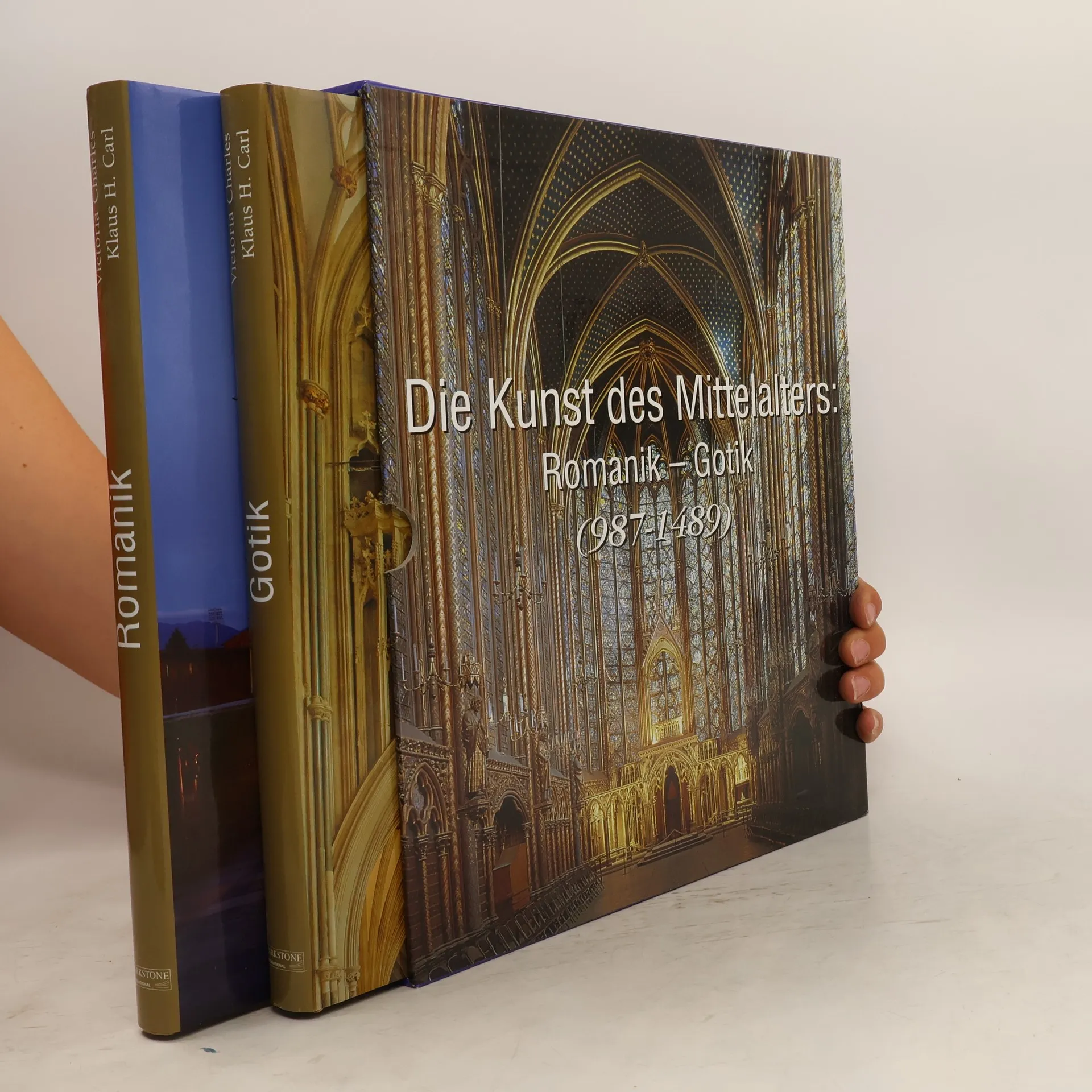
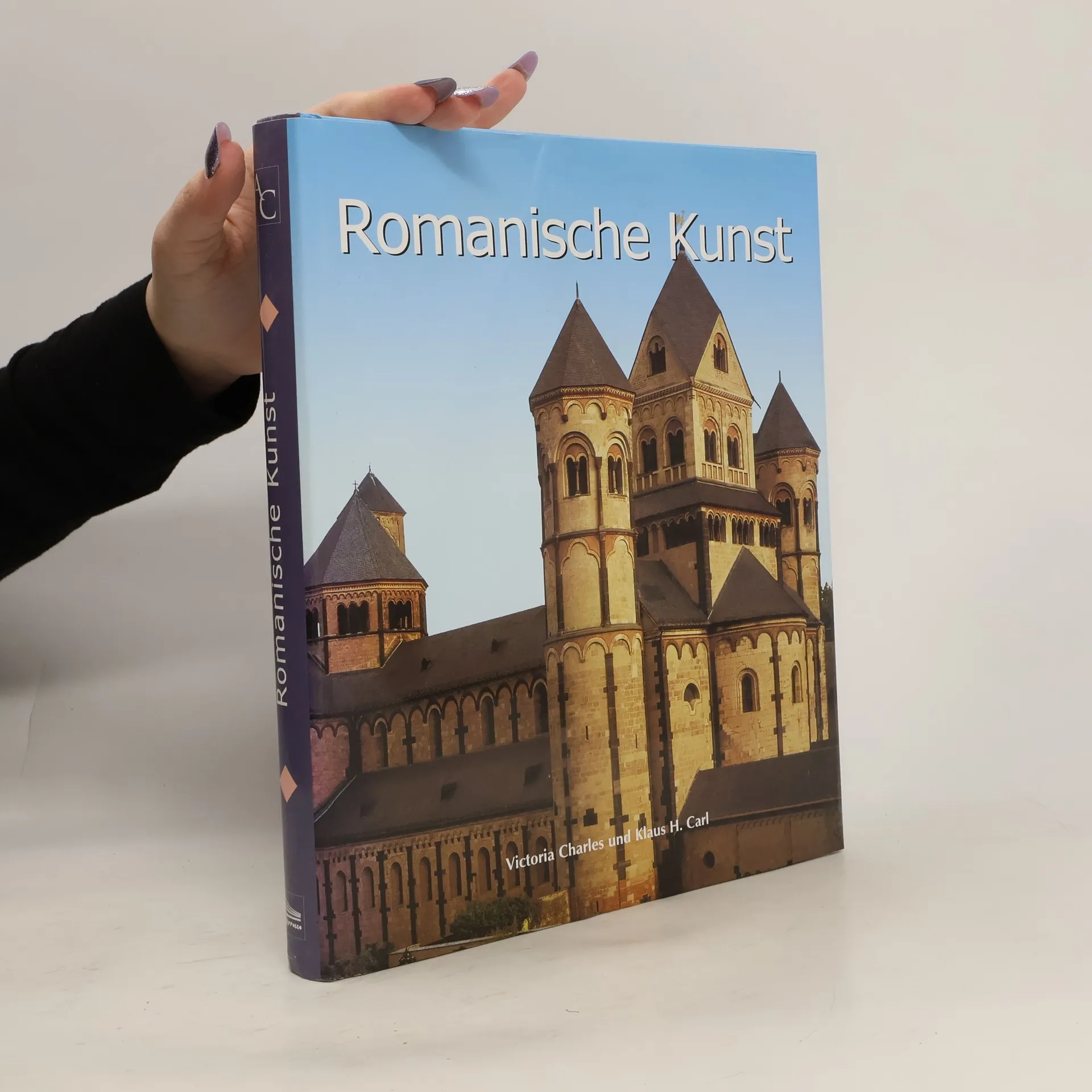
In der Kunstgeschichte bezeichnet der Begriff „romanische Kunst“ die Periode zwischen dem Beginn des 11. und dem Ende des 12. Jahrhunderts. Diese Ära zeigte eine große Vielfalt regionaler Schulen, jede mit ihrem eigenen einzigartigen Stil. Sowohl in der Architektur als auch in der Skulptur ist die romanische Kunst durch rohe Formen gekennzeichnet. Durch ihre reiche Ikonographie und fesselnden Text wird die Bedeutung dieser Kunst wieder in den Vordergrund gerückt, die heute oft vom späteren gotischen Stil überschattet wird.
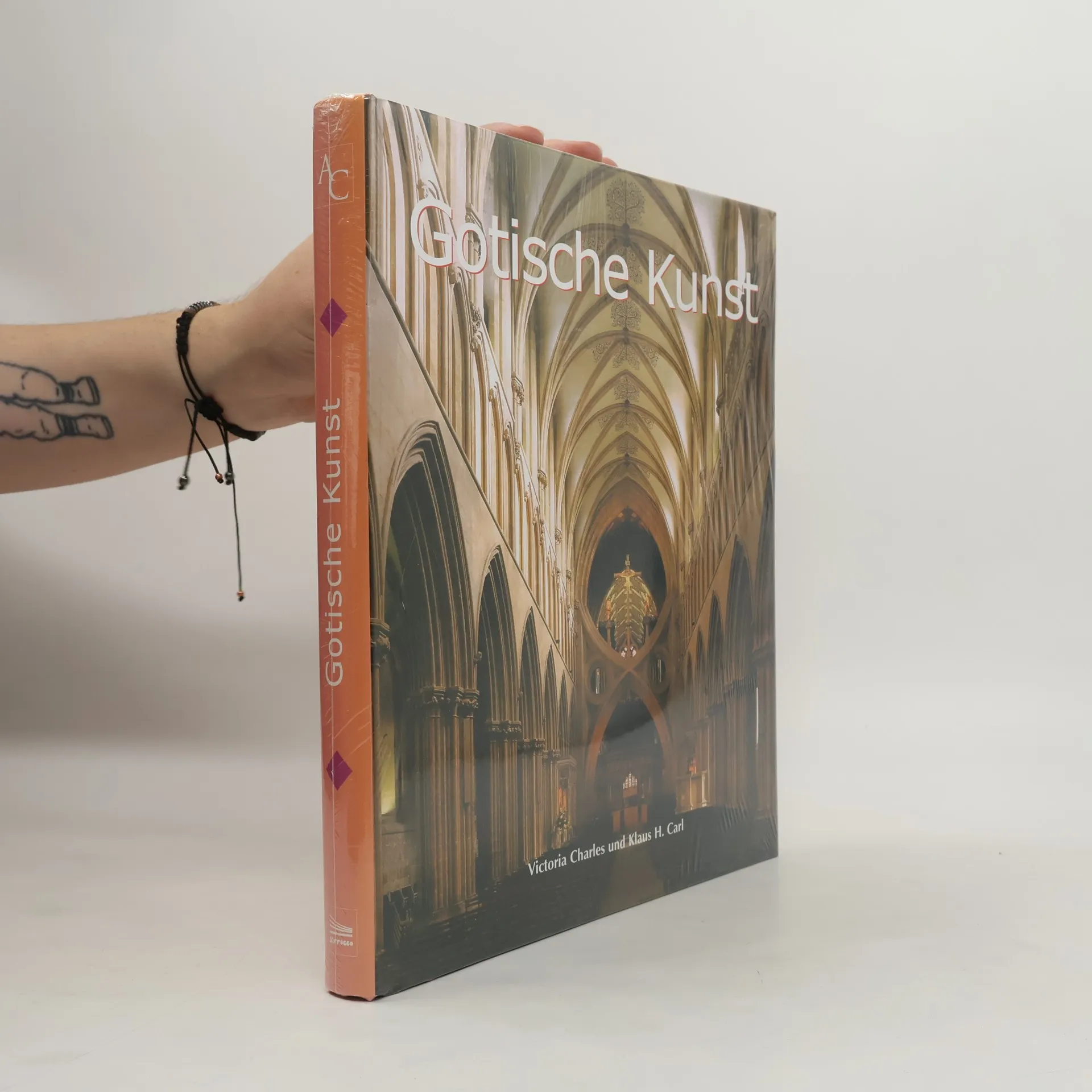
Die gotische Kunst hat ihre Wurzeln in der kraftvollen Architektur der Kathedralen Nordfrankreichs. Sie ist eine mittelalterliche Kunstbewegung, die sich über mehr als 200 Jahre in ganz Europa entwickelte. Die Architekten begannen, die runden Formen der Romanik hinter sich zu lassen und nutzten Strebepfeiler und Spitzbögen, um die Kathedralen dem Tageslicht zu öffnen. In einer Zeit großer wirtschaftlicher und sozialer Veränderungen entwickelte sich auch eine neue Ikonographie, die die Heilige Maria feierte, im Gegensatz zur furchterregenden Ikonographie der dunklen römischen Zeit. Voller reicher Veränderungen in allen verschiedenen Künsten (Architektur, Skulptur, Malerei usw.) ebnete die Gotik den Weg für die italienische Renaissance und die internationale Gotik.
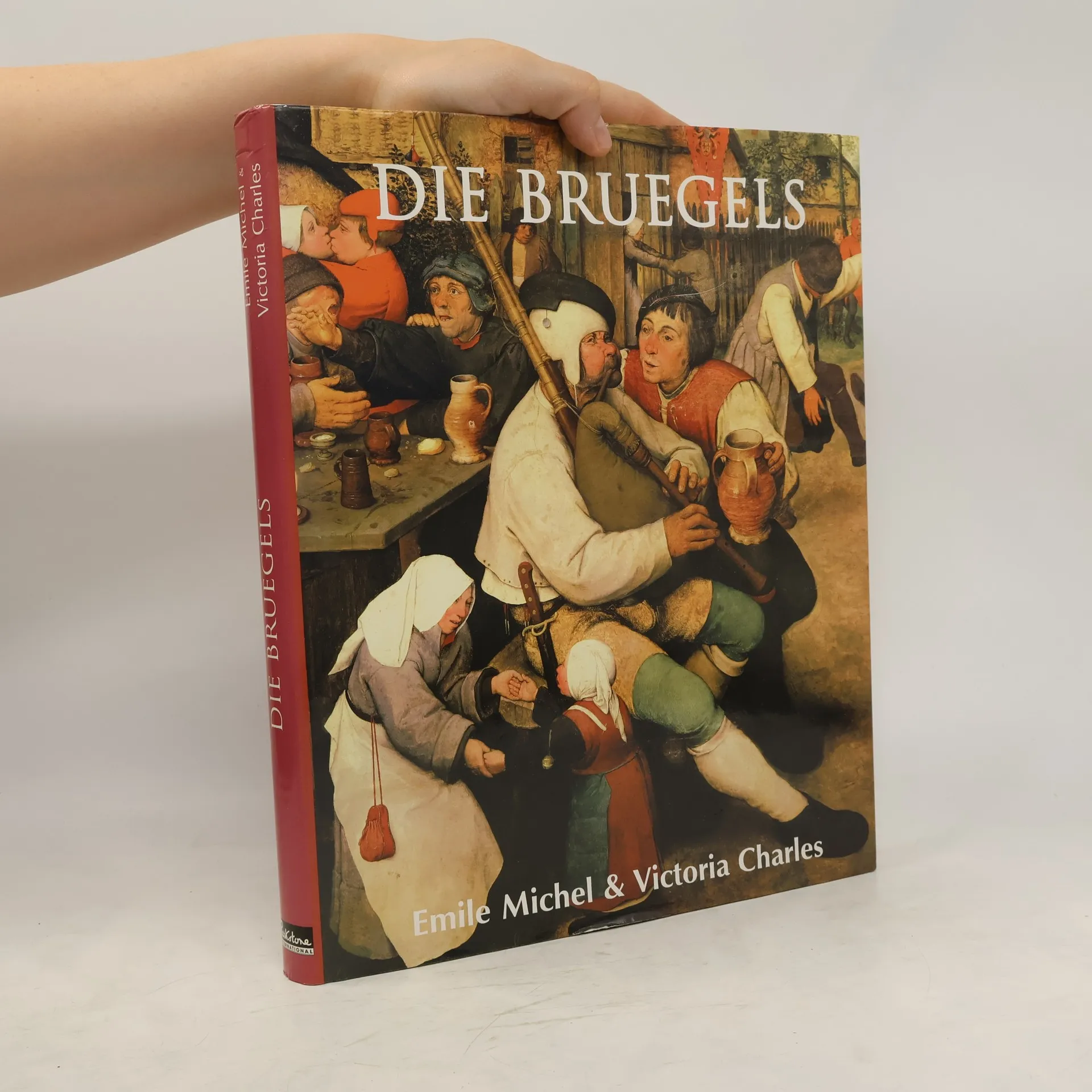
The Bruegels, especially Pieter the Elder and his sons Pieter the Younger and Jan the Elder, are the most significant Flemish painter family. They created a unique style rooted in Flemish character, depicting everyday life during Spanish rule in vibrant, allegorical scenes. This richly illustrated work by Emile Michel and Victoria Charles explores Flemish art development from the 15th to the 17th century.
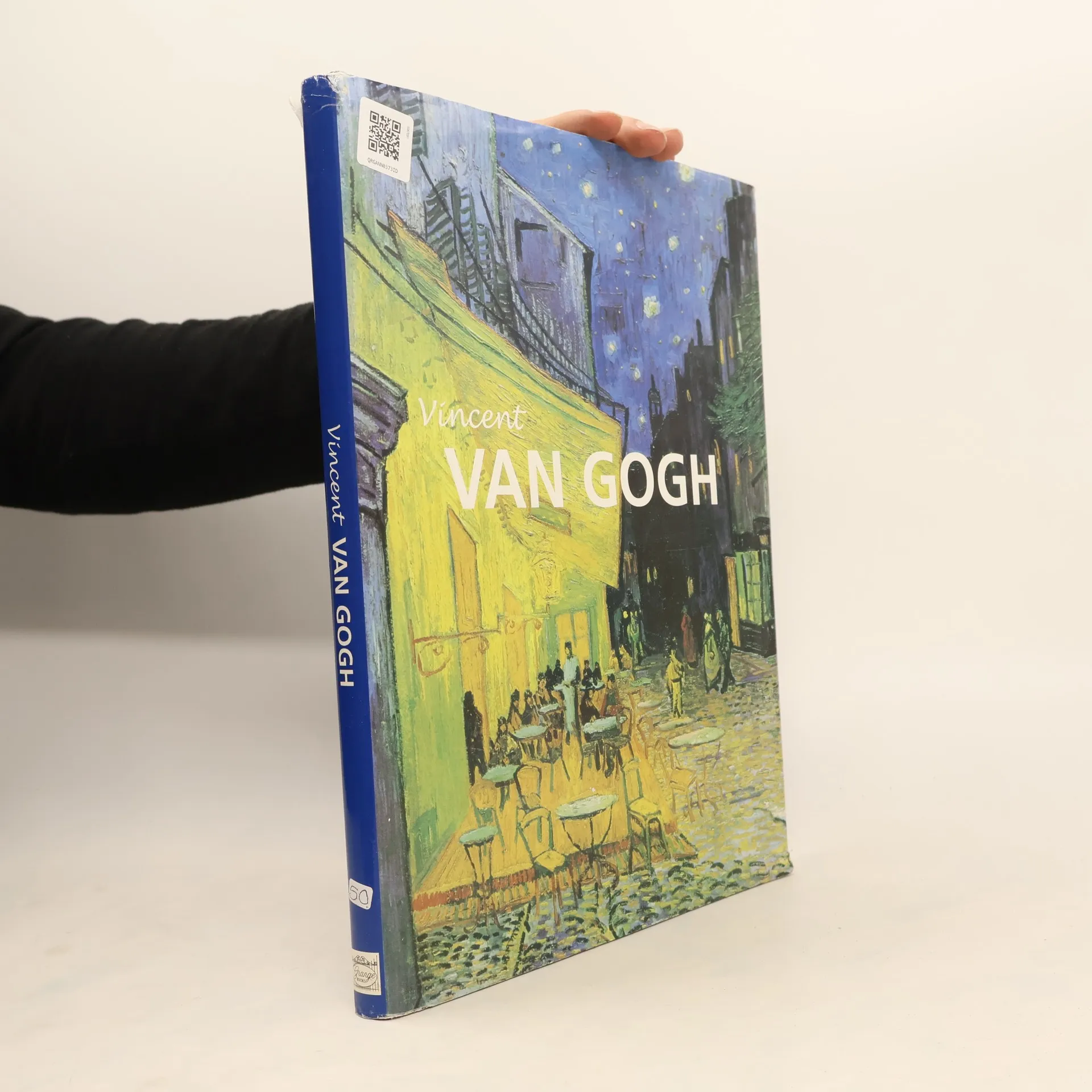
116 Photographs - Van Gogh's life and work are so intertwined that it is hardly possible to see his pictures without reading in them the story of his life: a life which has been described so many times and that is by now the stuff of the legend. Van Gogh is the incarnation of the suffering, misunderstood martyr of modern art, the emblem of the artist as an outsider. This great artist lived at various places throughout his life and the book presents them in different topics, some of them are: Holland, England and Belgium: 1853-1886 Paris: 1886-1888 Arles: 1888-1889 Saint-Remy: 1889-1890 This book on one of the great masters who finally committed suicide, is a worthwhile read for fans as well as lovers of modern art.
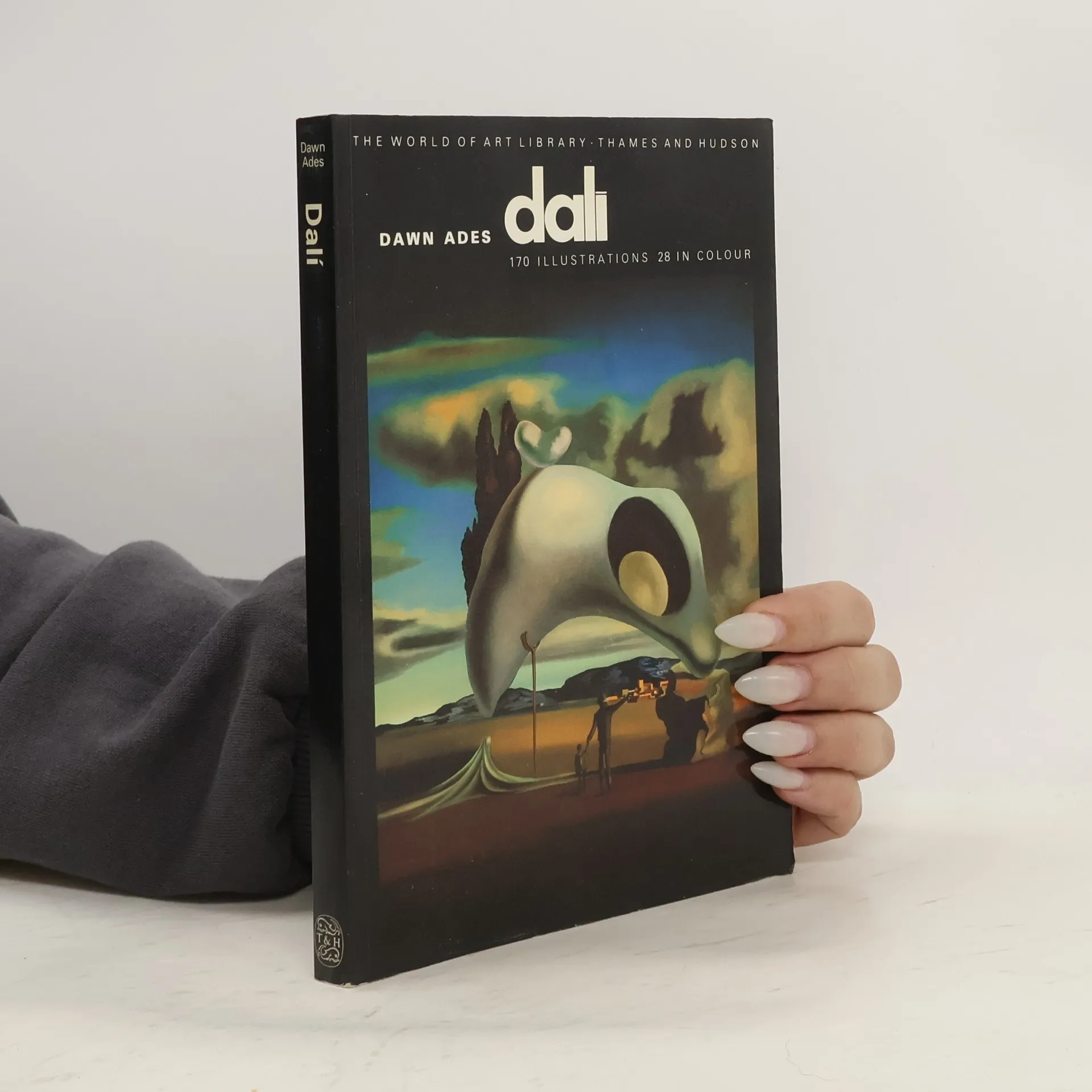
The volume contains an introductory essay by Dawn Ades, with scholarly research incorporated in a 'Dali Dictionary' in the entries on individual works, and in the chronology, which includes a quantity of new material.