Constantin Brancusi
- 208 pages
- 8 hours of reading
Brancusi is one of the most important sculptors of the 20th century. He worked in wood, marble and stone, creating works of pure shapes which often took their inspiration from nature



Brancusi is one of the most important sculptors of the 20th century. He worked in wood, marble and stone, creating works of pure shapes which often took their inspiration from nature
Vincent van Gogh lived the passionate life of an art-obsessed man. The real van Gogh lived a distinctly unromantic life: the son of a clergyman, he was obsessed with helping the poverty-stricken, struggled with mental illness, and persisted with his painting even in the face of the world's indifference to his art. This volume strips away the old romantic image and reveals to readers a van Gogh who suffered deeply, living his life on the edge of madness. In these pages, readers will encounter one of the world's greatest artists and a man with a tragic destiny.
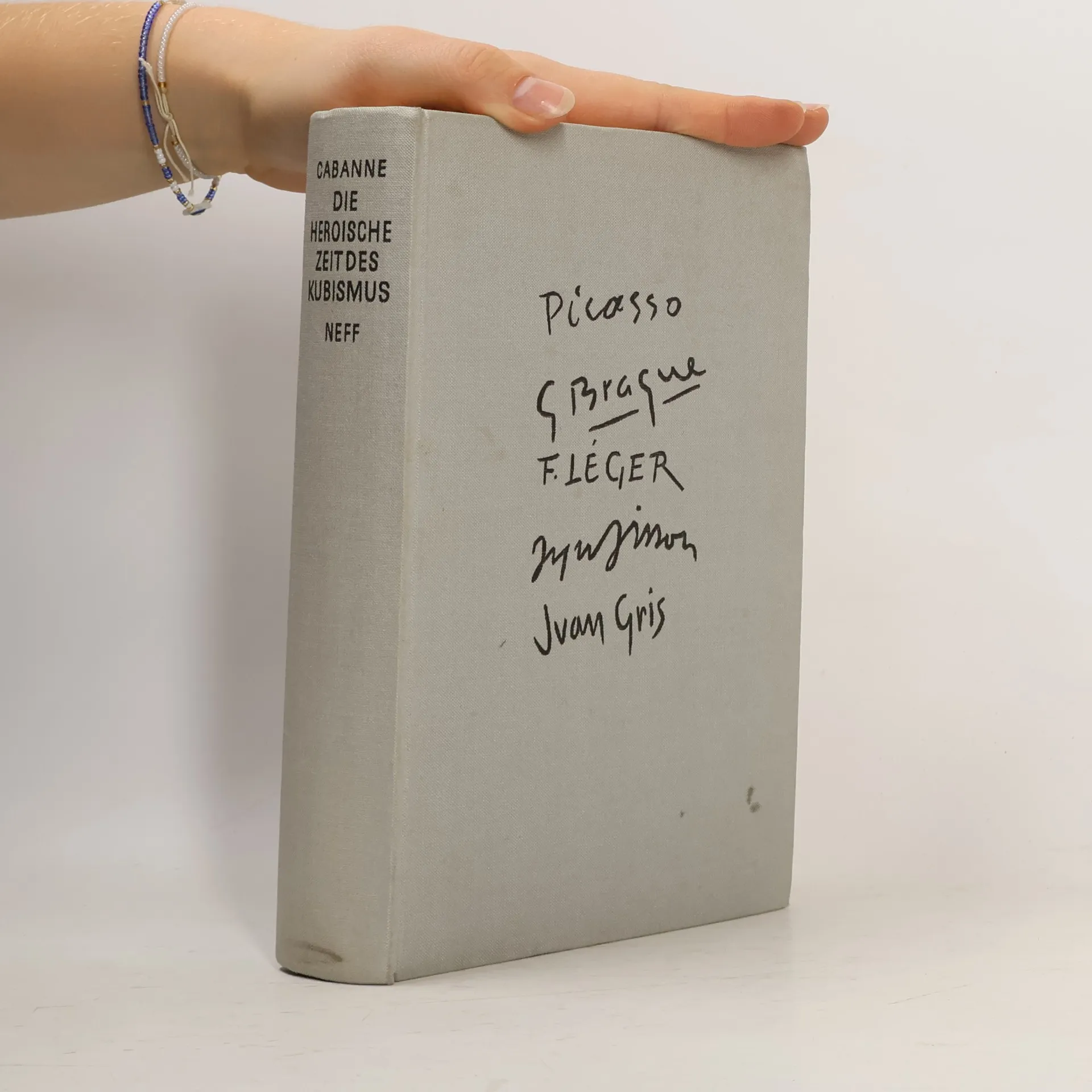
This book dedicated to cubism written by one of the leading art historians of the world, showcases 200 full-color illustrations on the topic of the richest period in modern art.
Another title from The Crown Art Library, the most useful monographs available on a wide range of significant artists. Each volume is written by an internationally recognized authority and is generously illustrated with full-color reproductions of the artist's paintings and two-color reproductions of sketches and line drawings.
Another title from The Crown Art Library , the most useful monographs available on a wide range of significant artists. Each volume is written by an internationally recognized authority and is generously illustrated with full-color reproductions of the artist's paintings and two-color reproductions of sketches and line drawings.
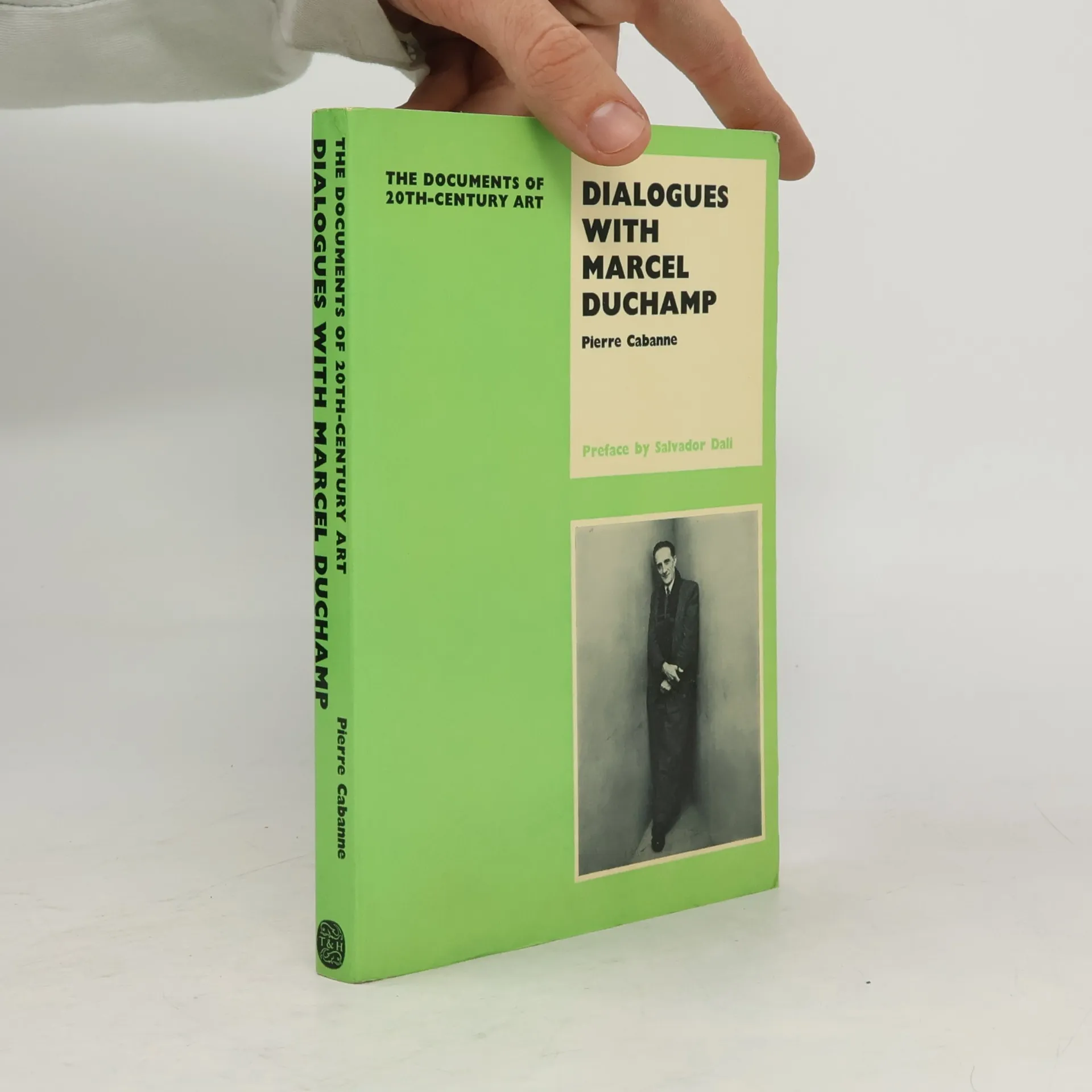
Des illustrations en couleur reproduisent un panorama de la création artistique à l'époque de Marcel Duchamp, y compris les œuvres emblématiques de l'artiste. L'auteur, une autorité reconnue sur Duchamp, guide les lecteurs vers une compréhension de la nature non conventionnelle de son art et de son influence sur les générations d'esprits créatifs qui l'ont suivi. 140 illustrations en couleur.
Edición en castellano, encargada por el Ministerio de Cultura de España, de la obra de Pierre Cabanne al cumplirse el centenario del nacimiento de Pablo Picasso.
Il y a un cas Derain.Ses contemporains, Picasso, Braque, Matisse, Chagall, Léger n'ont connu aucune éclipse. Mais Derain, on ne lui a pas seulement tenu rigueur d'avoir, sous l'Occupation, participé au voyage des artistes dans l'Allemagne nazie : son évolution de peintre, sa conception ou ses écrits sur l'art furent au centre de débats animés.Prenant prétexte d'une grande rétrospective qui sera une découverte pour beaucoup, Pierre Cabanne entreprend de comprendre pourquoi adhésion comme rejet furent à ce point mesurés à Derain. Est-il plus heureux et plus novateur dans ses toiles fauves ? Plus intelligent et plus lucide dans ses nus ou ses paysages classiques ? Plus souple et plus sensuel dans ses crayons ou ses nus à la sanguine ? Plus coloriste et raffiné dans ses décors et costumes de ballets ? Plus sensible dans ses portraits anguleux ou opulents.C'est que chez Derain aucune période, aucun style, aucune technique ne domine, aucun courant ne vient en profondeur irriguer telle ou telle partie de son oeuvre. À travers ses différentes époques, celle-ci garde sa tenue : un peu extérieure parfois, distante du sujet, mais toujours singulière et ne se référant qu'à la seule peinture.
Der Mensch und sein Werk
Book by Cabanne, Pierre
Overzicht van de stroming in de beeldende kunst, ontstaan aan het begin van de twintigste eeuw, met het zwaartepunt op het kubisme in Frankrijk.
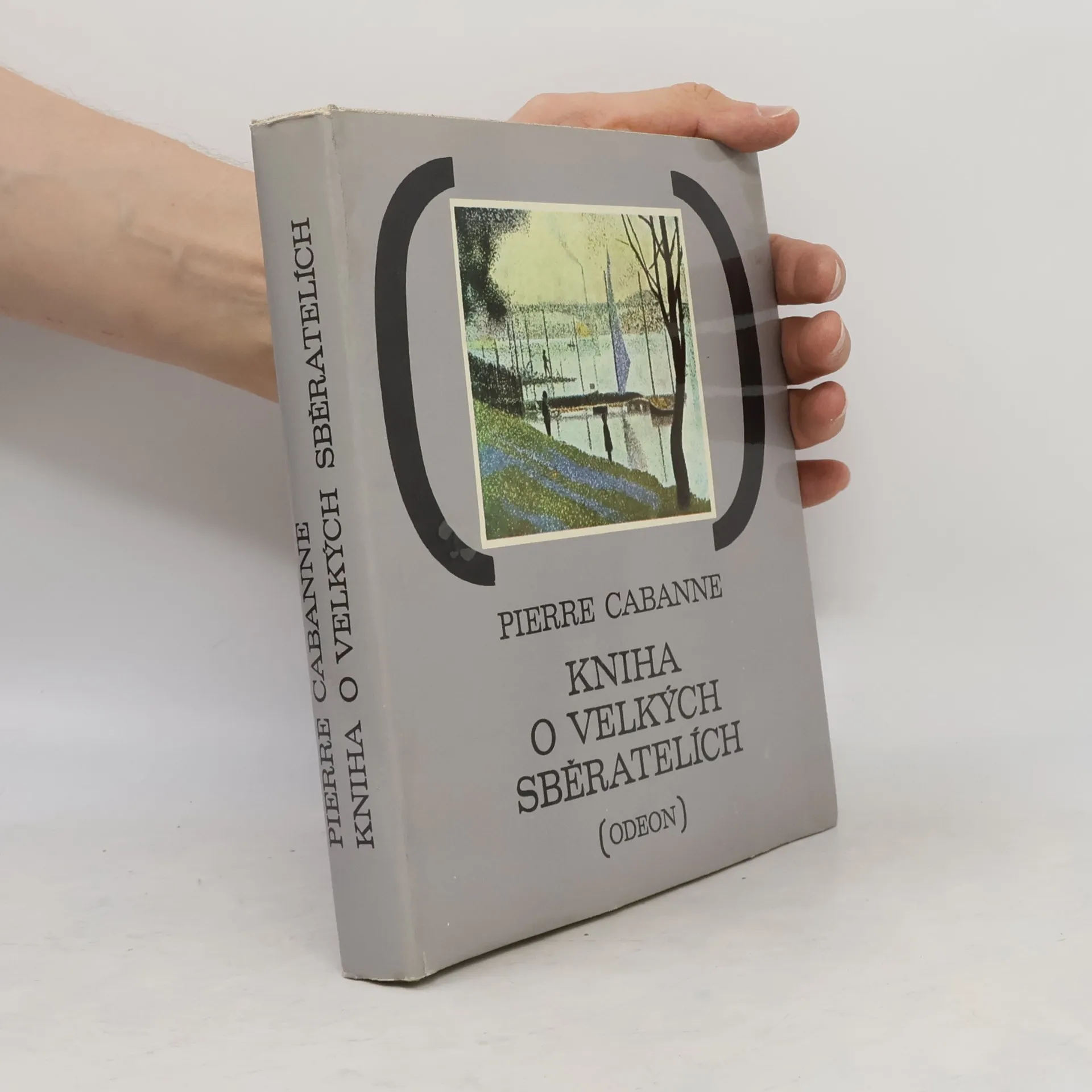
Ve dvanácti medailoncích zde autor představuje 12 proslulých sběratelů uměleckých děl. Začíná 18. století a sbírkami carevny Kateřiny, které jí pomáhal vytvořit sám Diderot, a končí medailonkem „bláznivé“ Američanky pí Guggenheimové, jejímž výstředním zálibám vděčíme za jednu z nejpěknějších sbírek avantgardního umění 20. století. Přeložil a poznámkami v textu opatřil Oskar Reindl, doslov napsal, ilustrace vybral a jmenný rejstřík sestavil František Šubert.