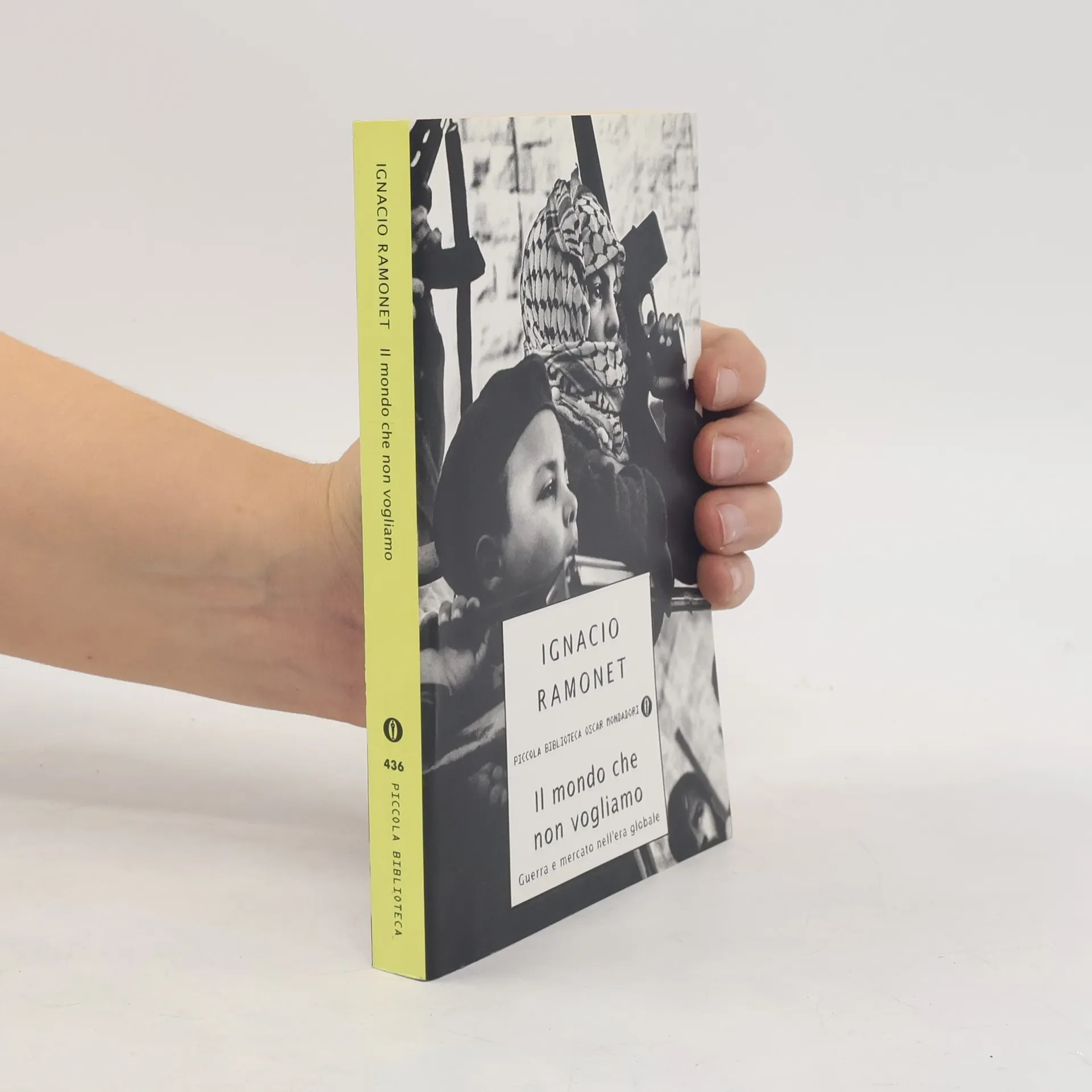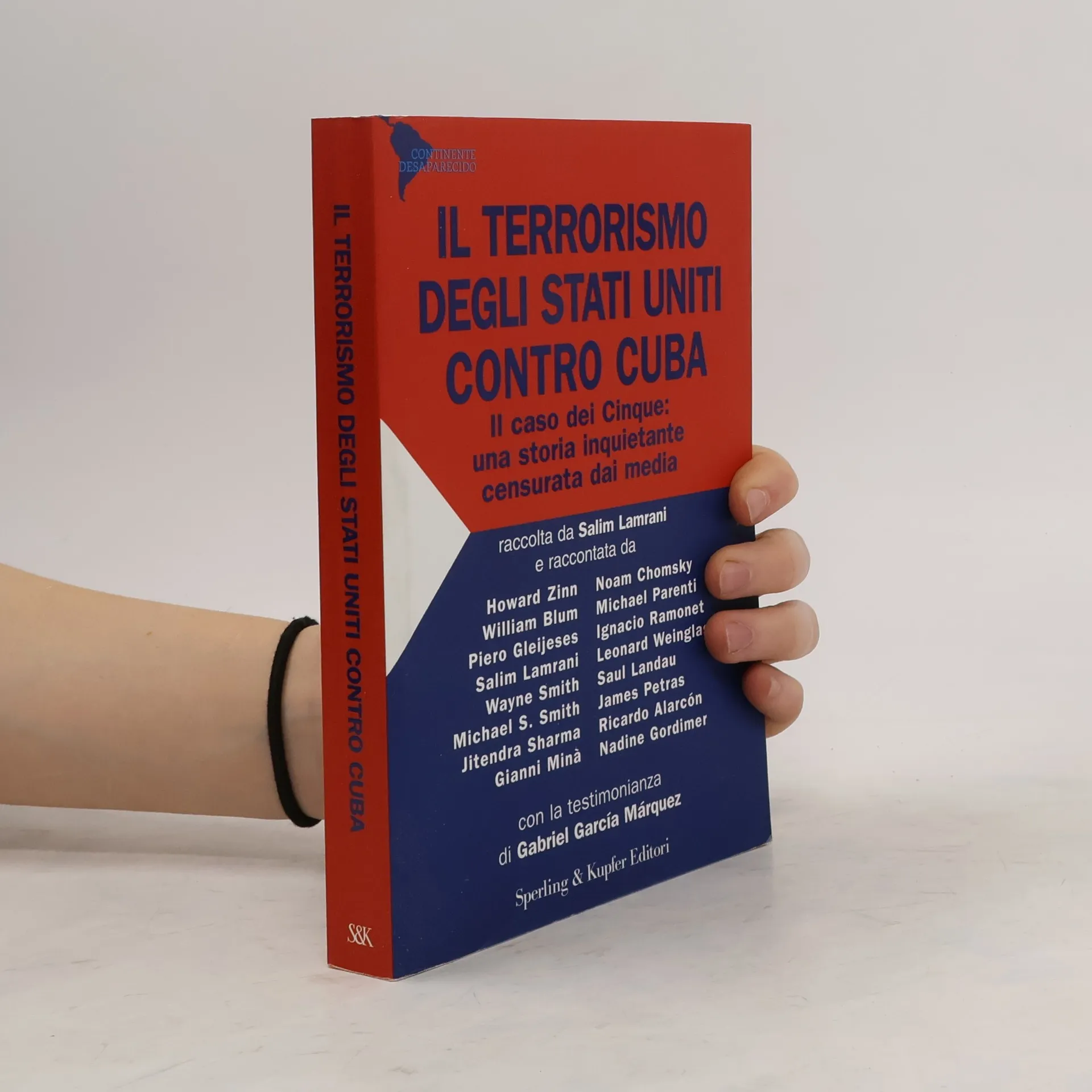
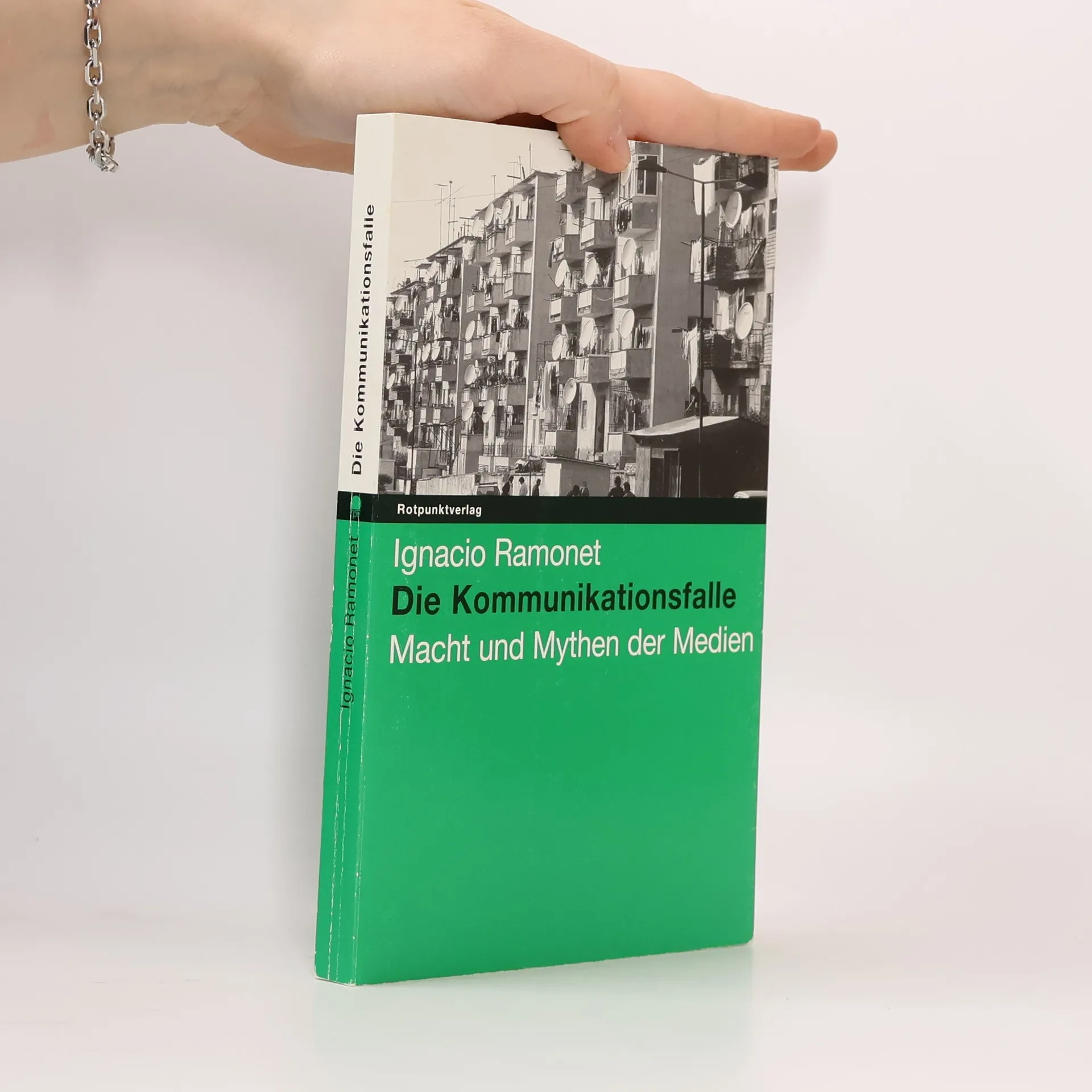

Ignacio Ramonet is a Spanish journalist based in France. He is a pivotal figure in the alter-globalization movement, with his work delving into the intricate relationships between media, power, and society. Ramonet's influential approach shapes discussions on global issues, fostering critical thinking about the contemporary world.
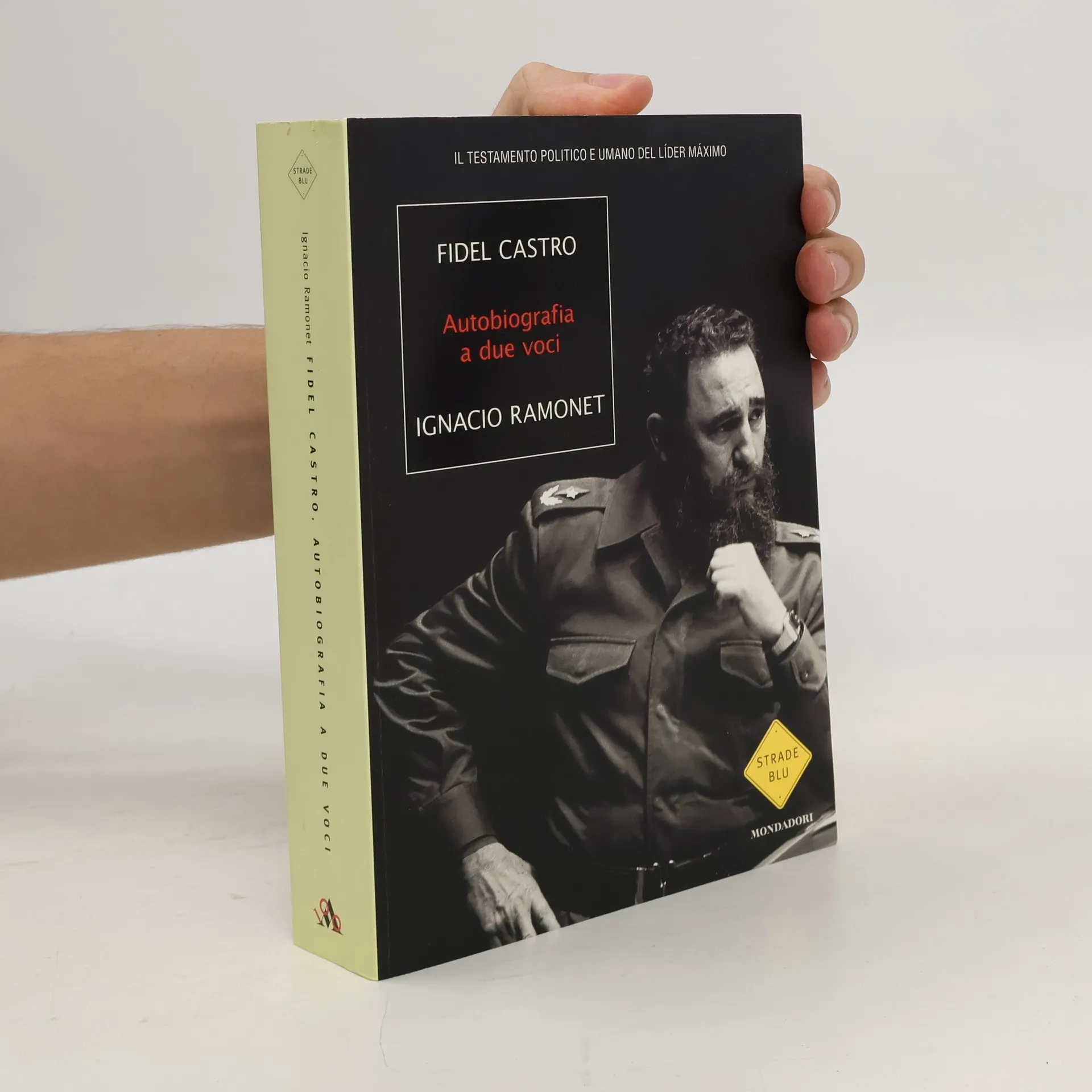
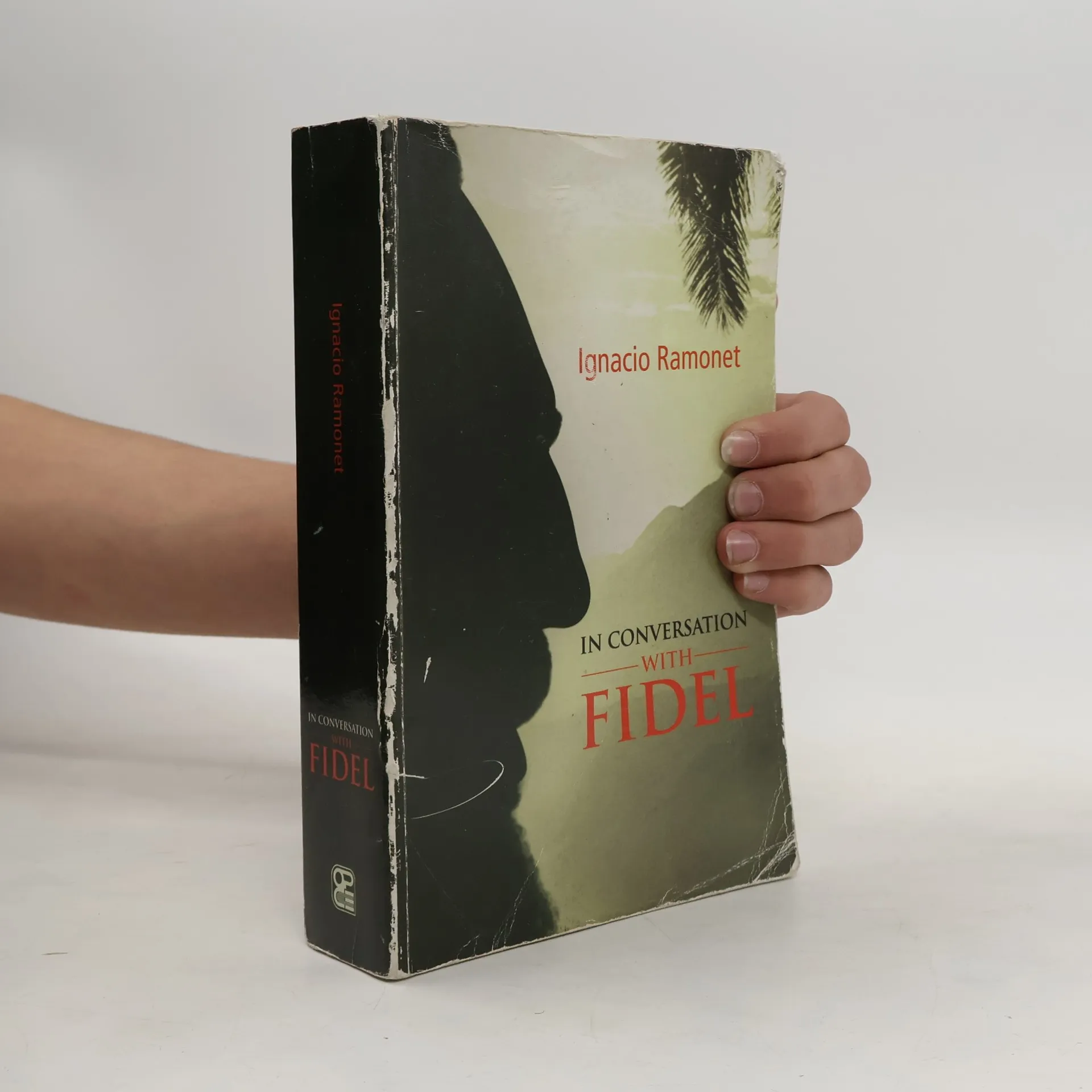
Presents a series of interviews by Ignacio Ramonet, well-known activist and editor of "Le Monde Diplomatique", in which Fidel Castro describes his life. He discusses his parents, his earliest influences, the beginnings of the revolution, his relationship with Che Guevara, the Bay of Pigs, the Carter years, and Cuban migration to the US
The acclaimed autobiography of Fidel Castro, one of the towering political figures of our age, who dominated both Cuba and the world stage for over half a century. Here Castro tells his story in full for the first time, speaking openly about everything from his parents and earliest influences to his imprisonment, guerrilla war and the Cuban revolution and on to the Bay of Pigs, the missile crisis and his relationship with Che Guevara. He also remembers the people he knew, from John F. Kennedy to Ernest Hemingway. Whatever your views on Castro are, this is an essential record of an incredible life - and even more extraordinary times. 'Cubaphiles are all the richer for this book ... Castro's prodigious gifts are well displayed: his formidable erudition, steely discipline, epic curiosity and his astute grasp of history' Financial Times 'Castro's life has been extraordinary and he can tell a good story' Evening Standard
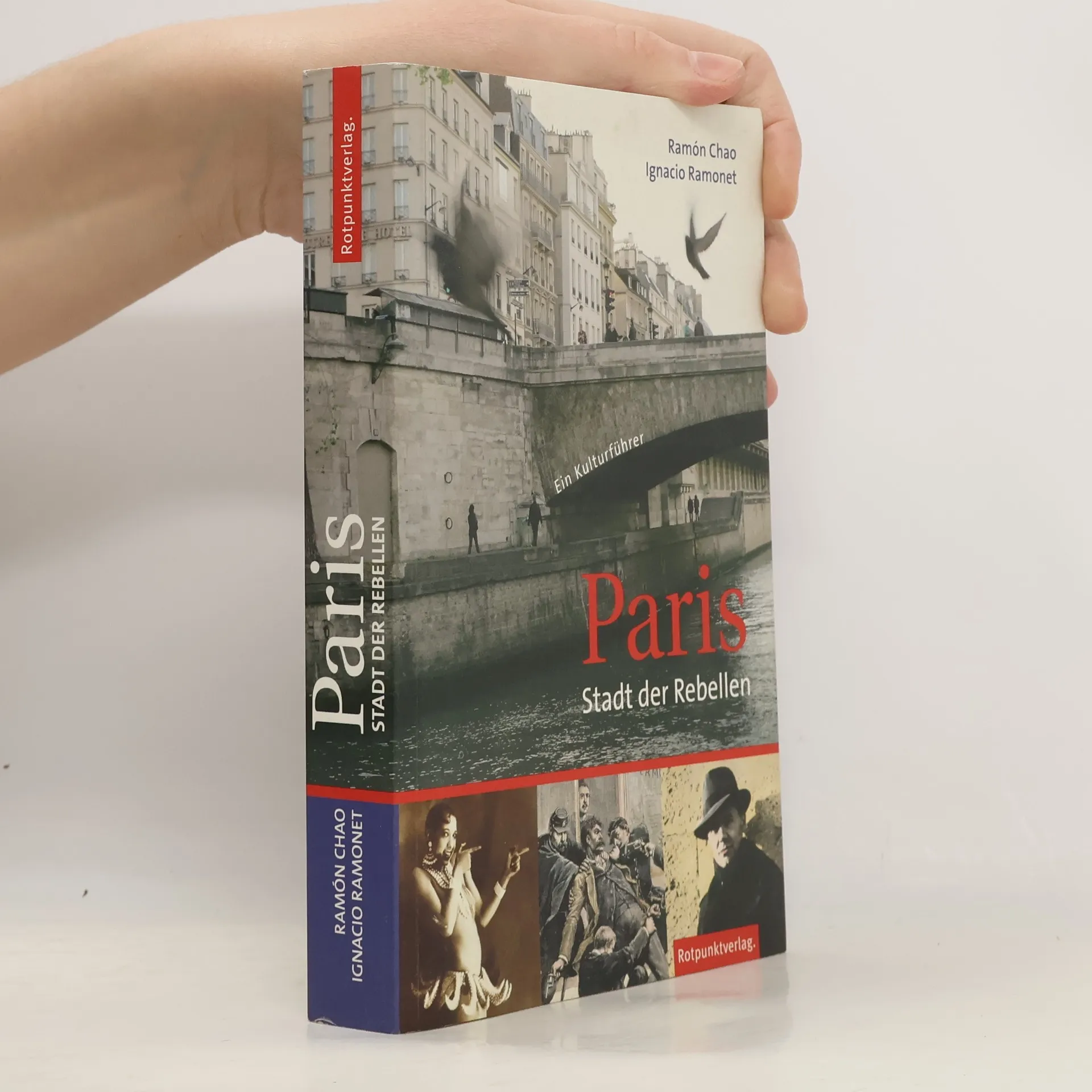
Barrikaden, Bohème und Libertinage – keine Frage: Paris ist die Stadt der Revolten und der Revolution. Als im Mai 68 die Studenten und später die Arbeiter auf die Straße gingen, errichteten sie Barrikaden – und griffen damit auf e ine alte Pariser 'Erfindung' zurück. Barrikaden wurden auch in der Julirevolution von 1830 und während der Pariser Kommune von 1871 gebaut. Und über allem steht natürlich die Mutter aller Revolutionen, jene von 1789, die die Welt nachhaltig veränderte. Revolutionäre Persönlichkeiten ließen sich von dem Genie der Stadt anregen – Karl Marx, Rosa Luxemburg, Ho Chi Minh, Claire Lacombe, um nur ein paar zu nennen. Sie debattierten in den Cafés und trafen dort Künstler, die stets für Unruhe sorgten: Chronistinnen und Mahner wie François Villon, George Sand, Émile Zola, Victor Hugo oder Simone de Beauvoir, die Enfants terribles Arthur Rimbaud, André Breton, Josephine Baker, Erik Satie, und viele andere. Dieses Buch begleitet uns auf Streifzügen durch das rebellische Paris. Lesebuch und Stadtführer in einem, nimmt es uns mit durch die Arrondissements, erzählt Anekdoten und hebt vergessene Schätze der Geschichte von Paris. Ergänzt wird der Band mit vielen historischen und zeitgenössischen Fotos und praktischen Stadtplänen.
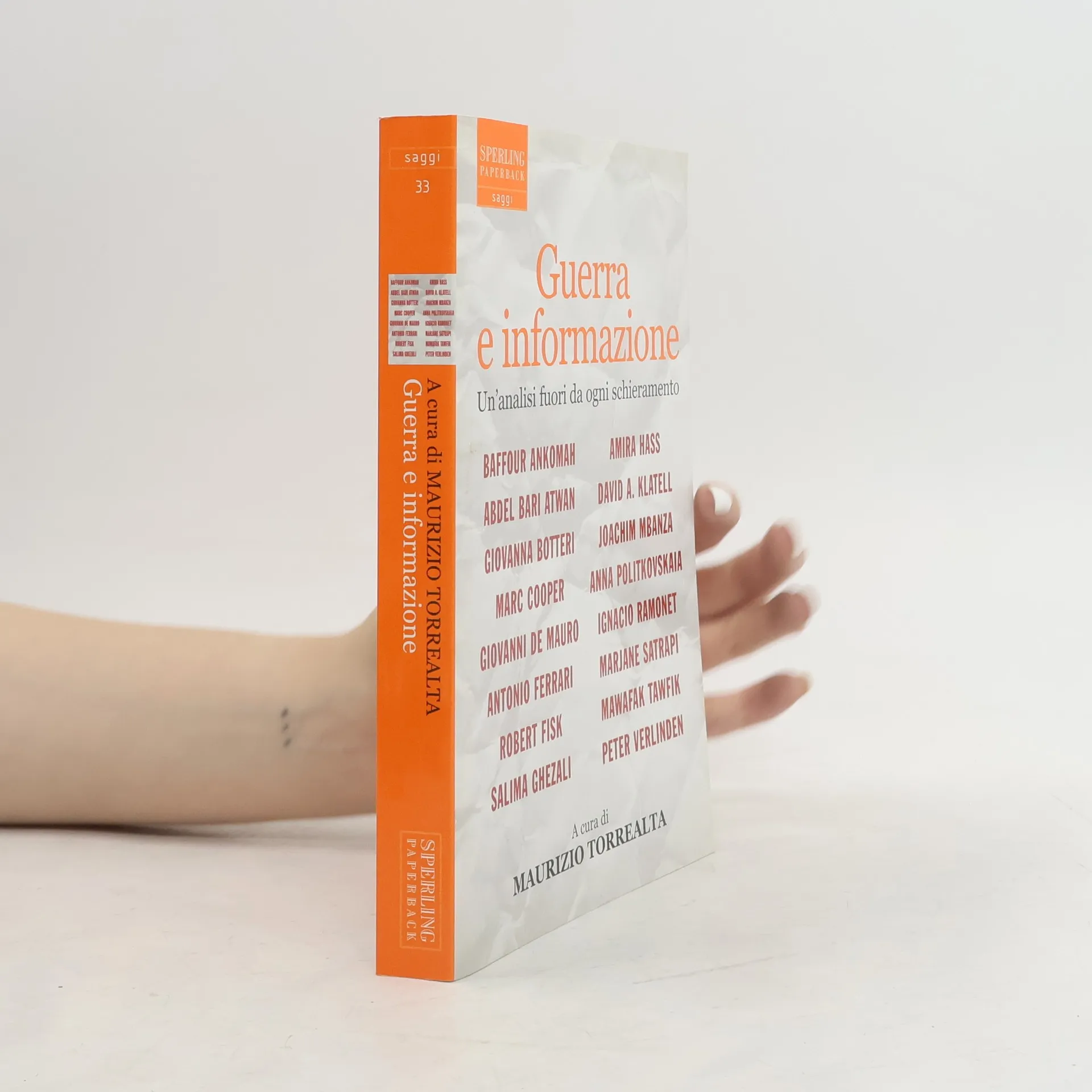
Dalle voci più autorevoli della stampa internazionale, una raccolta di interventi su uno dei temi più critici dell'informazione: come fare giornalismo indipendente oggi. Dalle zone calde del pianeta - dall'Algeria alla Cecenia, dai territori palestinesi occupati all'Iraq e all'Afghanistan voci fuori da ogni schieramento raccontano un mondo che non assomiglia più alla geografia insegnata nelle scuole. Alcuni di loro scrivono in russo, altri in inglese, altri in arabo, altri in ebraico: molti sono riusciti a guadagnarsi la stima dei loro nemici e a perdere quella dei loro amici.
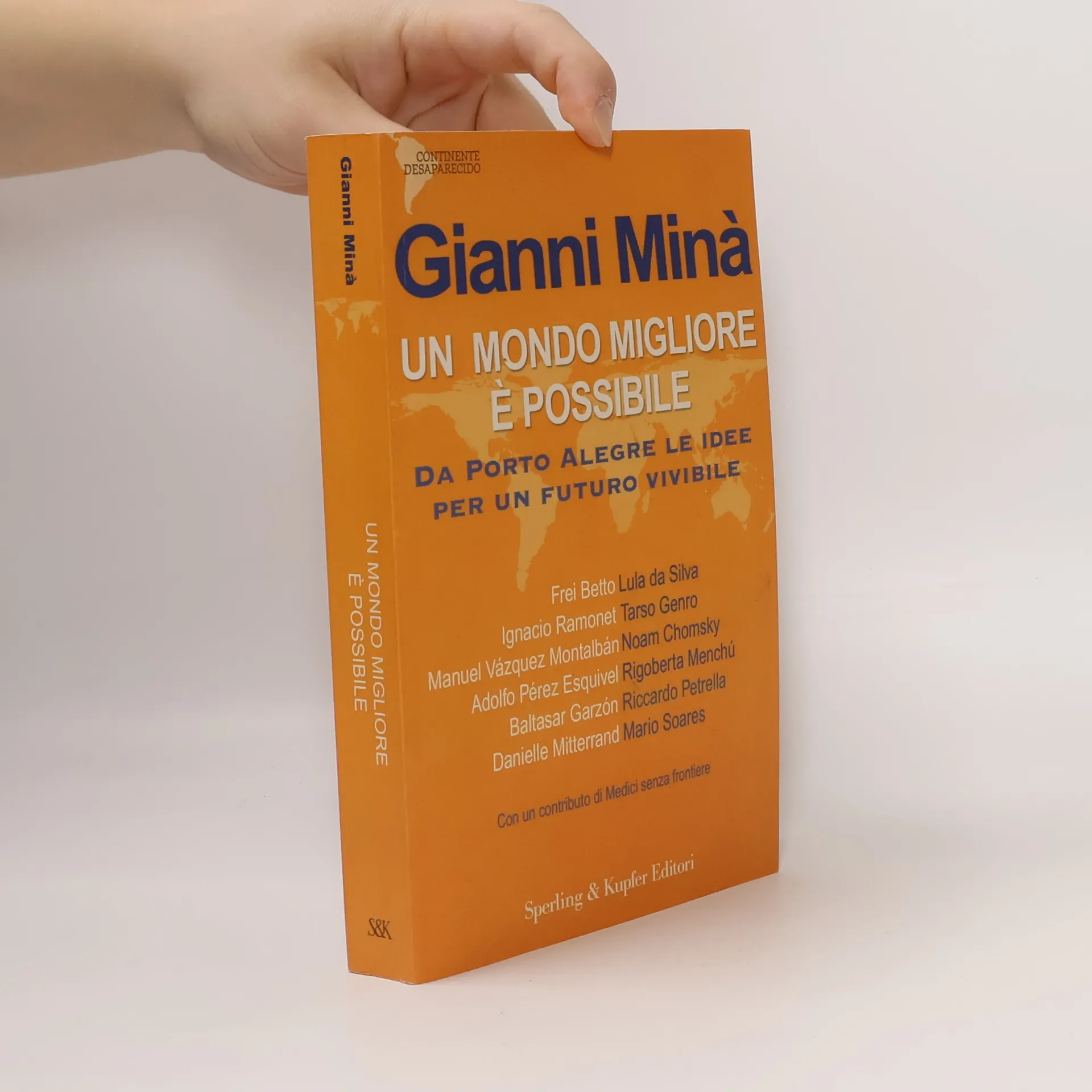
Porto Alegre, nel Sud del Brasile, è ormai diventato il punto di incontro per tutte le persone impegnate, a vario titolo, a fronteggiare e sanare le profonde ferite sociali inferte dalla nuova economia globalizzata. Lì Gianni Minà ha incontrato molti rappresentanti del vasto e composito movimento "no global" e, intervistandoli, ha cercato di fare il punto della situazione sulle questioni più urgenti e gravi, dalla mancanza d'acqua per miliardi di persone alla tragedia delle vittime di guerra.
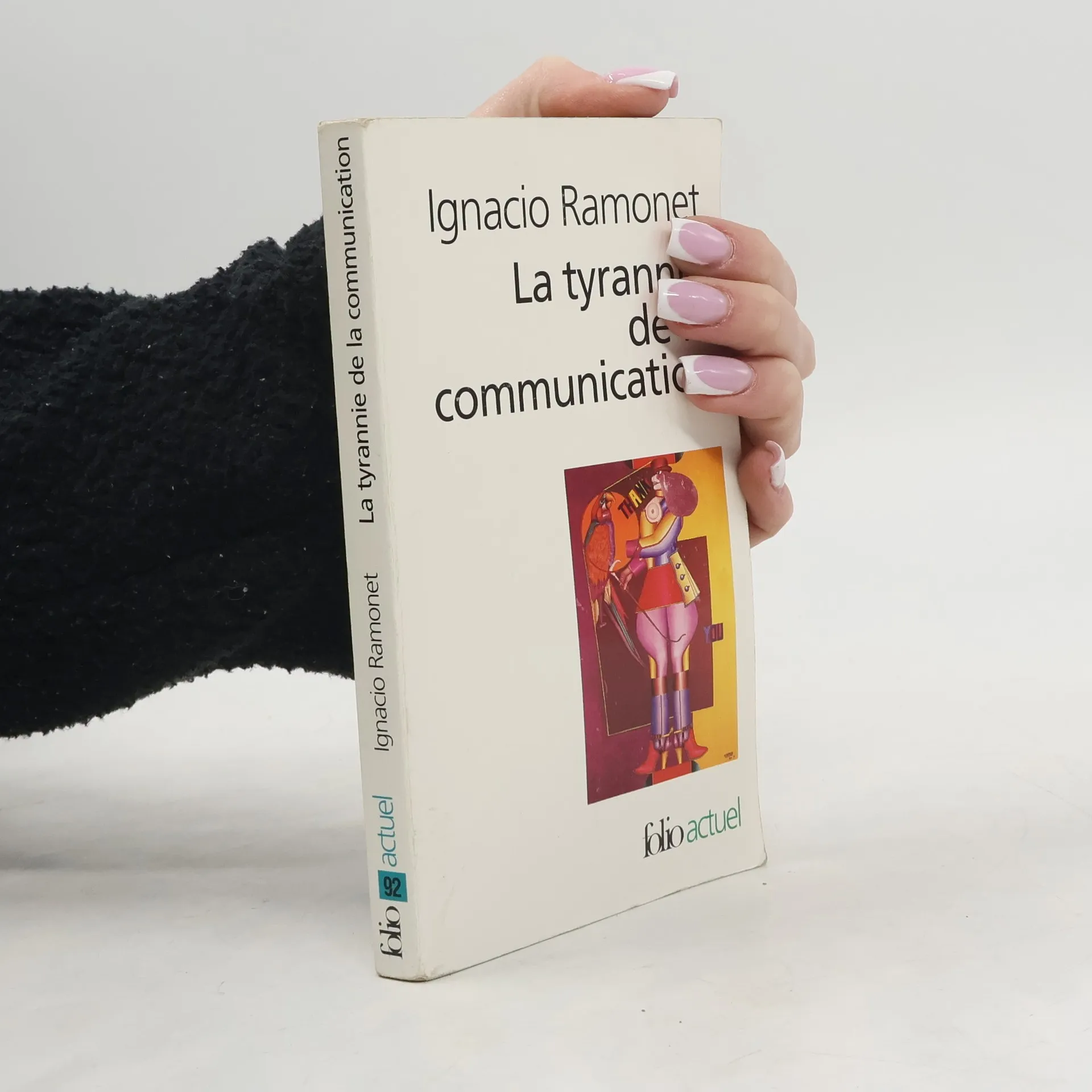
Alors que semblent triompher la démocratie et la liberté dans une planète largement débarrassée des régimes autoritaires, les censures et les manipulations, sous des aspects divers, font un paradoxal retour en force.De nouveaux et séduisants «opiums des masses» proposent une sorte de «meilleur des mondes», distraient les citoyens et les détournent de l'action civique. Dans ce nouvel âge de l'aliénation, à l'heure de la world culture, d'Internet et de la «télévision-réalité», les technologies de la communication jouent, comme jamais, un rôle idéologique central : plus on communiquera, nous dit-on, plus notre société sera harmonieuse, plus grand sera notre bonheur.S'imposant comme l'obligation absolue, inondant tous les aspects de la vie sociale, politique, économique et culturelle, la communication exerce déjà sa tyrannie.