Book by Wistrich, Robert S.
Robert S. Wistrich Books
April 7, 1945 – May 19, 2015

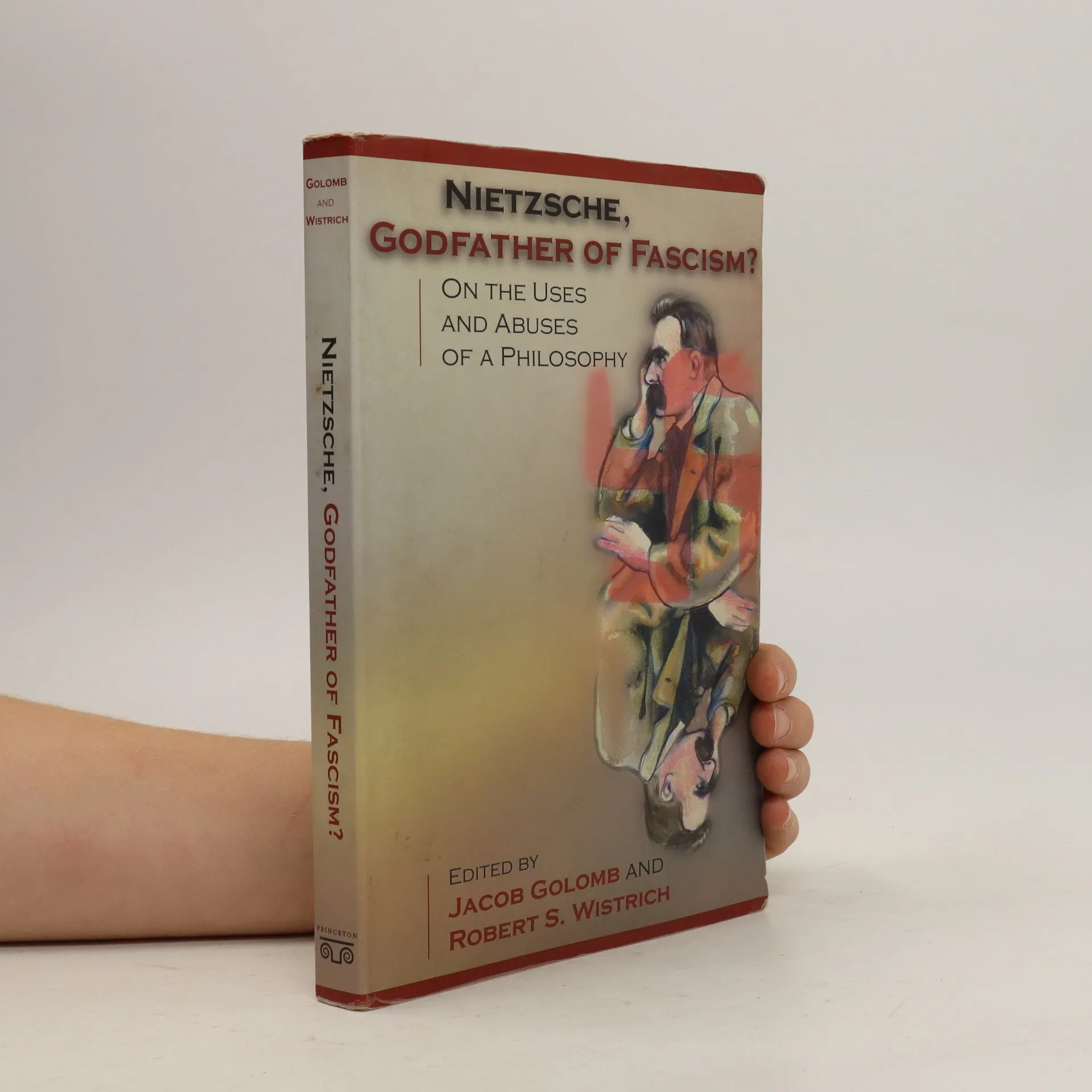
Nietzsche, Godfather of Fascism?
- 344 pages
- 13 hours of reading
Frequently described as the "radical aristocrat" of the spirit, Nietzsche abhorred mass culture and strove to cultivate an Ubermensch endowed with exceptional mental qualities. This title explores Nietzsche's attitudes toward Jews, Judaism, Christianity, anti-Semitism, and National Socialism.
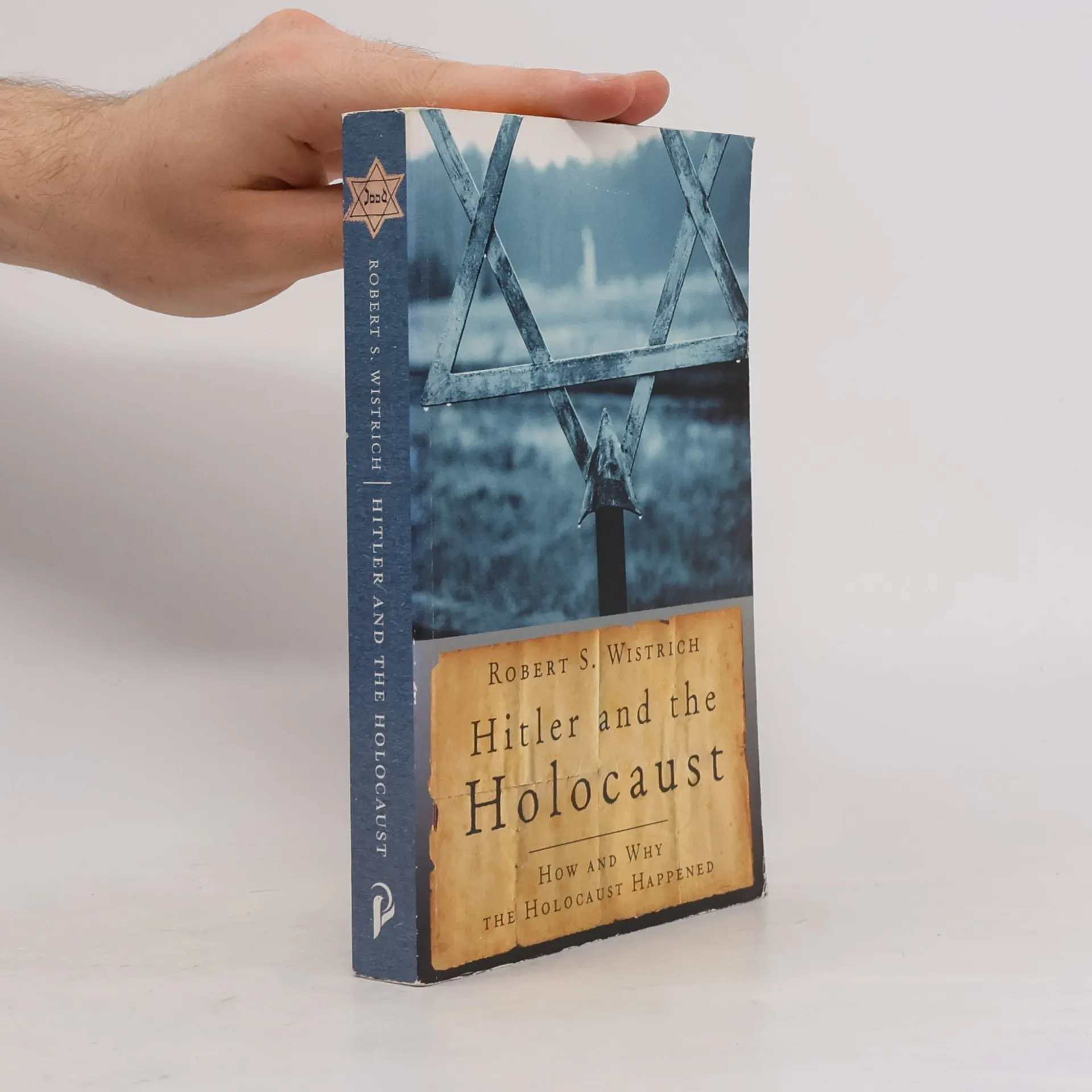
Universal History: Hitler And The Holocaust
- 336 pages
- 12 hours of reading
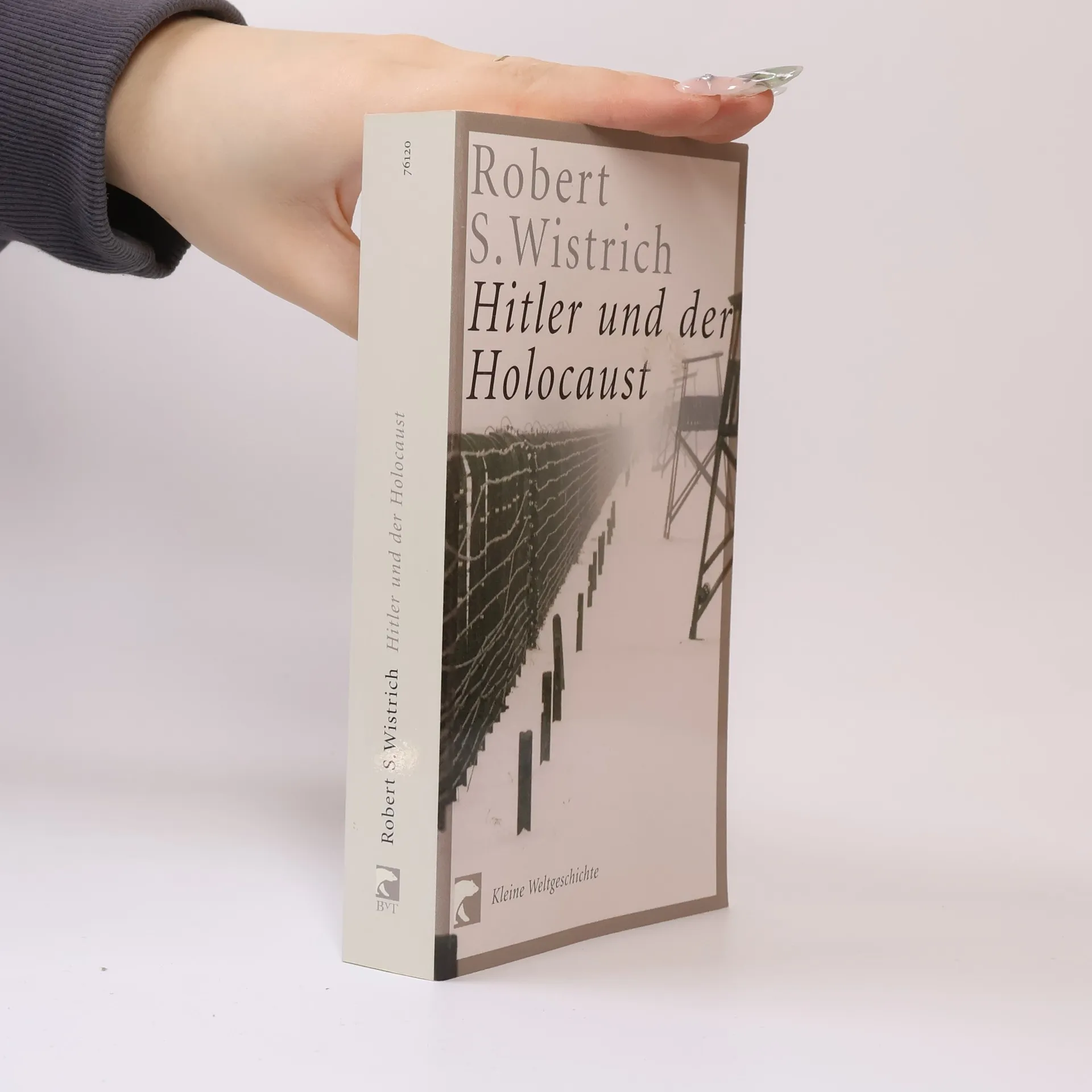
Robert Wistrich begins by exploring the origins of anti-Semitism in Europe, and especially in Germany, to try to explain how millions of Jews came to be killed systematically by the Third Reich. In the process of relating these events, he provides new and incisive answers to a number of central questions concerning the Shoah that have emerged over recent years: who, inside and outside Nazi Germany, knew that Jews were being murdered; how responsibility for the genocide should be divided between Hitler himself and ordinary Germans; and how historians have tried to make sense of the Holocaust. The book concludes by considering the legacy of Nazi crimes since 1945: the Nuremburg trials, the impact of the Holocaust on Diaspora Jewry (particularly in Israel and America), and the rise of neo-Nazism and Holocaust-denial.
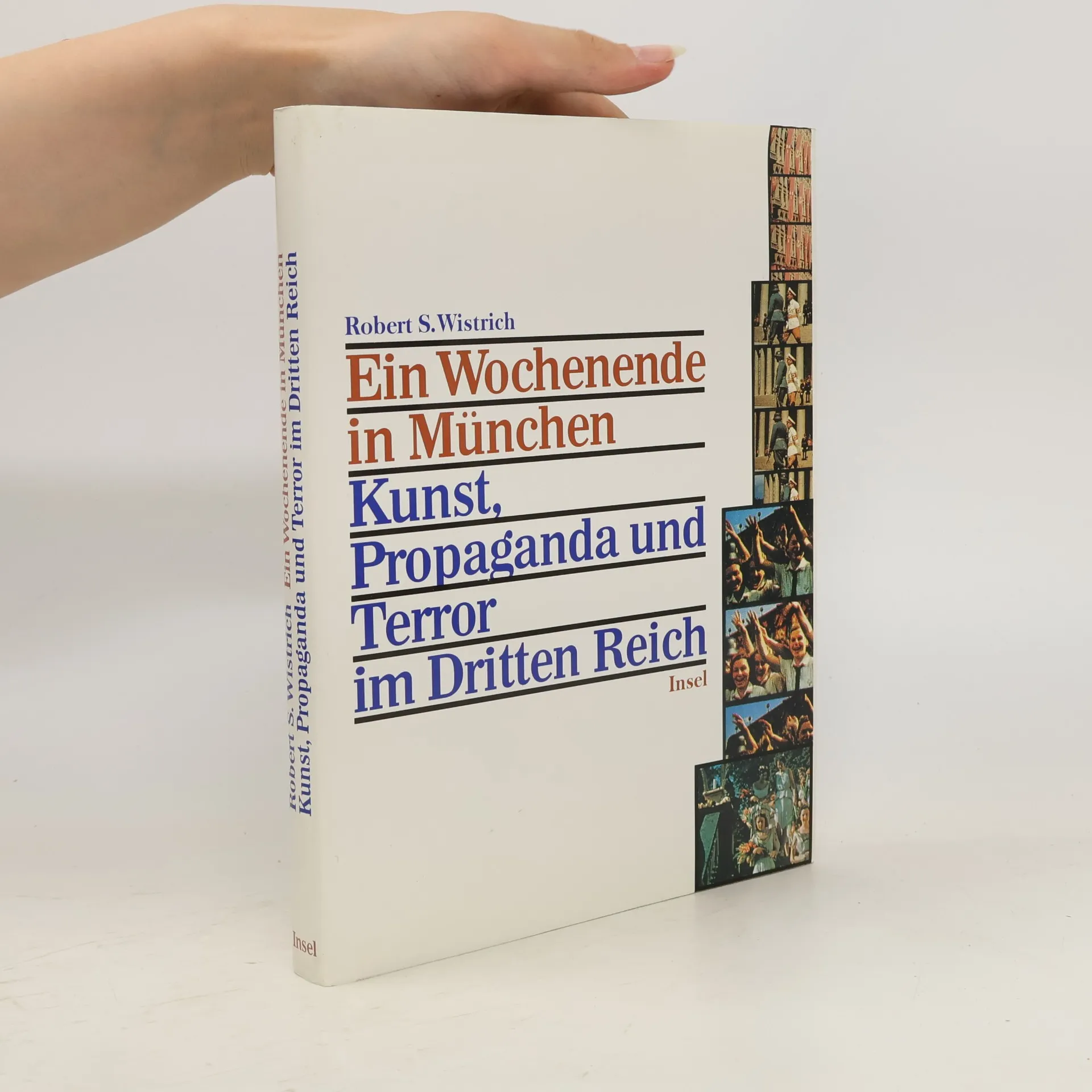
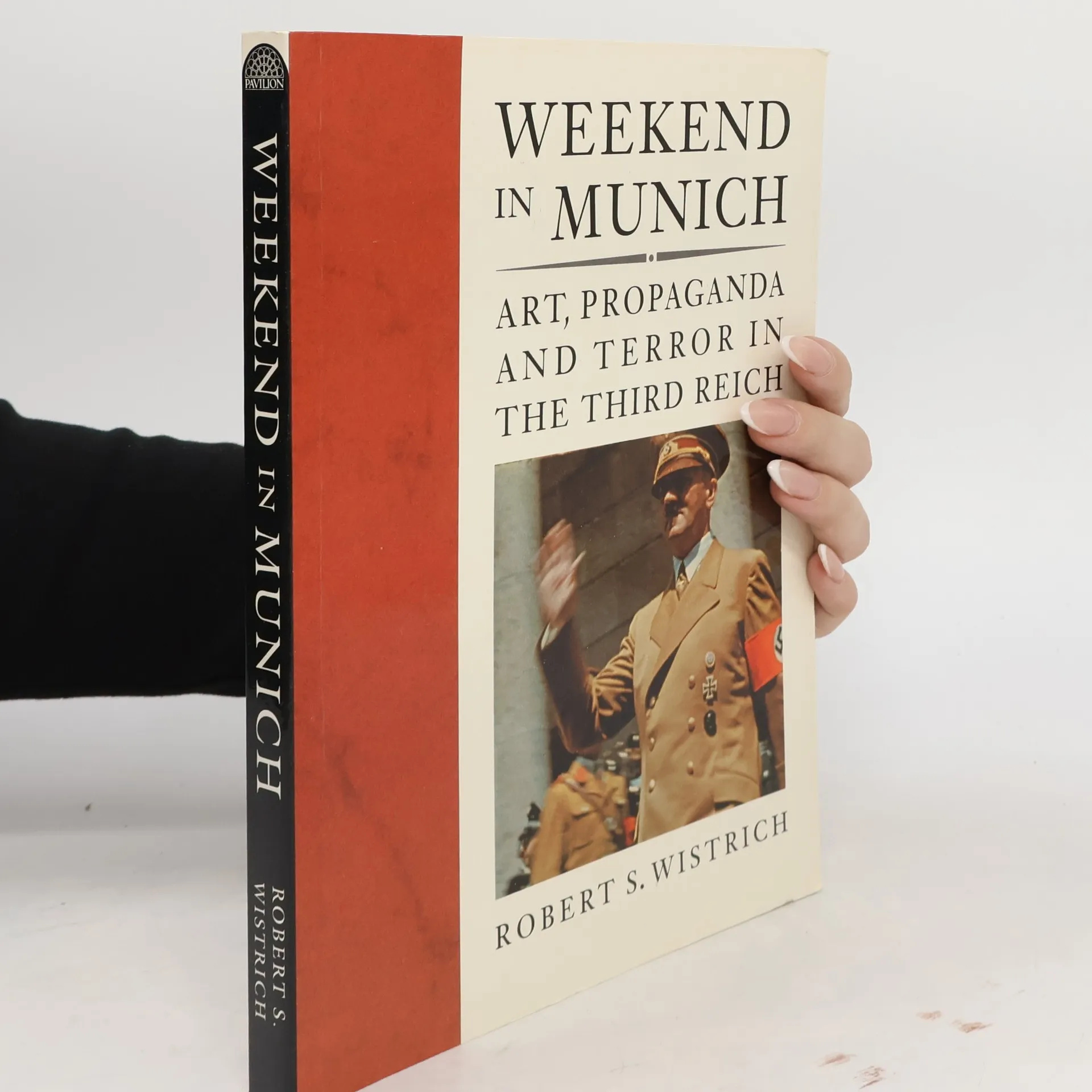
Ein Wochenende in München
- 176 pages
- 7 hours of reading
Hitler und der Holocaust
- 414 pages
- 15 hours of reading
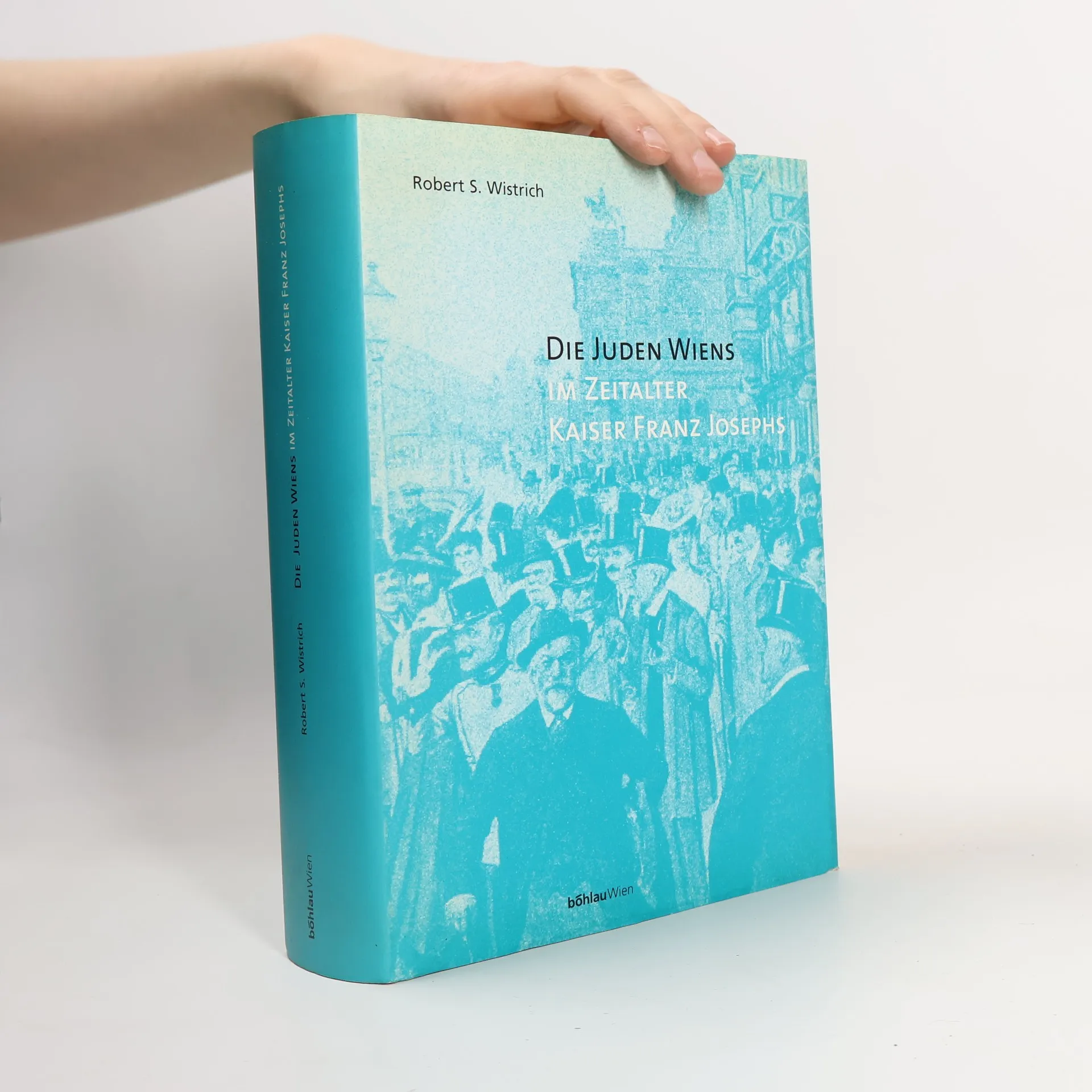
This study depicts and evaluates the golden age of Viennese Jewry during the long reign of Emperor Franz Joseph (1848-1916). Based on detailed research, it provides new insights not only into the factors that favoured the ascent of Viennese Jewry and the antisemitic movements that accompanied its rise, but also into the ideological conflicts that have marked the 20th century. its repercussions on Jewish identity, and examines in detail the genesis of Zionism, Autonomism, Austro-Marxism and psychoanalysis as Jewish strategies and responses to the dilemmas of modernization. In doing so, he analyzes the problems of identity that affected the Jewish intelligentsia of Vienna and helped make it the scene of one of the most seminal intellectual revolutions in history. history, social historians and the general reader with an interest in Vienna.
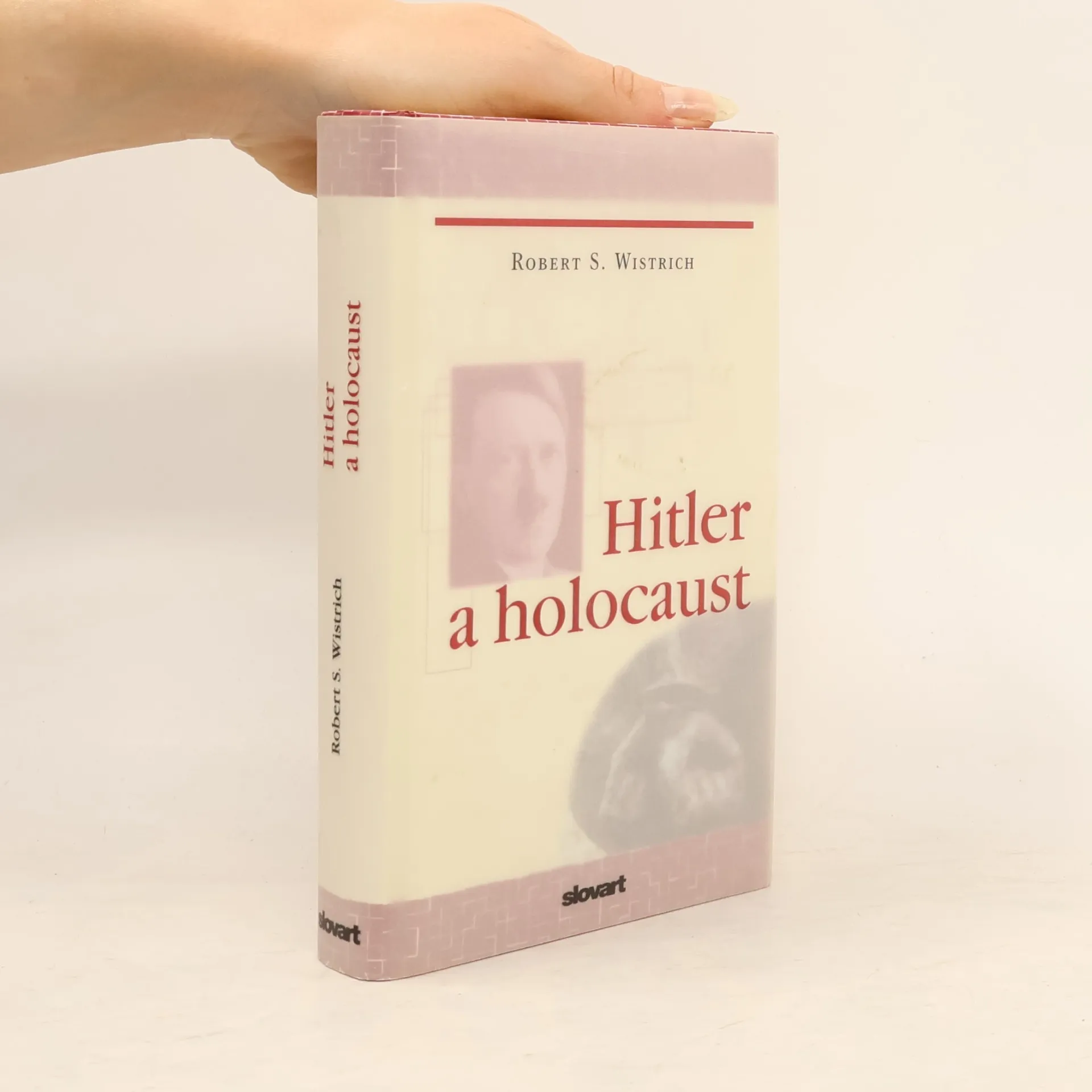
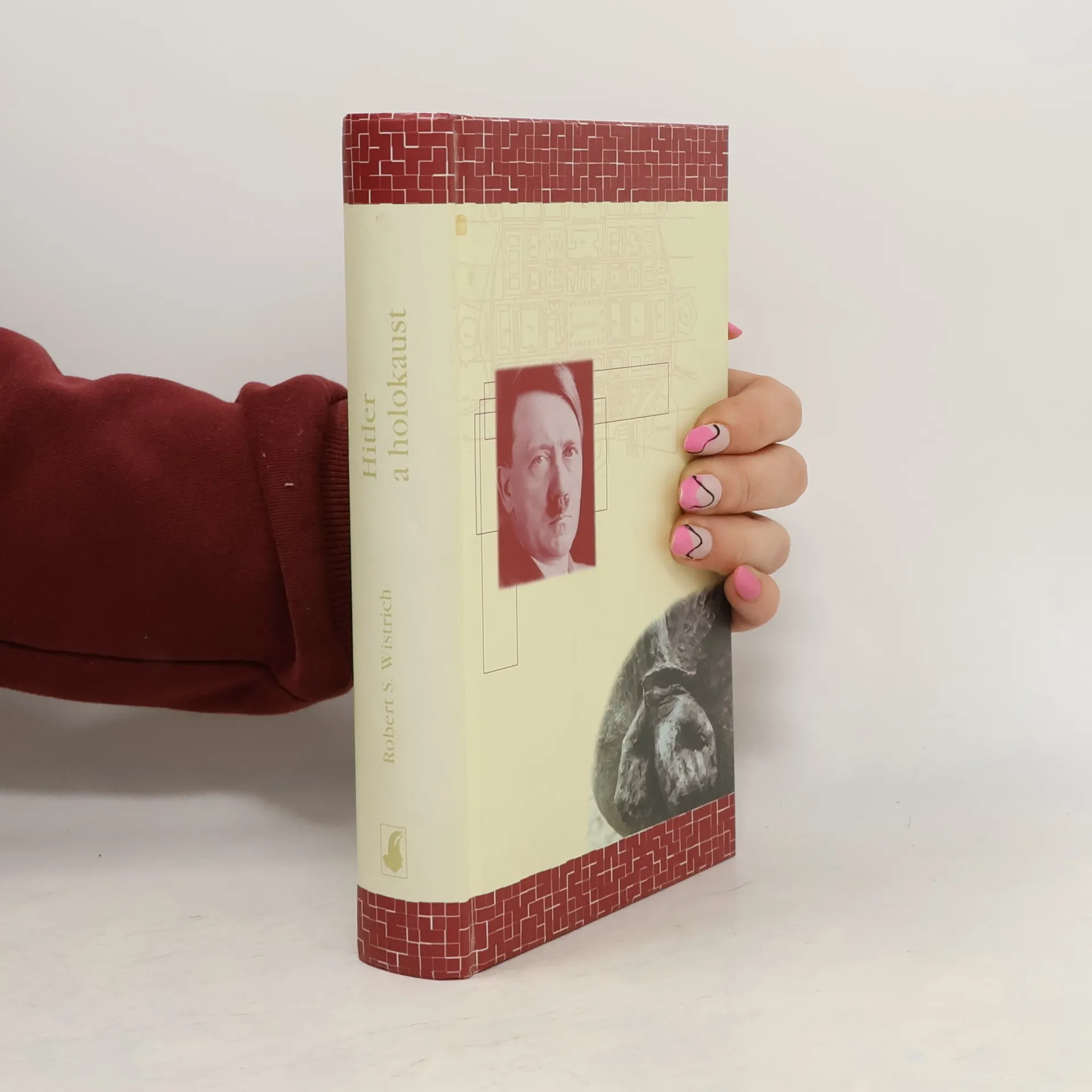
Okolnosti a příčiny holocaustu. Dějiny antisemistismu, jeho historické kořeny a konkrétní projevy. Zrod plánu na fyzickou likvidaci židovského národa, jeho místo v nacistické ideologii a realizace v praxi vyhlazovacích táborů a plynových komor. Antisemitismus se, podle autora, zrodil z deformované tradice křesťanského antijudaismu a byl rozšířen prakticky po celé Evropě. Historický vývoj v Německu po 1. světové válce (hospodářský propad, oslabení mezinárodního postavení země atd.) vyvolal posílení nacionalismu a xenofobních nálad. Zrodila se nacistická ideologie založená na rasové nenávisti a antisemitismu (viz Mein Kampf). Po nástupu fašistů k moci byli Židé vyřazováni ze společenského, politického i hospodářského života. Nacistická vyhlazovací mašinerie soustředila Židy z celé Evropy v ghettech, odkud vedla cesta do vyhlazovacích táborů a na smrt. Autor se zabývá osobním podílem Hitlera na genocidě židovského obyvatelstva. Věnuje se osudu Židů v jednotlivých evropských státech i politice spojenecké koalice, která účinným způsobem nezasáhla a nezabránila masovému vraždění, stejně jako katolická církev.
Hitler a holokaust
- 307 pages
- 11 hours of reading