
Explore the latest books of this year!
Bookbot

Otto Neurath

    December 10, 1882 – December 22, 1945

    This Austrian philosopher of science, sociologist, and political economist was noted for interpreting logical-positivist thought as a basis for behaviorist social and economic theory. A leading figure of the Vienna Circle before fleeing his native country in 1934, he championed ‘the scientific attitude’ and the Unity of Science movement. He denied philosophy any value beyond its role within and for science, asserting that science itself was not a securely founded, logically fixed system of knowledge, but rather intrinsically involved uncertainty, decision, and cooperation. From this naturalistic, holistic, and pragmatist viewpoint, philosophy examines the conditions that make science possible, viewing science as a fundamentally social and historical enterprise. His interest in the social life and well-being of individuals consistently informed his views on the language, method, and unity of science, highlighting that theorizing about society is inseparable from theorizing for and within it. The topics of political economy and visual education, based on the ISOTYPE language, are concrete legacies that have regained relevance, urgency, and interest.

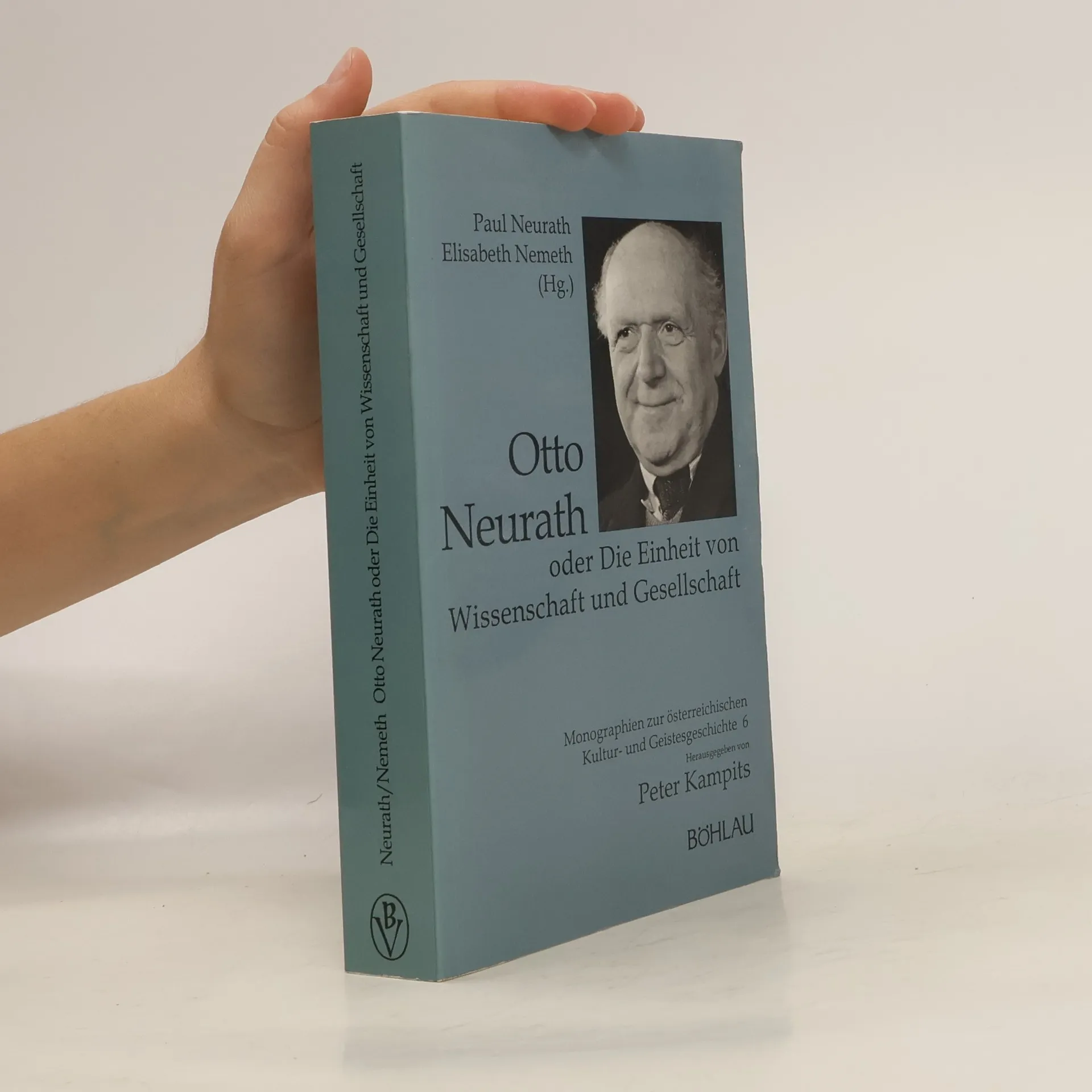
    Otto Neurath oder die Einheit von Wissenschaft und Gesellschaft
    Zur Anschauung der Antike über Handel, Gewerbe und Landwirtschaft.
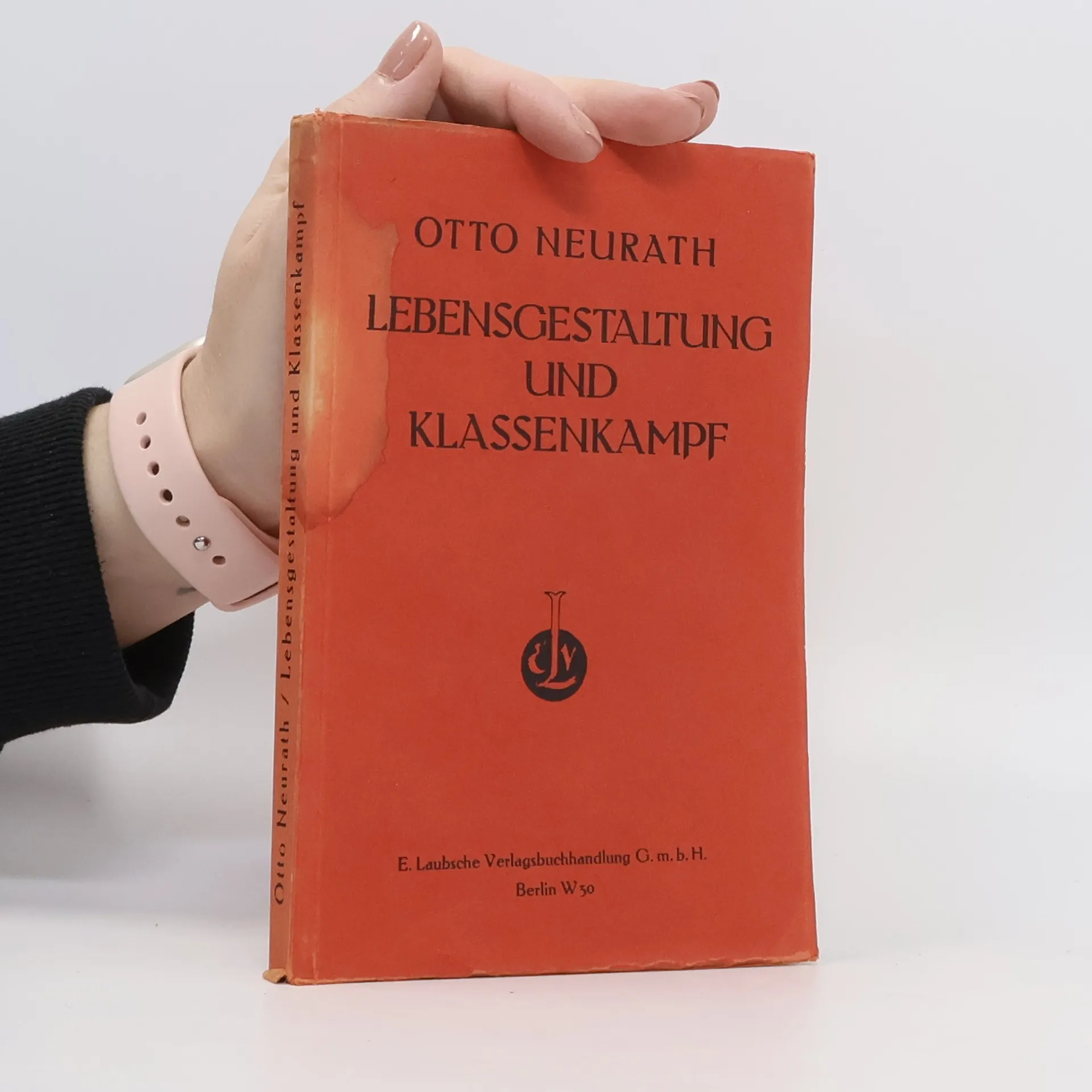
    Lebensgestaltung und Klassenkampf
    From Hieroglyphics to Isotype
    Modern Man in the Making
    International Picture Language: The First Rules of Isotype
    • Recognized for its cultural significance, this work contributes to the foundational knowledge of civilization. Scholars have selected it for its importance, highlighting its relevance and impact on understanding historical and societal contexts.
      International Picture Language: The First Rules of Isotype
    • Otto Neurath's influential book, "Modern Man in the Making," published in 1939, explores the state of the world in the 1930s through text and illustrations. It introduces Isotype, a visual language for simplifying complex information. The book promotes accessible knowledge and has inspired generations of designers, making it a precursor to modern infographics.

      Modern Man in the Making
    • From Hieroglyphics to Isotype

      A Visual Autobiography

      • 191 pages
      • 7 hours of reading

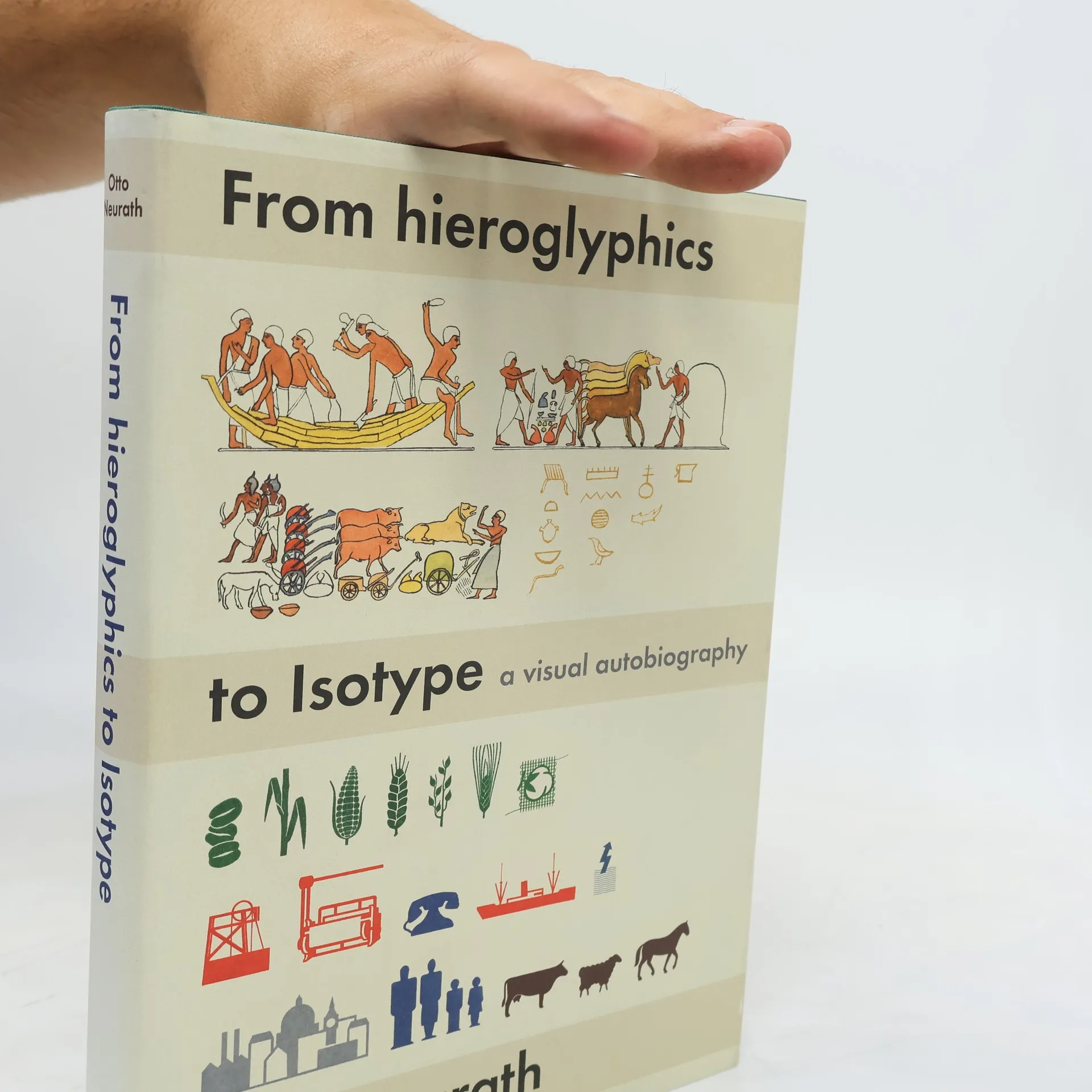
      From 1943 until his death in December 1945, Austrian sociologist Otto Neurath worked tirelessly on numerous versionsof an innovative visual autobiography entitled From Hieroglyphics to Isotype . Now, sixty-five years later, comes the first publication of his full text, carefully edited from the original manuscripts. This edition highlights the important role visual material played in Neurath's life—from his earliest years to his professional work on the Isotype picture language. This engaging and informal account gives a rich picture of Central-European culture aroundthe turn of the twentieth century, seen through the eyes of Neurath's insatiable intelligence, as well as a detailed exposition of the technique of Isotype. From Hieroglyphics to Isotype includes an appendix showing examples from Neurath's extensive collection of visual material.

      From Hieroglyphics to Isotype
    • Die kulturelle Bedeutung dieses Werkes wird von Wissenschaftlern anerkannt, da es einen wichtigen Beitrag zum Wissen der Zivilisation leistet. Es wurde aus dem Originalartefakt reproduziert und bleibt so nah wie möglich am ursprünglichen Inhalt. Dabei sind die originalen Urheberrechtsvermerke, Bibliotheksstempel und andere Notationen erhalten geblieben, die das Werk mit bedeutenden Bibliotheken weltweit verbinden.

      Zur Anschauung der Antike über Handel, Gewerbe und Landwirtschaft.
    • Philosophische Bibliothek - 577: Wiener Kreis

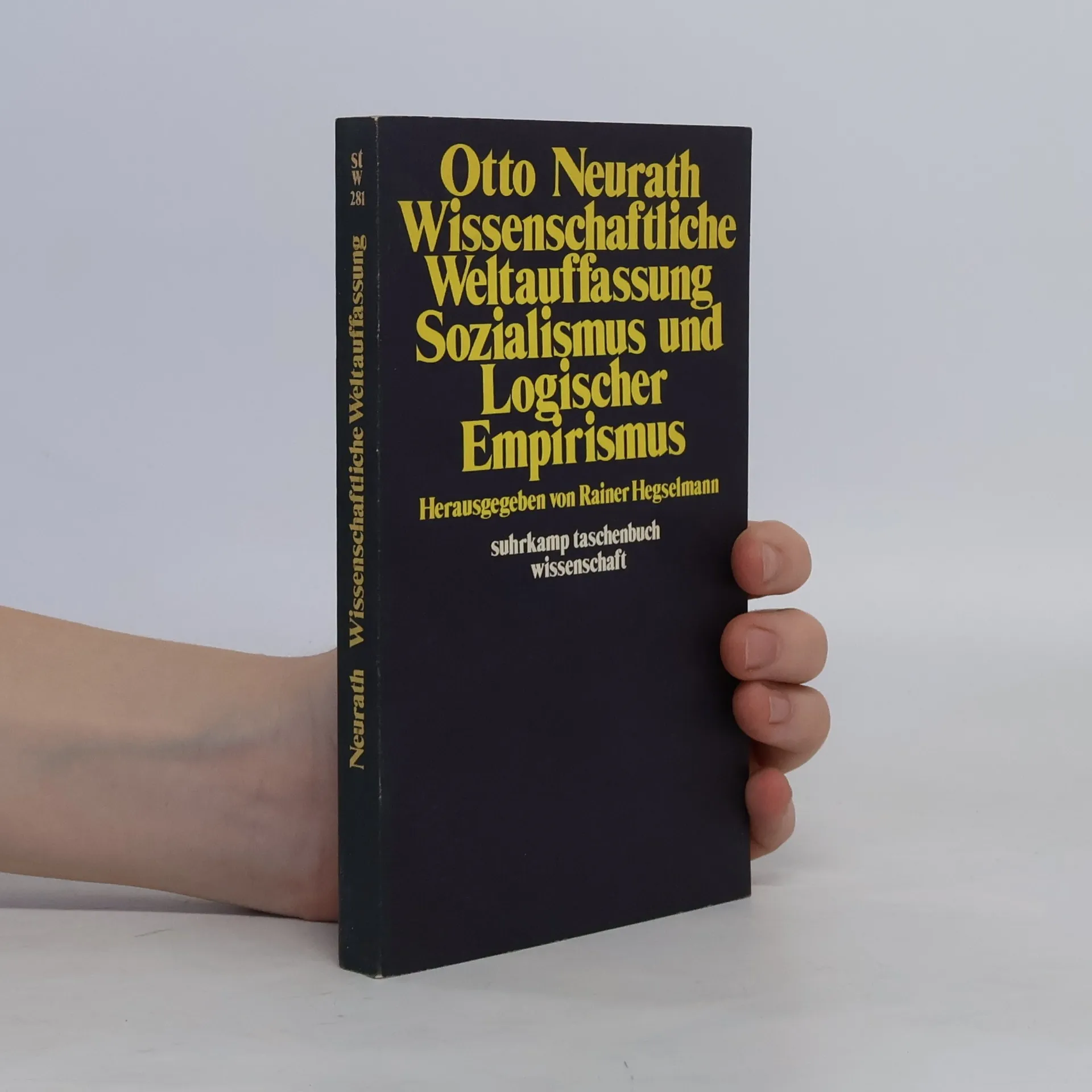
      Texte zur wissenschaftlichen Weltauffassung von Rudolf Carnap, Otto Neurath, Moritz Schlick, Philipp Frank, Hans Hahn, Karl Menger, Edgar Zilsel und Gustav Bergmann

      • 803 pages
      • 29 hours of reading

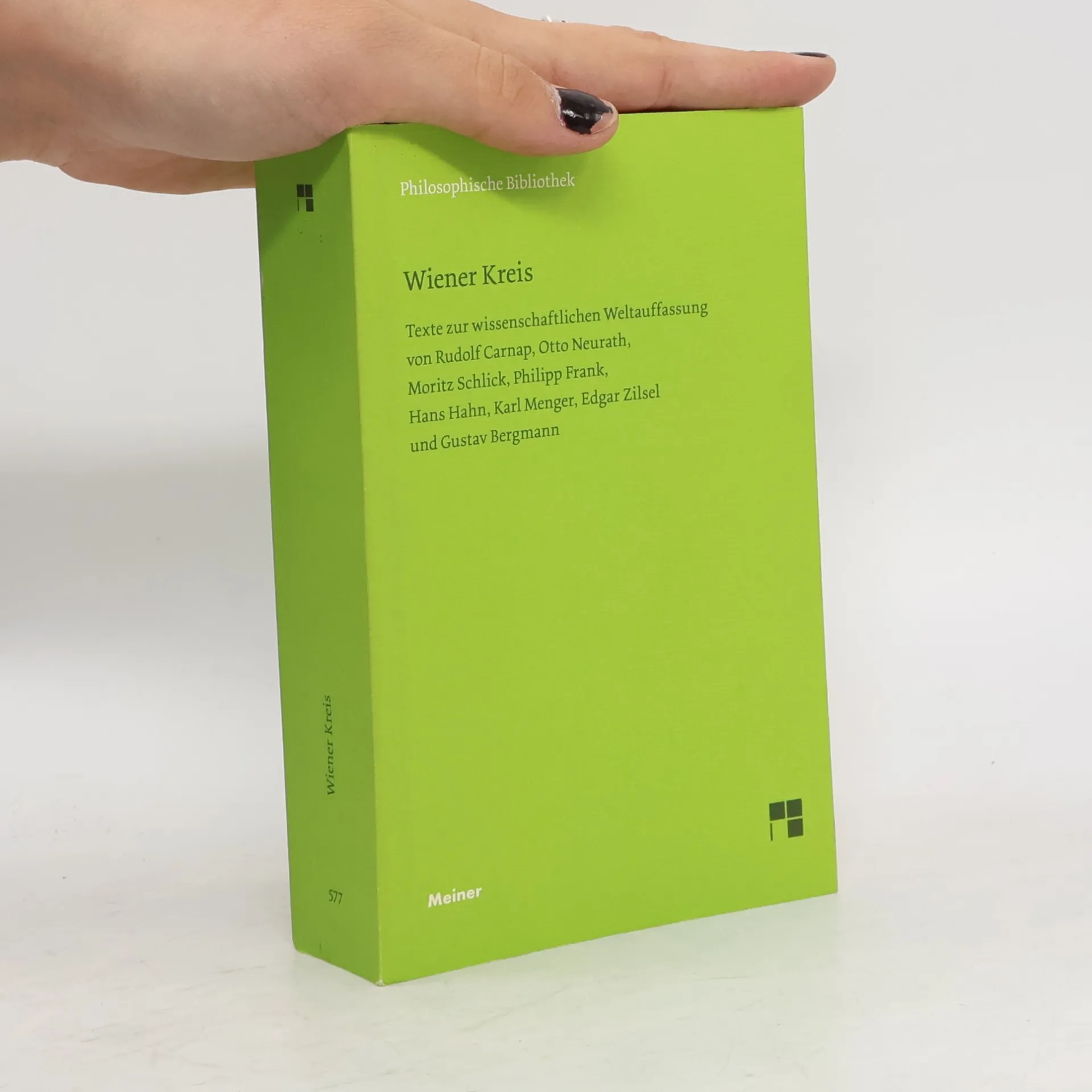
      Am Wiener Kreis scheiden sich die Geister, trat er doch mit dem dezidierten Anspruch auf, mit den Mitteln der modernen Logik den metaphysischen Schutt von Jahrtausenden aus dem Weg zu räumen. Statt einer homogenen Bewegung, die sich empiristischen Dogmen verschrieb, erscheint der Wiener Kreis in der philosophischen Forschung jedoch heute als eine heterogene Gruppe von eigenständigen Denkern, die gemeinsam die Grundlagen der modernen Wissenschaftstheorie legten. In jeweils spezifischer Weise setzten sie sich von der philosophischen Tradition ab oder versuchten, einzelne Teile davon in die wissenschaftliche Weltauffassung zu integrieren.Der Band enthält eine repräsentative Auswahl von Aufsätzen der Mitglieder des Wiener Kreises. Sie beschränkt sich mit Ausnahme dreier Frühschriften der Gründer bewußt auf die Jahre des historischen Kreises vom Beginn der Treffen 1924 bis zur Ermordung Schlicks 1936, obwohl einige der Hauptideen erst in den USA ihre volle Wirkung entfalteten und von dort Ende der sechziger Jahre wieder in die deutschsprachige Philosophie zurückwirkten.In ihrer Einleitung skizzieren die Herausgeber die historische Entwicklung des Kreises und erläutern die zentralen thematischen Fragestellungen. Die Anmerkungen identifizieren die internen wie externen Opponenten und erklären den Kontext der zeitgenössischen Wissenschaft.

      Philosophische Bibliothek - 577: Wiener Kreis
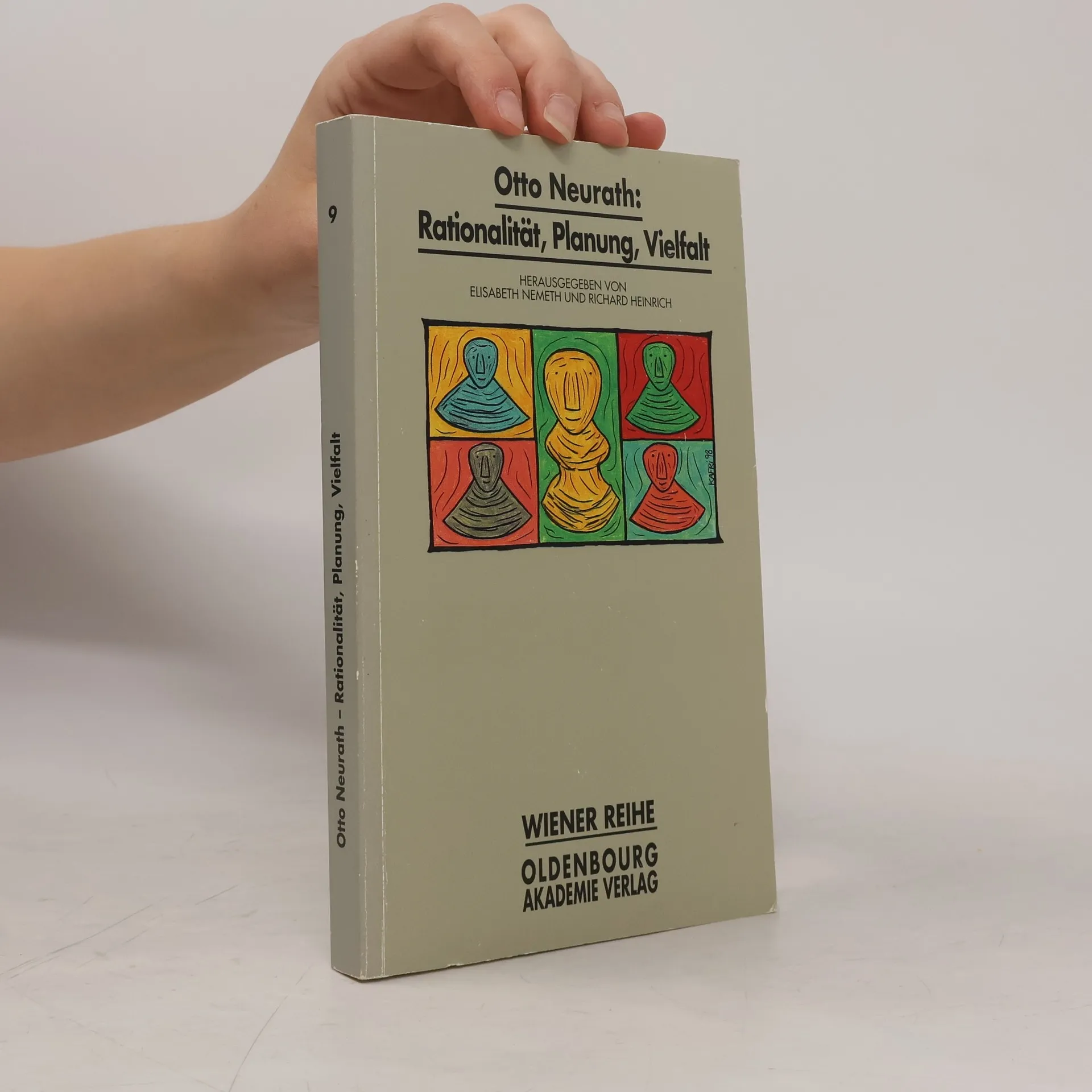
    • Rationalität, Planung, Vielfalt

      • 232 pages
      • 9 hours of reading

      Das Buch erortert unbekannte Aspekte der radikal modernen Wissenschaftskonzeption, die Otto Neurath, der Organisator des "Wiener Kreises" vertrat. Charakteristisch ist der Zusammenhang zwischen dem Willen zu politischer Veranderung un der Aufgabe, Wissenschaft in eine neue Beziehung zur gesellschaftlichen Praxis zu bringen. In dem Band werden besonders Neuraths fruhe Arbeiten und das spate Projekt einer Enzyklopadie der Wissenschaften behandelt.

      Rationalität, Planung, Vielfalt
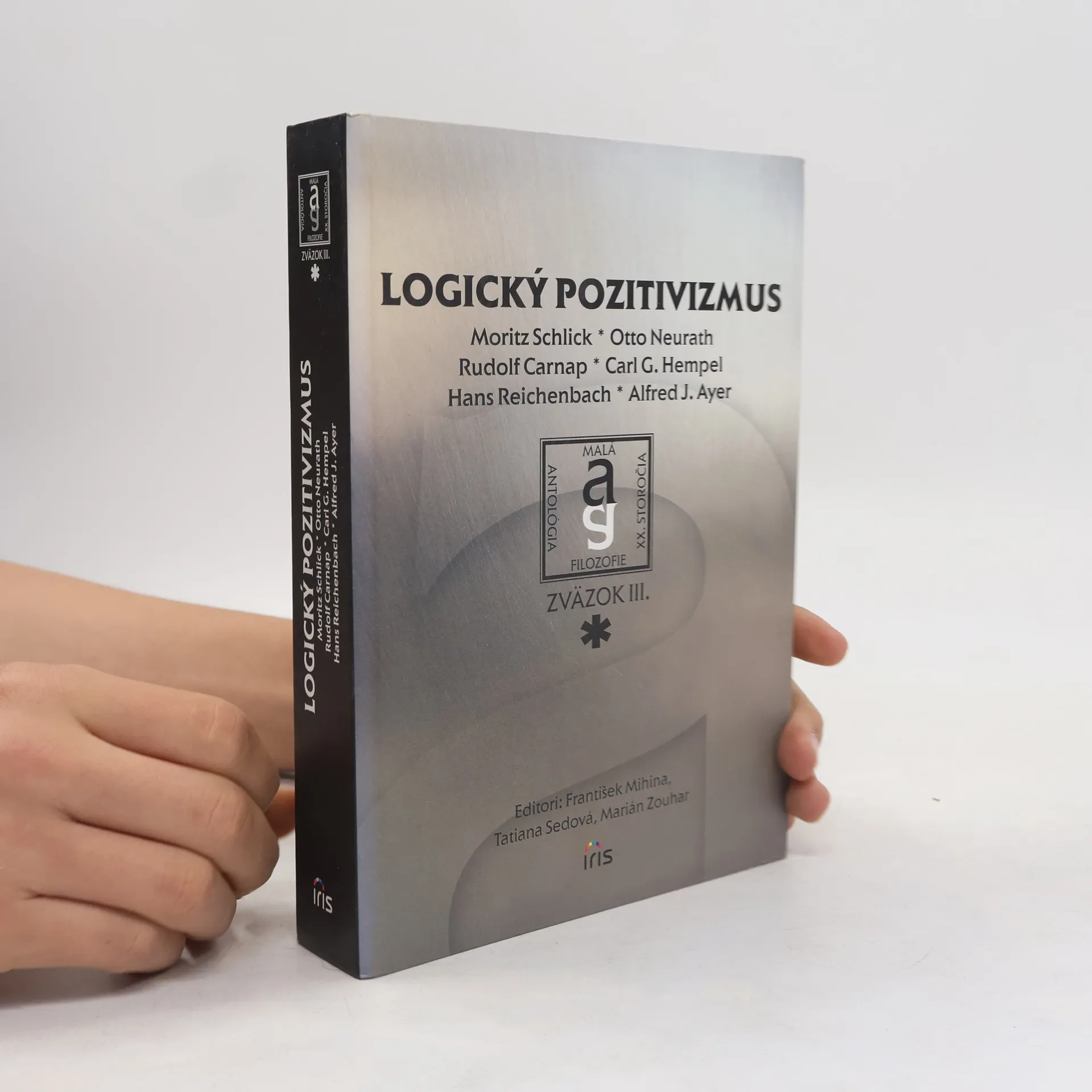
    • Logický pozitivizmus

      • 540 pages
      • 19 hours of reading

      Tretí zväzok Malej antológie filozofie 20. storočia obsahuje projekty filozofie a filozofie vedy, ktoré vznikli v prvých desaťročiach dvadsiateho storočia a mali charakter scientizácie možného chápania filozofie. Pre toto obdobie je typická predstava, že takmer všekty dôležité problémy súčasnosti nemajú bez využitia vedy veľké šance na úspech. V tomto zväzku sa čitateľ zoznámi s názormi M. Schlicka, R. Carnapa, O. Neuhartha, C. G. Hempela, H. Reichenbacha a A. J. Ayera. editori: F. Mihina, T. Sedová, M. Zouhar

      Logický pozitivizmus
      5.0