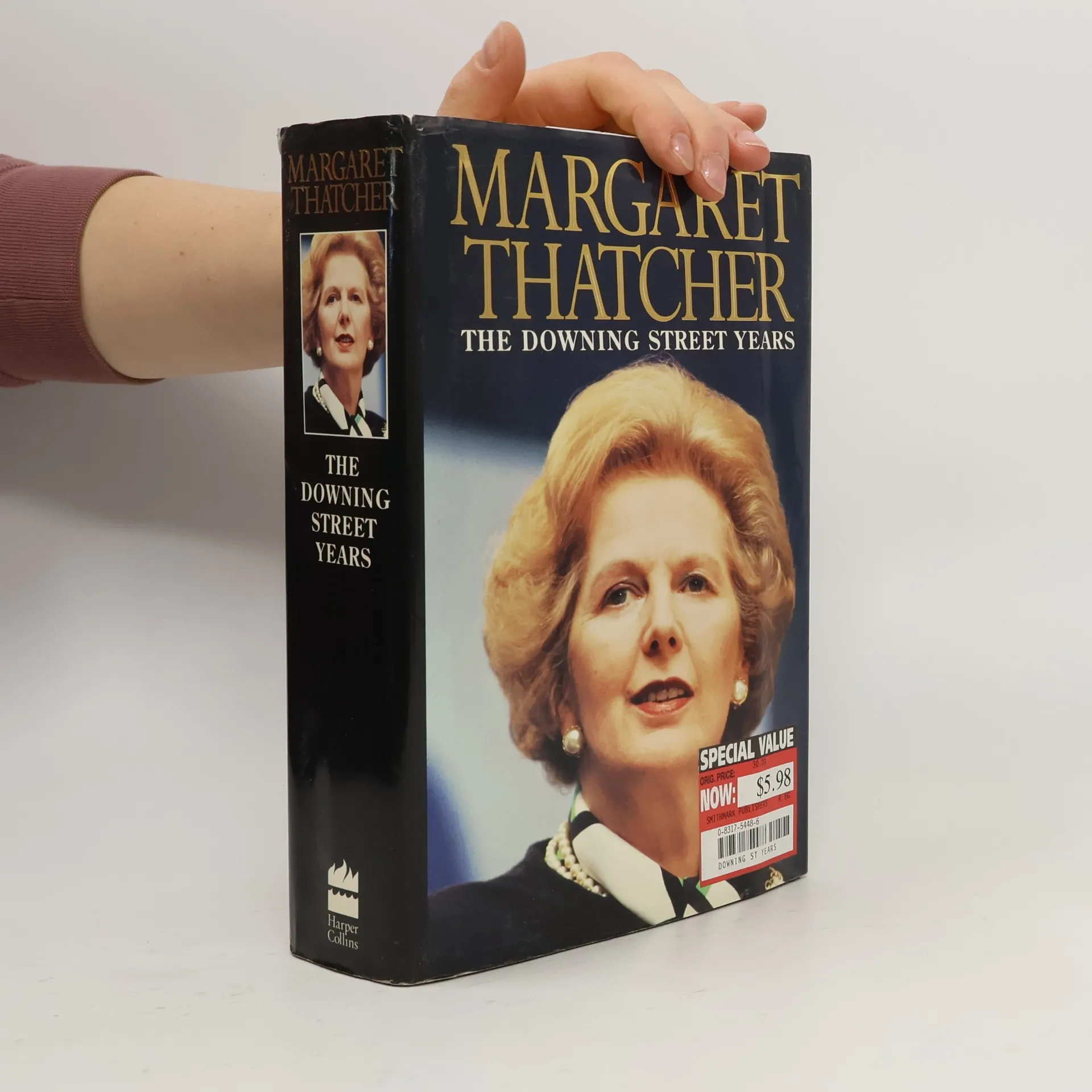
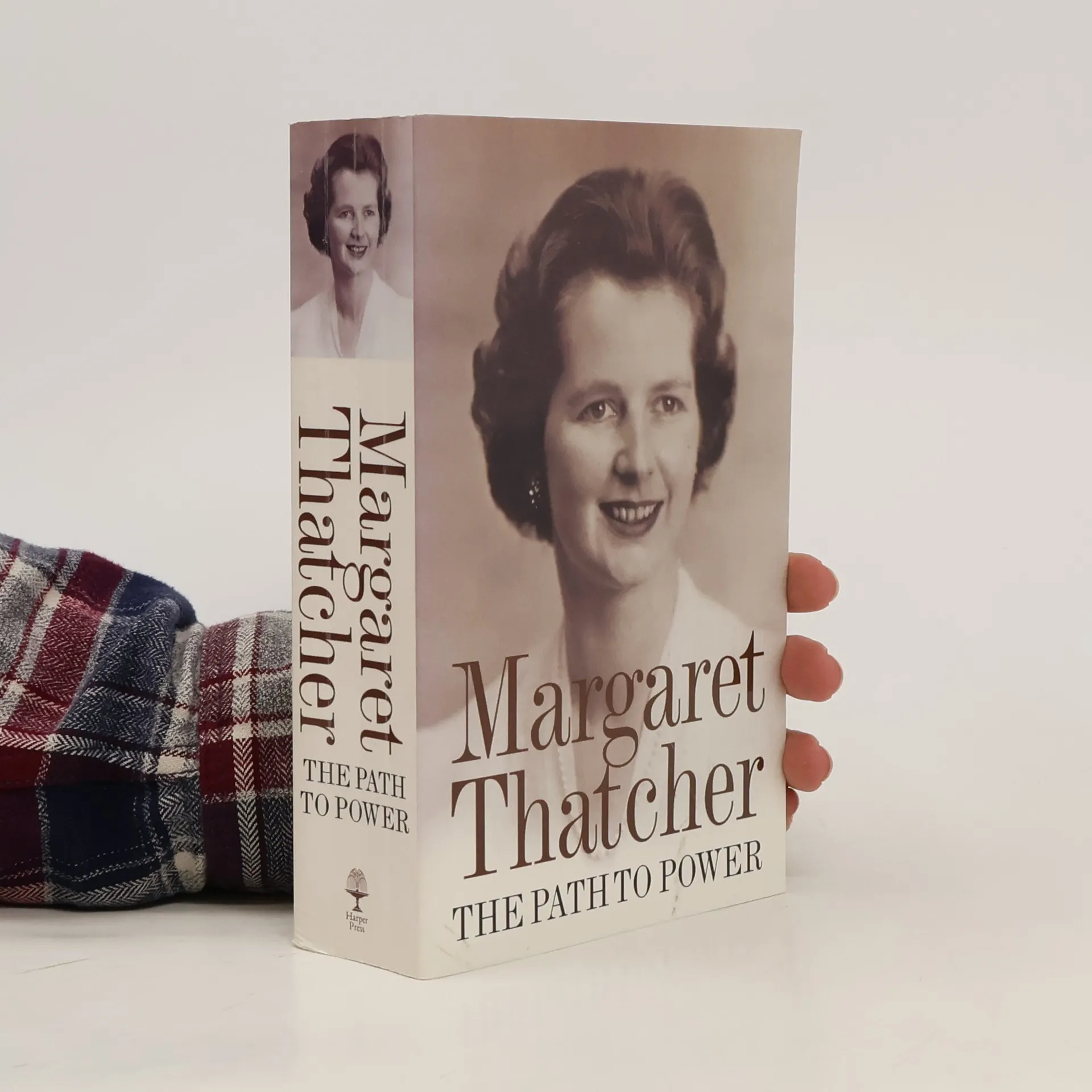
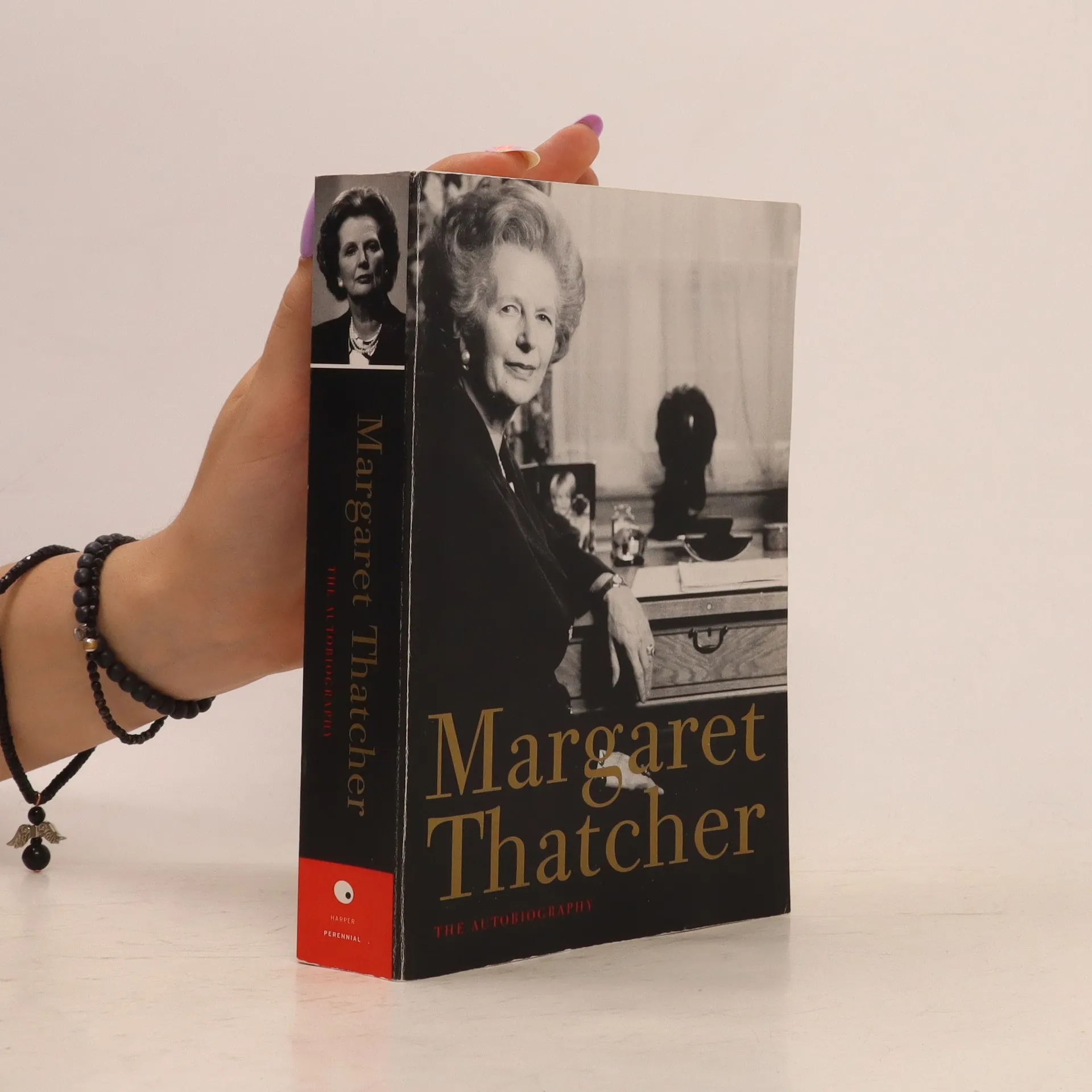
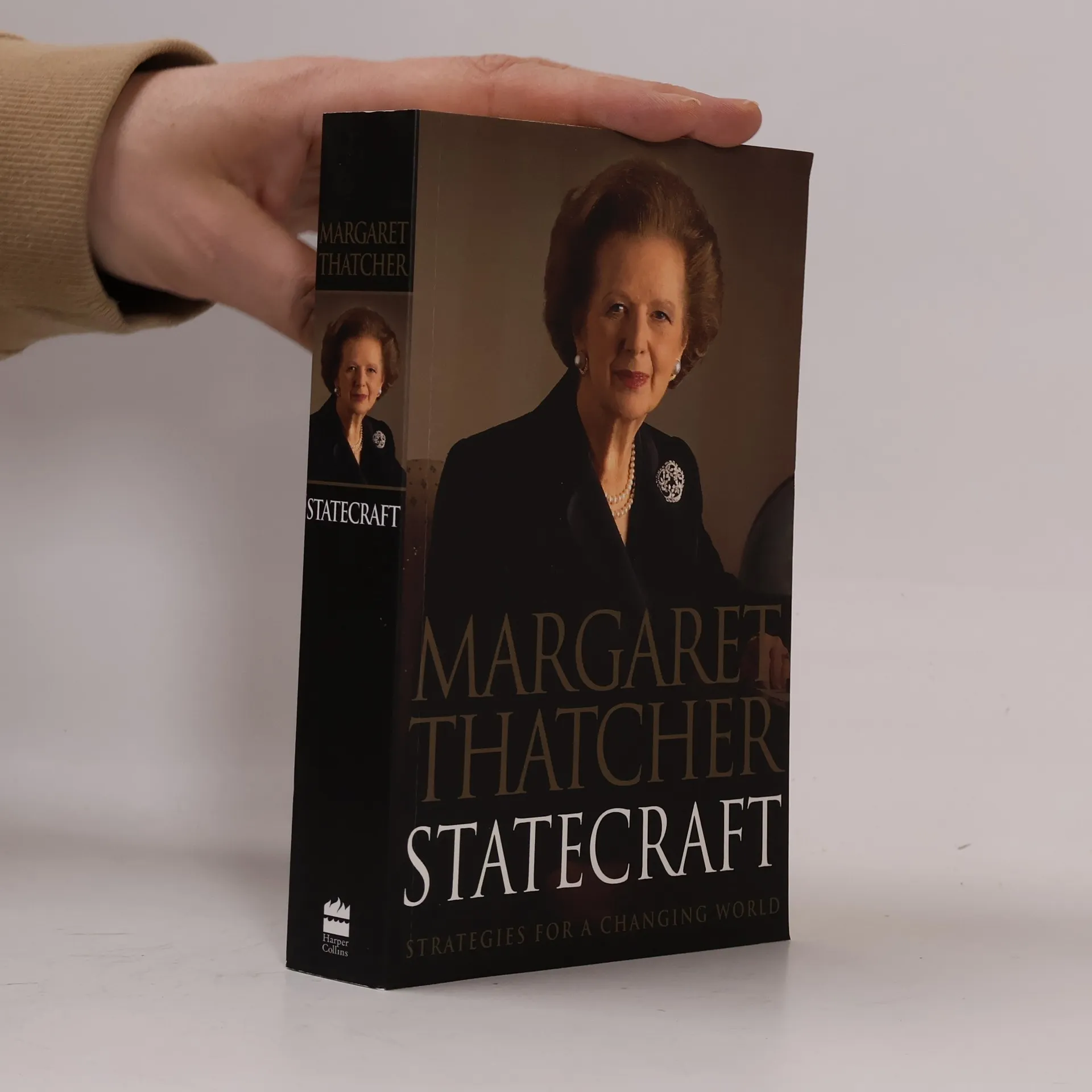
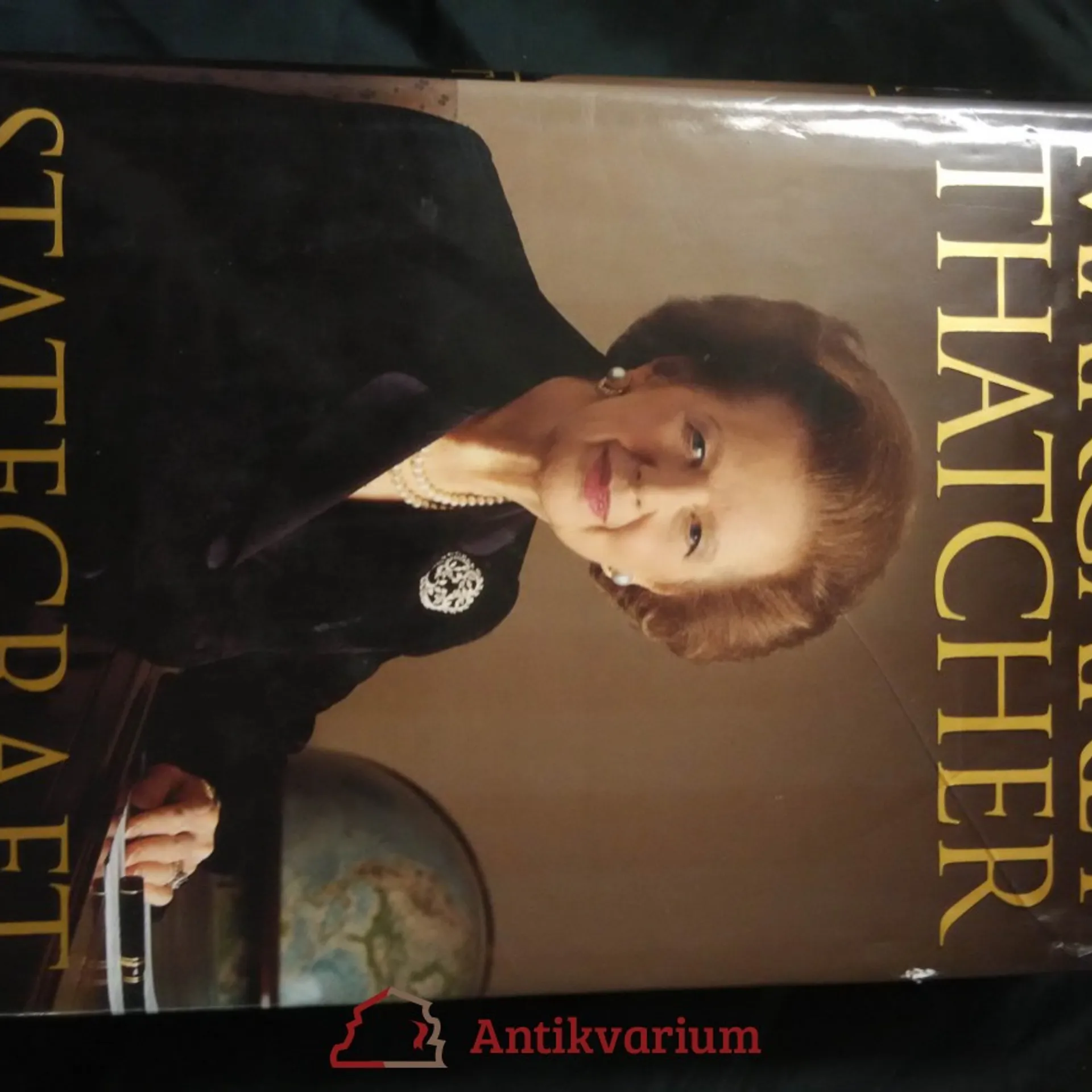
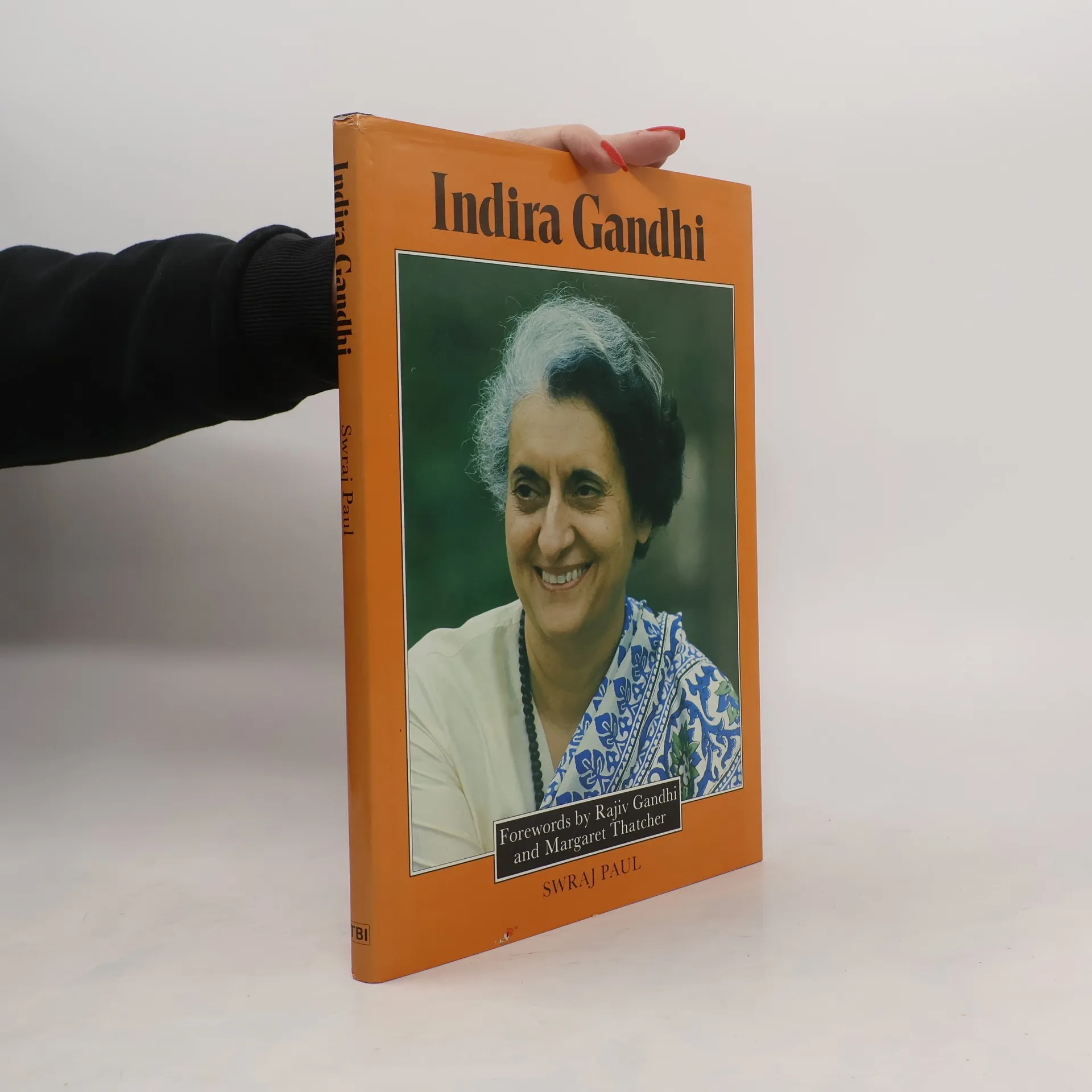
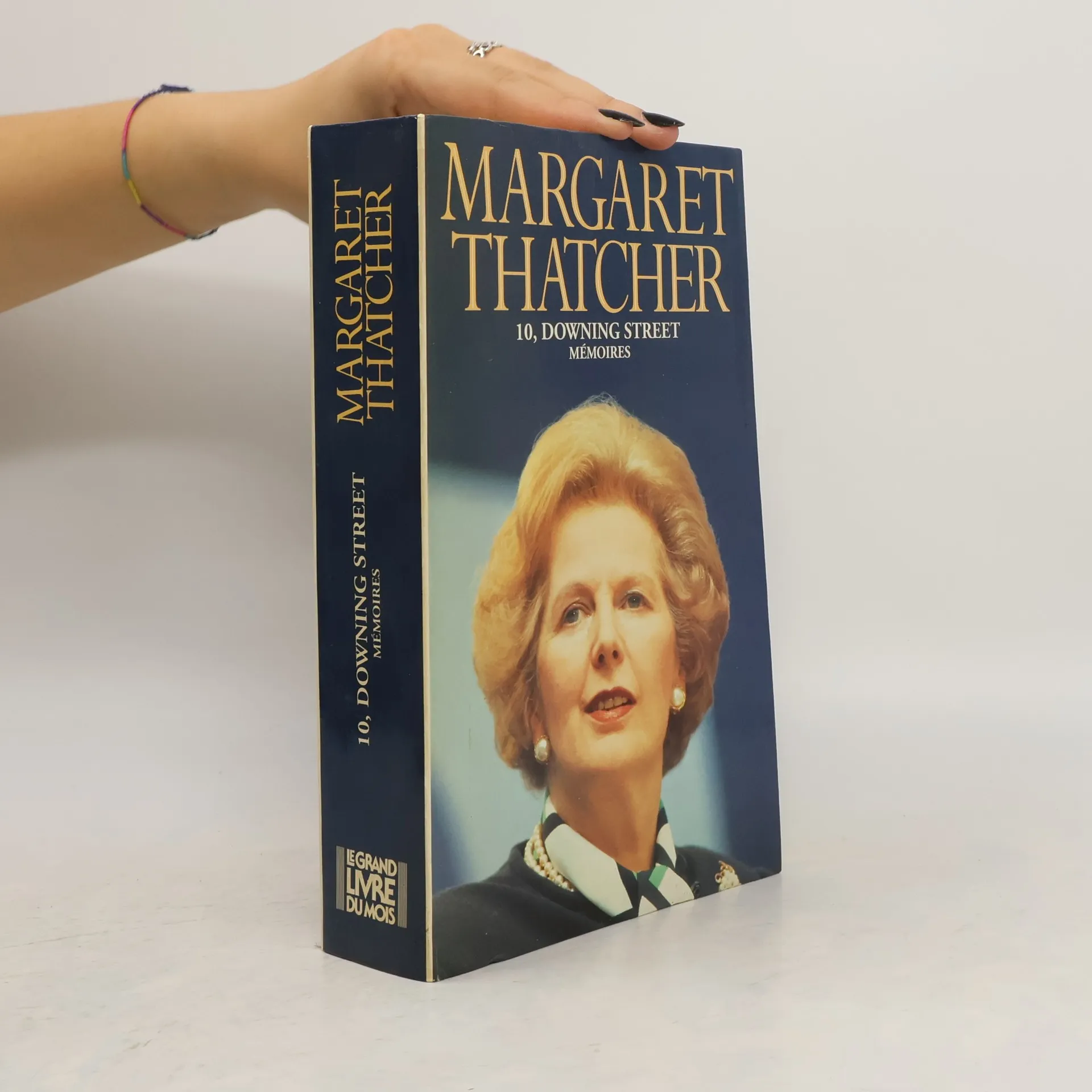
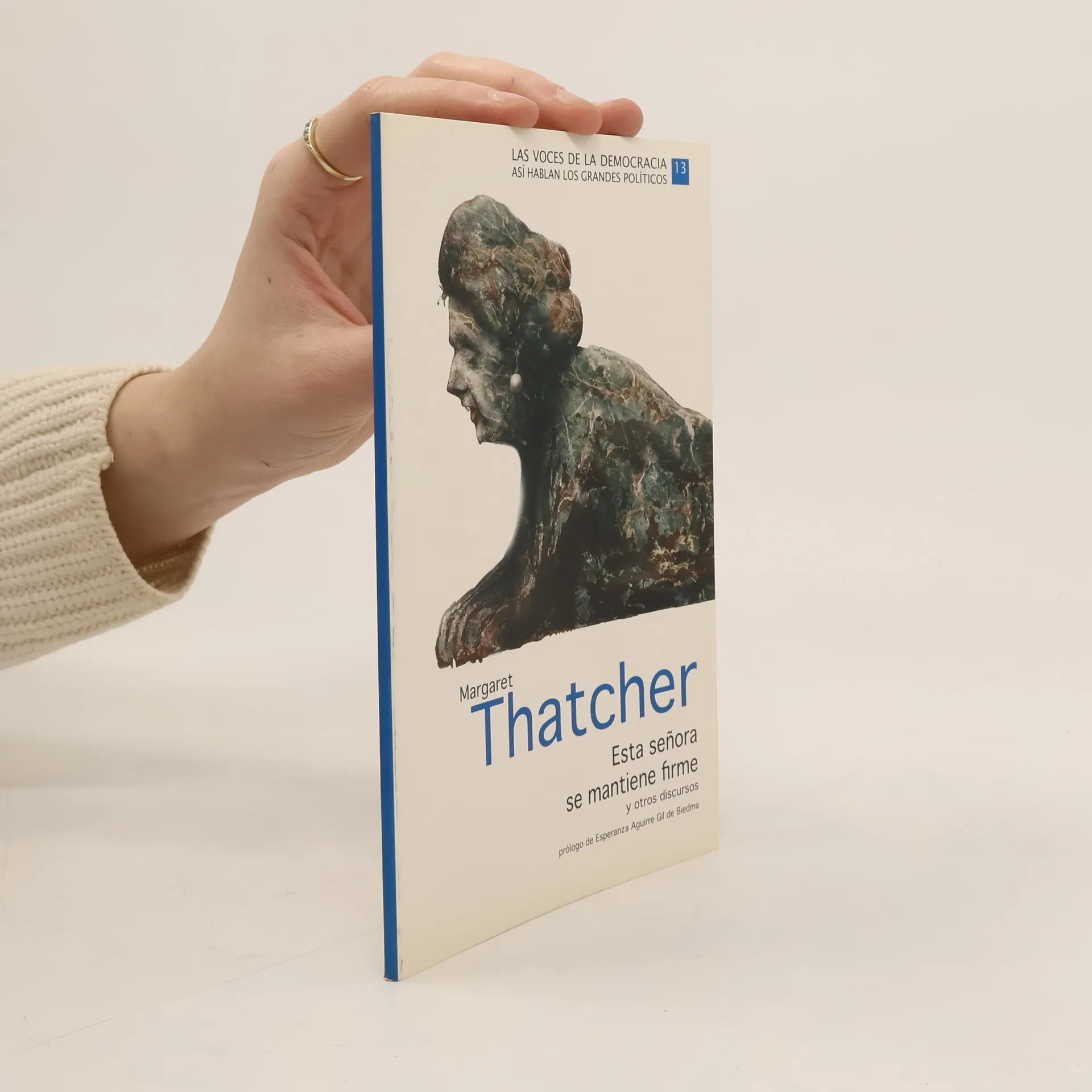
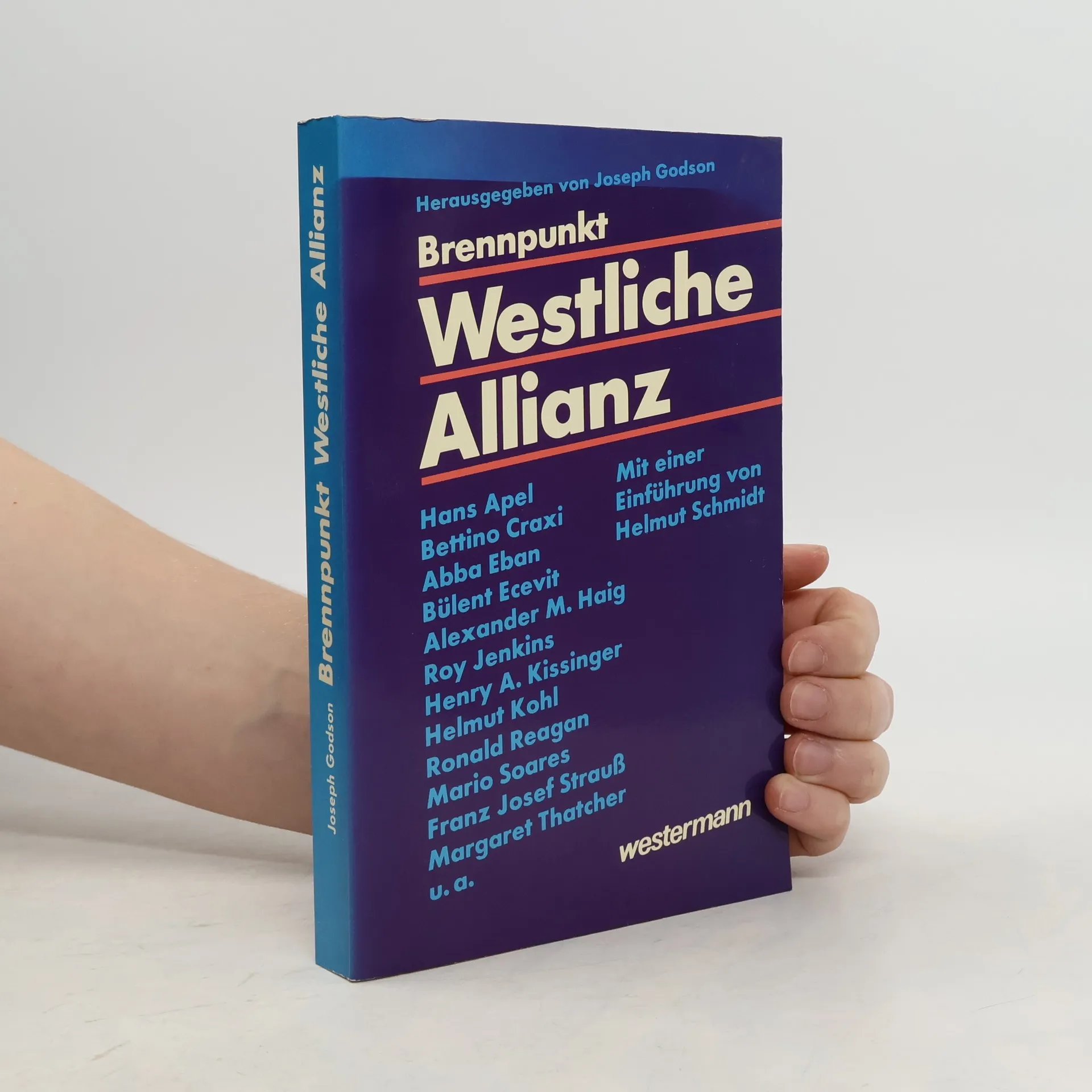
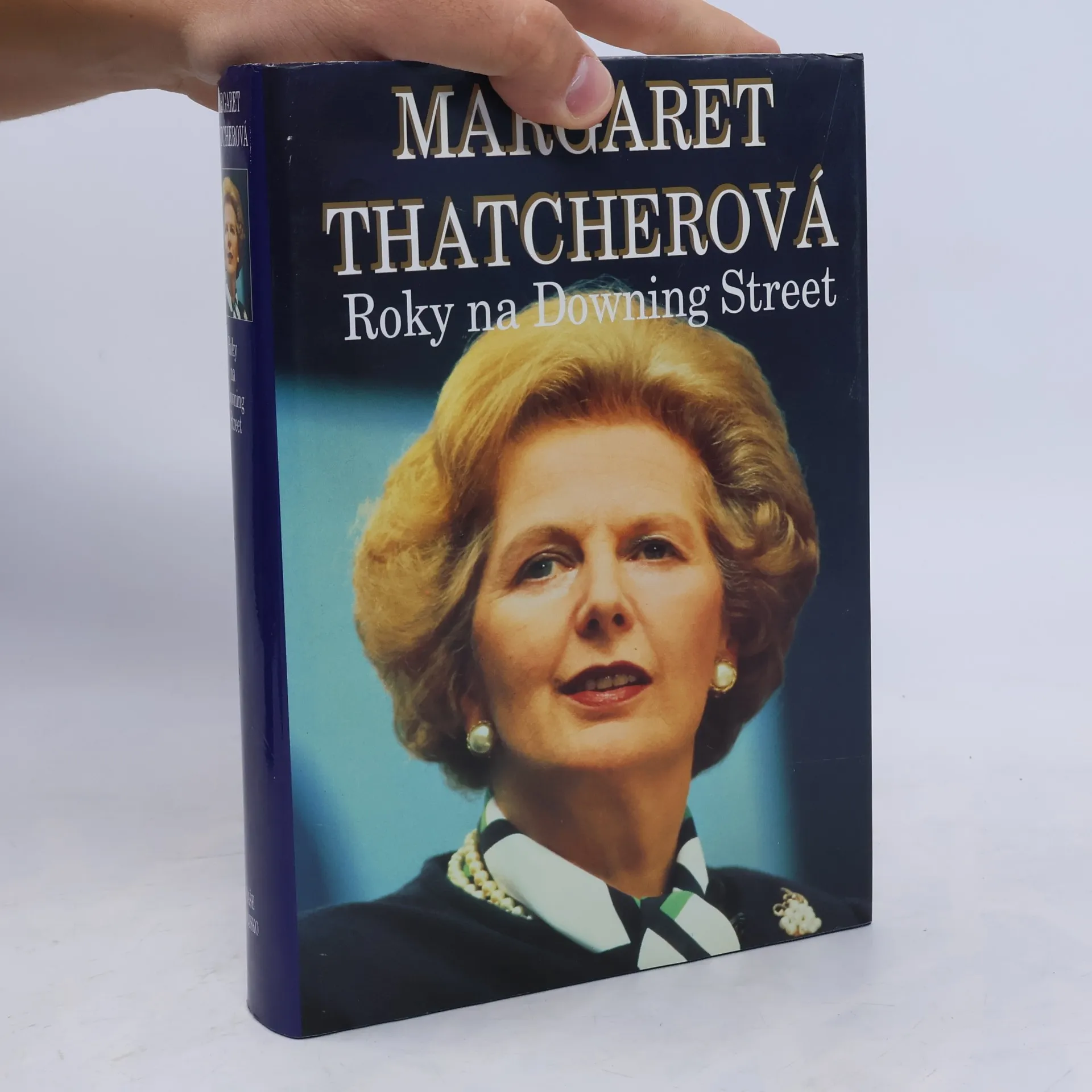
This author became known for her uncompromising political style, earning her the nickname the "Iron Lady." Her tenure was marked by a long period in power and a determination to implement her vision despite significant opposition. Her contributions to political discourse and impact on modern British history continue to be subjects of debate and analysis. She wrote with a conviction and force that resonated across the political spectrum.
In this British bestseller, Thatcher brings her unrivaled political experience to bear on the threats that democracy faces at the dawn of the new millennium and the role Western powers should play in the world's hotspots, especially in the aftermath of September 11, 2001. 8-page photo insert.
First published in her pioneering treatise Statecraft, the opinions and
projections of the former Prime Minister on Europe remain potent and
resoundingly prophetic. Margaret Thatcher foresaw the European Union as a
swelling superstate, gradually eroding Britain's freedom. Irreparable and
doomed, European integration did not allow for the birthright of nationhood.
It was the most recent incarnation of an idea that has been tried many times
before, and the outcomes were far from happy. During my lifetime, she says,
most of the problems the world has faced have come, in one fashion or other,
from mainland Europe, and the solutions from outside it.
Britain's first female Prime Minister - and the only British Prime Minister of the 20th century to win three consecutive general elections - shares her story as only she can in this engaging memoir.
The ninth biggest country in the world, Kazakhstan stretches from Europe to China, supplying from vast resources its petroleum and gas by pipeline to Western and world markets via the Mediterranean and the Black Sea, and simultaneously by direct pipeline to China. Economically, politically and socially Kazakhstan is increasingly seen as an exemplar of prosperity, sound management, national - albeit ethnically diverse - cohesion, and international sagacity befitting its pivotal geo-political position.Born into a family of transhumant herders of eastern Kazakhstan in July 1940, Nursultan Nazarbayev is now the President of Kazakhstan.
The first volume of memoirs by Margaret Thatcher frankly recalls the former British prime minister's dealings with U.S. presidents, the Falkland War, and her election victories in 1983 and 1987. 150,000 first printing. $150,000 ad/promo. Tour.
Bu bir deneme değil, eleştirel bir inceleme de değil. Yüreğimden kopanı karşılıklı paylaştığımız heyecanlı bir içtenlikle kâğıda döküyorum. Sana sesleniyorum, Fedor. Bir yazar hiçbir zaman kendine ait değildir: Sen, benim damarlarımda dolaşan kanda yaşıyorsun, sorduğun sorular sinir hücrelerime işlenmiş. Sen benim için, kendinden sonra gelenlere yapıtlarıyla yol gösteren bir usta olmakla kalmadan; bunun hep ötesindeydin; ciğerlerime çektiğim hava oldun. Ben, senin yarattığın kişilerden biriyim, Fedor. Kitaplarını yutarcasına okuyan o şaşkın çocuklardan biri olmakla başladım işe. Sana on üç-on dört yaşlarında Barcelona'da rastladım ve ilk bakışta tanıdım, çünkü doğduğumdan beri senin içinde yaşıyordum ben. Senin adını, Fedya, ilk romanımın, Çağımızın Çocuğu'nun ilk sayfasına yazdım. Beni senden daha iyi kim anlayabilirdi? Michel del Castillo, ustası Dostoyevski'ye Kardeşim Budala'da böyle sesleniyor. Ve roman, eleştirel deneme, yaşamöyküsü olmayan, ama hepsinden izler taşıyan bu kitabı bitirdiğimizde, aralarındaki diyaloğun sona ermediğini, `suçlarından' ve `cezalarından' birbirlerine sonsuza kadar fısıldayarak söz etmeyi sürdüreceklerini hissediyoruz. Aralarına girmiş biz okurlara da kitabı kapatıp usulca geri çekilmek düşüyor.