
Albert Camus's play "Caligula" is a poignant study of the solitude of power and human helplessness. Its main character, the Roman Emperor Caligula, commits evil and wreaks havoc around him. While his provocative demonstration of strength towards his subjects achieves its intended effects, his blasphemies against the gods go unanswered; thus, he fails to prove their existence. Ultimately, as Caligula contemplates how much people can endure before rebelling and killing the tyrant, he finds the answer—his own death.

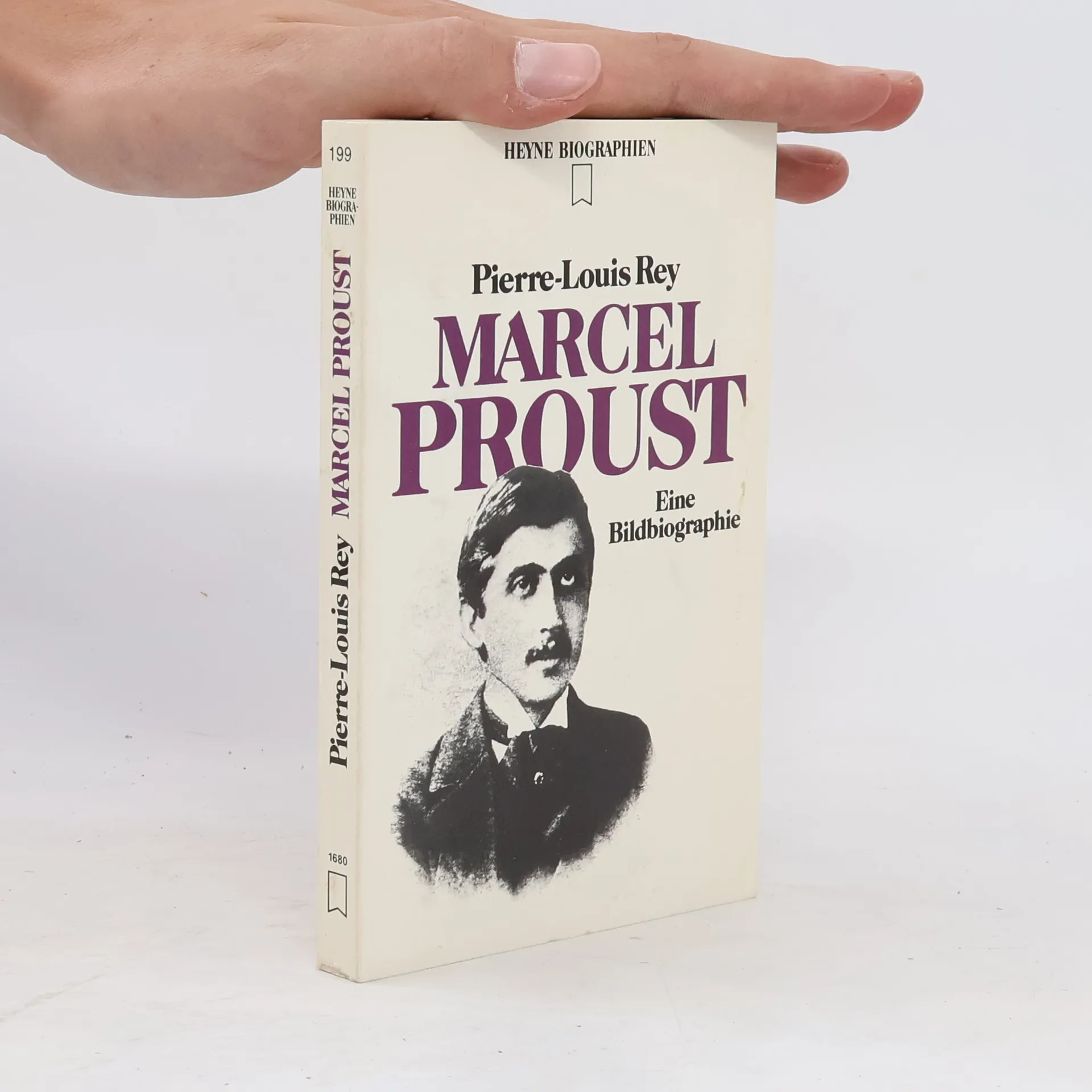
Pierre Louis Rey Books


The Outsider
- 128 pages
- 5 hours of reading
The Outsider is an enduring classic of existential writing by Albert Camus 'Mother died today. Or maybe yesterday, I don't know' Meursault is different. He will not lie. He will not pretend. He is true to himself. So when his mother dies and he is unmoved, he refuses to do the proper thing and grieve. Returning to Algiers after the funeral, he carries on life as usual until he becomes involved in a violent murder. In court, it is clear that Meursault's guilt or innocence will not be determined by what he did or did not do. He is on trial for being different - an outsider. 'The story of a beach murder, one of the century's classic novels. Blood and sand' J.G. Ballard 'A compelling, dreamlike fable' Guardian Albert Camus was born in Algeria in 1913. He studied philosophy in Algiers and then worked in Paris as a journalist. He was one of the intellectual leaders of the Resistance movement and, after the War, established his international reputation as a writer. His books include The Plague, The Just and The Fall, and he won the Nobel Prize for Literature in 1957. Camus was killed in a road accident in 1960.
La chute, Camus : résumé, personnages, thèmes
- 175 pages
- 7 hours of reading
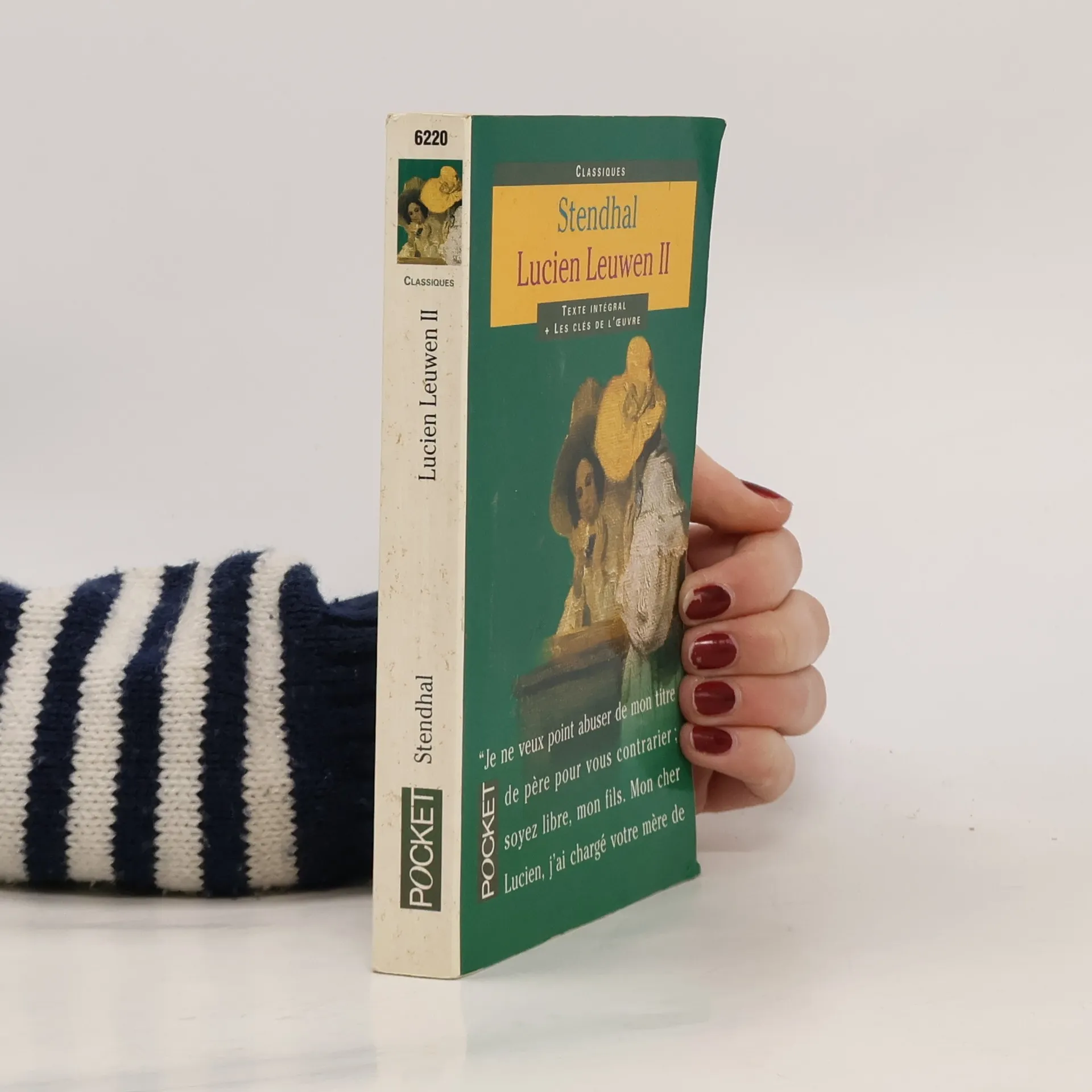
Lucien Leuwen - Texte intégral + les clés de l'œuvre
- 818 pages
- 29 hours of reading
Dans ce livre, s'ils n'eussent pas été dans une clairière du bois, à cent pas des demoiselles de Serpierre qui pouvaient les voir, Leuwen l'eût embrassée et en vérité elle l'eût laissé faire. Tel est le danger de la sincérité, de la musique et des grands bois.
Eugénie Grandet
- 279 pages
- 10 hours of reading
Balzac pense qu'Eugénie Grandet est " une bonne petite nouvelle facile à vendre ". Pour ce chef-d'oeuvre, la postérité en décidera autrement et Balzac finira par égaler Molière. Le père Grandet, comme toute son époque, adore l'argent. Avare ? Pas seulement. Viticulteur, usurier, marchand de bois, promoteur immobilier, il est avant tout un spéculateur, et un milliardaire dirait-on aujourd'hui. L'or stimule son intelligence et son imagination, et le rend étranger à Eugénie, sa fille qu'il adore sans la voir. Dans le dénuement volontaire de la maison Grandet, seule à sa fenêtre devant un paysage immobile, la jeune femme, comme un fantôme, attend un fiancé, un amour, une vie qui ne viendront peut-être jamais...
Balzac, La comédie humaine
- 79 pages
- 3 hours of reading
Intrieur comme neuf
