

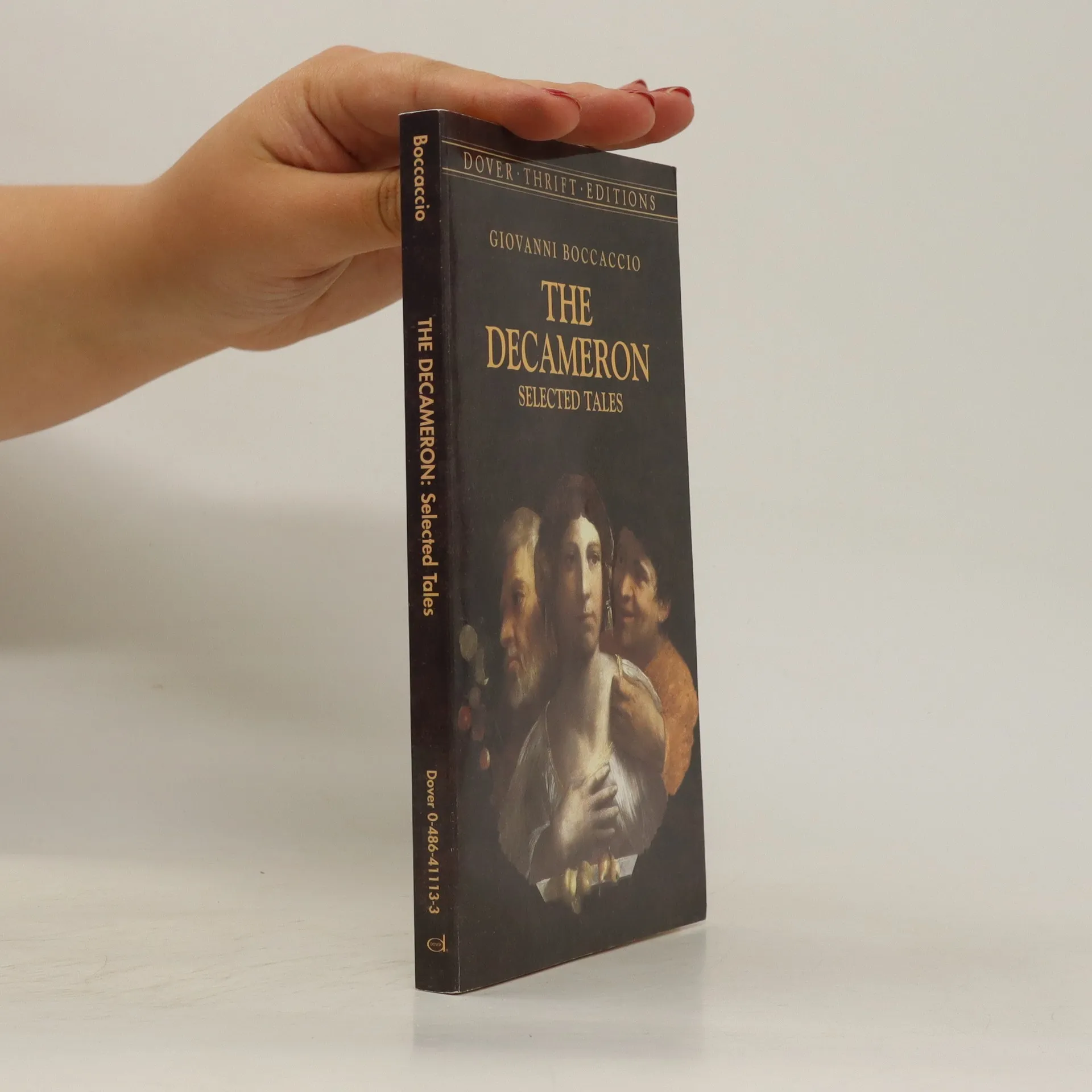
A group of young people flee to the countryside from plague-ridden Florence and pass the time in their retreat by telling tales of romance. This selection from Boccaccio's landmark of medieval literature features 25 stories from the original 100, all teeming with colorful characters and worldly wisdom. J. M. Rigg translation.
Lucia Sforza Book order (chronological)
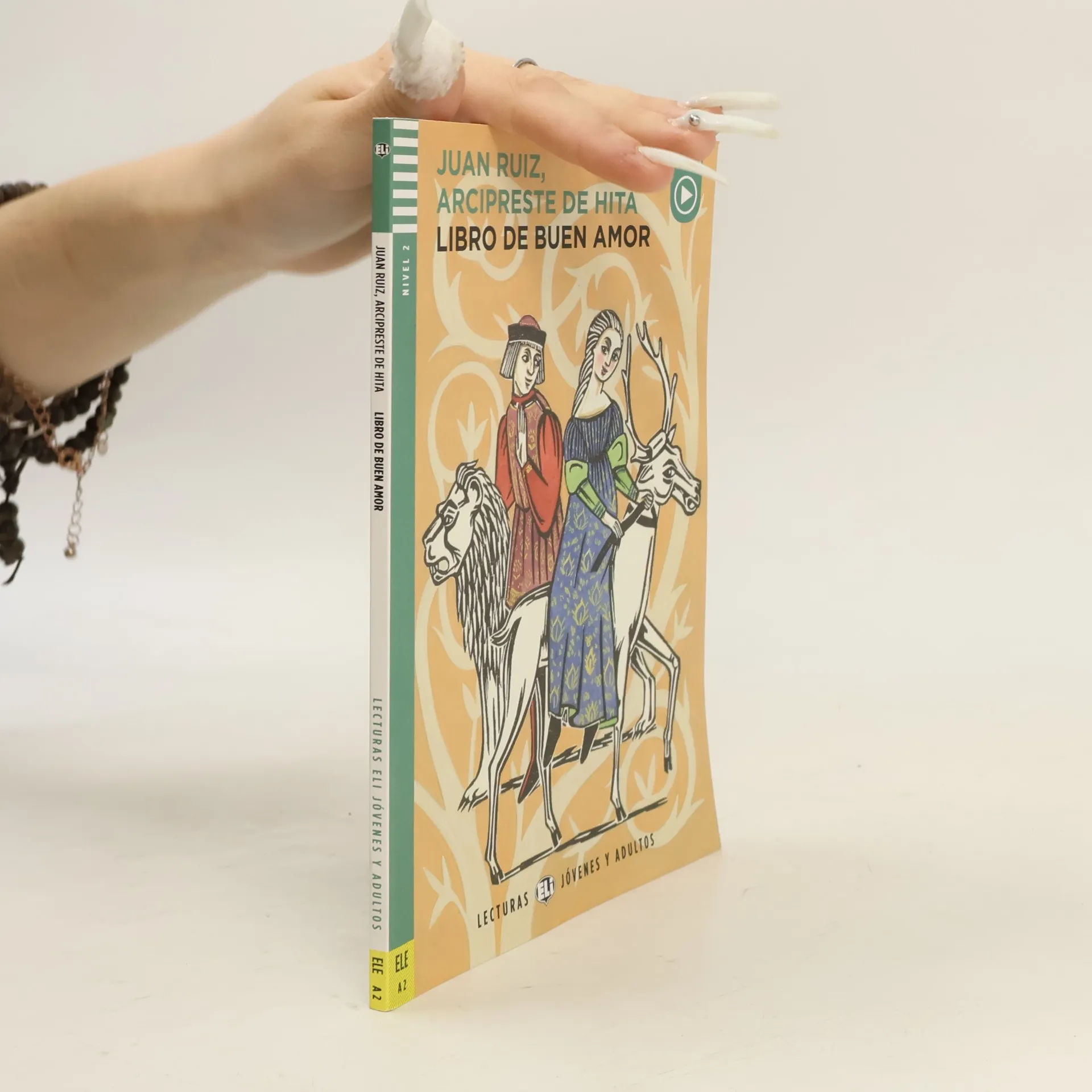

Libro de buen amor
- 80 pages
- 3 hours of reading
El Lazarillo de Tormes es una novela anónima del siglo XVI que narra la vida de Lázaro de Tormes desde su infancia hasta la edad adulta. Es una novela de autoformación pero también es una descripción irónica, cómica y dura a la vez de la sociedad de la Espańa del siglo XVI. Con este libro se crea un género literario en Espańa la novela picaresca.…
La Regenta; Volume 2
- 512 pages
- 18 hours of reading
La Regenta is the great novel of 19th-century Spanish literature. The passions, hatreds, jealousy, and obsessions awakened by Ana Ozores in Vetusta—a fictional representation of Oviedo—serve as a basis for "Clarín" to deliver an unflinching examination of the late 19th-century Spanish bourgeoisie. In Vetusta, the provincial capital, Ana Ozores marries the former Regent of the city's Audiencia, Víctor Quintanar, a kind but eccentric man much older than she. Feeling emotionally abandoned, Ana begins to attract the attention of the provincial seducer Álvaro Mesía. To complicate matters, the canon magistral D. Fermín de Pas, Ana's confessor, also falls in love with her, becoming an unacknowledged rival to Mesía. A rich tapestry of secondary characters, portrayed with merciless irony by Clarín, completes the human landscape of the novel.