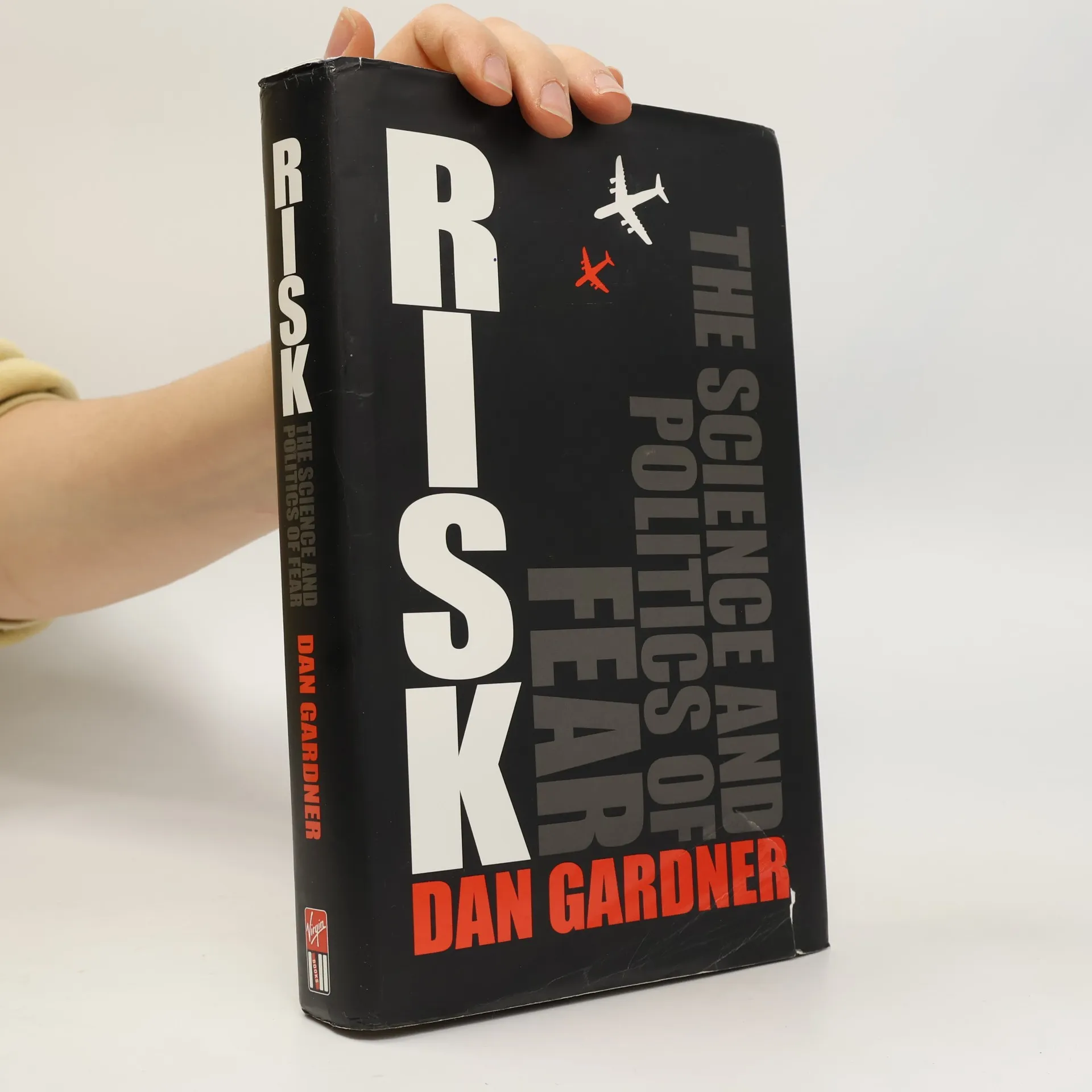
In 2003, a Home Office report revealed that 68 British children were abducted by strangers, resulting in a risk of one in 167,647 among the 11.4 million children under 16 in the UK. While 158 people in Britain have died from the human variant of mad cow disease, flu and related complications claim 12,000 lives annually. In a style reminiscent of Malcolm Gladwell, the author explores decision-making in the context of risk perception. Despite being the safest and healthiest humans in history, irrational fears about everyday risks are on the rise, leading to dangerous outcomes, such as the 1,595 Americans who died after switching from planes to cars post-September 11. This irrationality is fueled by those who exploit fear for personal gain, including politicians, activists, and the media. Additionally, cultural factors play a role, but a deeper cause lies in human psychology. Collaborating with risk science expert Paul Slovic, the author explains how we make decisions and navigate life. The brain employs two systems for analyzing risk: one primitive and intuitive, the other conscious and rational. These systems can sometimes conflict, leading us to overemphasize trivial threats like terrorism while downplaying significant risks such as obesity and smoking. By examining how we process information, the author guides us toward more logical and adaptive responses to the world around us.