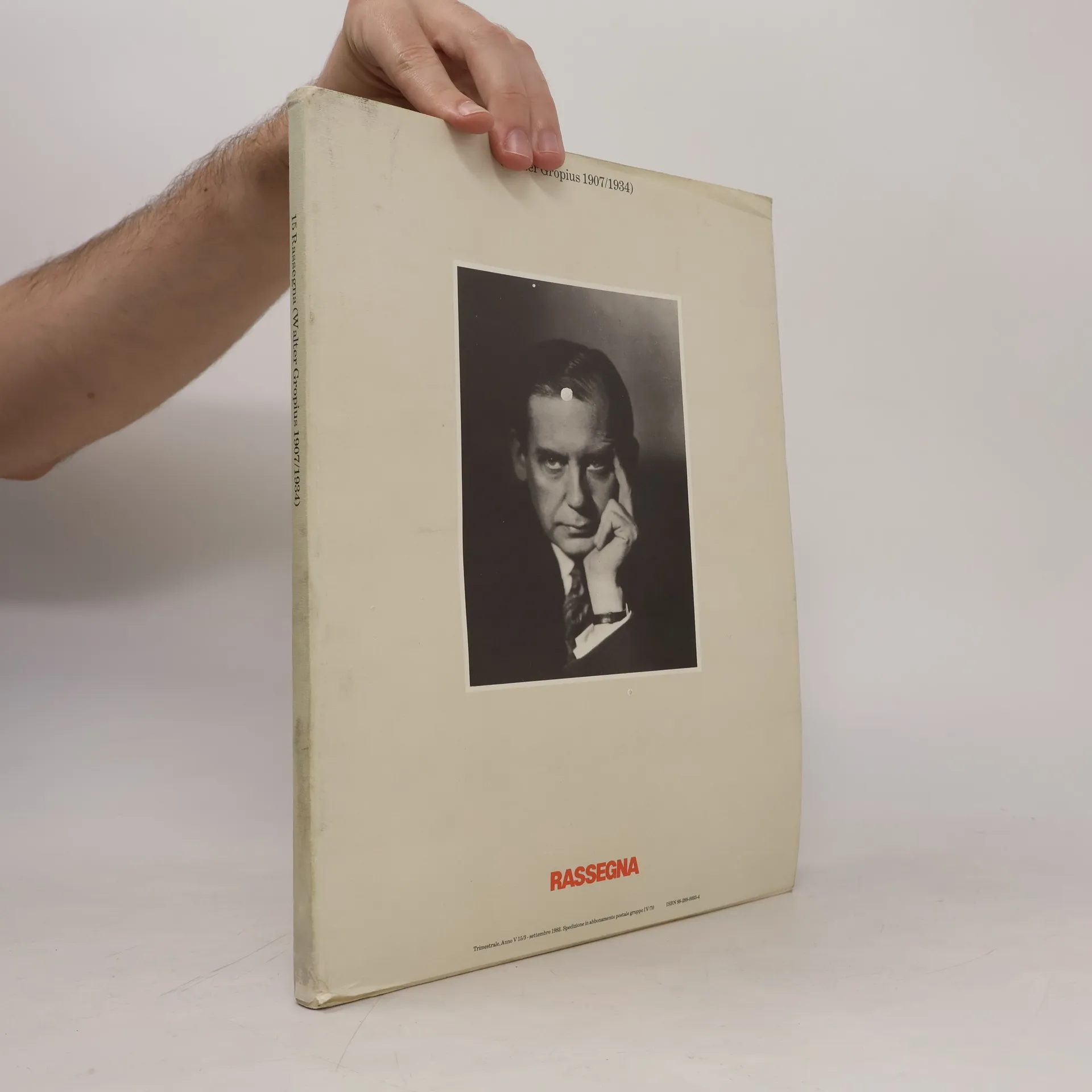
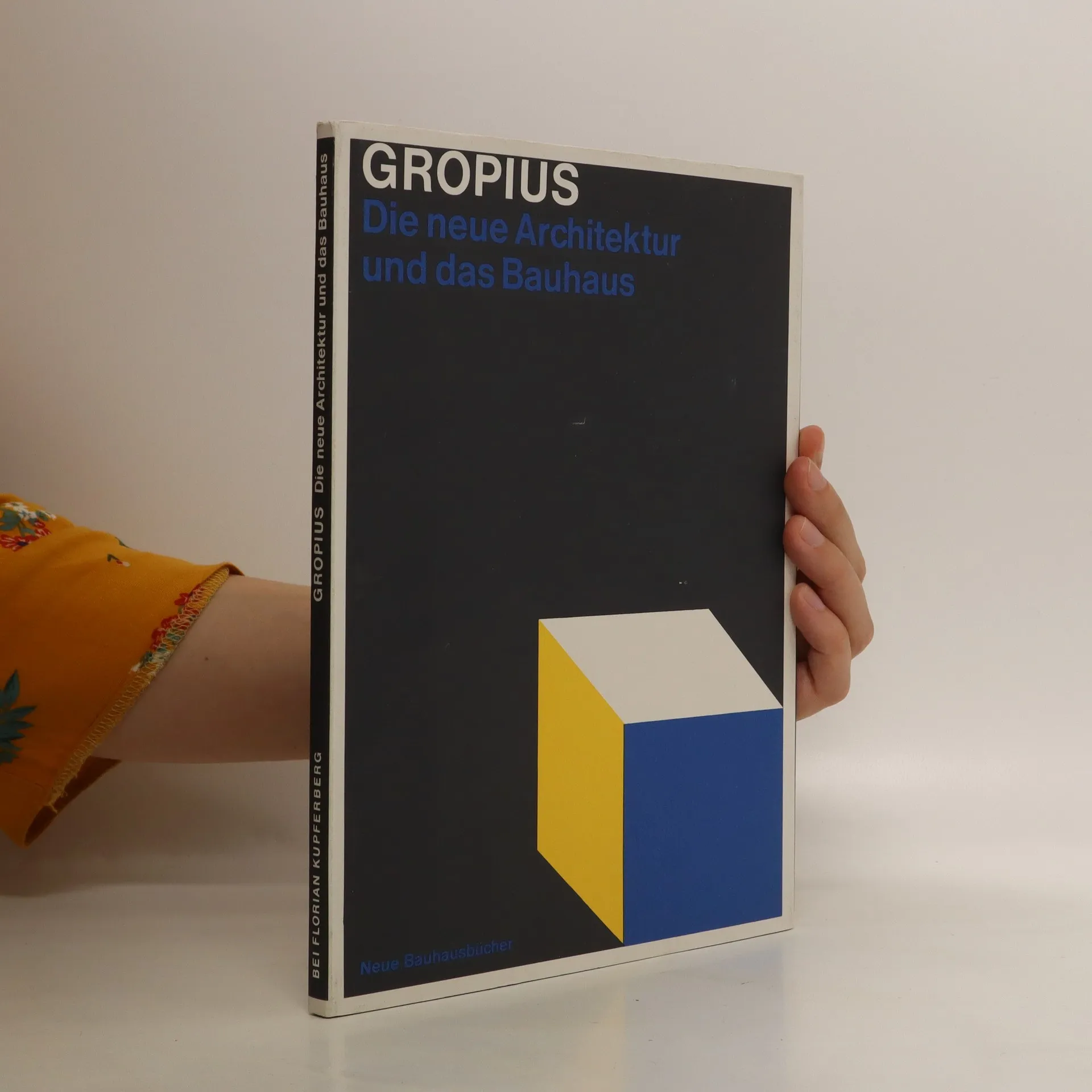
One of the most important books on the modernist movement in architecture, written by a founder of the Bauhaus school. One of the most important books on the modern movement in architecture, The New Architecture and The Bauhaus poses some of the fundamental problems presented by the relations of art and industry and considers their possible, practical solution. Gropius traces the rise of the New Architecture and the work of the now famous Bauhaus and, with splendid clarity, calls for a new artist and architect educated to new materials and techniques and directly confronting the requirements of the age.
Walter Gropius Books
May 18, 1883 – July 5, 1969


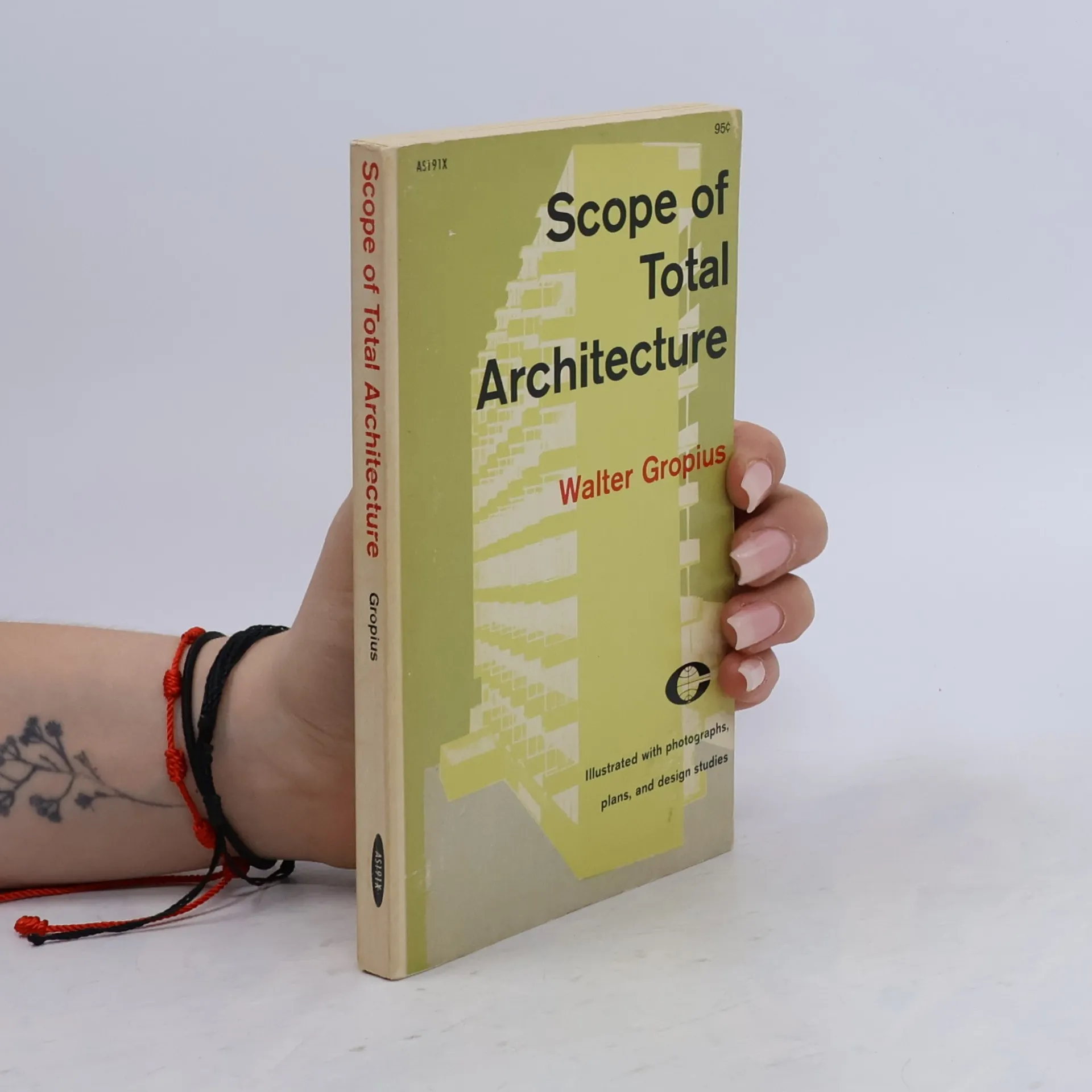

The Scope of Total Architecture
- 186 pages
- 7 hours of reading
Originally published in 1956, this book provides a non-technical analysis of contemporary building by on the of the world's greatest architects. Published a few years after the end of WW2, it was an inspiring and constructive picture of what kind of living could lie ahead for Western industrial society. This book, the result of many year in the forefront of architectural experiment and achievement by the author, outlines in practical terms the road to improved existence through science, mass production in building and renewed emphasis on the individual.
Bauhaus 1919-1928
- 224 pages
- 8 hours of reading
A study of the artists, theories, and achievements of the German school which exerted a strong influence on all facets of modern art and architecture
Круг тотальной архитектуры
- 208 pages
- 8 hours of reading
Вальтер Гропиус (1883–1969) — ключевая фигура архитектурного пантеона ХХ века, стоящая в одном ряду с Фрэнком Ллойдом Райтом, Ле Корбюзье и Мисом ван дер Роэ. Основатель Баухауcа и теоретик модернизма, Гропиус на протяжении десятилетий последовательно задавал ключевые вопросы, целясь в наиболее болезненные точки современной архитектуры, и зачастую формулировал исчерпывающие ответы. Доказательство его беспримерной последовательности — эта книга-манифест, изданная в 1955 году. В ней собраны эссе, статьи, записи выступлений архитектора за тридцать лет: самая ранняя из глав книги — «Индустрия домостроения» — впервые была опубликована в виде статьи в 1924 году, самая поздняя — «Архитектор — ведо´мый или ведущий?» — в 1954-м. Обе органично вошли в структуру книги, доказывая, что Гропиус не менял убеждений, а лишь выверял на практике (как в первом случае) и развивал концепции, впервые намеченные в эпоху Баухауcа.
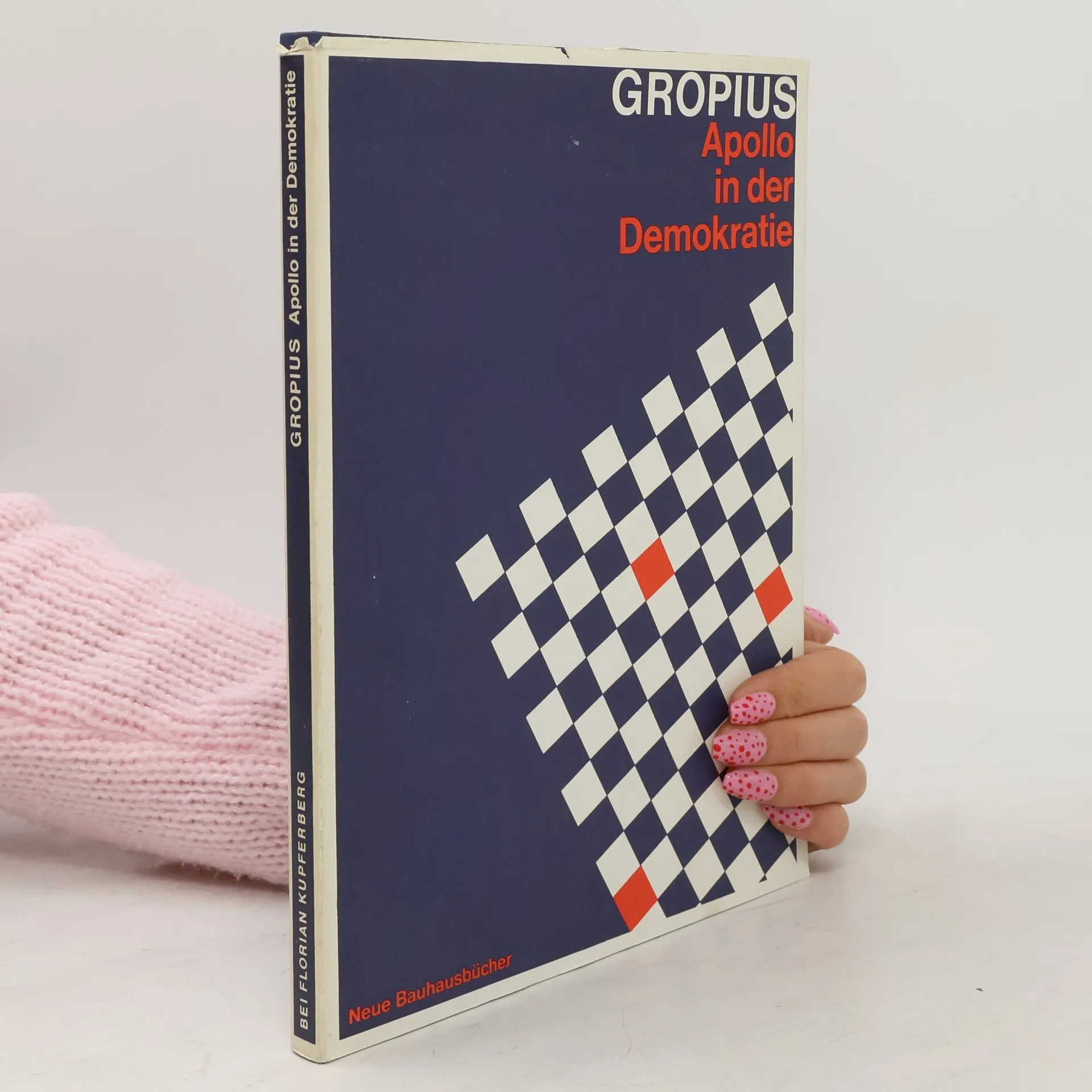
Neue Bauhausbücher: Bauhausbauten Dessau
- 221 pages
- 8 hours of reading
German
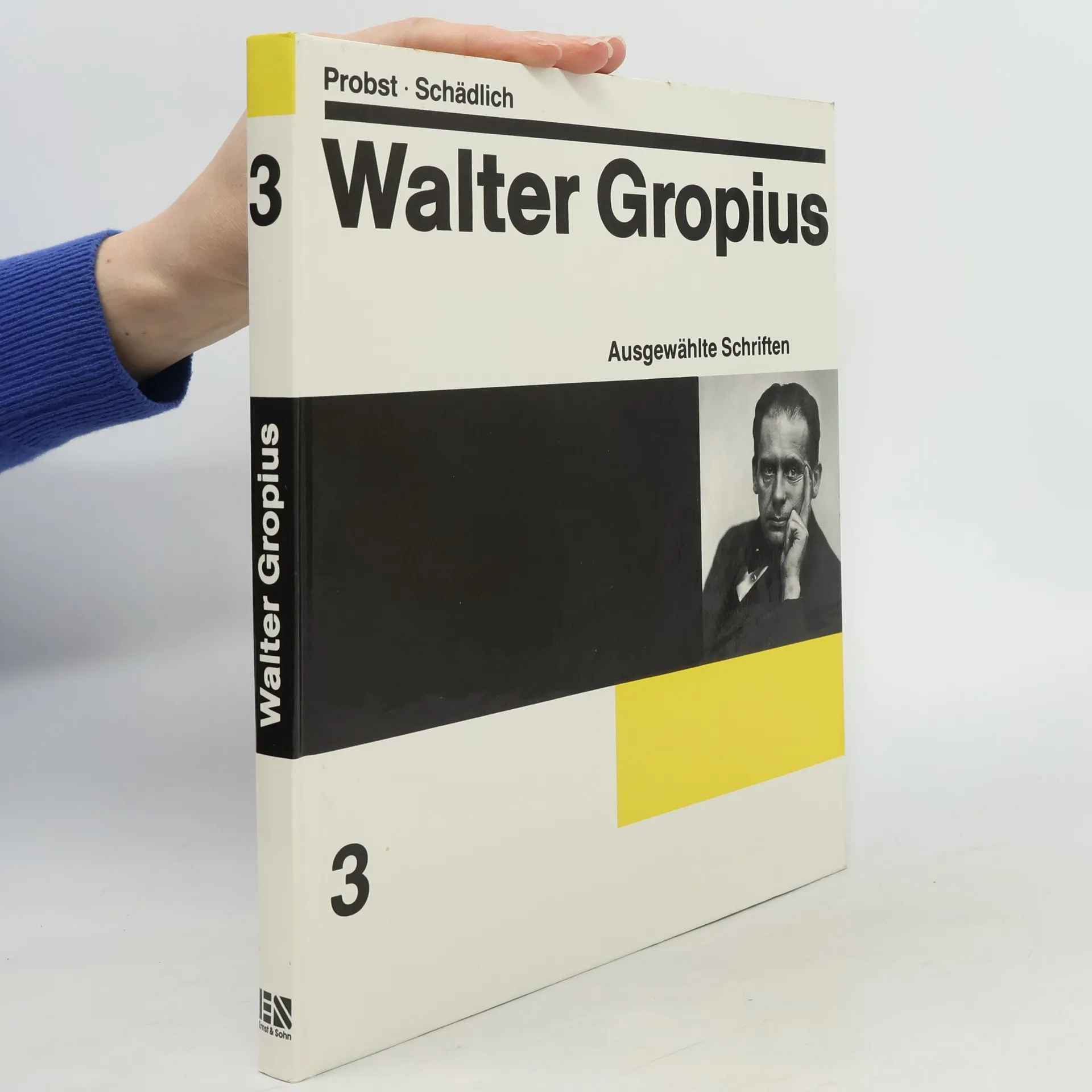
Ausgewählte Schriften 3
- 212 pages
- 8 hours of reading