Explore the latest books of this year!
Bookbot

Andrew Sanders

    January 1, 1946

    Abu Muahmmad Ibraheem Sanders is a Muslim convert who embraced Islam in 2002.

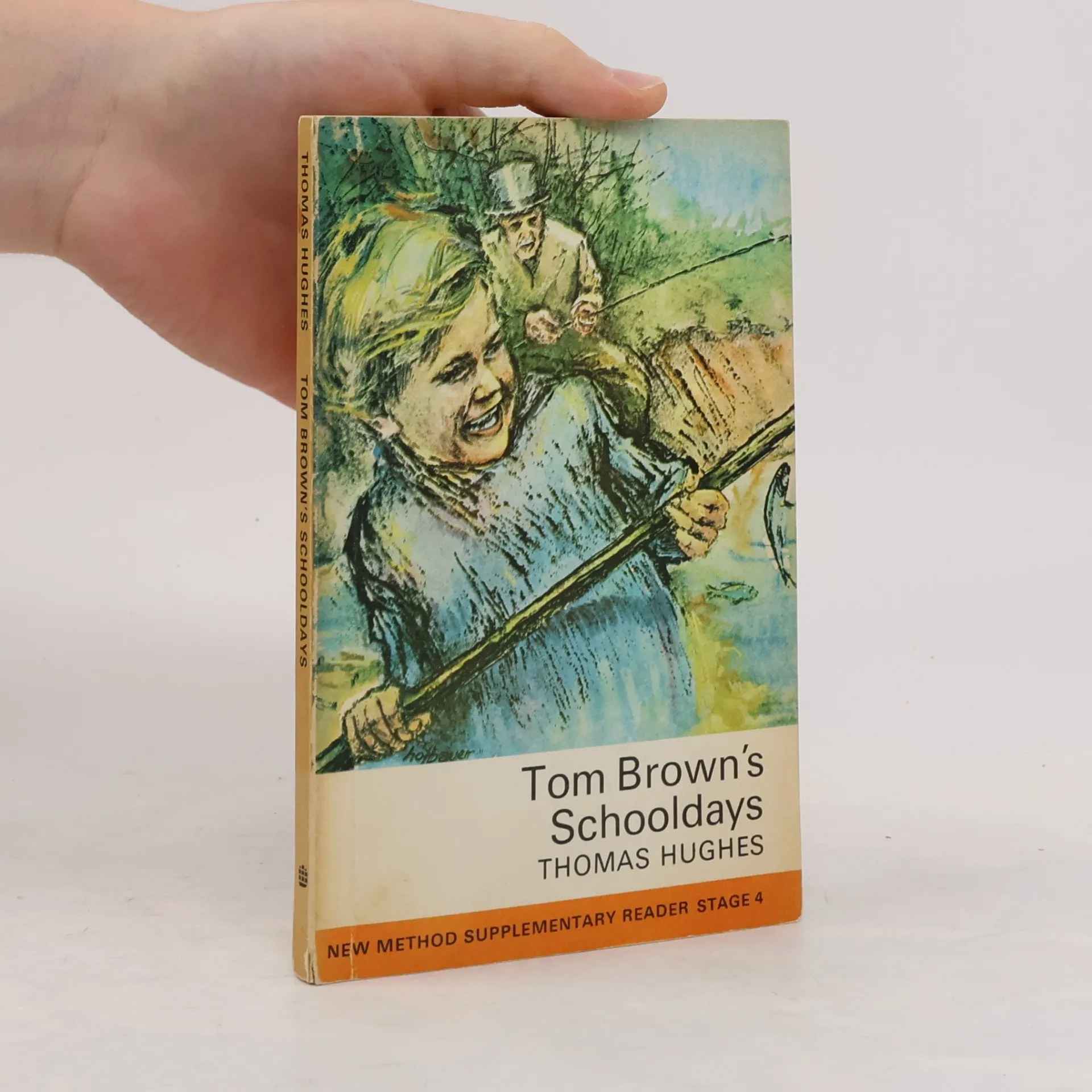
    Tom Brown’s School Days
    The short Oxford history of English literature
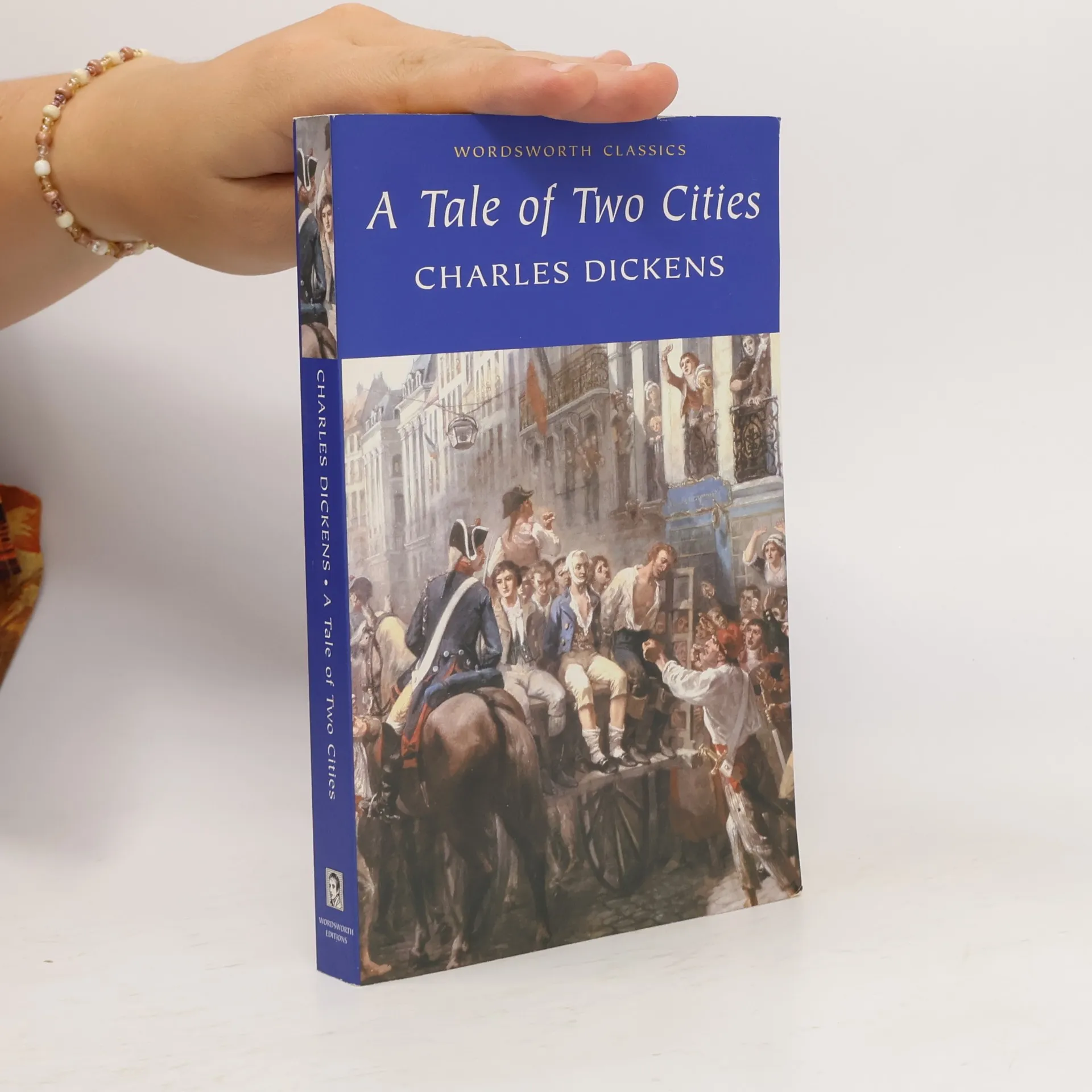
    A Tale of Two Cities
    Oxford World's Classics: Sylvia's Lovers
    The Companion to 'A Tale of Two Cities'
    Where Has All The Cake Gone?
    • Where Has All The Cake Gone?

      • 32 pages
      • 2 hours of reading

      A brilliantly funny, laugh-out-loud story about a missing cake, a pack of criminally-minded, cake-stealing penguins and a little boy with a talent for the tallest of tales!

      Where Has All The Cake Gone?
      4.4
    • The Companion to 'A Tale of Two Cities'

      • 192 pages
      • 7 hours of reading

      This book, first published in 1988, reveals the great care Dickens took with the planning and preparation of A Tale of Two Cities and its roots. It also explores the aspects of Dickens's life which contributed to the genesis of the novel.

      The Companion to 'A Tale of Two Cities'
      4.0
    • Oxford World's Classics: Sylvia's Lovers

      • 560 pages
      • 20 hours of reading

      'The saddest story I ever wrote.' Mrs Gaskell Sylvia's Lovers is set during the French Revolutionary Wars in the remote whaling-port of Monkshaven in Yorkshire. The sea dominates the lives of the inhabitants: whalers returning from their long and dangerous trips to Greenland bring crowds to the quayside, every local man has tales to recount of his exploits at sea, and smuggling is rife. The people of Monkshaven hate the French, but they live in greater and more immediate fear of the dreaded incursions of the callous press-gang, who snatch sailors returning from whaling trip before they have even spoken to their friends or families. In Mrs Gaskell's provincial England war is seen to mirror a private violence which has already disrupted the lives of her fictional characters. Sylvia is a heroine loved by two men of completely different types--the bold sailor Charley Kinraid and the cautious and conventional Philip Hepburn, who idolizes her. The novel follows her development from a wilful, imaginative, but not especially clever girl, to an alert woman who has been matured by her acute suffering. The text is that of the one-volume fourth edition, published in December 1863.

      Oxford World's Classics: Sylvia's Lovers
      4.1
    • A Tale of Two Cities

      • 464 pages
      • 17 hours of reading

      This is Charles Dickens' classic tale of resurrection and redemption set against the backdrop of the French Revolution.

      A Tale of Two Cities
      3.9
    • The Short Oxford History of English Literature provides a comprehensive and authoritative introductory guide to the literature of the British Isles from the Anglo-Saxon period to the present day, including a full treatment of Irish, Scottish, and Welsh writing in English. The chapters are arranged chronologically, covering all major periods of English literature from Old English to the post-war era, including the medieval period, the Renaissance, Shakespeare, the seventeenth and eighteenth centuries, Romanticism, the Victorians, Modernism, and Postmodernism. In addition to a detailed discussion of all major figures and their works, Andrew Sanders examines throughout the relationship between the literary landscape and wider contemporary social, political, and intellectual developments. This edition contains a range of new entries on important contemporary authors and an increased focus on female writers of the seventeenth and eighteenth centuries as well as a fully updated and revised bibliography.

      The short Oxford history of English literature
      3.7
    • Tom Brown’s School Days

      • 352 pages
      • 13 hours of reading

      HarperCollins is proud to present its incredible range of best-loved, essential classics. Thomas Hughes' novel about the mischievous but kind-hearted schoolboy Tom Brown inspired other school novels, including Frank Richards' Billy Bunter stories and J. K. Rowling's Harry Potter series. The novel begins at Tom's childhood home in the Vale of the White Horse, where he spends his days out in the fields with his pony. This early idyllic setting it set up as a contrast to the stresses that Tom undergoes later at Rugby boarding school when he encounters the bully Flashman. Tom is helped through his struggles by his friends Harry 'Scud' East and the frail but brilliant George Arthur, whom Tom protects, and who ultimately helps Tom develop into a young gentleman ready for Oxford university.

      Tom Brown’s School Days
      3.1
    • Poets' Corner in Westminster Abbey, Andrew Sanders notes, took shape by accident. The first writer entombed there (long before it was known by today's name) was Geoffrey Chaucer--so honored not for his works, but because he had lived nearby and had distant connections to the crown. But Chaucer was lionized by future generations, especially by Edmund Spenser, who was the next poet to take his place in the Corner. Over time, more men of letters followed (including Ben Jonson, John Dryden, and Charles Dickens), as England turned this corner of the Abbey into a tribute to its writers. The growth of Poets' Corner, Sanders writes, mirrors the conscious efforts of writers to create the British literary tradition--the physical expression of the emerging canon. In The Short Oxford History of English Literature, Sanders conducts us on a tour through the living past behind the stone effigies of Poets' Corner--capturing the vast history of the literature of the British isles in a single, fascinating narrative. Starting with the early Anglo-Saxon period, he ranges right up to the present, with individual chapters on Old and Middle English literature, the Renaissance, the seventeenth and eighteenth centuries, the Romantics, Victorian and Edwardian Literature, Modernism, and post-war writing. Throughout, the author combines concise analyses of individual works and authors with an overarching sense of how they interacted in a single literary tradition. The dramas of Shakespeare, for example, have long since eclipsed those of his contemporaries Kyd and Marlowe; but Sanders reminds us of the "symbiotic relationship" between the Bard and his rivals, especially Marlowe. He goes on to crisply assess the interaction of Shakespeare's plays with the politics and emerging nationalism of the period. Sanders applies this sensitivity to the relationship between literature and larger social issues elsewhere as well; after providing an outstanding critical examination of Dickens's novels, he firmly sets them in the context of the "Condition of England" fiction so popular in the nineteenth century, including the works of such lesser lights as Harriet Martineau and Charles Kingsley. Sanders ranges far beyond the boundaries of England, examining the impact of Scottish writers and philosophers, the rich traditions of Irish literature, and the works of Welsh authors as well. And he brings his analysis up to the post-modern present, looking at such writers as Seamus Heaney and Angela Carter. The literature of Britain has long since become the heritage of the world--an inspiration to literary traditions in America and elsewhere, and a continuing source of pleasure. The Short Oxford History of English Literature provides a remarkably concise account of this rich past, offering food for thought and an even deeper enjoyment of the great works.

      The Short Oxford History of English Literature