From the mid-nineteenth century on, America and Japan were caught in an extraordinary political, military and economic duel. This clash was characterised by a cultural incompatibility that was to haunt the negotiations of their two leaders, Emperor Hirohito and General MacArthur. Hirohito was a remarkable man. Diffident, uncharismatic and apparently obtuse, he survived as god-ruler of Japan for six decades through internal strife, war, defeat, occupation and economic victory. But Hirohito met his equal in MacArthur. Brash and domineering, MacArthur merited the honorary Japanese epithet shogun or 'army leader' for his almost single-handed six year rule over Japan. In this absorbing dual biography Robert Harvey traces their tense and complex relationship. His broad scope encompasses two great nations in war and peace - a momentous period of history which provides illuminating insight into American actions across the world today.
Robert Harvey Books



The war of wars : the epic struggle between Britain and France, 1789-1815
- 800 pages
- 28 hours of reading
'The War of Wars' will be the story of conflict and uneasy peace, of famous generals and renowned battles. It is also a meticulous study of the people who changed the course of history. From the furnace of the French Revolution, Napoleon Bonaparte emerges with a new vision of Europe, and after conqering Italy and Egypt, he returned to Paris where he was named emperor. Only an alliance of nations could resist the rise of the French revolutionary army.
Global Disorder
- 480 pages
- 17 hours of reading
With the fall of the Berlin Wall and the end of the Cold War in 1990, the world seemed safer, heralding a new era of peace and economic revolution driven by technology. In 1995, Robert Harvey published a work that was deemed alarmist for suggesting that the rise of ethnic nationalism, globalization of capitalism, and various humanitarian crises indicated a drift toward a new global crisis. Critics noted that Harvey aimed to halt change by creating a crisis that would empower the Cold War ruling class to control an unstoppable economic revolution. In light of September 11, Harvey revised his analysis, addressing the dangers facing today's world and proposing significant reforms for global security. He examines the USA's rise as the world's first 'megapower,' the sources of instability that threaten peace, and the risks of unregulated capitalism. The final part presents necessary reforms and actions that Western democracies, especially the USA, must undertake, including Harvey's insights on the US/Iraq stand-off.
The French Mind
Or A Psychological Outline Of The French Intellect And And Character (1870)
- 32 pages
- 2 hours of reading
The book is a facsimile reprint, which means it reproduces the original work, potentially retaining imperfections like marks, notations, marginalia, and flawed pages. This aspect may appeal to readers interested in the historical authenticity and character of the original text.
The War of The Epic Struggle Between Britain and France 1793-1815
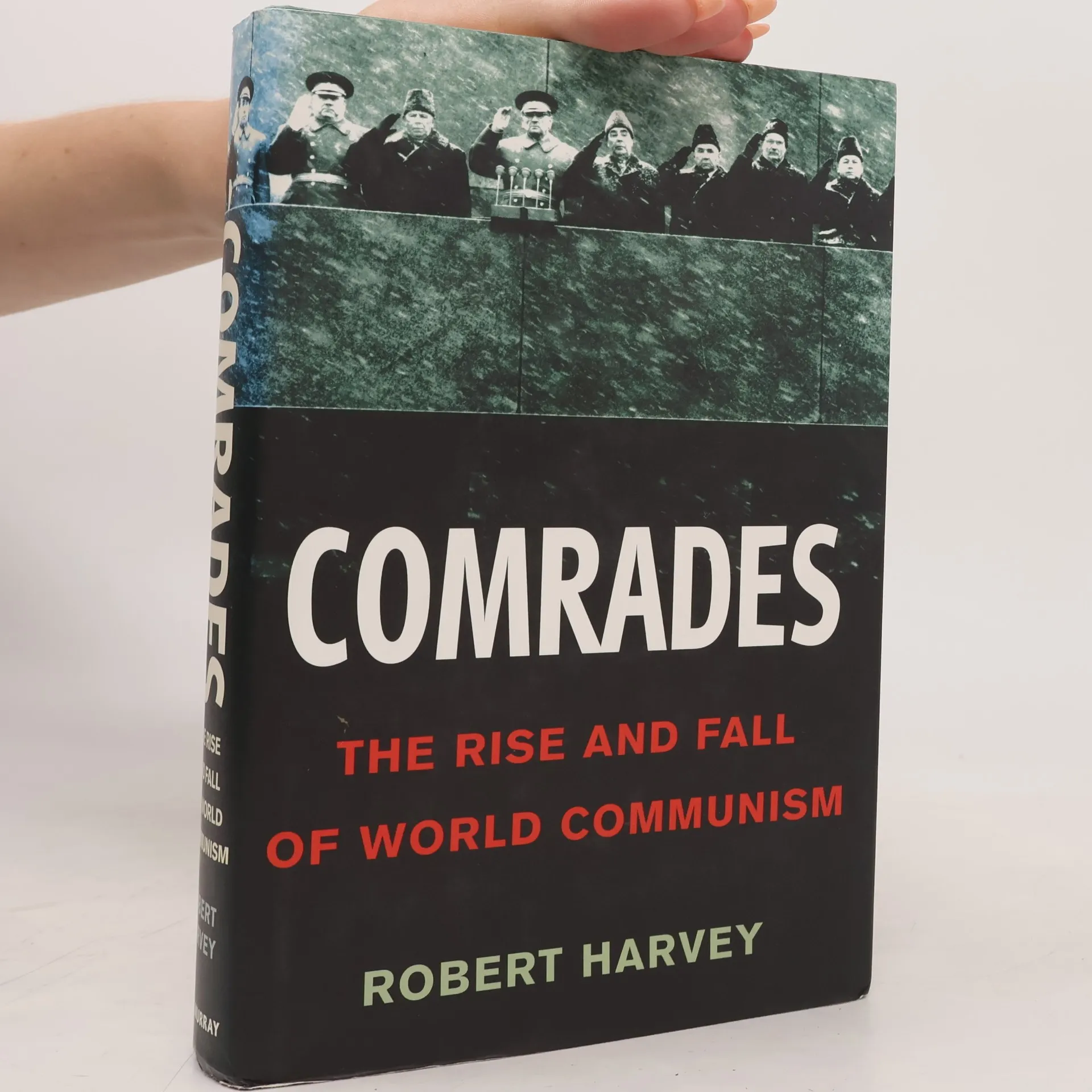
Today, global communism appears as a grim historical memory, comparable to the horrors of Nazism and the Holocaust. Just over a decade ago, authoritarian leaders maintained "workers' paradises," while millions suffered under a system that enforced mind control and brutal repression in the name of "progress." The world once faced the threat of revolutionary movements, bolstered by military power and the specter of nuclear war. In the 1970s, the fall of South Vietnam, Cambodia, and Laos suggested the unstoppable spread of Marxism-Leninism. Yet, less than twenty years later, this experiment collapsed, leaving approximately 100 million dead and widespread economic ruin. Even China has shifted towards free-market principles, with communism now lingering only in a few isolated regions. This narrative history explores the reasons behind communism's rise in countries transitioning from feudalism or colonialism to modernity, rather than in developed nations as Marx predicted. It questions whether coercion and state planning were the only viable paths for these nations. The book also delves into communism's appeal, even among astute Western observers, and examines its rapid growth and sudden decline. Robert Harvey presents a sweeping account of human idealism, cruelty, suffering, and courage, offering a compelling analysis of this complex phenomenon.
Los libertadores
La lucha por la independencia de América Latina
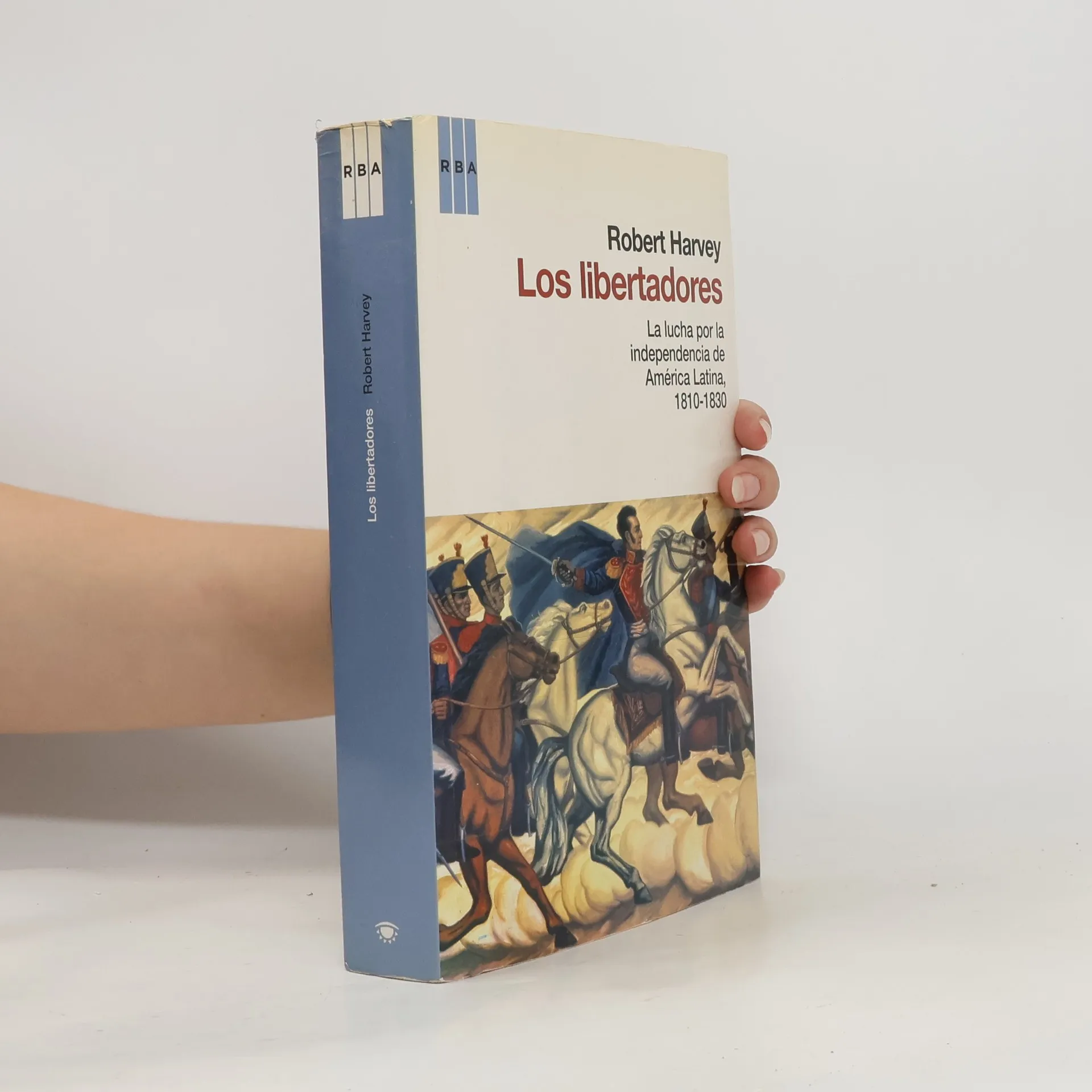
Forjado a sangre y fuego por conquistadores como Cortés y Pizarro, el imperio español en América Latina se derrumbó a principios del siglo XIX, arrollado por una serie de intrépidos libertadores: Simón Bolívar, Francisco de Miranda, José de San Martín, Agustín de Iturbe, Pedro de Braganza y Thomas Lord Cochrane. Los Libertadores relata la historia de estos hombres valientes que lucharon por la libertad de sus pueblos y murieron en trágicas circunstancias.