

The BLS for Healthcare Providers Course has been updated to reflect new science in the 2010 American Heart Association Guidelines for Cardiopulmonary Resuscitation and Emergency Cardiovascular Care. This video-based, Instructor-led course teaches both single-rescuer and team basic life support skills for application in both in- and out-of-hospital settings. This course trains participants to promptly recognize several life-threatening emergencies, give high-quality chest compressions, deliver appropriate ventilations, and provide early use of an AED. It includes adult, child, and infant rescue techniques and teaches relief of choking. BLS for Healthcare Providers teaches skills using the AHA's research-proven Practice-While-Watching technique, which allows Instructors to observe the students, provide feedback, and guide the students' acquisition of skills. The course uses a recommended ratio of 6 students to 2 manikins to 1 instructor.
Mary Fran Hazinski Book order (chronological)

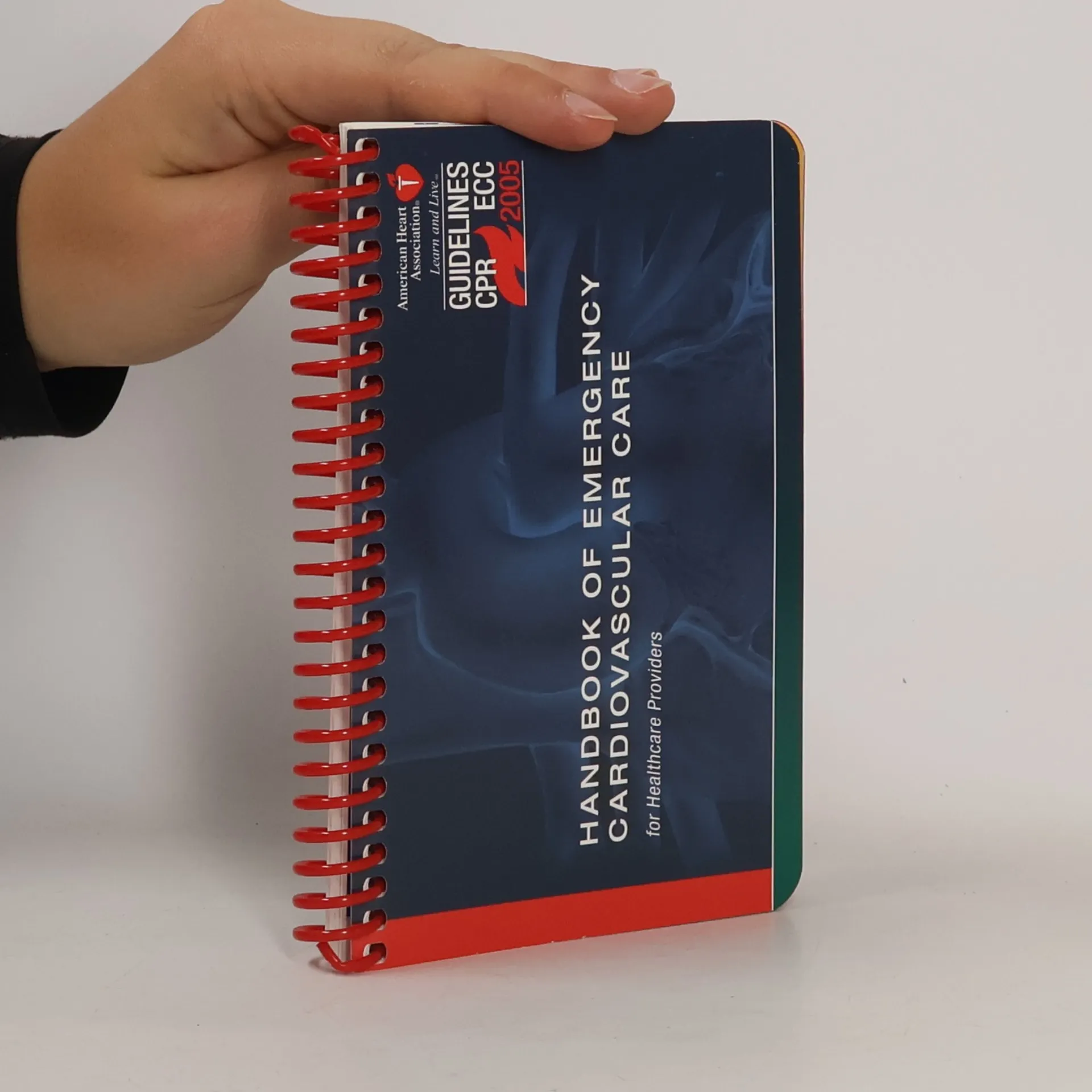


Guidelines CPR ECC - 2005: Handbook of Emergency Cardiovascular Care
For Healthcare Providers
- 97 pages
- 4 hours of reading
This new edition replaces all other editions. It incorporates the latest science from the 2005 American Heart Association Guidelines for CPR and ECC, and includes updated algorithms as well as information on therapeutic agents, stroke, and acute coronary syndromes (based on recommendations of the ACC/AHA Guidelines on Acute Myocardial Infarction). Also features information on the use of AEDs on children, the ACC/AHA STEMI guidelines, public access defibrillation, toxicology, electrolyte imbalances, and advanced airway support. A valuable quick-reference tool for ECC healthcare provider instructors and students; personnel in emergency, intensive care, and critical-care departments; and emergency medical care providers. Compact 4" x 6" pocket-size, spiral-bound format.
BLS for healthcare providers
- 80 pages
- 3 hours of reading
Student Manual to accompany the BLS for Healthcare Providers Course for professionals by the American Heart Association.