City of God
- 496 pages
- 18 hours of reading
Now available in English for the first time, "City of God" is the searing novel upon which the acclaimed hit film was based.


Paulo Lins is a Brazilian author renowned for his unflinching and authentic portrayal of life within the favelas of Rio de Janeiro. His work delves into the complexities of urban existence with a profound sociological insight, often exploring themes of survival, community, and resilience against adversity. Lins's style is marked by its literary prowess and his ability to capture the oral traditions and rhythms of life on the margins. His writing serves as a powerful commentary on social inequalities while celebrating the human spirit.
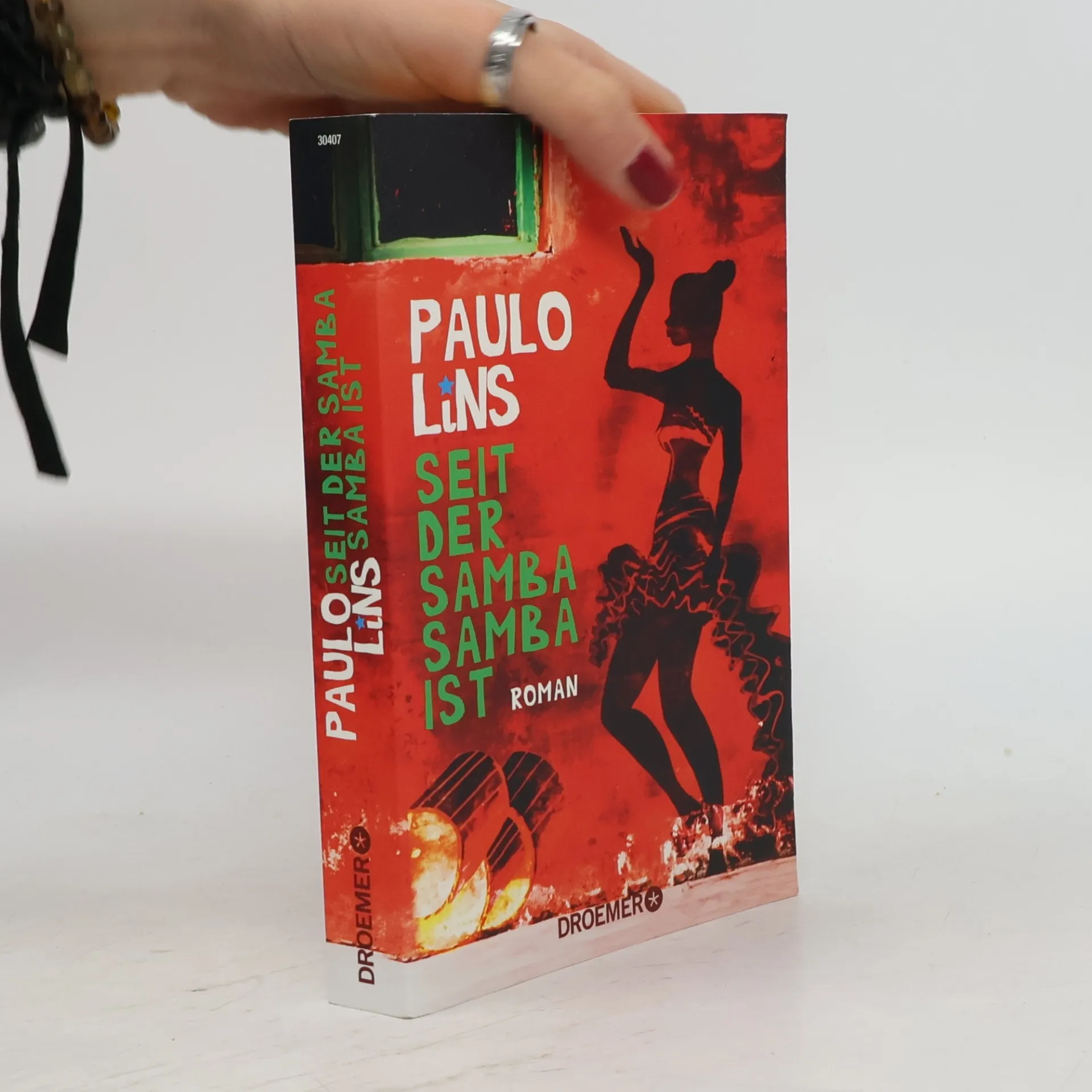
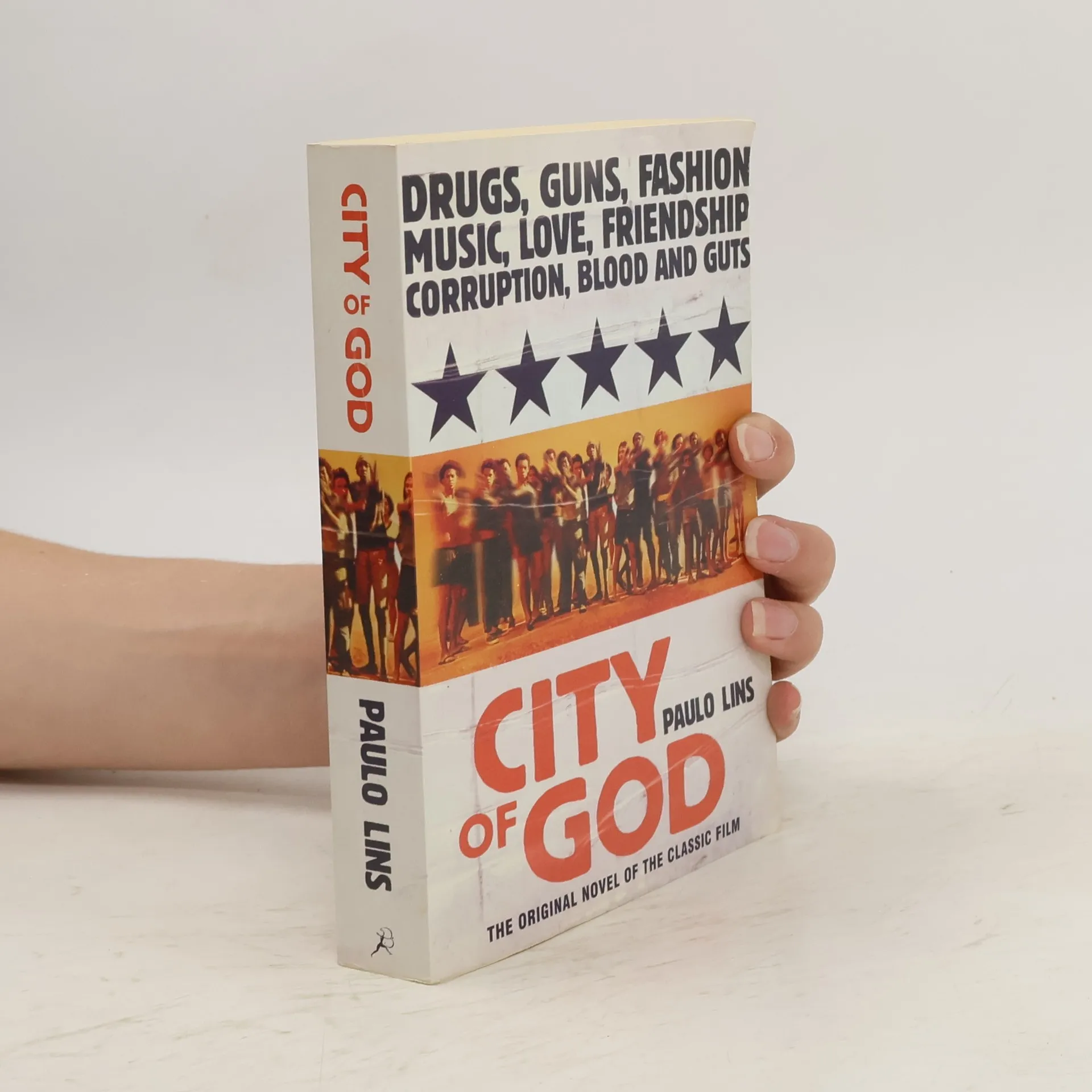
Now available in English for the first time, "City of God" is the searing novel upon which the acclaimed hit film was based.
Rio de Janeiro, Ende der zwanziger Jahre: In den Bars und Bordellen des Armenviertels hat sich Brancura, ein junger, kräftiger Schwarzer, als Zuhälter etabliert. Mit der schönen Mulattin Valdirene verbindet ihn so etwas wie Liebe. Doch sie träumt vom sozialen Aufstieg und macht einem hellhäutigen Portugiesen schöne Augen. In der »Bar do Apolo « tröstet sich Brancura über seinen Kummer hinweg. Und beflügelt vom Zuckerrohrschnaps flüchtet er sich in die Musik. In diesen Nächten mit seinen schwarzen Freunden entsteht etwas völlig Neues: eine Musik voller Leidenschaft, kraftvoller afrikanischer Rhythmen und überschäumender Lebensfreude. Und auch Valdirene kann sich der Sinnlichkeit dieser Musik nicht entziehen.