
Explore the latest books of this year!
Bookbot

Juan Ramón Jiménez

    December 23, 1881 – May 29, 1958

    This Spanish poet was recognized with the Nobel Prize in Literature for his lyrical poetry, which in the Spanish language stands as an example of high spirit and artistic purity. His work is characterized by deep sensitivity and an aesthetic that resonates with readers seeking beauty and spiritual depth in verse. The author's poems often explore themes of nature, introspection, and the search for the transcendent in everyday life, maintaining a remarkable musicality and imagery. His literary legacy lies in his masterful command of language and his ability to evoke powerful emotions through carefully chosen words and metaphors.

    Juan Ramón Jiménez
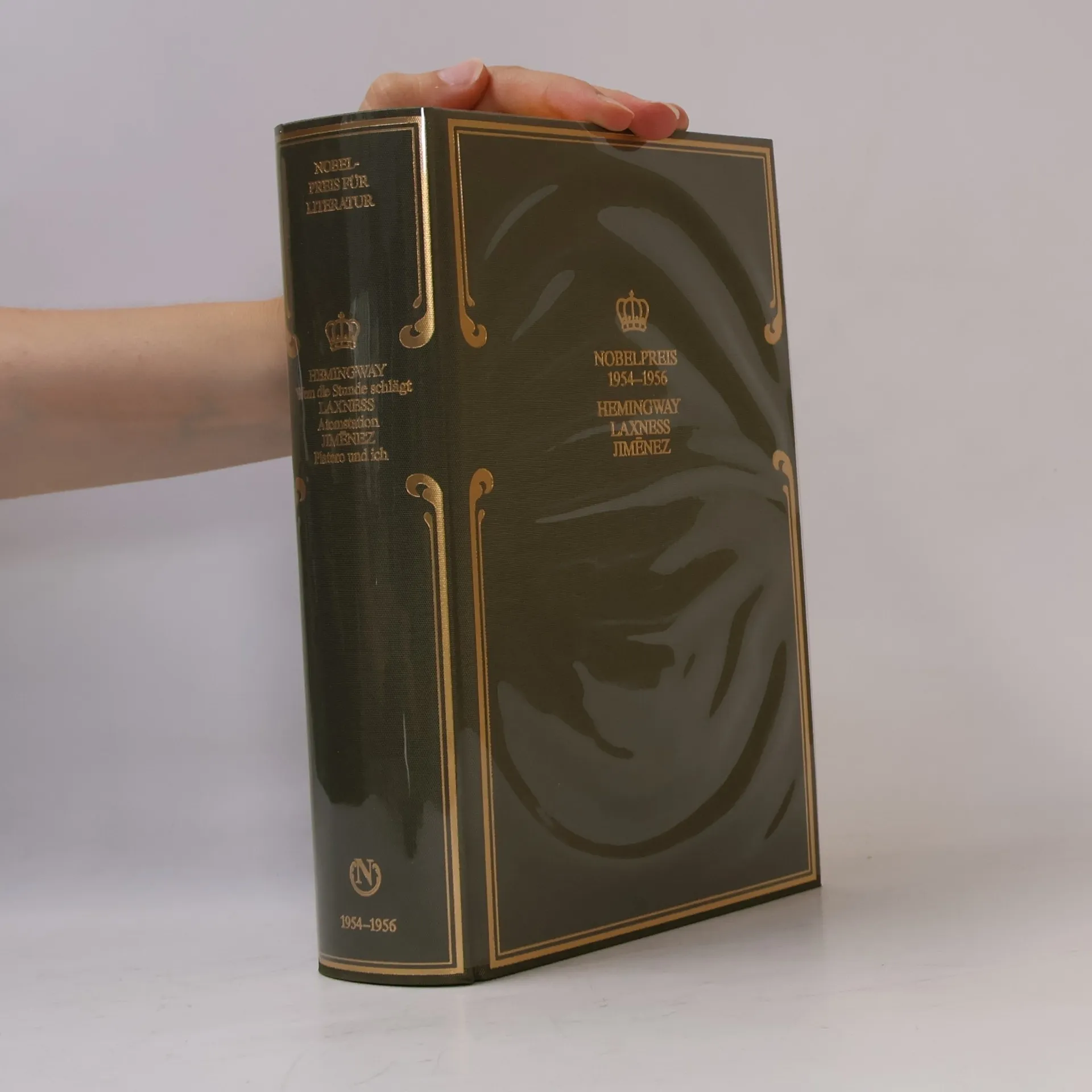
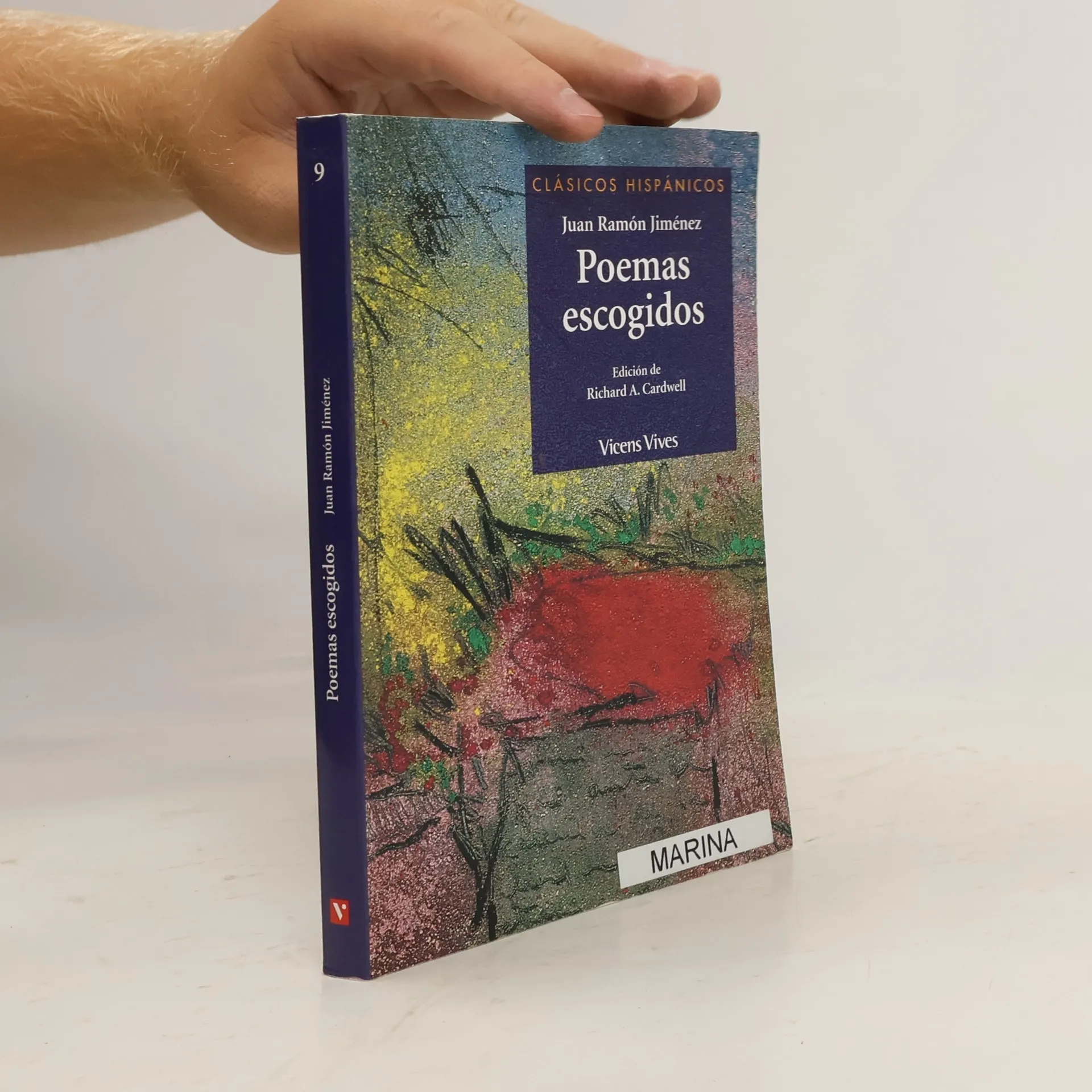
    Poemas escogidos
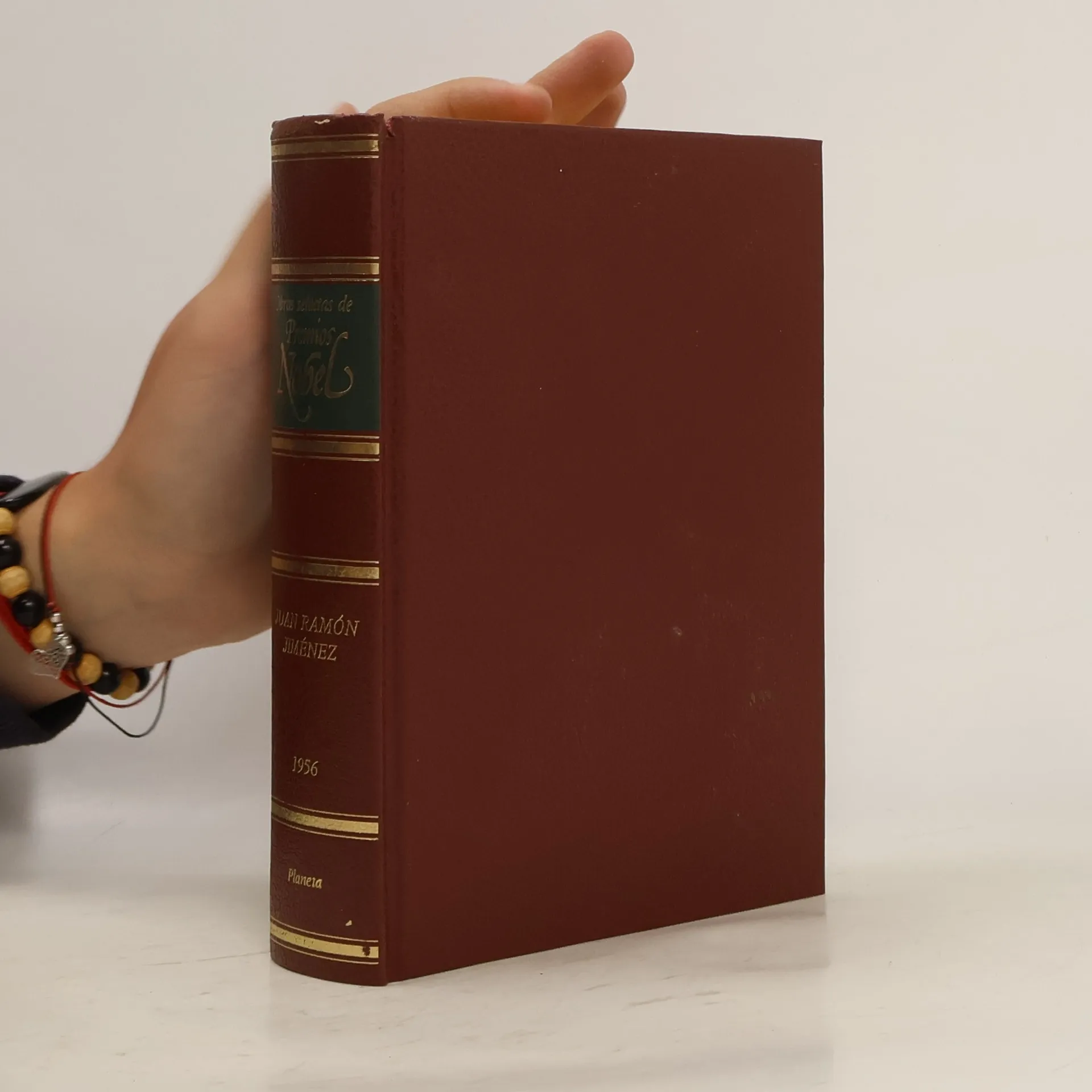
    Juan Ramón Jiménez, 1956
    Y para recordar por qué he venido
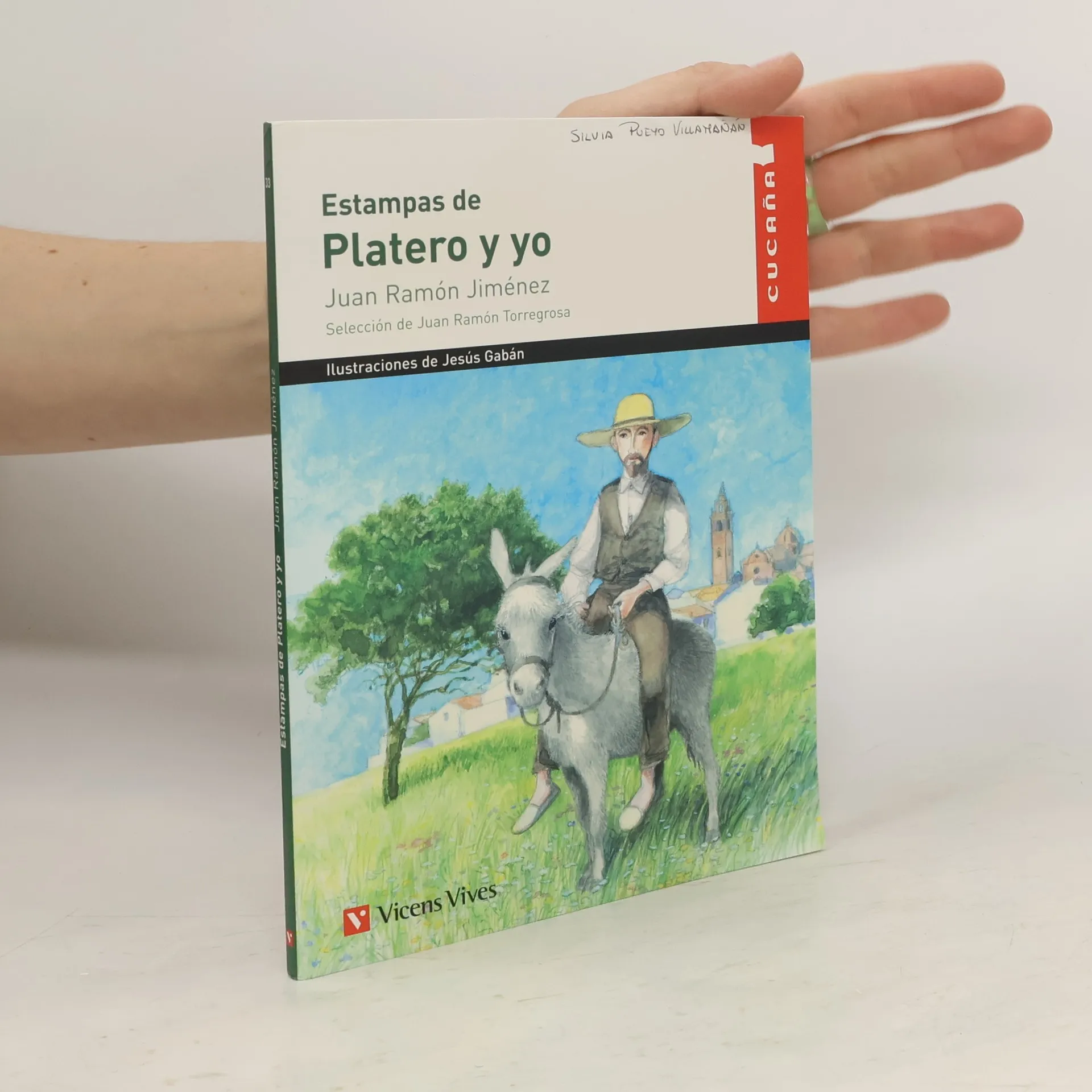
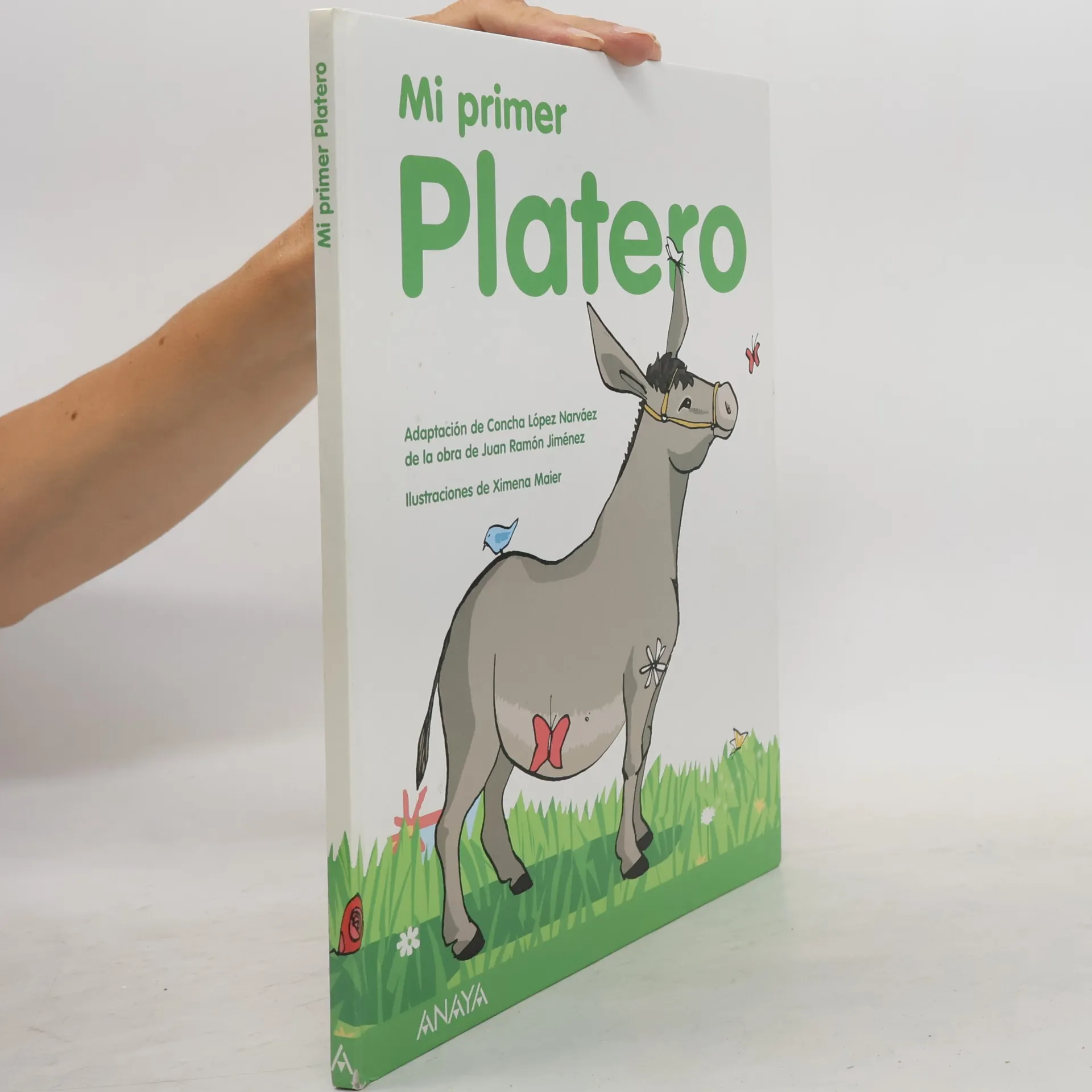
    Estampas de Platero y yo
    Herz, stirb oder singe
    Platero and I
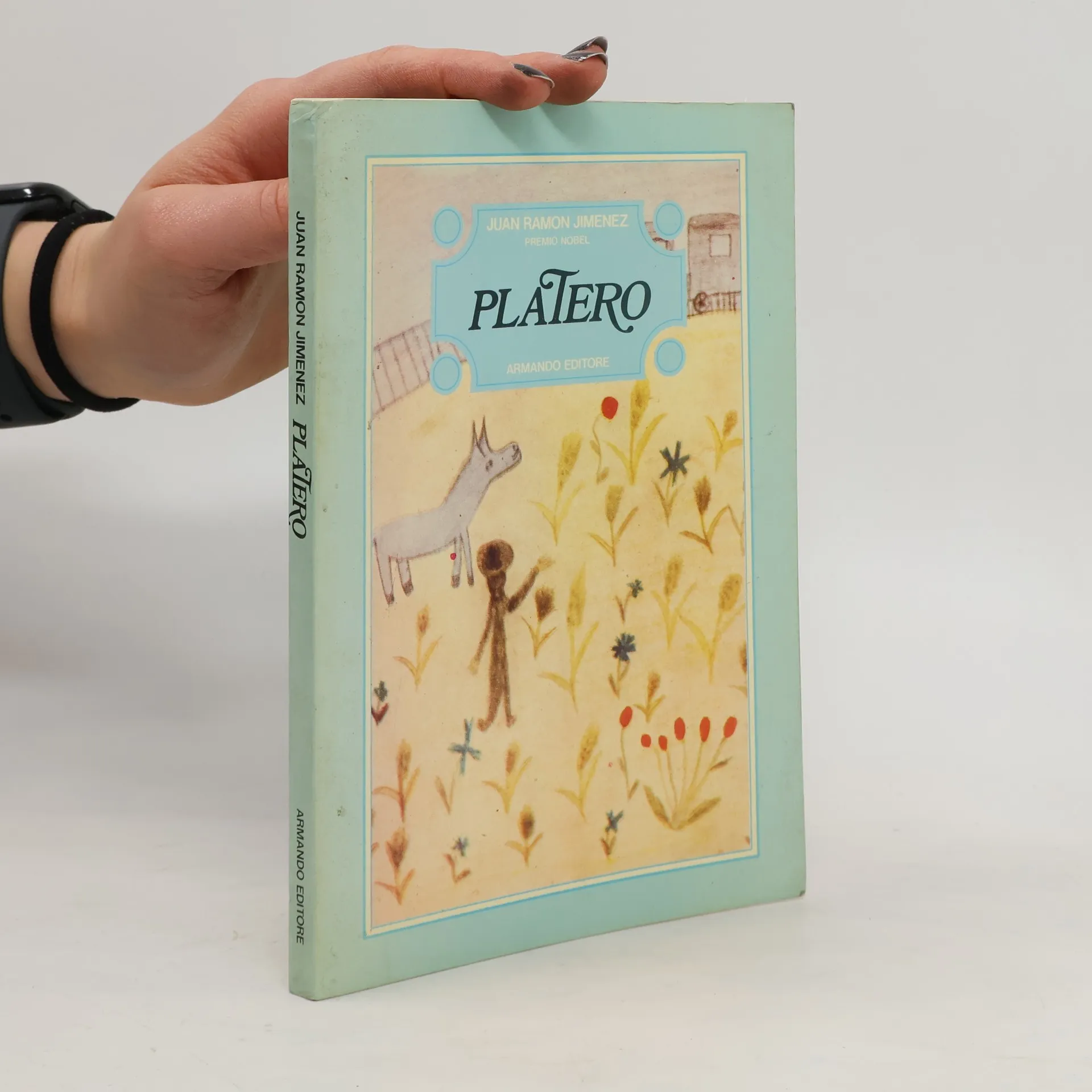
    • “An exquisite book, rich, shimmering, and truly incomparable.” —The New Yorker This lyric portrait of a boy’s companionship with his little donkey, Platero, is the masterpiece of Juan Ramón Jiménez, the Spanish poet awarded the 1956 Nobel Prize for Literature. Poetic, elegiac, it reveals the simple pleasures of life in a in a remote Andalusian village and is a classic work of literature, beloved by adults and children alike.

      Platero and I
    • Herz, stirb oder singe

      Gedichte, spanisch und deutsch

      4.0(23)Add rating

      »Dichtung heißt für ihn, den genauen Namen der Dinge finden. Dies setzt voraus: Zucht, Maß, Askese, Konzentration. Gedanke und Gefühl werden eins. Es war ein stetes, zähes Ringen um den endgültigen, unverrückbaren Ausdruck.«

      Herz, stirb oder singe
    • Estampas de Platero y yo

      • 96 pages
      • 4 hours of reading
      3.5(76)Add rating

      Presents a picture of life in Andalusia, Spain, as seen through the eyes of a wandering poet and his faithful donkey.

      Estampas de Platero y yo
    • Y para recordar por qué he venido

      • 277 pages
      • 10 hours of reading

      Durante los últimos años de su vida, Juan Ramón Jiménez se ocupó del diseño y la organización de una edición completa y definitiva de su obra, bajo el título Destino, edición que nunca vio la luz. Entre estos textos se encuentran los materiales para unos libros inéditos, como Ideología, Alrededores, Historia de España o Críticos de mi ser.Y para recordar por qué he venido da título a una selección de estos escritos, muchos de ellos inéditos, otros prácticamente inaccesibles hoy en día. En aquellos se revela la faceta crítica de Juan Ramón Jiménez, inseparable de su producción poética.Como recordó Luis Cernuda: "La crítica literaria de Juan Ramón (...) tiene a veces tal justeza que ningún otro crítico de su tiempo le alcanza (...). La crítica de Juan Ramón Jiménez va casi siempre más allá de la figura literaria del personaje, y lo ve y nos lo ofrece como elemento de un conjunto más vasto, en el tiempo y en el espacio, lo cual es en definitiva la misión de la crítica."

      Y para recordar por qué he venido
    • Esta antología recoge diversas épocas de la poesía de Juan Ramón Jiménez. Creador de una poesía tan tradicional como nueva, con contagios del modernismo pero independiente de él, que llega en su última etapa a la "deshumanización," son, sin duda los motivos de que esta poesía haya llegado no solo "a la inmensa minoría" sino a un publico tan vasto como pueda ser el de cualquiera de los llamados poetas populares. Su voz de "humilde ruiseñor del paisaje" es a la vez vieja y nueva, eterna.

      Antología poética