

Explore the latest books of this year!
Bookbot

Peter Hitchens

    Peter Hitchens is an English journalist and author, recognized for his incisive commentary on society and politics. His writing frequently critiques political correctness and delves into themes of faith and conservative principles. Hitchens is known for a sharp analytical style and an unyielding perspective on contemporary social trends. He seeks to understand and articulate the fundamental ideas shaping the modern world.

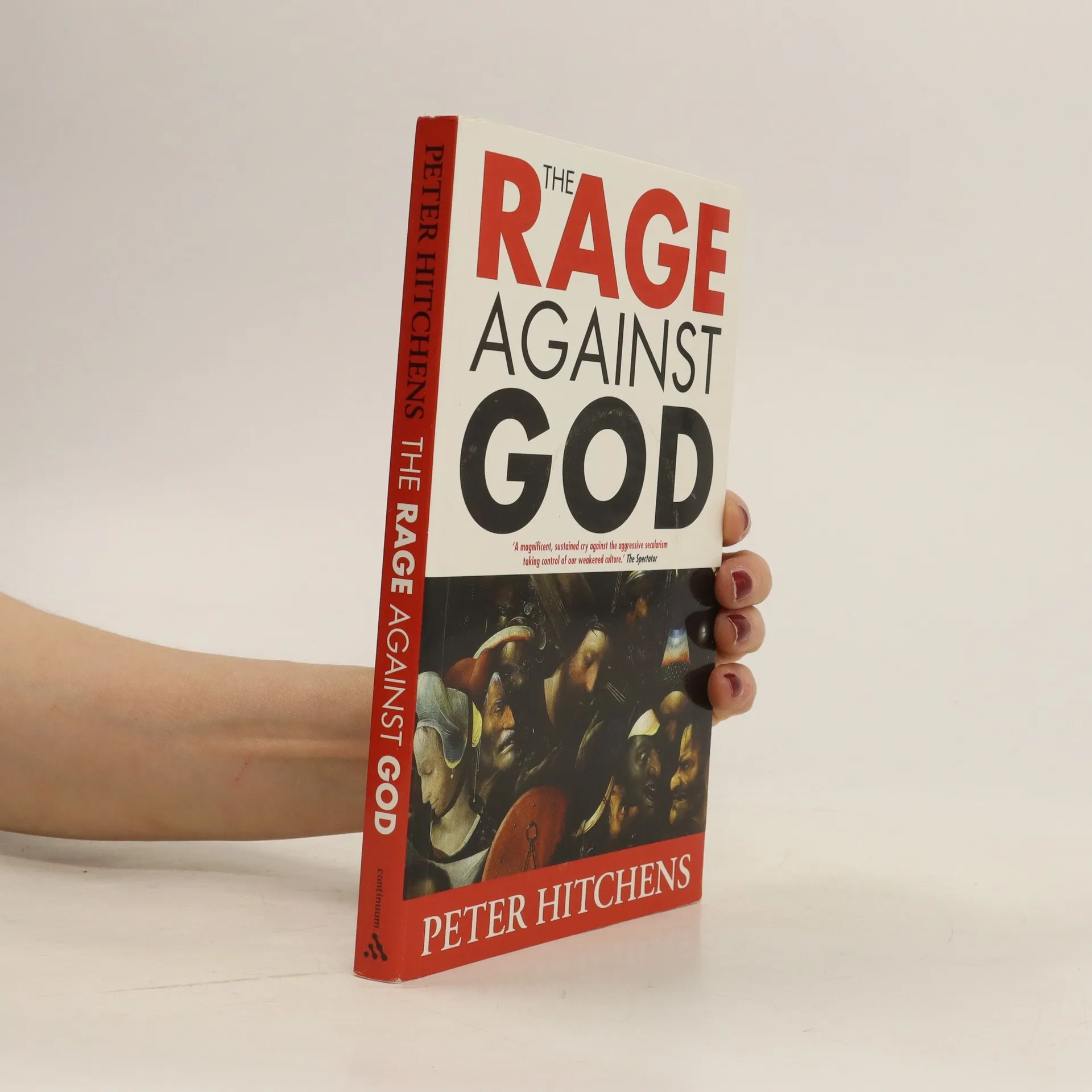
    The rage against God
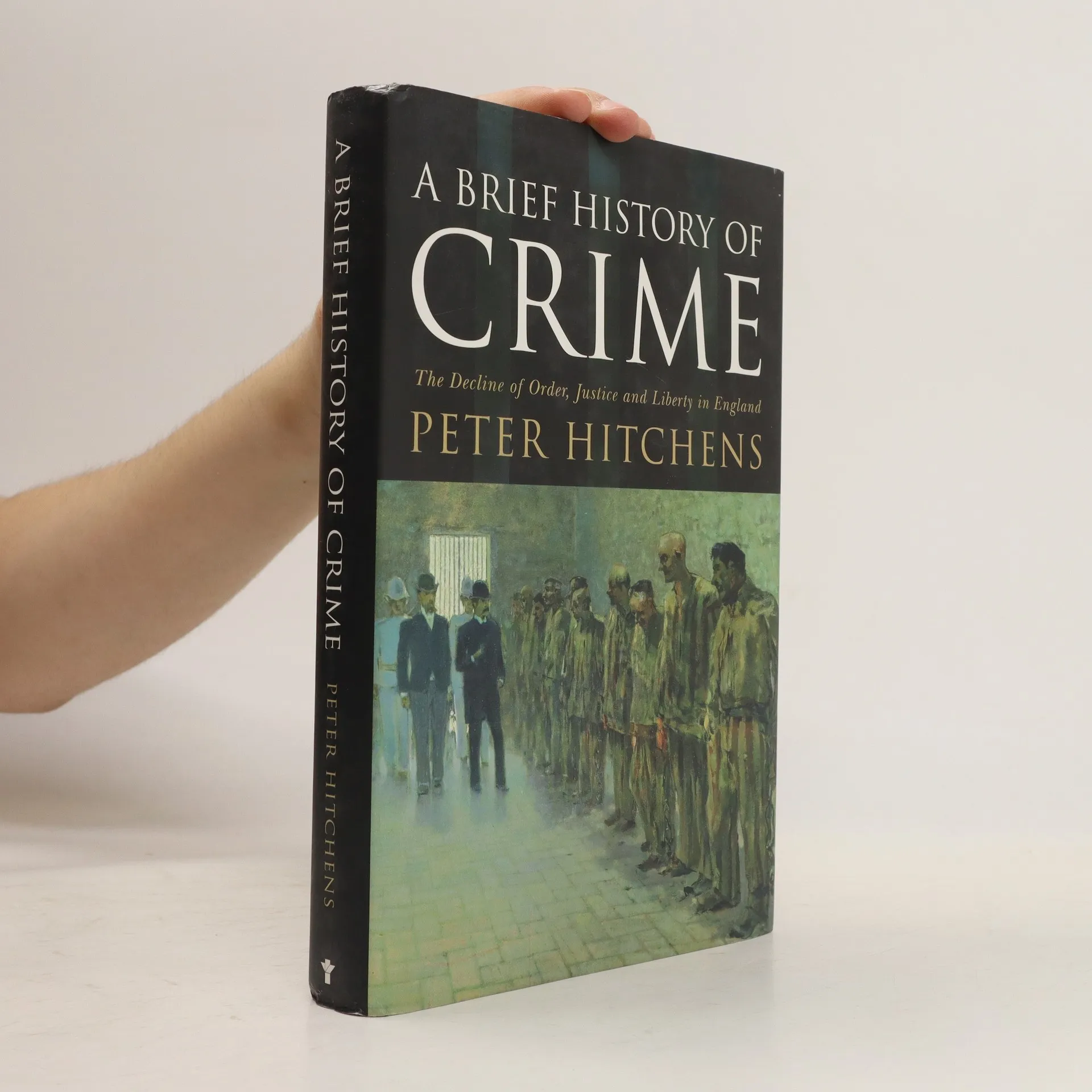
    A Brief History of Crime
    The Abolition of Britain
    Unconventional Wisdom
    A Revolution Betrayed
    The Phoney Victory
    • The Phoney Victory

      • 288 pages
      • 11 hours of reading
      4.2(11)Add rating

      Was World War II really the `Good War'? In the years since the declaration of peace in 1945 many myths have sprung up around the conflict in the victorious nations. In this book, Peter Hitchens deconstructs the many fables which have become associated with the narrative of the `Good War'. Whilst not criticising or doubting the need for war against Nazi Germany at some stage, Hitchens does query whether September 1939 was the right moment, or the independence of Poland the right issue. He points out that in the summer of 1939 Britain and France were wholly unprepared for a major European war and that this quickly became apparent in the conflict that ensued. He also rejects the retroactive claim that Britain went to war in 1939 to save the Jewish population of Europe. On the contrary, the beginning and intensification of war made it easier for Germany to begin the policy of mass murder in secret as well as closing most escape routes. In a provocative, but deeply-researched book, Hitchens questions the most common assumptions surrounding World War II, turning on its head the myth of Britain's role in a `Good War'.

      The Phoney Victory
    • A Revolution Betrayed

      • 224 pages
      • 8 hours of reading
      4.0(12)Add rating

      Peter Hitchens looks carefully at the involvement of politics and politicians in contemporary British education and points out the fundamental errors which have resulted in anxiety for parents all over the country.

      A Revolution Betrayed
    • The Abolition of Britain

      • 362 pages
      • 13 hours of reading
      4.0(60)Add rating

      This book offers a powerful polemic on the decline of modern day Britain.Hitchens identifies everything that he feels has gone wrong with Britain since the Second World War and makes the case for the 'many millions who feel that they have become foreigners in their own land and wish with each succeeding day that they could turn the clock back'. Writing with brilliance and flair, Hitchens targets the pernicious effects of TV culture, the corruption and decay of English language, the loss of deference and the syrupy confessional mood brought on by the death of Princess Diana. This new paperback edition includes a brand new introduction taking the story up to the present day.

      The Abolition of Britain
    • A Brief History of Crime

      • 320 pages
      • 12 hours of reading
      4.0(35)Add rating

      In this volume Peter Hitchens argues that the time has come to re-examine the criminal justice system root and branch - to cope with rising levels of violent crime, and to restore public faith in society's ability to defend itself.

      A Brief History of Crime
    • In a fascinating account, Peter Hitchens describes his autobiographical and spiritual journey from atheism to faith in God through the power of reasoning.

      The rage against God
    • Wściekli na Boga to osobista historia nawrócenia Petera Hitchensa, brata znanego ateisty sceptyka, jednego z przedstawicieli nowego ateizmu Christophera. Peter stracił wiarę jako nastolatek, ponieważ przeżył osobistą tragedię. Przepełniony gniewem i buntem spalił swój egzemplarz Biblii, przekonany, że uwalnia się od szkodliwej religii i rozpoczyna wyzwolone życie w prawdzie jako ateista. Jednak po wielu latach przemyśleń i doświadczeń w roli zaangażowanego po stronie lewicy korespondenta podróżującego po byłym bloku komunistycznym Hitchens stopniowo dochodził do wniosku, że ateizm nie tylko nie wytrzymuje logicznej krytyki, ale też stanowi jedną z najbardziej niebezpiecznych ideologii w historii ludzkości. Opisując swój powrót do Boga, Peter wspomina wydarzenia sprzed upadku komunizmu, którego był świadkiem, i przekonuje, że wiara jest najlepszym antidotum na prowadzący donikąd utopizm, gdyż zachęca ludzi do działania w przekonaniu, że istnieje Bóg i uporządkowany, celowy Wszechświat rządzony niezmiennym prawem.

      Wściekli na Boga
    • Czy druga wojna światowa była „dobrą wojną”, jak głosi mit rozpowszechniony w krajach, które wyszły z niej zwycięsko? I czy musiała wybuchnąć we wrześniu 1939 roku z powodu Polski? Brytyjski konserwatywny dziennikarz i publicysta Peter Hitchens się z tym nie zgadza. Twierdzi, że jednym z ważniejszych powodów rozpętania światowego konfliktu były brytyjskie gwarancje dla granic Polski zagrożonej przez agresywną politykę Hitlera. Co gorsza, rząd Jego Królewskiej Mości w pełni zdawał sobie sprawę, że z racji słabości swych sił lądowych nie będzie w stanie wypełnić tych gwarancji. Tak się stało – po niemieckiej agresji na Polskę Londyn wypowiedział wojnę III Rzeszy (i nakłonił do tego Paryż), ale pozostawił polskiego sojusznika na pastwę losu. Hitchens uważa, że należało poczekać z wystąpieniem przeciwko Hitlerowi i wykorzystać ten czas na odpowiednie przygotowania. Rozprawia się też z innymi obiegowymi opiniami na temat II wojny światowej: że doszło do niej w celu ratowania ludności żydowskiej przed nazistami, że Niemcy rzeczywiście planowały inwazję na Wyspy Brytyjskie (według autora Hitler tylko wywierał presję, aby zmusić Londyn do zawarcia pokoju), wreszcie że Wielka Brytania należy do grona zwycięzców. Uważa tę ostatnią tezę za głęboko fałszywą wobec utraty statusu najważniejszego mocarstwa Zachodu na rzecz USA, ogromnych strat ludzkich i materialnych oraz rychłego rozpadu imperium kolonialnego. To książka idąca pod prąd, mająca sprowokować czytelnika do myślenia wbrew utartym schematom, w której poczesne miejsce zajmuje sprawa polska. Do tego napisana barwnie, przystępnym językiem.

      Po co nam była ta wojna!