

The biography delves into the life and artistry of conductor Carlos Kleiber, drawing from a 15-year correspondence to provide unique insights into his creative process. It highlights his distinctive aesthetic, humor, and perfectionism, alongside his renowned baton technique and notable performances. The book also examines Kleiber's musical heritage, the contemporary landscape of his work, and challenges prevalent myths surrounding genius, ultimately reflecting on his significant impact on modern musical performance.
Charles Laurence Barber Books
January 1, 1935 – January 1, 2000



Peace & Health
How a group of small-town activists and college students set out to change healthcare
- 178 pages
- 7 hours of reading
Focusing on a small group's mission, the narrative explores their journey to advocate for universal health care as a fundamental right. It highlights their challenges, growth, and commitment to transforming the healthcare landscape, emphasizing the belief that access to health care should not be determined by privilege but should be available to all. Through their collective efforts, the book illustrates the power of grassroots activism in effecting meaningful change in society.
In addition to surveying the history of the English language from its Indo-European origins to the present day, this introduction introduces the main theoretical and technical concepts of historical linguistics.
Notes on As you like it
- 88 pages
- 4 hours of reading
This wisely funny comedy, which contains some of Shakespeare's loveliest poetry, contrasts a country's world of envy and rivalry with a forest's world of compassion and harmony. In the Forest of Arden, the banished young heroine, Rosalind, disguised as a gentleman farmer, encounters an extraordinary assemblage of characters, including a fool, a malcontent traveler, her own banished father, and the banished young man she loves. Romantic happiness triumphs, even as we laugh at the excesses of love, at the ways of court and countryside, indeed, at everything, in this masterpiece of comic writing,
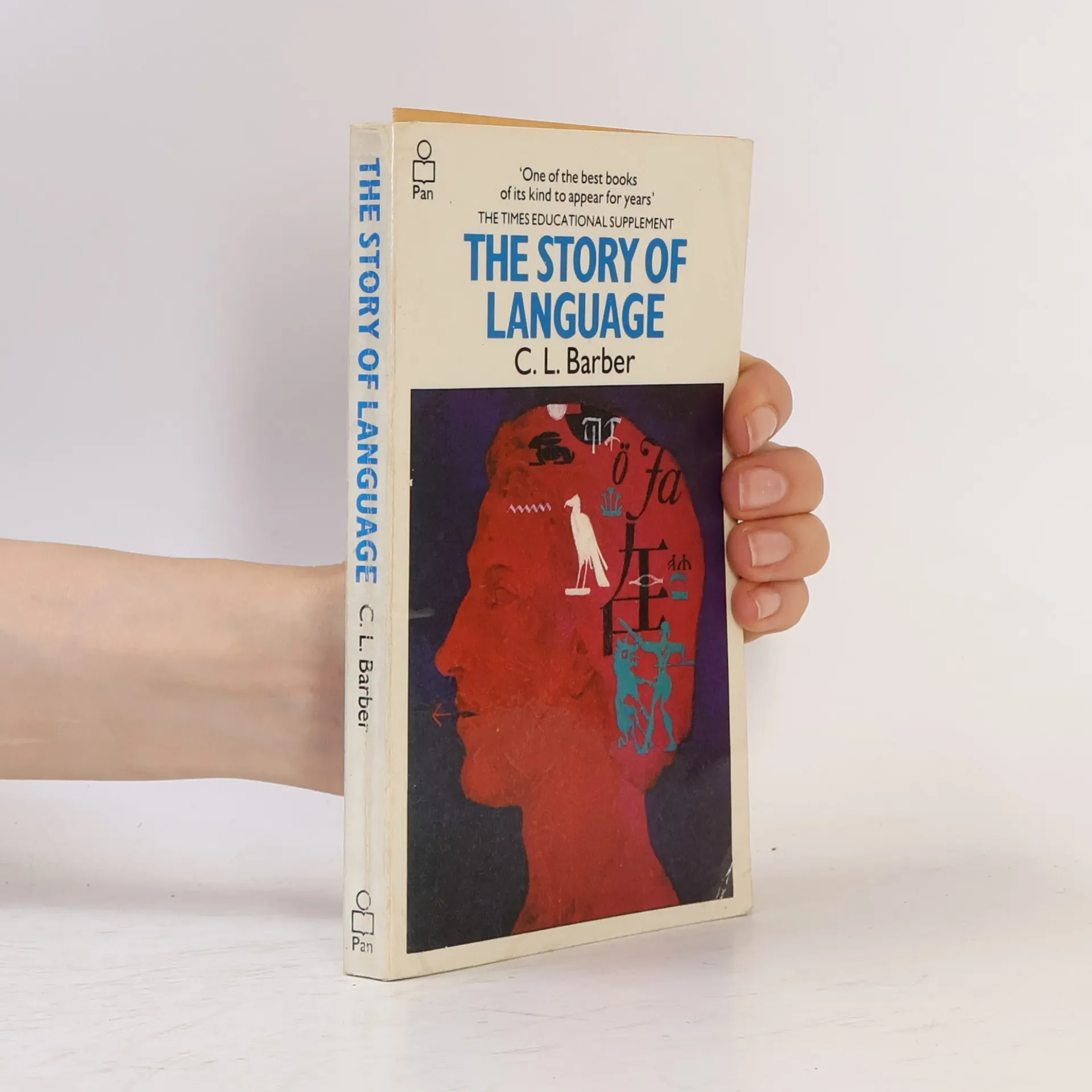
The Story of Language
- 294 pages
- 11 hours of reading
Beginning with primitive man's first crude attempts at communication by sound, Dr Barber traces the development over thousands of years of organized language and its various families. From the language groups emerging through the centuries he concentrates on the Indo-European as being of particular interest and describes the growth of the English language as we know it today. From each epoch – Old English, Middle English, the times of Chaucer, of Shakespeare, and later – he introduces pleasing examples of prose and verse to illustrate his arguments. This new edition of an important book is made still more valuable by revisions and additions including the use of phonetic symbols from the international phonetic alphabet. [Description is from back cover]
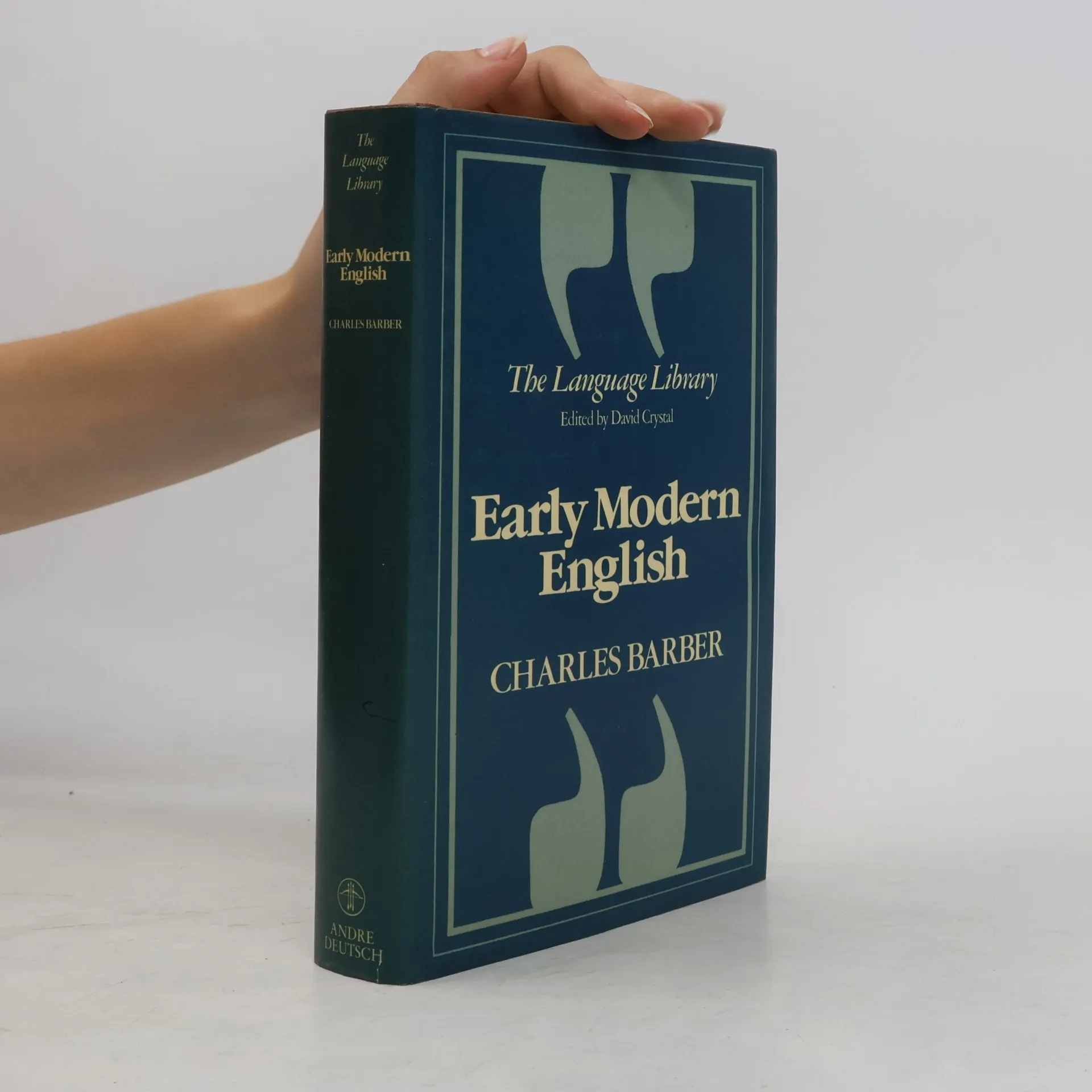
The Language Library: Early Modern English
- 360 pages
- 13 hours of reading
Now in a completely revised edition, this book describes the English language between the years 1500 and 1700 - the different varieites of the language, the attitudes of its speakers towards it, and its pronunciation, vocabulary, and grammar. It will be useful to serious students of the history of English and takes full account of those readers who are mainly interested in the literature of the period by providing plenty of references to literary works and authors.