Roberto de Mattei is an Italian historian and author whose work deeply explores the history of Catholicism. His writing is characterized by a profound interest in the spiritual and intellectual dimensions of Church history. He strives to understand and interpret the evolution of Catholic tradition and its societal impact. His narratives offer readers an insightful perspective on religious and historical events.
The beatification of Pope Pius IX in September 2000 highlights his significant impact and the recognition of his heroic virtues. As one of the most influential figures of the nineteenth century, his life and legacy are examined, reflecting on his contributions to the Catholic Church and society during a transformative period in history.
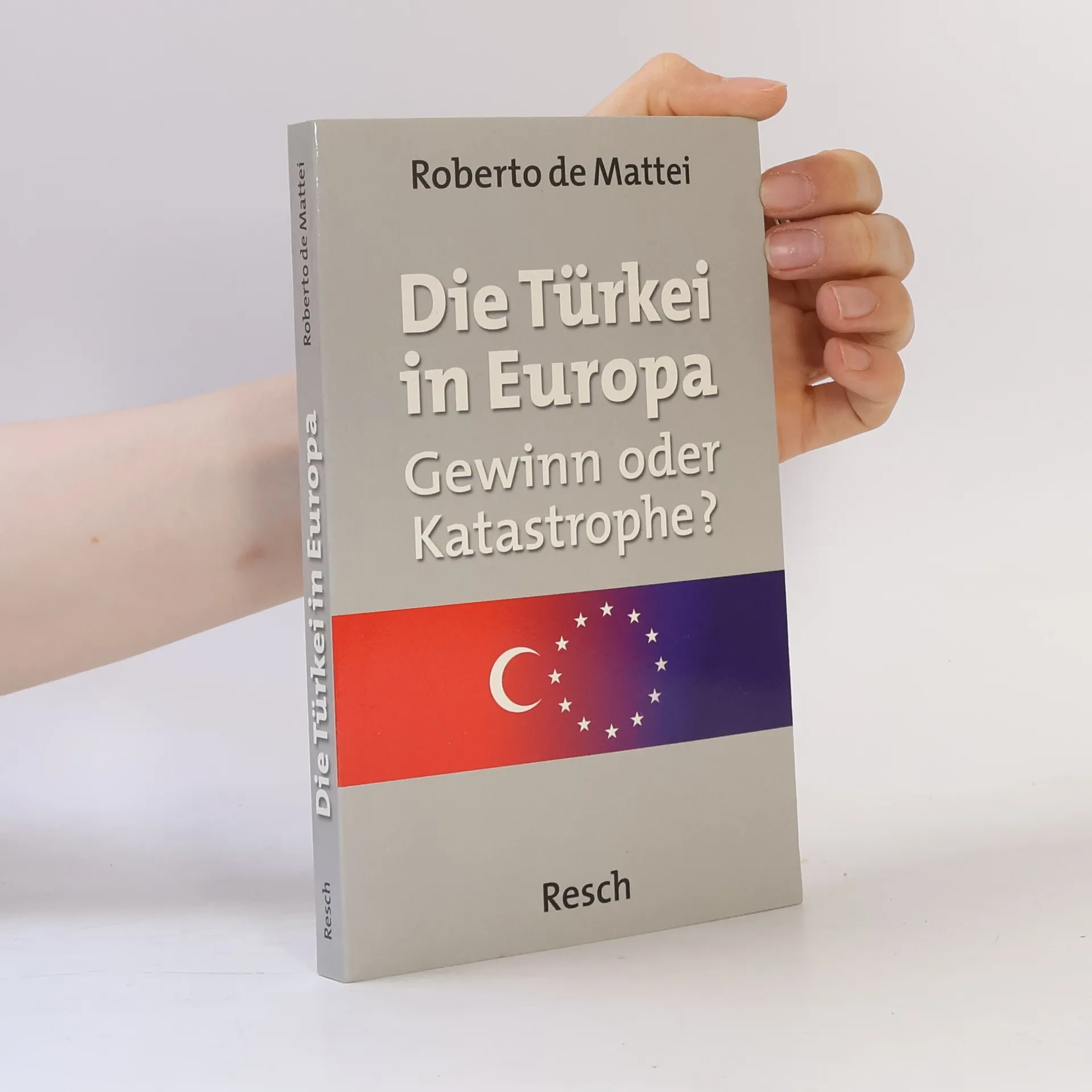
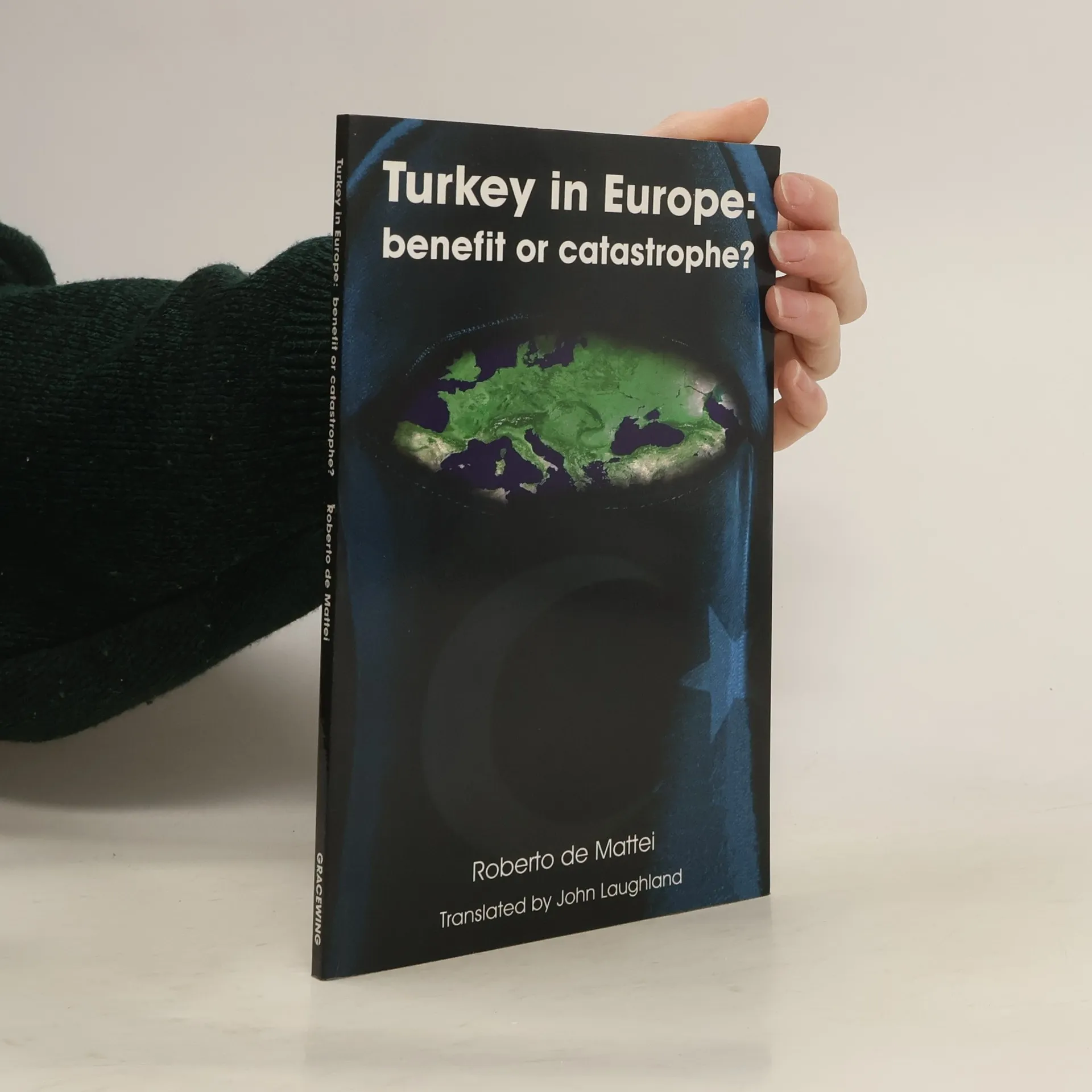
The book delves into the intricate negotiations surrounding Turkey's potential accession to the European Union, highlighting the political dynamics and challenges faced by European governments and institutions. It examines the implications of Turkey's membership for both the EU and Turkey, discussing issues such as cultural integration, economic factors, and geopolitical considerations. Through detailed analysis, the work offers insights into the broader context of European integration and the impact of Turkey's candidacy on future relations within the region.
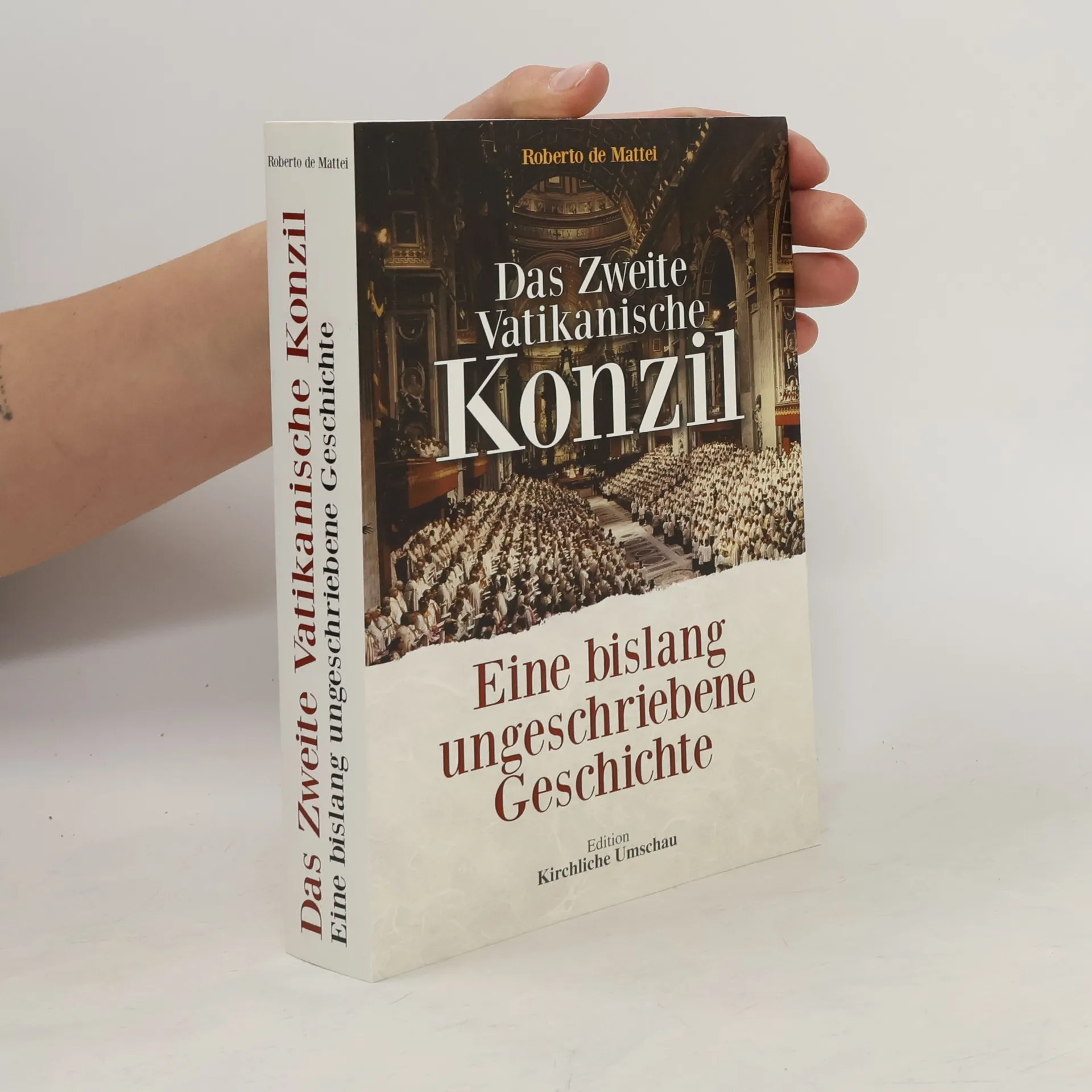
Fünfzig Jahre nach dem II. Vatikanischen Konzil (1962–1965) beginnt nun die Phase unabhängiger Geschichtsschreibung. Trotz großer Erwartungen war die Zeit nach dem Konzil kein neuer „Frühling“ für die Kirche, sondern eine Phase der Krise und Verwirrung in der Glaubensverkündigung, wie Paul VI. und seine Nachfolger anerkannten. In der heutigen Zeit entbrannte eine lebhafte Diskussion über das Verhältnis von „Buchstabe“ und „Geist“ des Konzils. Zwei „Hermeneutiken“ stehen sich gegenüber, wobei ihre Vertreter um die Autorität der Dokumente und die Deutungshoheit streiten. Roberto de Mattei beteiligt sich als Historiker an dieser Debatte, indem er eine präzise Darstellung des Konzilsereignisses sowie seiner Wurzeln und Konsequenzen bietet, ohne die Texte des Konzils aus ihrem historischen Kontext zu lösen. Fünfzig Jahre nach dem Konzilsbeginn präsentiert er die „bislang ungeschriebene Geschichte“ des II. Vatikanums, die weit über Italien hinaus Wellen geschlagen hat. De Mattei, geboren 1948, lehrt Geschichte des Christentums an der Università Europea di Roma und ist Vizepräsident des italienischen Consiglio Nazionale delle Ricerche. Für dieses Buch erhielt er den bedeutenden Historikerpreis „Premio Acqui Storia“.
Nach dem Erfolg seines vorherigen Werkes bietet Roberto de Mattei in diesen Seiten historische und theologischen Reflexionen zu den lebhaften Diskussionen, die sein Werk ausgelöst hat. Er stellt grundlegende Fragen: Darf man Personen und Ereignisse der Kirchengeschichte kritisch betrachten und möglicherweise in ein weniger günstiges Licht rücken? Ist es zulässig, Entscheidungen der höchsten kirchlichen Autorität abzulehnen, und wenn ja, unter welchen Bedingungen? Was ist die Glaubensregel der Kirche in Krisenzeiten? De Mattei sieht die Antwort in der heiligen Tradition, für die er ein eindrucksvolles Plädoyer hält. Die Geschichte erinnert uns daran, dass sich Ereignisse wiederholen können und dass in Zeiten der Krise die Treue zur Tradition als Treue zur Wahrheit entscheidend bleibt. Diese Wahrheit, die Christus seiner Kirche anvertraut hat, bleibt unveränderlich: 'Himmel und Erde werden vergehen, aber meine Worte werden nicht vergehen' (Mt 24,35). De Mattei unterzieht die Geschichte der Päpste einer strengen Prüfung, stets aus der Perspektive bedingungsloser Papsttreue. Sein Ziel ist es, die Rolle des Papstes zu verteidigen und zu betonen, dass Kritik am Papsttum im Einklang mit der großen katholischen Tradition steht.
Weitreichende politische Entscheidungen erfordern eine präzise Analyse der Ausgangslage. Der italienische Politikwissenschaftler und Historiker Roberto de Mattei, Professor an der Università Europea di Roma, beginnt seine Analyse mit einer geschichtlichen Bestandsaufnahme der Türkei und ihrer Identität im Kontext der Europäischen Union. Einst christlich geprägt, ist das Land heute stark vom Islam und türkischem Nationalismus beeinflusst. De Mattei beleuchtet zentrale Themen wie die Kurden- und Zypernfrage, den Umgang mit dem Völkermord an den Armeniern und die Entwicklung der Demokratie in der modernen Türkei. Er untersucht die Bedeutung des Christentums und die Auswirkungen der Kopenhagener Kriterien sowie die wirtschaftlichen Herausforderungen für Europa. Der Autor beschreibt das Spannungsverhältnis zwischen Laizismus und Islamismus und analysiert die Entwicklung der AKP und die Veränderungen in der türkischen Gesellschaft, die zunehmend vom Islamismus durchdrungen wird. Der Einfluss der Muslimbrüderschaften, insbesondere der Naqshbandija und der Suleymanci, wird hervorgehoben. De Mattei betrachtet die geopolitische und demografische Situation in Europa und die damit verbundenen Risiken. Er schließt mit mahnenden Worten von Joseph Ratzinger, die vor den Folgen eines EU-Beitritts der Türkei warnen, da dieser den Islam in Europa stärken und die Säkularisation sowie die Demokratie gefährden könnte. Ein Anhang thematisiert spezi
Kniha významného talianskeho historika Roberta de Matteiho: Druhý vatikánsky koncil –Doposiaľ nenapísané dejiny prináša ucelený pohľad na udalosť, ktorá zásadným spôsobom ovplyvnila život katolíckej Cirkvi v druhej polovici 20. storočia. Profesor de Mattei sa nezoberá len priebehom koncilu ale skúma aj jeho príčiny, dejinné súvislosti, ktoré ho formovali, ideové pozadie jeho hlavných aktérov a jednotlivých názorových frakcií. Jeho pozornosť sa zamerala aj na dôsledky koncilu, jeho dopad na liturgickú prax Cirkvi, krízu v radoch kňazov i laikov a na celkové reakcie veriacich na túto udalosť. Kniha vyniká vysokou odbornou erudovanosťou. Jednotlivé kapitoly sú doplnené o rozsiahly poznámkový aparát, s ktorým sa doposiaľ nemali kde slovenský čitatelia zoznámiť. Jedná sa v podstate o prvú syntetickú prácu tohto druhu, s takým rozsahom informácií, pojednávajúcu o tejto udalostia vychádzajúcu na Slovensku. Kniha je doplnená o úvodné slovo trnavského arcibiskupa Mons. Jána Oroscha, v ktorom oceňuje rigorózny charakter tohto diela a odporúča ho. Turbulentná doba a vysoké očakávania, ktoré boli vznášané vzhľadom ku koncilu, zapríčinili často nekritický obdiv a idealizáciu tak jeho predstaviteľov ako aj celkového priebehu a následkov. Profesor de Mattei prenáša s objektivitou historika túto udalosť zo sveta očakávaní a idealizácie do sveta reality.