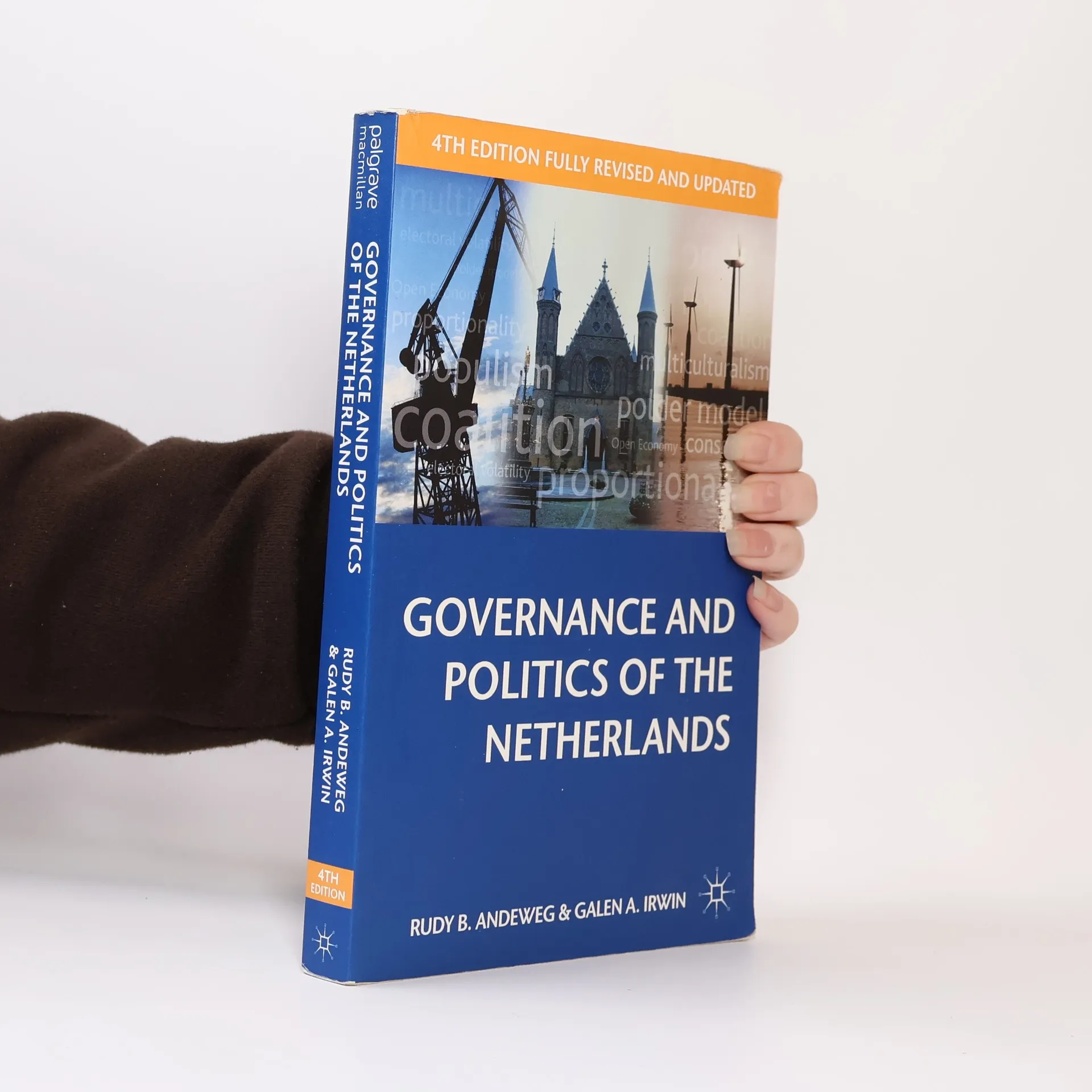
The fourth edition of this leading text provides again a clear and comprehensive account of politics in the Netherlands. It has been revised and updated throughout to provide full coverage of recent developments and events - and, in particular, examines the challenges to the distinctively Dutch quest for consensus.
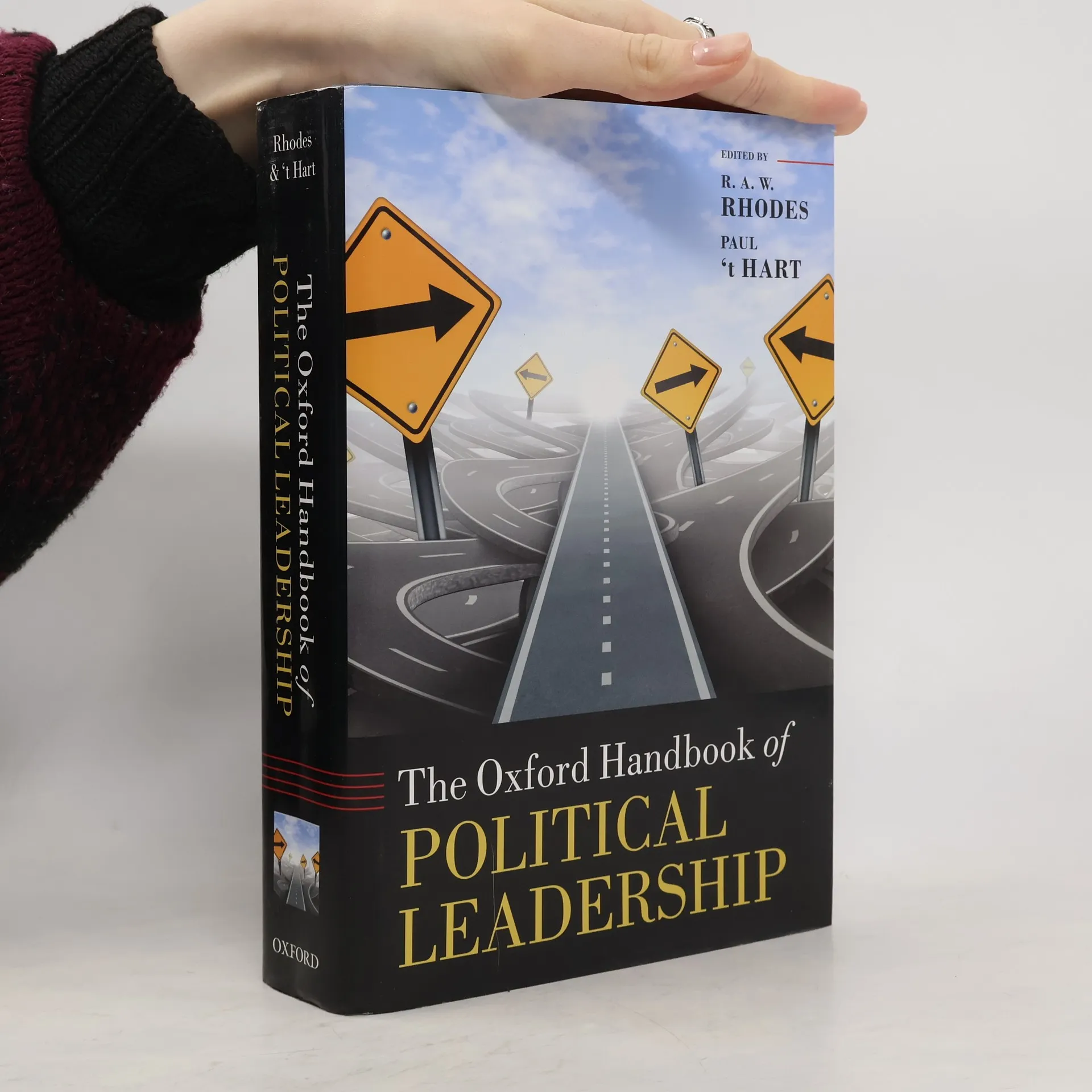
Political leadership has regained prominence, having been extensively studied by various disciplines from the 1940s to the 1970s, including political science, sociology, psychology, and comparative studies. However, interest waned with the rise of structuralism and rational choice theories. Recently, scholars have shifted focus back to individual leaders and their impact on political outcomes, exploring topics like elections, conflict management, public policy, and governance networks. In today's media-driven environment, leaders are often portrayed as solutions to social issues, with citizens closely observing their rise and fall through mass media and the Internet. This Handbook addresses the current state of political leadership studies by organizing the multidisciplinary field and highlighting the unique contributions of various disciplines. It aims to take stock of the field's evolution, bringing together global scholars for a comparative perspective and offering comprehensive coverage of major disciplines, methods, and regions. It balances normative and empirical traditions, examining both formal office-based and informal emergent leadership in democratic and undemocratic contexts.
Beschouwingen over het Functioneren van de Democratie
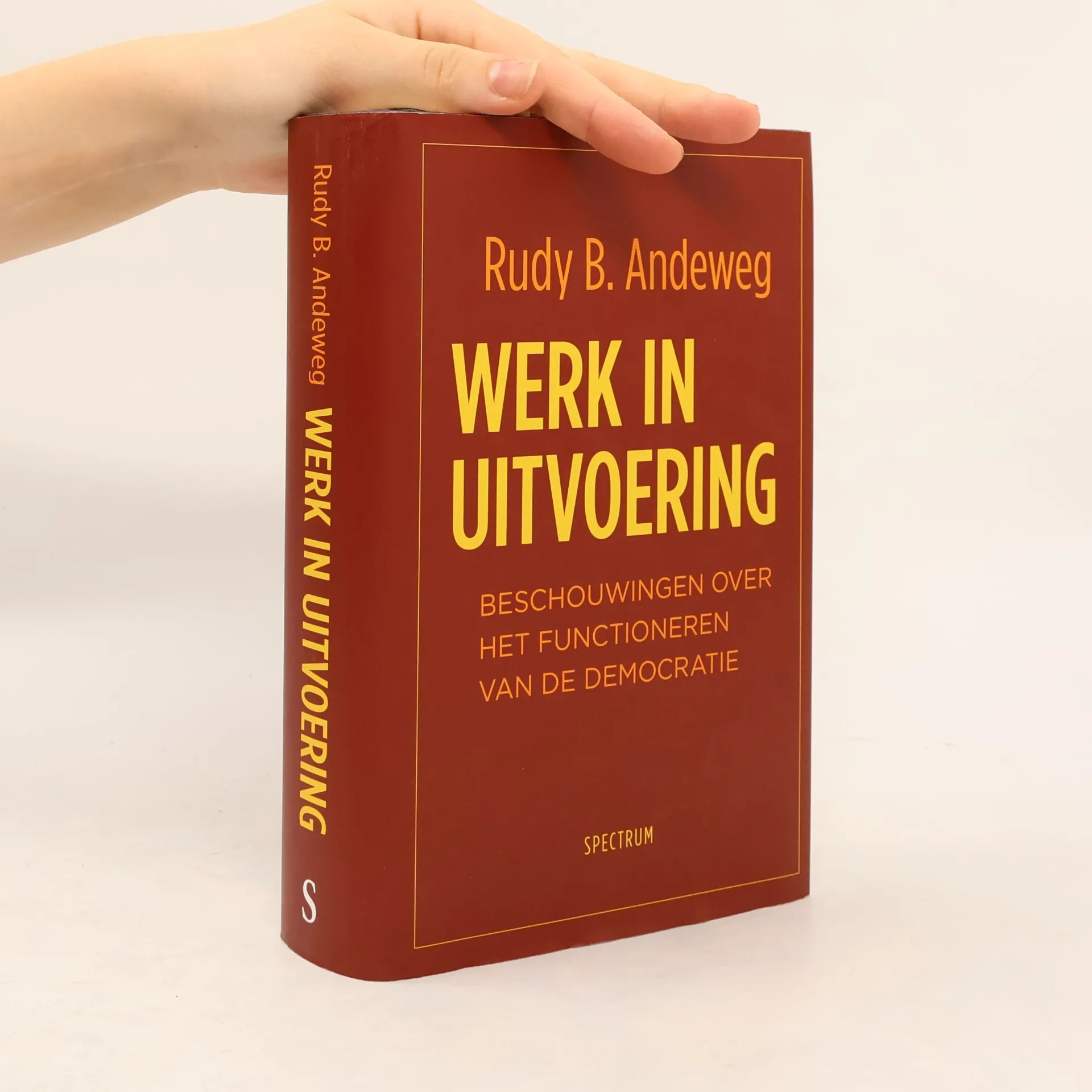
Werk in uitvoering bevat een selectie van eerder verschenen artikelen van Rudy B. Andeweg waarin het functioneren van de parlementaire representatieve democratie centraal staat. Wat betekent sterk wisselend kiesgedrag van burgers voor het functioneren van de democratie? Hoe functioneren regering en parlement in het licht van veranderende partijen en partijstelsels? Is er sprake van een kloof tussen kiezers en gekozenen? Zijn hervormingen van het politieke bestel een oplossing van het probleem, en van welk probleem dan precies? En zijn Nederlandse parlementsleden anders gaan denken over hun rol en eigen functioneren?