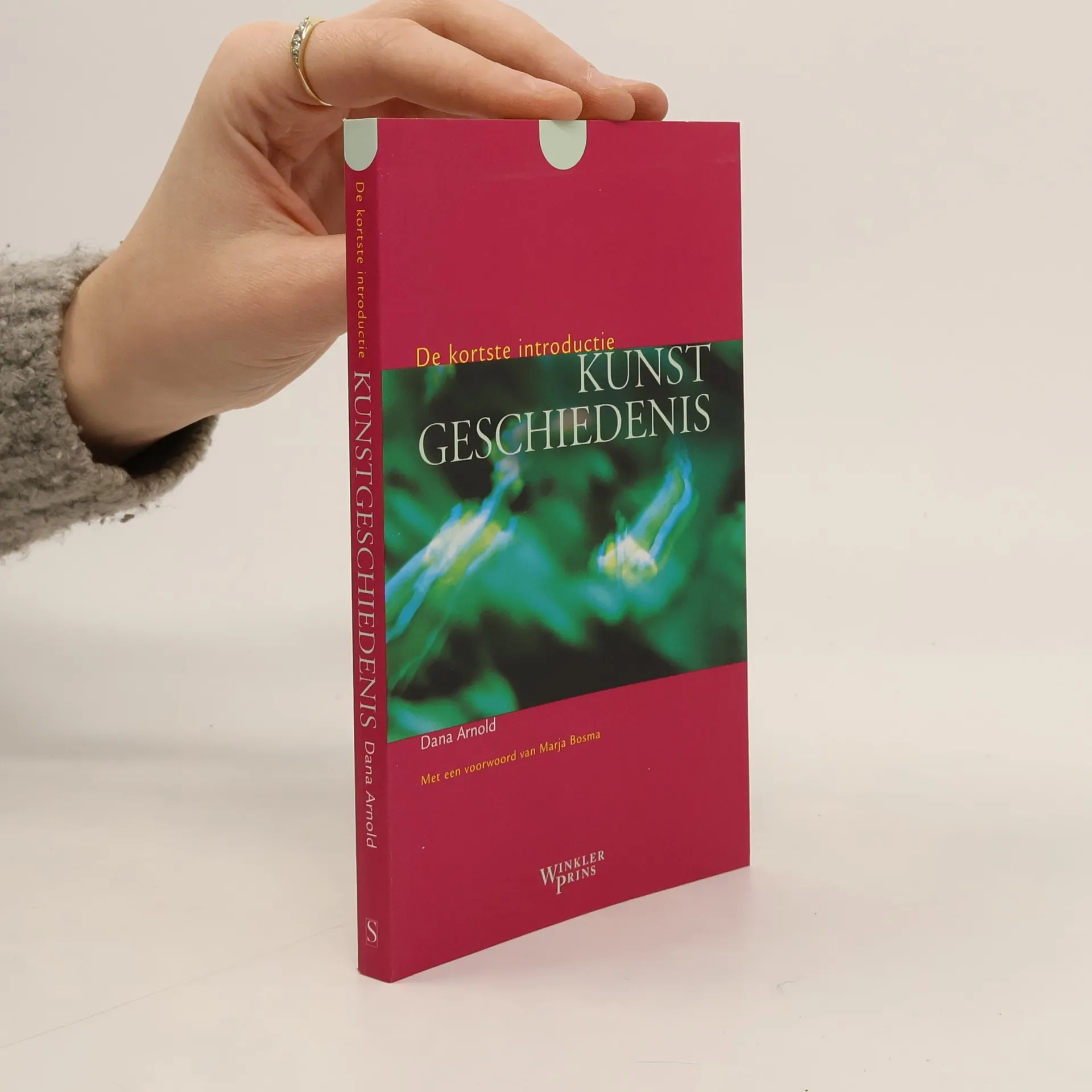
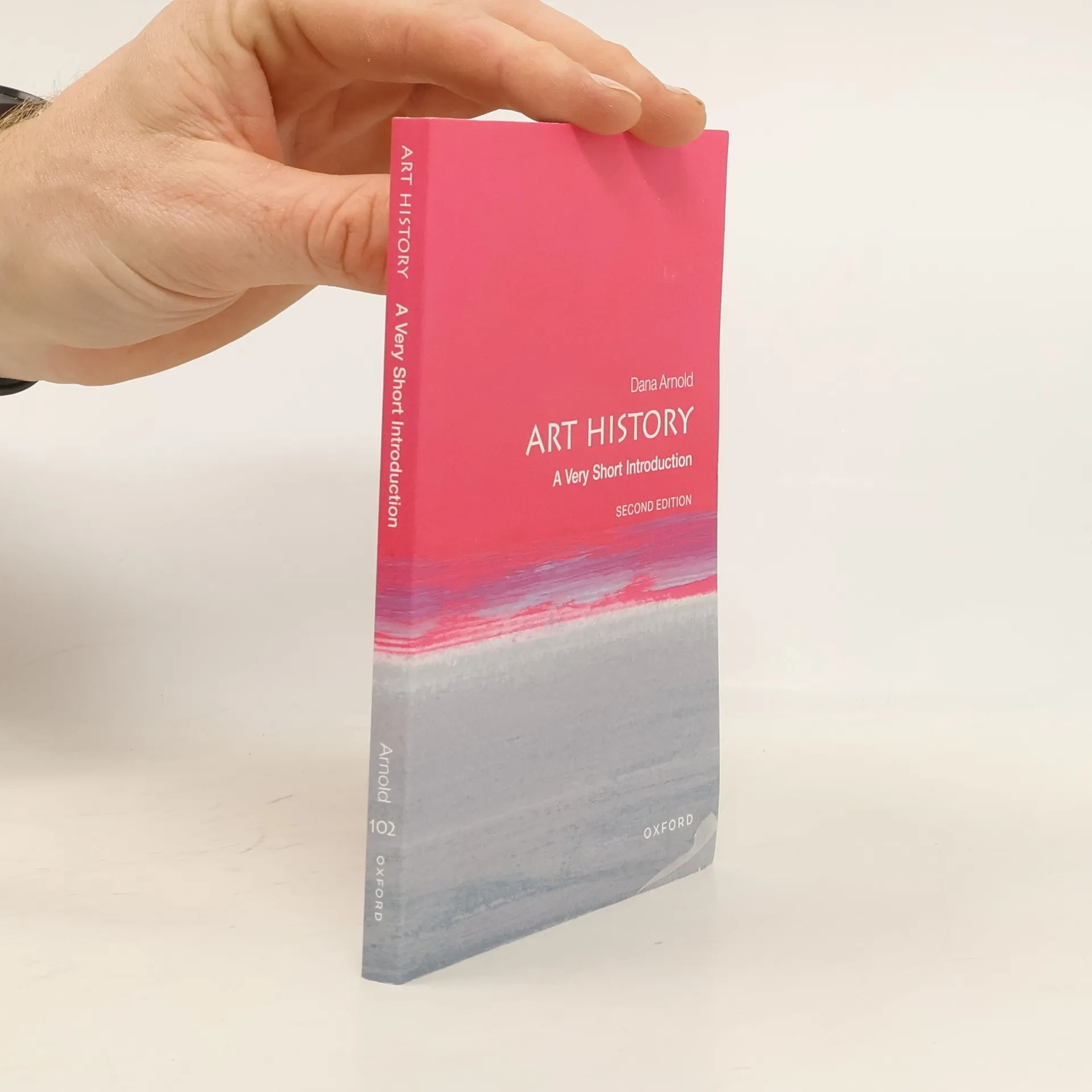
Art history encompasses the study of the history and development of painting,
sculpture and the other visual arts. Here, Dana Arnold introduces the issues,
debates, and artefacts that make up the discipline. She explores how we write,
present, read, and look at art, and the impact this has on our understanding
of art history.
This well-illustrated, accessibly written book examines how eighteenth-century
prints and drawings of antique architecture operated as representations of
thought. Combining original archival material with cultural theory, the book
considers the idea of the past and the role of space and time in the visual
ekphrasis or description of its architecture. -- .
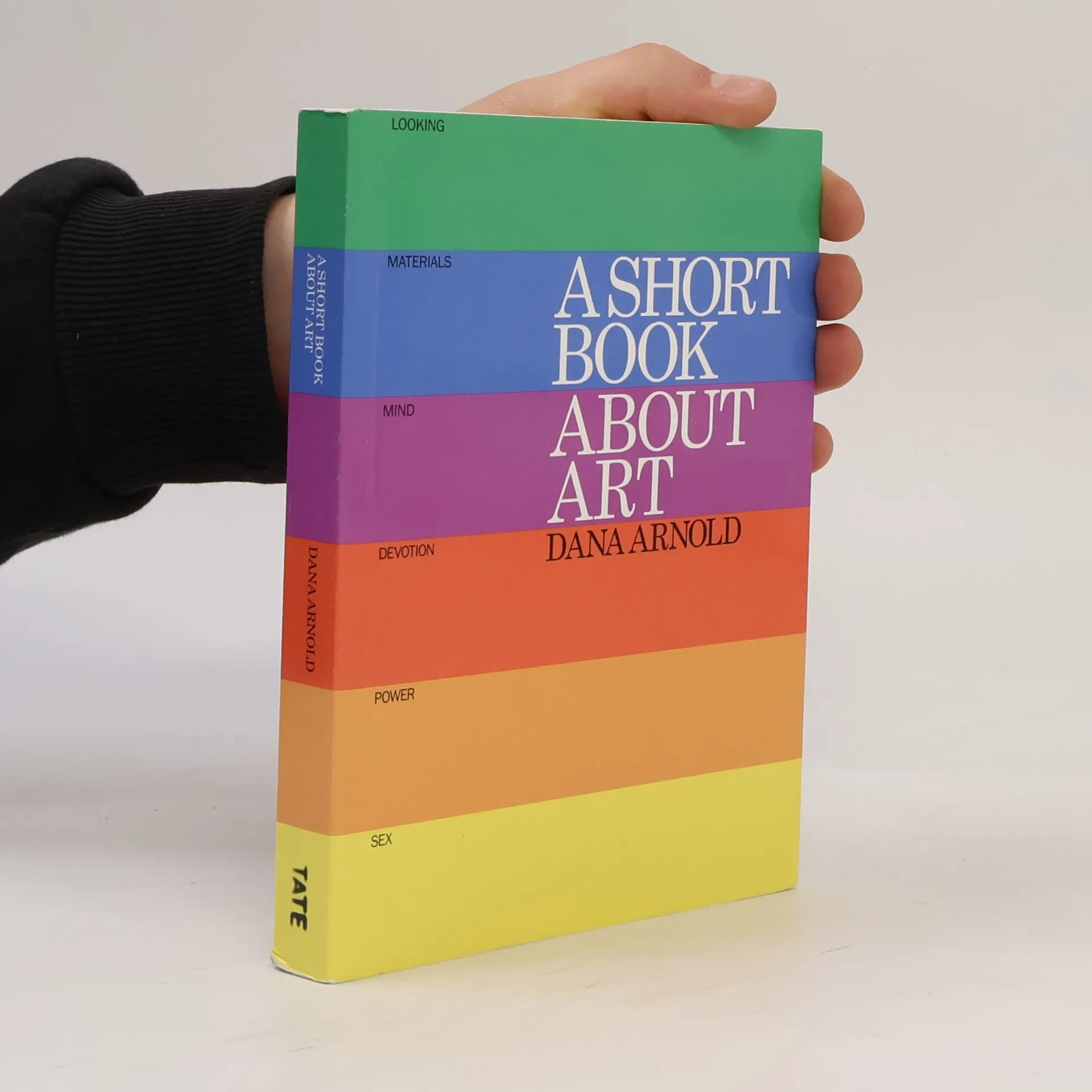
"Illuminating and lively, this book provides authoritative answers to the key questions about how art is made, interpreted and displayed. Deliberately avoiding unnecessary jargon, A Short Book About Art offers an unusually accessible route to new ways of thinking about the creative drive of individual artists and their relationships with their work. It includes fresh comparisons between works of art from different periods and cultures, from cave paintings to contemporary multi-media work. Thought-provoking and stimulating, it is the ideal companion for anyone who wants to learn about art without a dictionary in their hands." -- Publisher's description.
Von den frühesten Höhlenmalereien bis hin zur heutigen Ästhetik: Dieser kleine Band vollbringt auf knapp 200 Seiten ein gar nicht kleines Wunder. Unterhaltsam und leicht verständlich erzählt, eröffnet er interessierten Laien wie auch Kennern zahlreiche neue Erkenntnisse über Kunst und ihre Geschichte. Dana Arnold orientiert sich in ihrem essayistischen Text an Meilensteinen der Kunstgeschichte, richtet ihren Blick dabei aber weniger auf eine chronologische Abfolge als auf inhaltliche Bezüge, verbindende Themen, Motive und Perspektiven – und das quer hinweg über Epochen, Medien und Genres. So ergibt sich ein Gedankenaustausch über die zentralen Fragen der Kunst: Was sehen wir in Kunst? Was drücken wir mit ihr aus? Mit welchen Mitteln geschieht dies, und wie haben sich diese über die Zeit entwickelt? Nicht nur die Hauptwerke europäischer Malerei stehen dabei im Fokus, sondern auch Kunst aus anderen Teilen der Welt. Eine kluge, erfrischende Lektüre, die Kunstgeschichte greifbar und verständlich macht.