

Acclaimed exploration of the political space created by Israel’s colonial occupation This new edition of the classic work on the politics of architecture—and the architecture of politics—appears on the fiftieth anniversary of the Six-Day War, which expanded Israel’s domination over Palestinian lands. From the tunnels of Gaza to the militarized airspace of the Occupied Territories, Eyal Weizman unravels Israel’s mechanisms of control and its transformation of Palestinian homes into a war zone under constant surveillance. This is essential reading for those seeking to understand how architecture and infrastructure are used as lethal weapons in the formation of Israel.
Eyal Weizman Books
Eyal Weizman is a distinguished architect and professor whose work delves into the intersection of architecture, visual cultures, and technology. Through his research agency, Forensic Architecture, he investigates how architectural methods and visual evidence can be employed to uncover truth within contexts of armed conflict and human rights violations. Weizman deeply examines the ways physical spaces are shaped and influenced by political and social forces, consistently seeking new avenues for architectural thought to serve justice.


The Least of All Possible Evils
- 208 pages
- 8 hours of reading
Eyal Weizman's work is an essential source of insight and guidance in challenging times, adeptly addressing the evolving dynamics of war and sovereignty. This book, characterized by clarity, precision, and passion, delves into contemporary necro-politics and the calculations of 'lesser evils' by powerful states and their humanitarian partners. It is a deeply informative read for anyone concerned with modern warfare and state-controlled violence, exploring spatial practices that reinforce systemic violence and the minimal requirements for human survival. Weizman, akin to Doctors Without Borders, navigates the realms of political philosophy, military history, just war theory, and the spatial systems of calculated violence that define Israel-Palestine and much of the world today. This study is a remarkable architectural forensics of battle and human rights, revealing the terrifying logic behind 'the lesser evil.' It offers a fresh perspective on our contemporary world, showcasing originality, ingenuity, and brilliance. Weizman’s daring social and political commentary challenges established structures and processes that sustain oppression and violence, making this work a vital contribution to understanding these pressing issues.
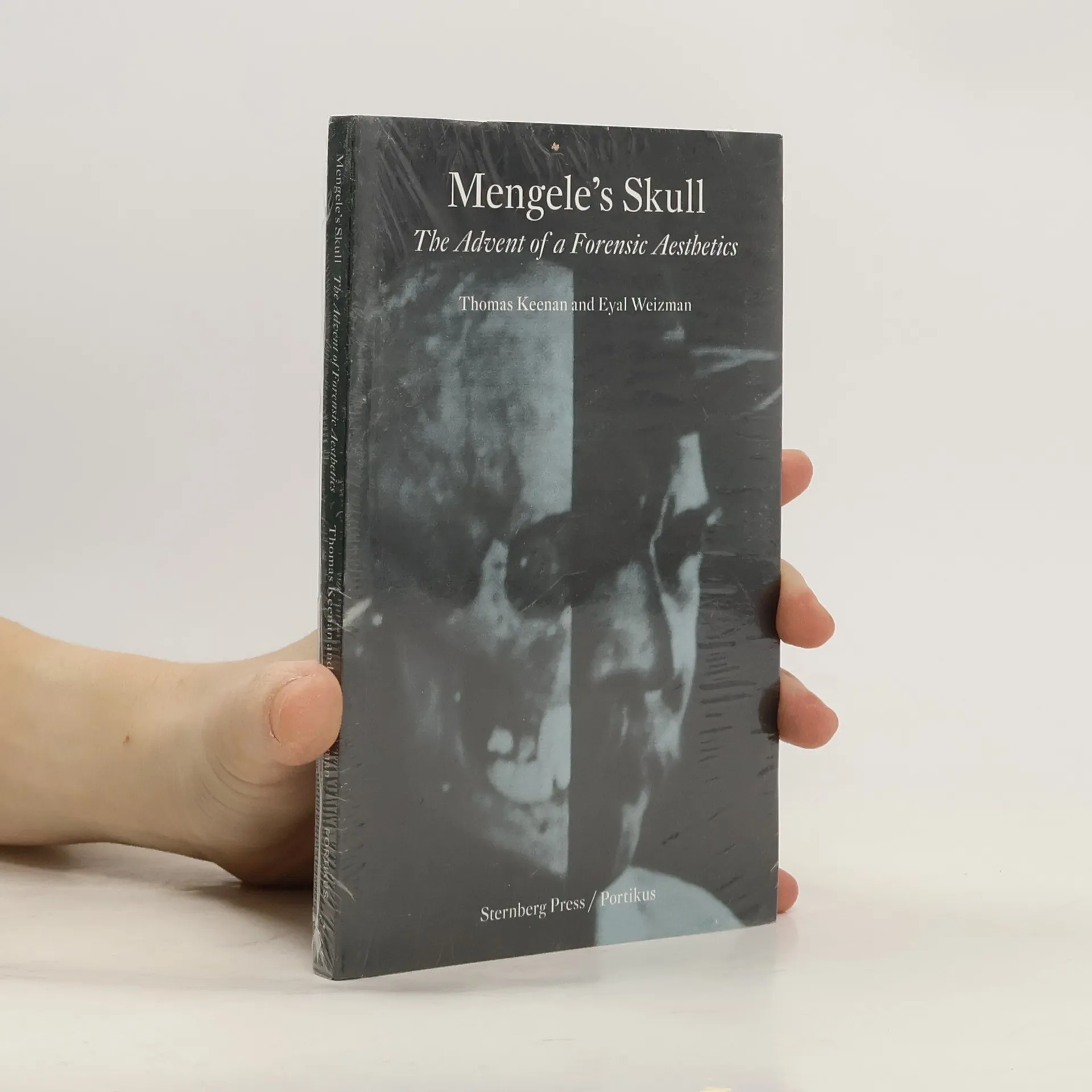
In 1985, the body of Josef Mengele, one of the last Nazi war criminals still at large, was unearthed in Brazil. The ensuing process of identifying the bones in question opened up what can now be seen as a third narrative in war crime investigations—not that of the document or the witness but rather the birth of a forensic approach to understanding war crimes and crimes against humanity. In the period coinciding with the discovery of Mengele’s skeleton, scientists began to appear in human rights cases as expert witnesses, called to interpret and speak on behalf of things—often bones and human remains. But the aesthetic, political, and ethical complications that emerge with the introduction of the thing in war crimes trials indicate that this innovation is not simply one in which the solid object provides a stable and fixed alternative to human uncertainties, ambiguities, and anxieties. The complexities associated with testimony—that of the subject—are echoed in the presentation of the object. Human remains are the kind of things from which the trace of the subject cannot be fully removed. Their appearance and presentation in the courts of law and public opinion has in fact blurred something of the distinction between objects and subjects, evidence and testimony. Named an ICA London 2012 Book of the Year and one of Longform's best books written about fugitive war criminals.
Investigative Ästhetik
- 400 pages
- 14 hours of reading
Die Untersuchung beleuchtet die Verbindung zwischen forensischen Methoden und künstlerischer Schöpfung, die auf den ersten Blick unvereinbar erscheinen. Künstler:innen, Journalist:innen und NGOs integrieren zunehmend investigative Techniken und ästhetische Darstellungen in ihre Arbeit. Eyal Weizman und Matthew Fuller analysieren diese transdisziplinären Ansätze und entwickeln das Konzept der Investigativen Ästhetik, das eine materialistisch-sinnliche Herangehensweise an die Evidenzfindung und deren ästhetische Aufbereitung beschreibt.
Vorher und Nachher
Die Architektur der Katastrophe
Katastrophen, zerbombte Städte, politische Umstrukturierungen ganzer Länder: »Bildkomplexe« humanitärer und ökologischer Umwälzungen dokumentieren die Welt als Abfolge von Katastrophen. Wer aber entscheidet über die Darstellung von Ereignissen, bestimmt die Pixelanzahl unserer Bildwelten, herrscht über Zirkulation oder Zensur von Bildern? Eyal und Ines Weizman lesen die Geschichte des Vorher-Nachher-Bildes von der Fotografie des 19. Jahrhunderts bis zu zeitgenössischen Satellitenbildern und entdecken in ihnen jene Lücke, in der sich nicht nur das verheerende Ereignis verbirgt: Es sind die Menschen selbst, die aus den Bildern zu verschwinden drohen. Treten die humanitäre Arbeit und die Rekonstruktionen von Kriegsverbrechen, bei denen doch Menschen, deren Schicksale und Rechte im Zentrum stehen müssten, heute paradoxerweise in eine post-humane Phase ein? Wie kann die Lücke zwischen den Bildern Ort einer kritischen Gegen-Lektüre statt Zeichen der Auslöschung werden? Im exklusiven Gespräch mit Marie Glassl vertiefen Eyal und Ines Weizman entlang aktueller Arbeiten die Frage nach der Geschichte, Gegenwart und Zukunft des Paradigmas des Vorher-Nachher-Bildes.
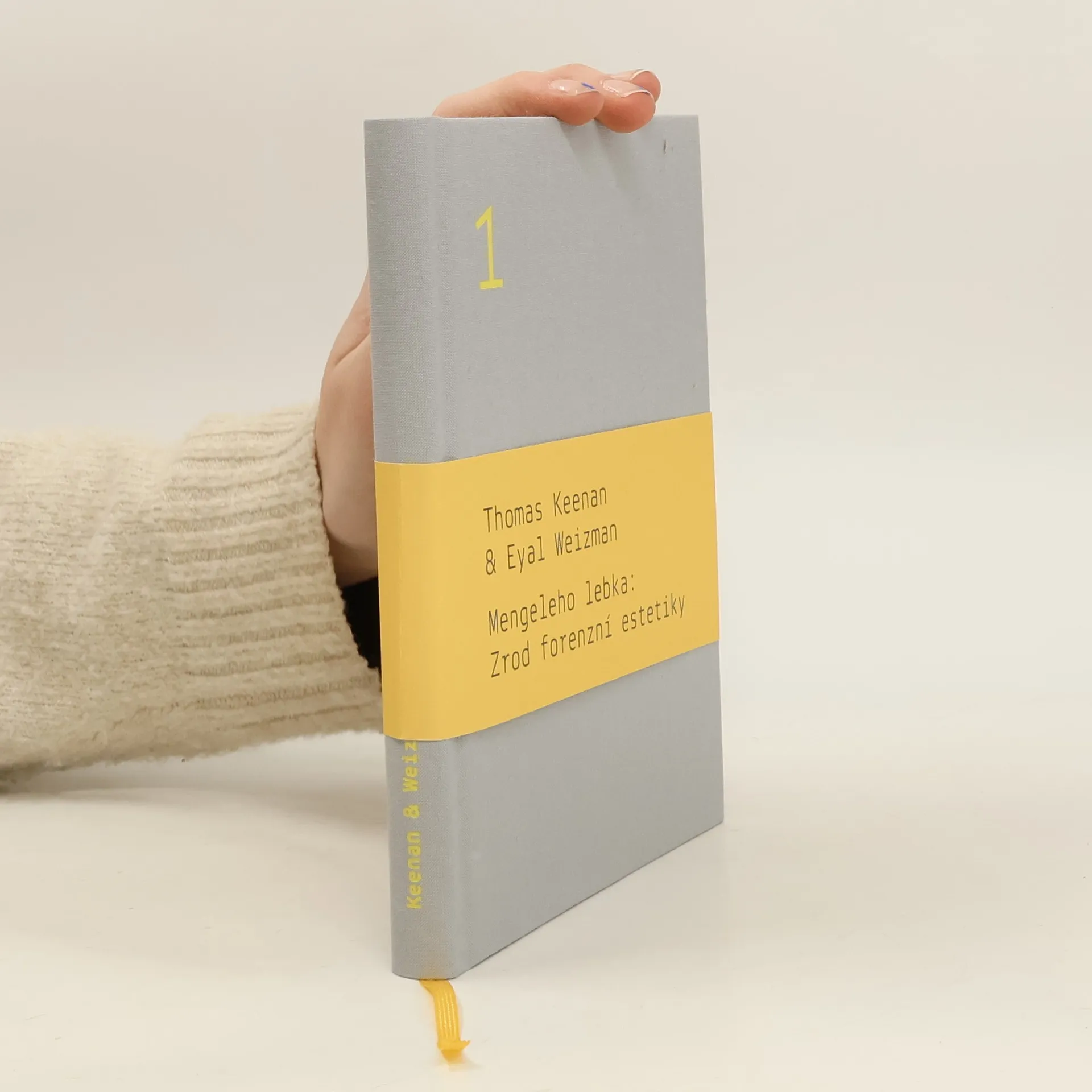
Mengeleho lebka : zrod forenzní estetiky
- 116 pages
- 5 hours of reading
V roce 1985 bylo v Brazílii nalezeno tělo Josefa Mengeleho, jednoho z posledních nacistických zločinců, kteří byli stále na svobodě. Studie autorů Thomase Keenana a Eyala Weizmana popisuje, jak identifikace Mengeleho ostatků otevřela cestu k vyšetřování válečných zločinů, které není založeno na svědectví a paměti, ale na forenzním přístupu. Vědci začínají vystupovat v lidskoprávních trestních případech jako expertní svědci, jejichž úlohou je interpretovat většinou kosti a lidské pozůstatky a mluvit za ně. Publikaci doplňuje český doslov Tomáše Dvořáka a Martina Charváta.