This Is Vitra
- 97 pages
- 4 hours of reading



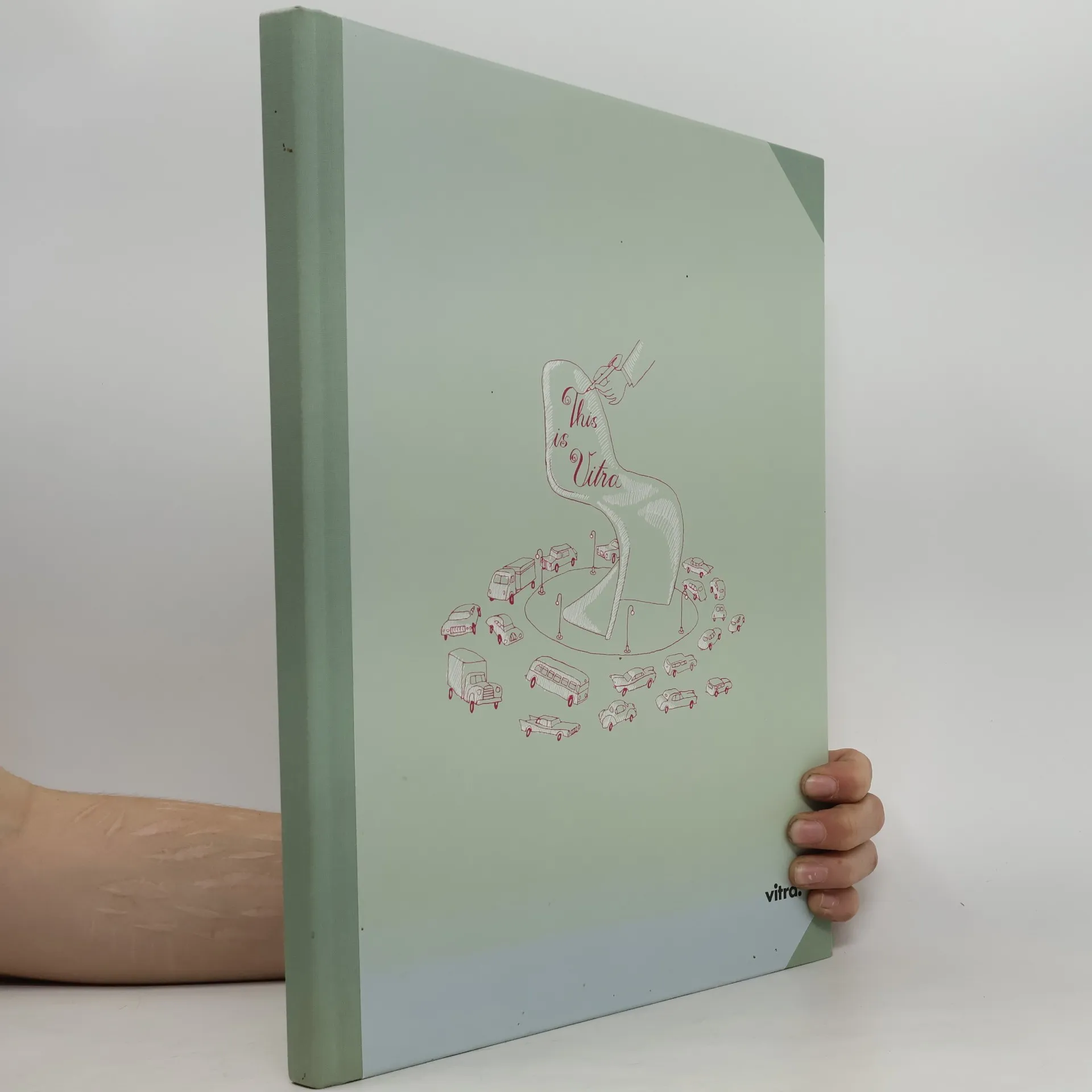
The Past and Future of Office Seating & Present Products by Vitra
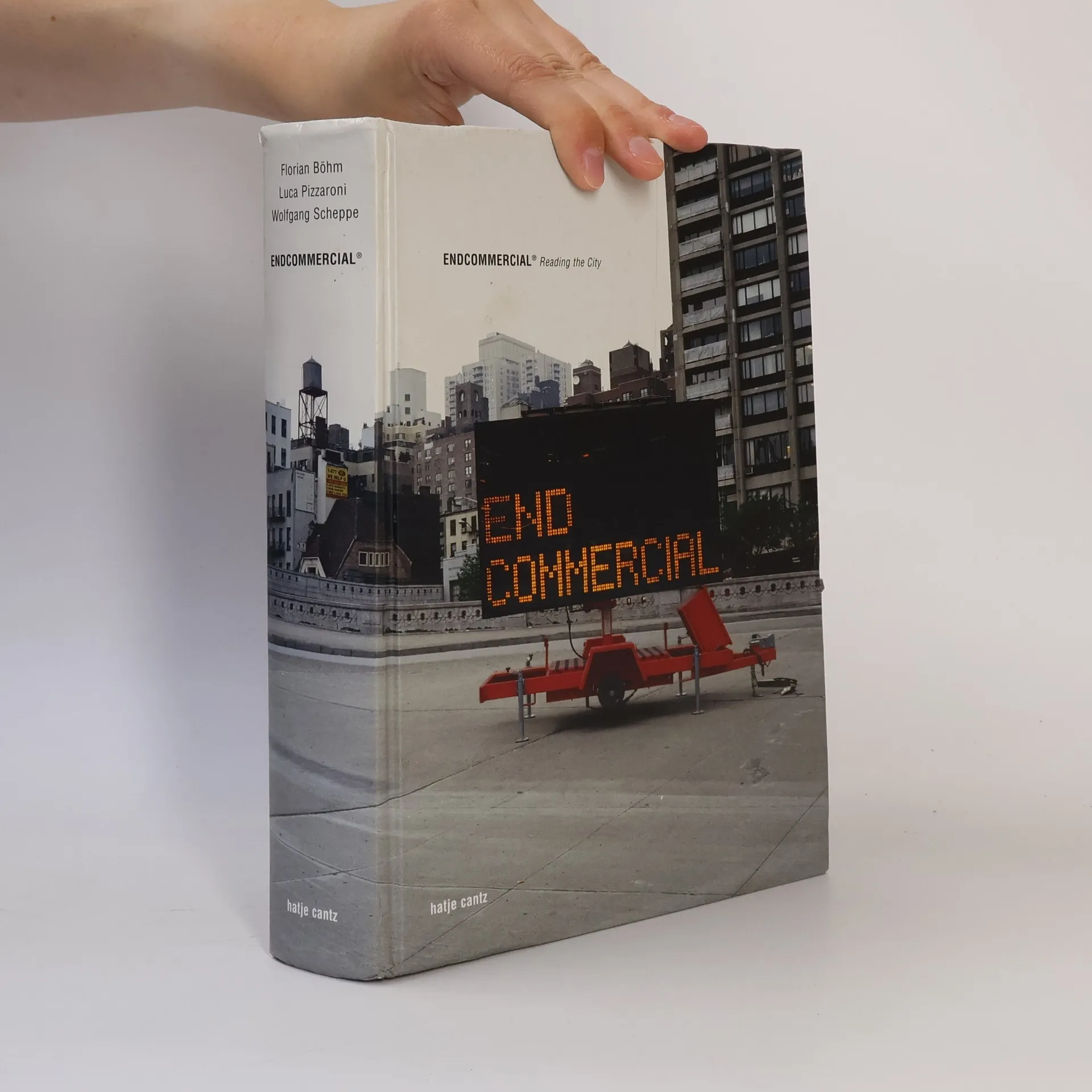
Between urban structures and individual existence, organic and improvised systems emerge. Situated beyond the sophisticated economy and below a level of recognition, they are familiar yet paradoxically invisible. The ordinariness of certain objects is so ubiquitous that they fail to evoke construction barriers, ads on buses, traffic signs, LCD displays, chained-up bicycles, the fa ades of stores, subway maps. Endcommerical / Reading the City conducts a visual research project of urban street territory, compiling signs, objects, and codes within grammatical relationships that unveil embedded social conditions and contradictions. Taking New York as a paradigmatic urban alphabet, Endcommercial / Reading the City orders a seemingly endless array of informal and empirical photographs, demonstrating the distinction between an unconscious visualization of singularities and an intelligent perception of generality. Initiated by the commercial, subject to fictionalization, it is a reference tool engaged in the thoughtful renewal of our visual vocabulary, opposed to the omnipresent iconography we process everyday.
Der weltgrösste Schatz japanischer Katagami-Schablonen zum Färben von Kimonos
Im Depot des Dresdener Kunstgewerbemuseums in Schloss Pillnitz liegt ein bedeutender Schatz japanischer Handwerkskunst: über 15.000 Färbeschablonen, bekannt als Katagami. Diese Schablonen, aus Maulbeerbaumrinde handgeschöpft und kunstvoll gestochen, dienten traditionell als Druckvorlagen für die Herstellung von Samurai-Kimonos. Sie zeigen nicht nur geometrische Ornamente, sondern auch abstrakte Darstellungen der Natur. Im 19. Jahrhundert fanden Katagami-Drucke ihren Weg nach Europa und beeinflussten die westliche Ornamentik in Kunst, Kunsthandwerk und Industriedesign. Die Technik der Schablonen findet auch heute Anwendung in Graffiti und Street-Art, wie bei Banksy. Dieses opulente Buch präsentiert erstmals rund 140 der schönsten Katagami-Muster aus der Dresdener Sammlung, wobei der Fokus auf Motiven liegt, die den Regen darstellen – ein Element von großer spiritueller und kultureller Bedeutung für das von Monsunwinden geprägte Land, das auf Reisanbau angewiesen ist. Zahlreiche großformatige Abbildungen werden von Essays internationaler Experten begleitet, die alle Aspekte dieses faszinierenden Themas detailliert erläutern.
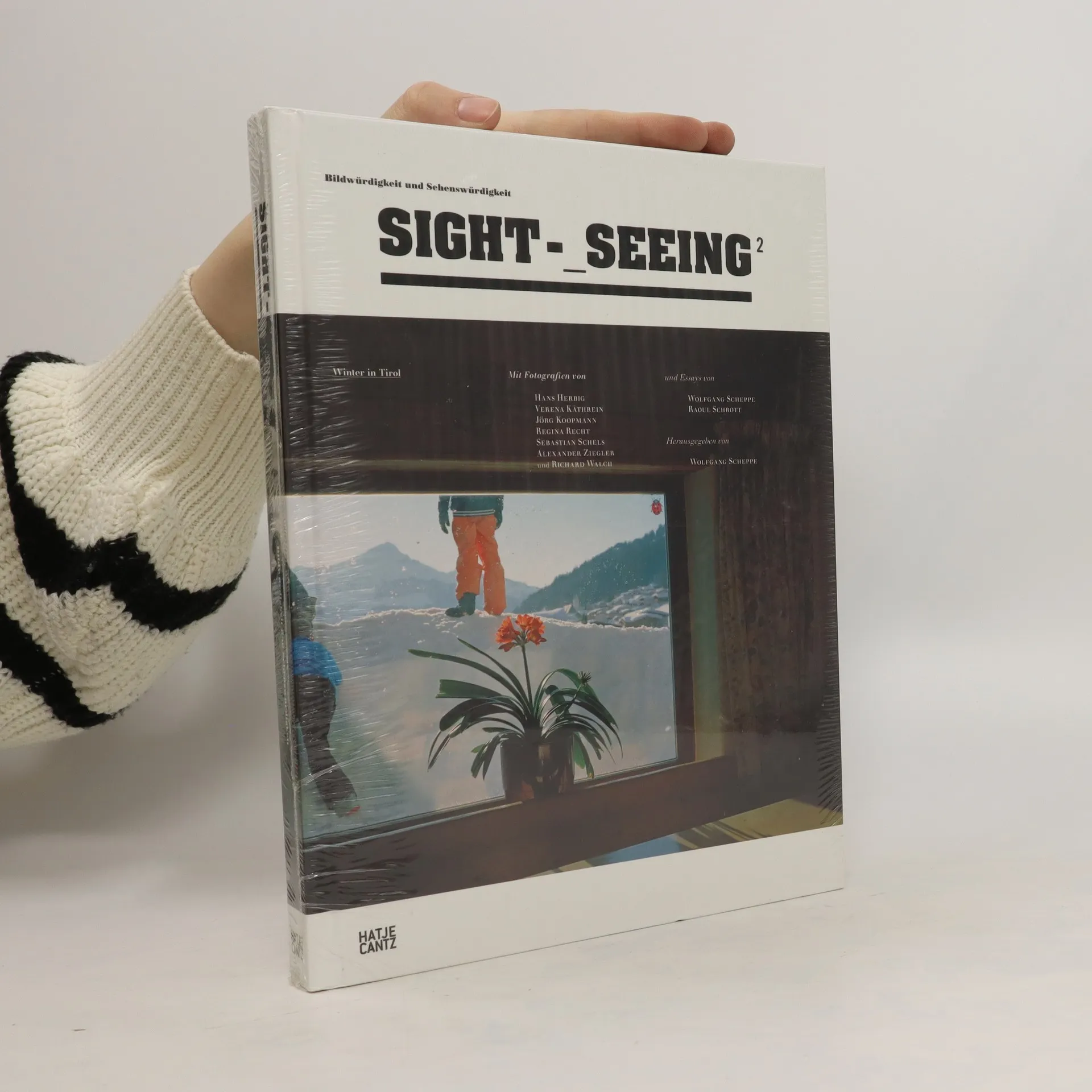
Advertising photographs of attractive tourist sites reproduce iconic expectations that frequently have only as much in common with reality as life seeks to emulate desires that have become visual images. Is it at all possible to successfully counteract this cycle - in which the original becomes a copy of itself - by lending renewed immediacy and beauty to a landscape that has become an icon frozen inside an image? Editor Wolfgang Scheppe's book began as an experiment in visual theory in which a combination of theory and production was to lead to new practices in creating images. Participants in the collective process were photographers Michael Danner, Dominik Gigler, Monika Höfler, Verena Kathrein, Jörg Koopmann, Andrew Phelps, and Matthias Ziegler.