Magnum contact sheets
- 524 pages
- 19 hours of reading
"First published in 2011 in hardcover in the United States of America by Thames & Hudson Inc."--Copyright page

4.7


"First published in 2011 in hardcover in the United States of America by Thames & Hudson Inc."--Copyright page
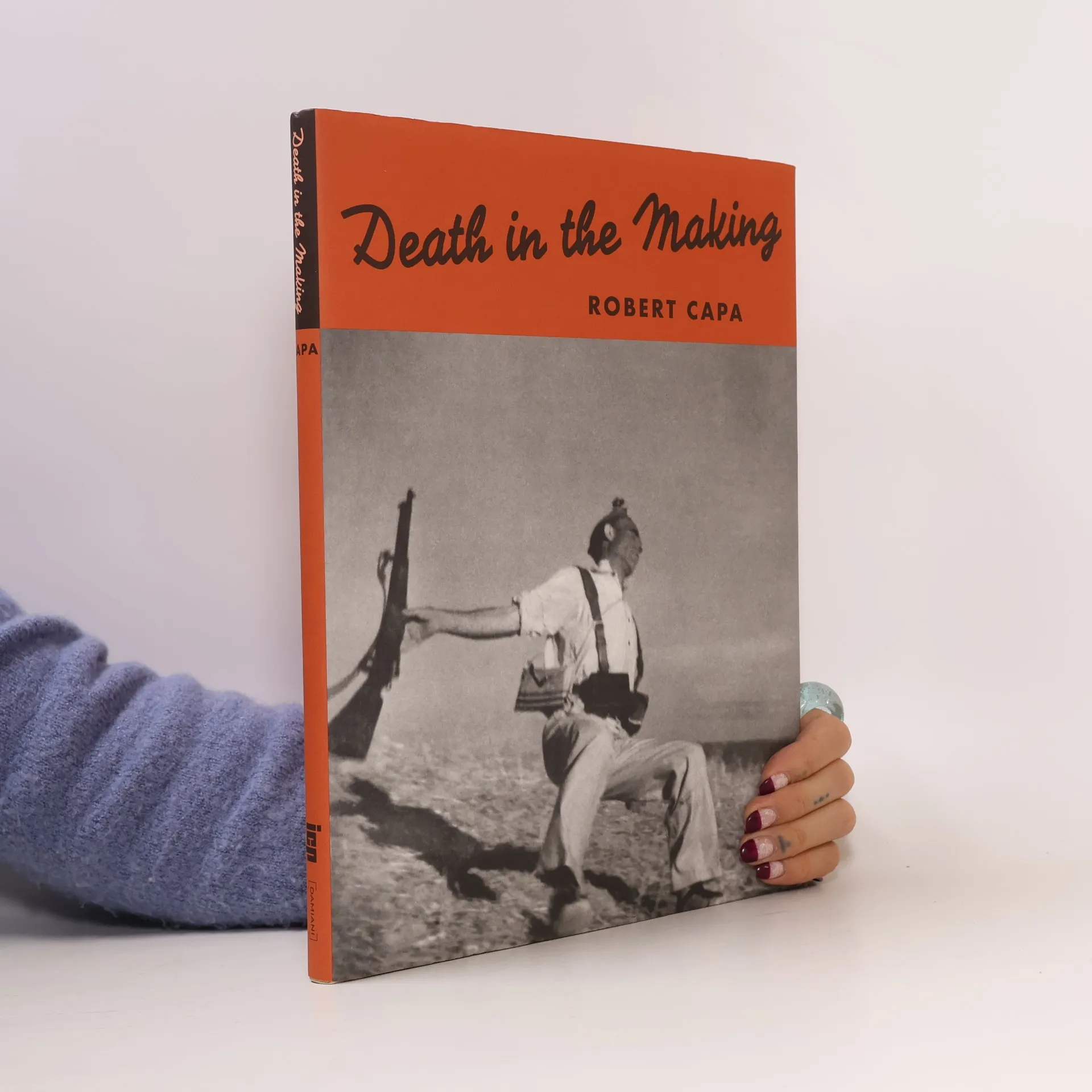
Once a cult-status rarity, Capa’s classic Spanish Civil War photobook is now available again with high-quality image scans and supplementary research. Originally published in 1938 as a tribute to those fighting against Franco’s fascist insurrection, it captures a year of images from the Republican position, reflecting the spectrum of emotions from initial excitement to the harsh realities of war. Over time, particularly after World War II, the book fell into obscurity due to rising anti-communist sentiments in the U.S., making it harder to find, especially editions featuring Capa’s iconic Falling Soldier image. Today, it has achieved cult status, celebrated for its passionate defense of democracy. This remastered facsimile reproduces the original layout by André Kertész, along with Capa's captions and a preface by Jay Allen. The 1938 publication is revitalized through high-quality printing, enhancing its beauty and emotional depth. Additionally, the edition includes a new essay with research on its creation and reception, along with a checklist detailing the author, location, and date of each image. Notably, it reveals that Capa and Gerda Taro are not the only photographers featured; work by their friend and colleague Chim, later known as David Seymour, is also included.
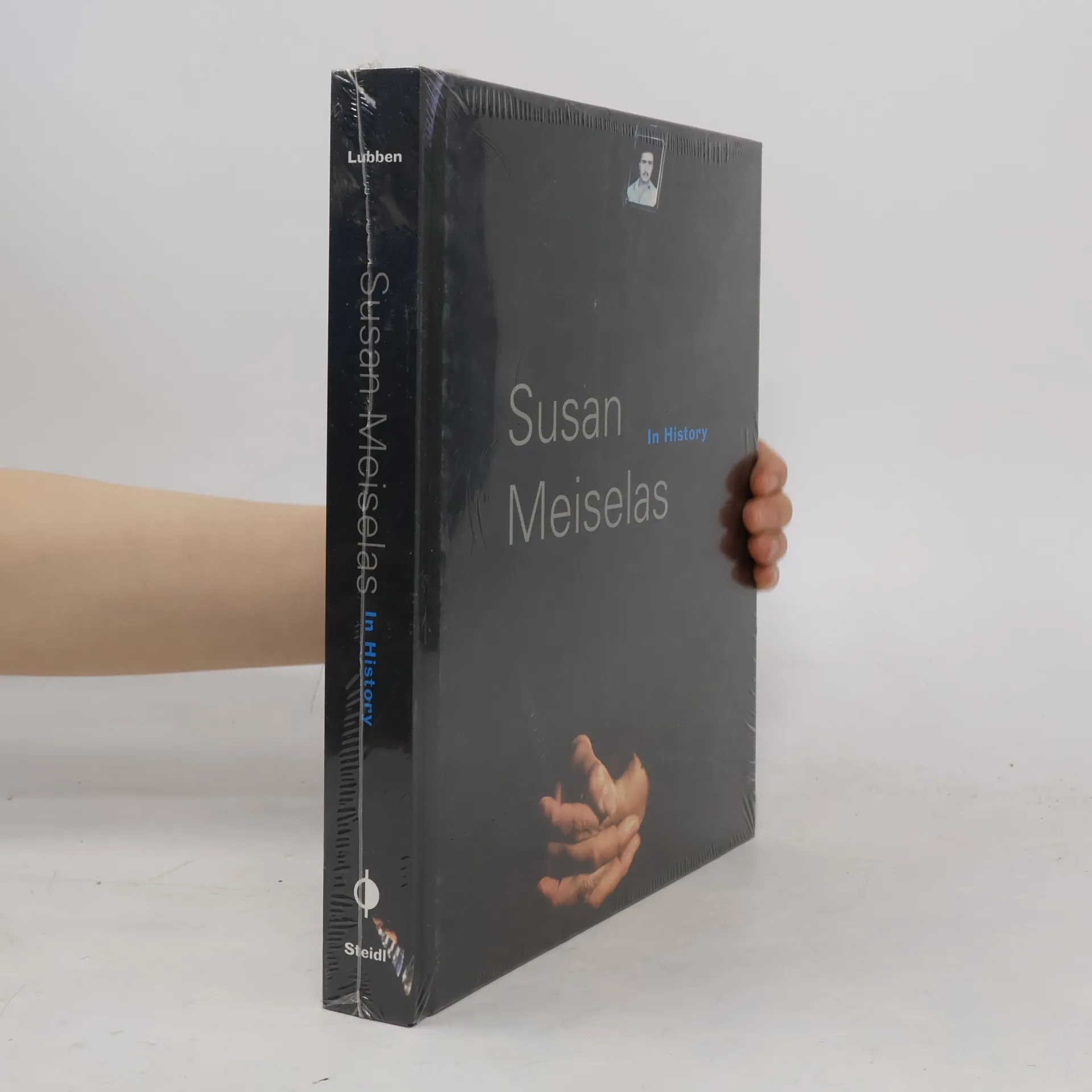
Since the 1970s, questions of ethics raised by documentary practice have been central to debates in photography. Perhaps no other photographer has so closely and consistently represented and participated in these debates than Susan Meiselas. An American photographer best known for her work covering the political upheavals in Central America in the 1970s and 80s--including the El Mozote massacre in El Salvador--Meiselas' process has evolved in radical and challenging ways as she has grappled with essential questions about her relationship to her subjects, the use and circulation of her images in the media and the relationship of images to history and memory. Meiselas is under no illusions about the dual nature of the photographer's role as "The camera is an excuse to be someplace you otherwise don't belong. It gives me both a point of connection and a point of separation." Her tenacious engagement with these matters has made her a leading commentator in the debate on contemporary photojournalism. With 200 plates and contributions from some of photography's finest theorists--among them David Levi Strauss, Lucy Lippard, Kristen Lubben, Jan-Erik Lundstrom and Allan Sekula--this volume gives an overview of Meiselas' enormously varied and courageous work to date.