The Sketchbook From Auschwitz
- 115 pages
- 5 hours of reading

5.0


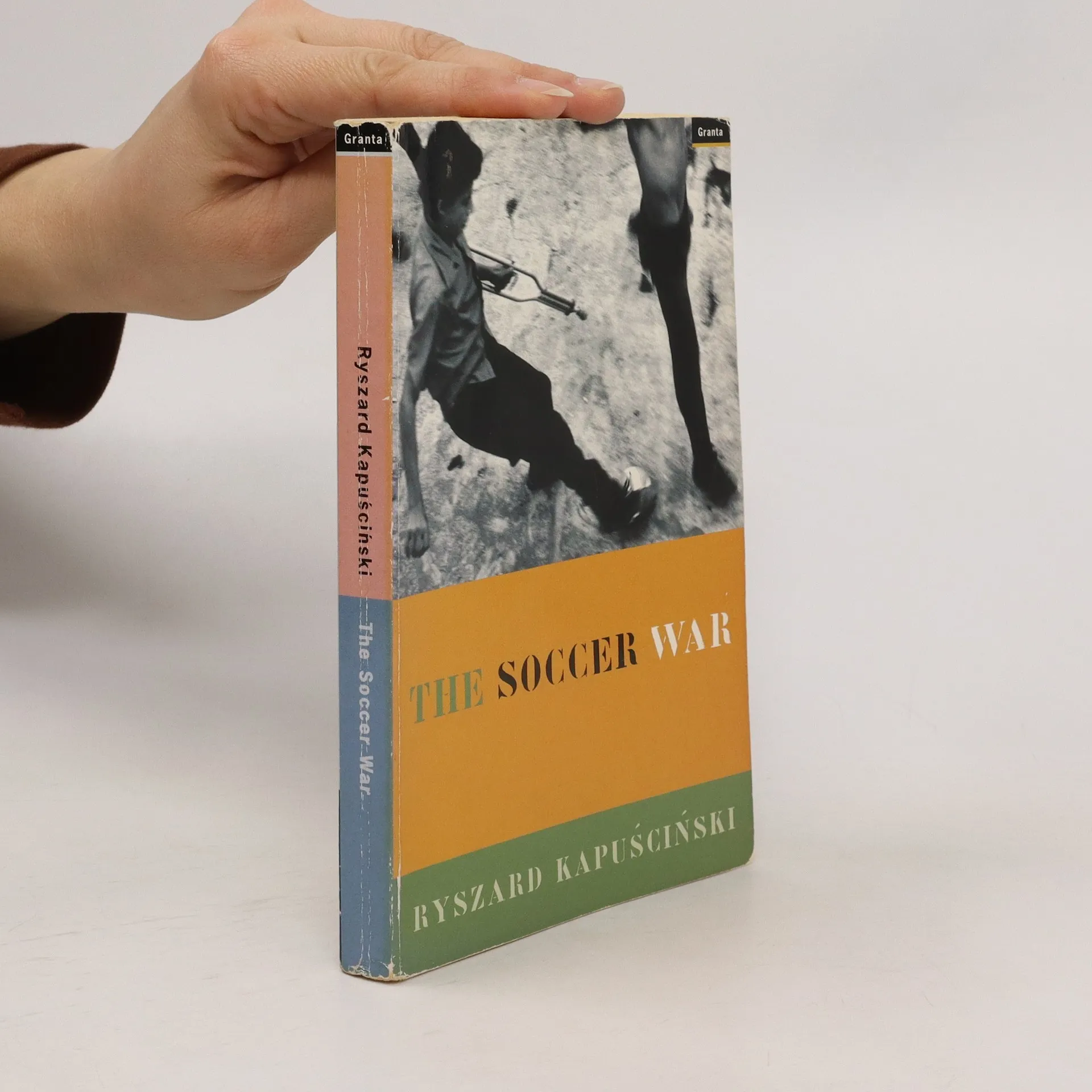
Part diary and part reportage, The Soccer War is a remarkable chronicle of war in the late twentieth century. Between 1958 and 1980, working primarily for the Polish Press Agency, Kapuscinski covered twenty-seven revolutions and coups in Africa, Latin America, and the Middle East. Here, with characteristic cogency and emotional immediacy, he recounts the stories behind his official press dispatches—searing firsthand accounts of the frightening, grotesque, and comically absurd aspects of life during war. The Soccer War is a singular work of journalism.
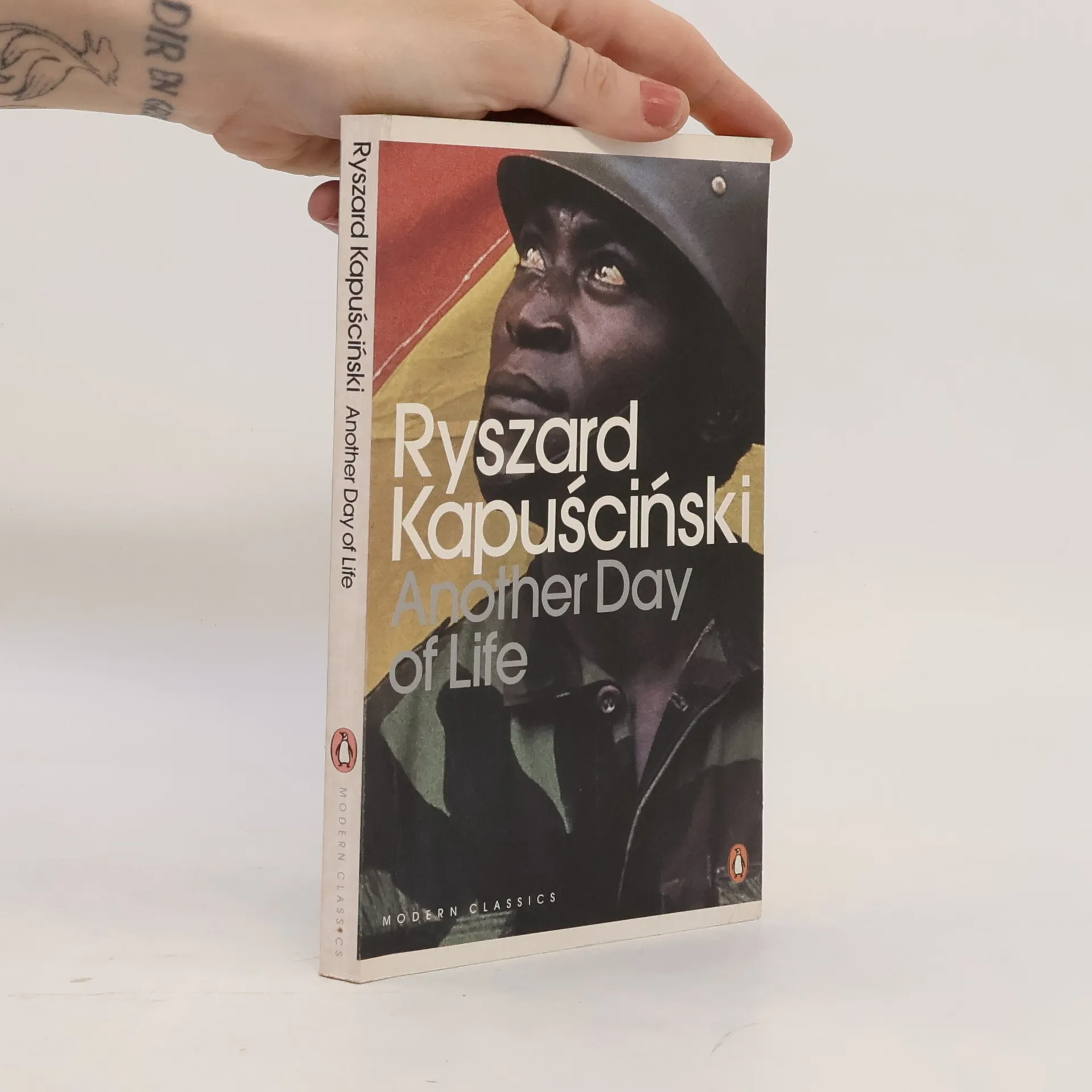
This is a very personal book, about being alone and lost'. In 1975 Kapuscinski's employers sent him to Angola to cover the civil war that had broken out after independence. For months he watched as Luanda and then the rest of the country collapsed into a civil war that was in the author's words 'sloppy, dogged and cruel'. In his account, Kapuscinski demonstrates an extraordinary capacity to describe and to explain the individual meaning of grand political abstractions.
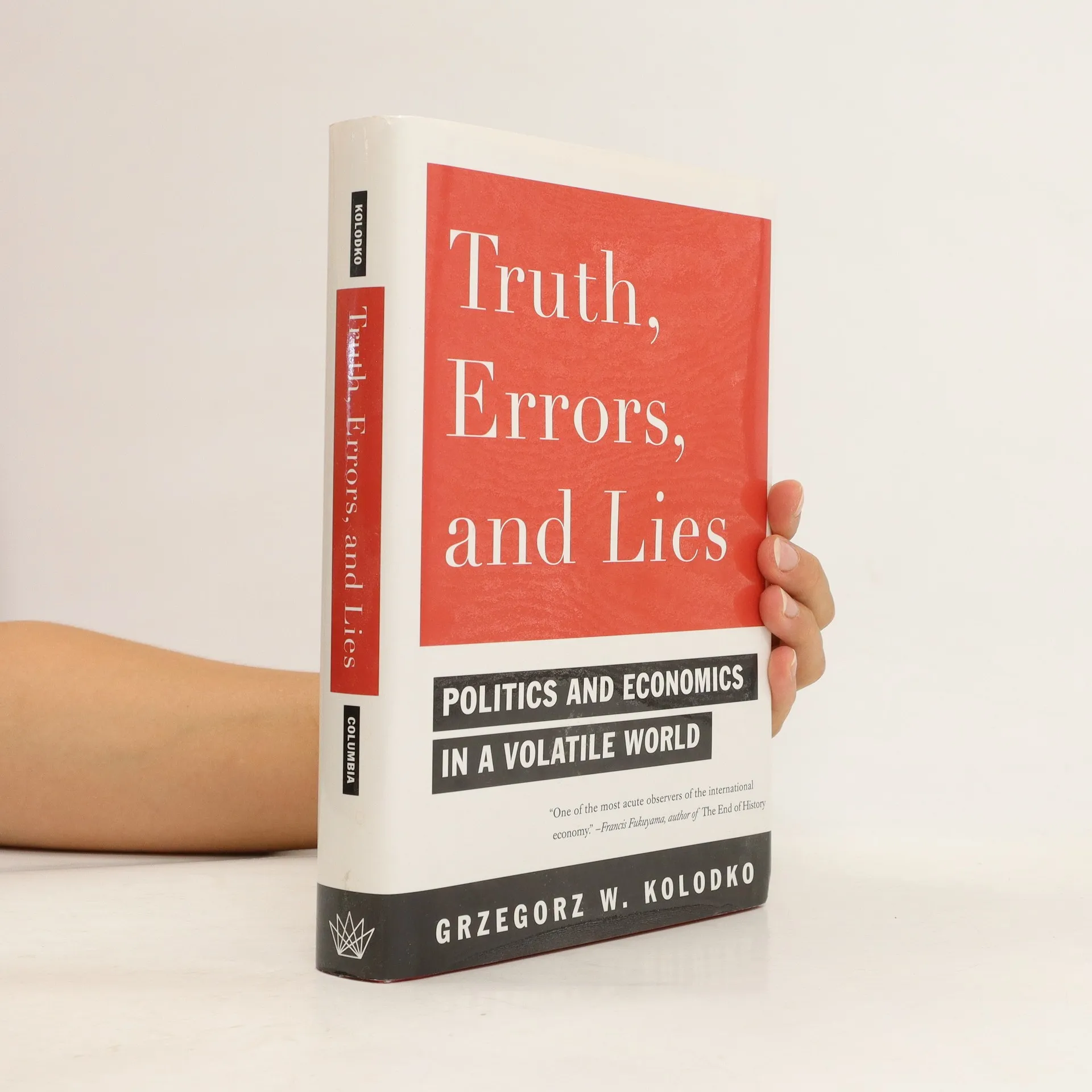
Grzegorz W. Kolodko, one of the world's leading authorities on economics and development policy and a key architect of Poland's successful economic reforms, applies his far-reaching knowledge to the past and future of the world economy, introducing a framework for understanding our global situation that transcends any single discipline or paradigm. Deploying a novel mix of scientific evaluation and personal observation, Kolodko begins with a brief discussion of misinformation and its perpetuation in economics and politics. He criticizes the simplification of complex economic and social issues and investigates the link between developments in the global economy and cultural change, scientific discoveries, and political fluctuations. Underscoring the necessity of conceptual and theoretical innovation in understanding our global economic situation, Kolodko offers a provocative study of globalization and the possibility of coming out ahead in an era of worldwide interdependence. Deeply critical of neoliberalism, which sought to transfer economic control exclusively to the private sector, Kolodko explores the virtues of social-economic development and the new rules of the economic game. He concludes with a look at our near and distant future, questioning whether we have a say in its making.