Pakistan
- 408 pages
- 15 hours of reading
Includes material on the Taliban insurgency, the Musharraf years, the return and subsequent assassination of Benazir Bhutto, and the unlikely election as president of Asif Ali Zardari.


Ahmed Rashid is a Pakistani journalist and author whose work scrutinizes the complex political and social landscapes of Central Asia. His writings delve into the intricate connections between militant Islam, geopolitical forces, and economic interests, offering readers a profound understanding of the region. Rashid's insightful analysis and clear explanations of intricate subjects establish him as a vital commentator on contemporary global affairs. His work is distinguished by sharp reporting and a critical examination of nation-building efforts.
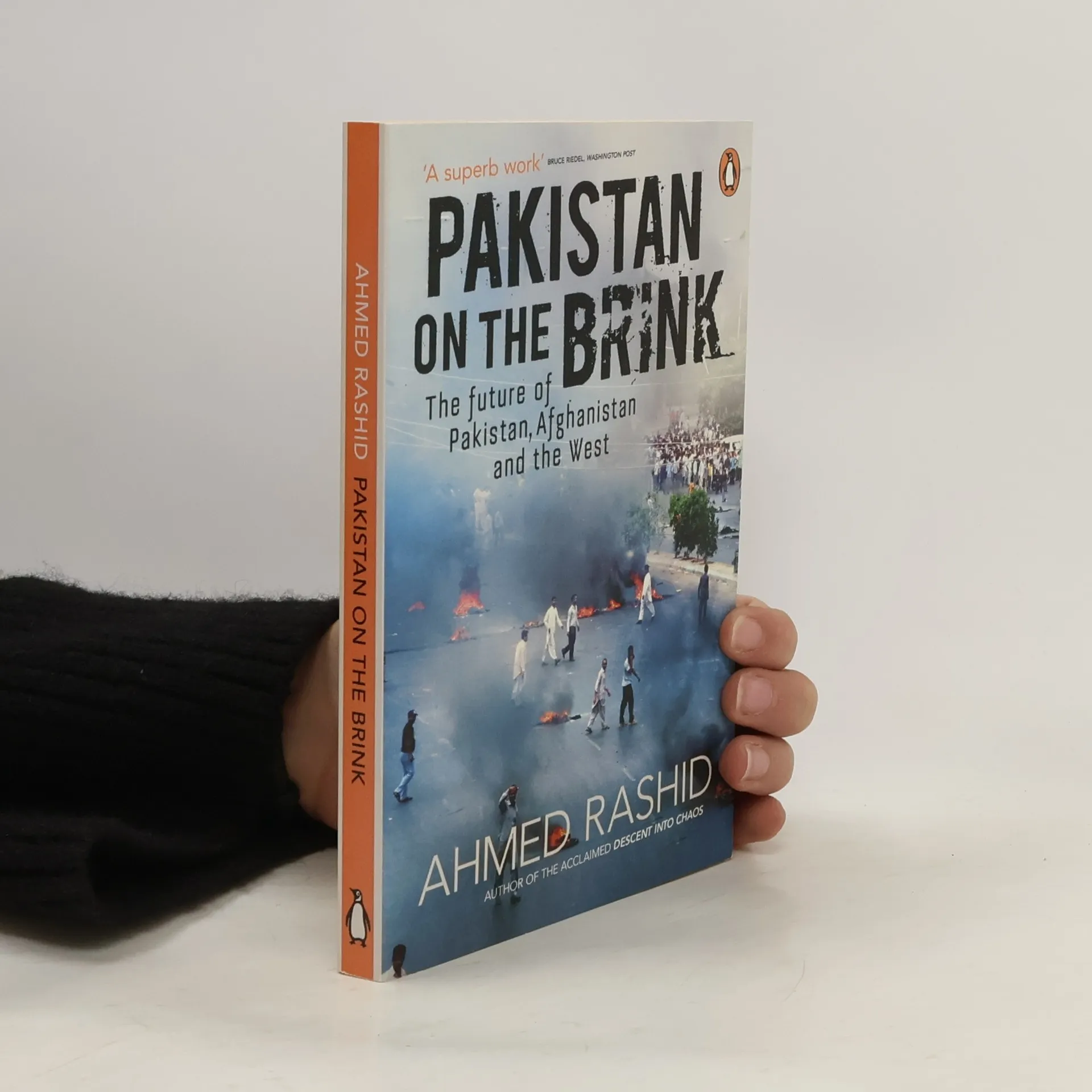

Includes material on the Taliban insurgency, the Musharraf years, the return and subsequent assassination of Benazir Bhutto, and the unlikely election as president of Asif Ali Zardari.
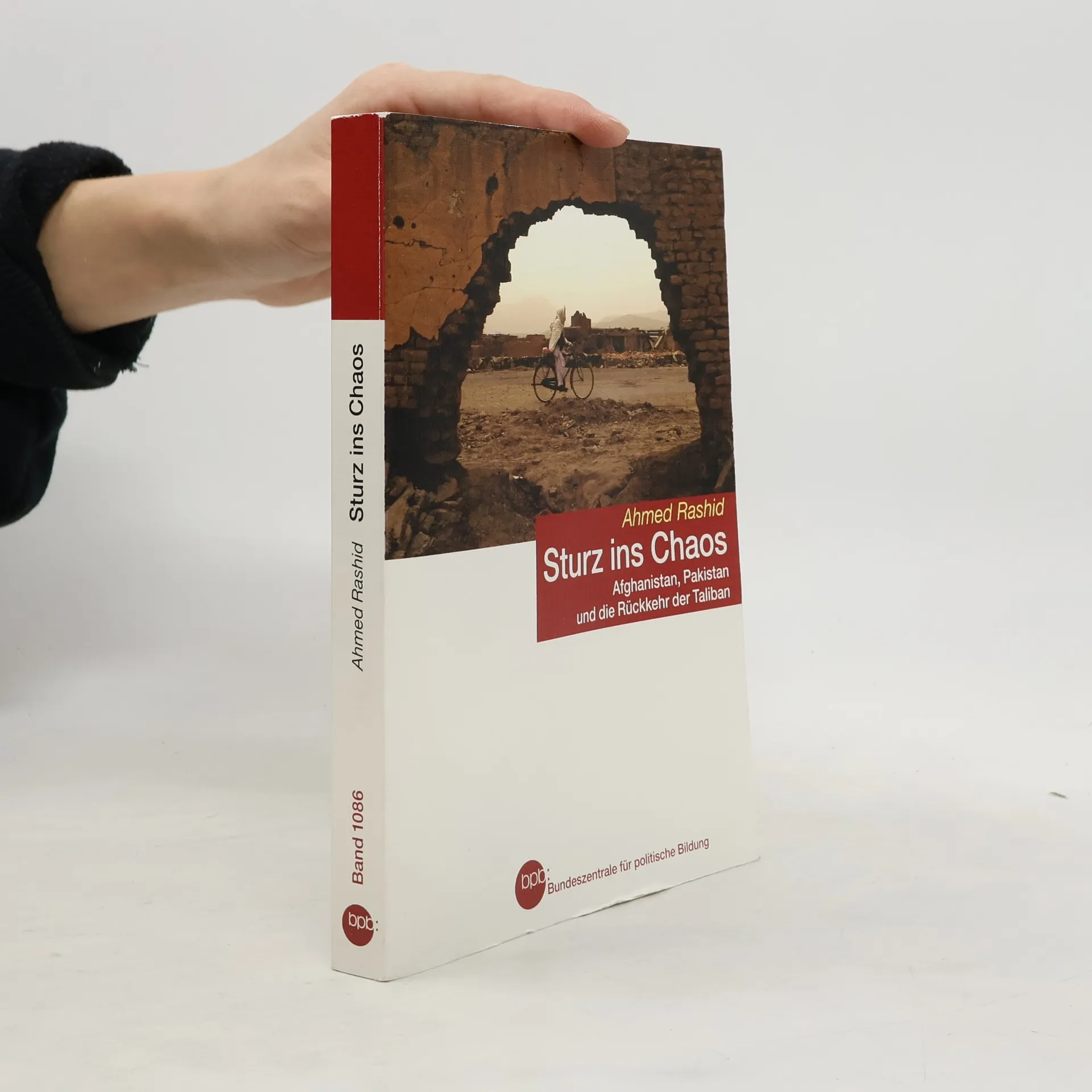
What does the future hold for the world's most unstable region? This title examines the changing casts of characters in this story, the future of the Taliban and international terrorism, and the political manoeuvring both within Pakistan and Afghanistan and among Western allies, offering a way forward for all countries involved.
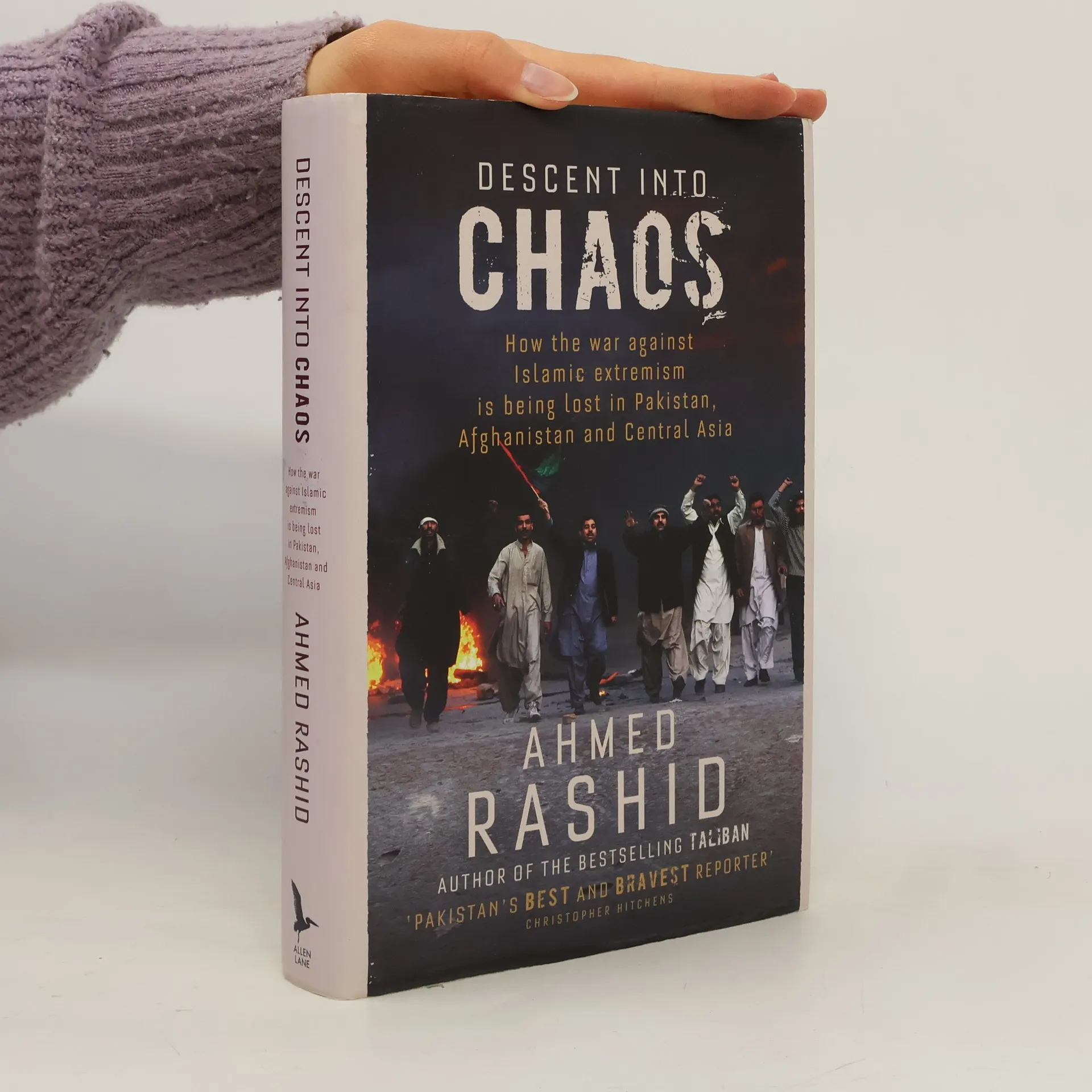
How the War Against Islamic Extremism Is Being Lost in Pakistan, Afghanistan And Central Asia
'Descent Into Chaos' is an eye-opening account of the region where the next wave of Islamic terror is being born. Rashid gives a clear and devastating analysis of how the US has failed to bring peace in central Asia, and how that failure is coming back to haunt us.
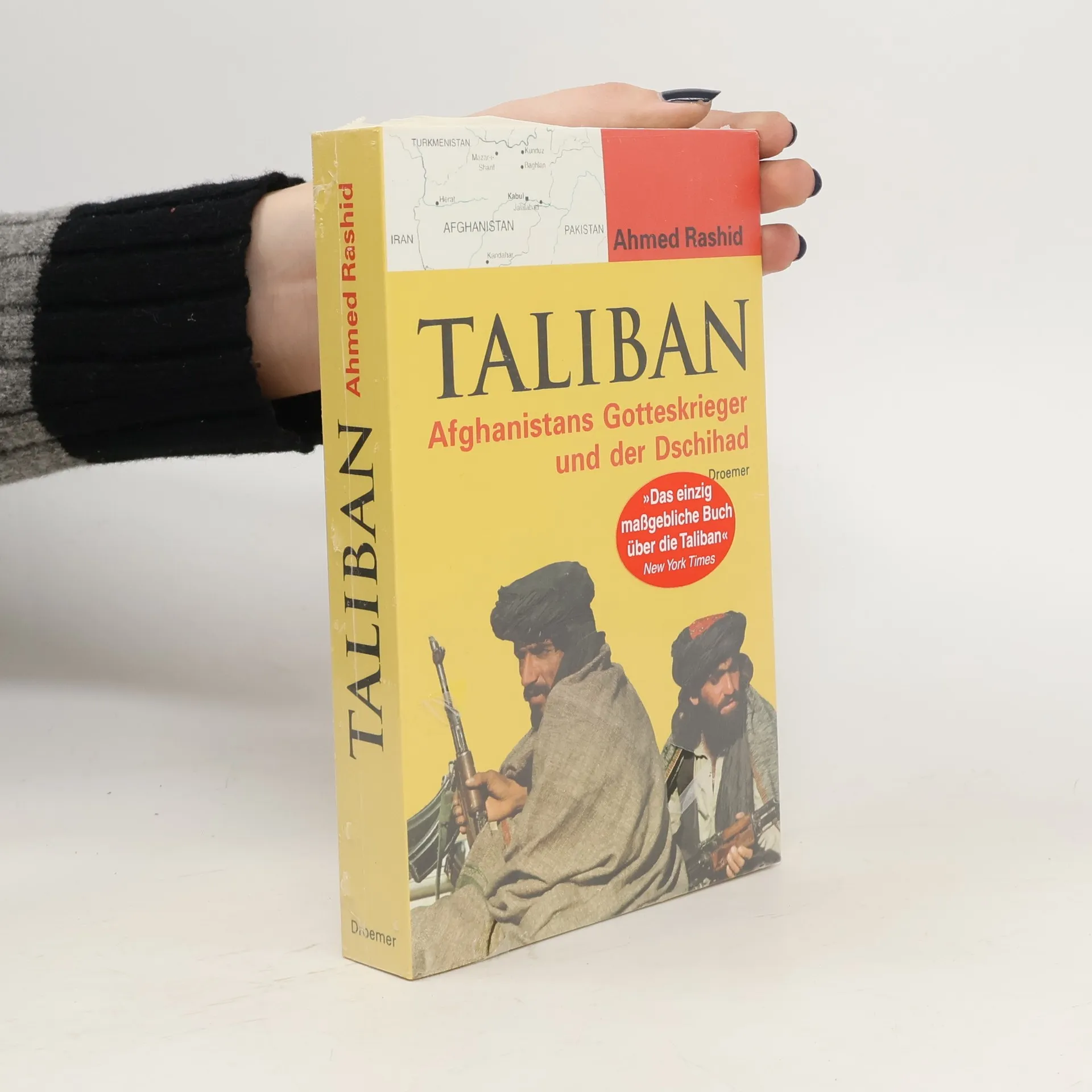
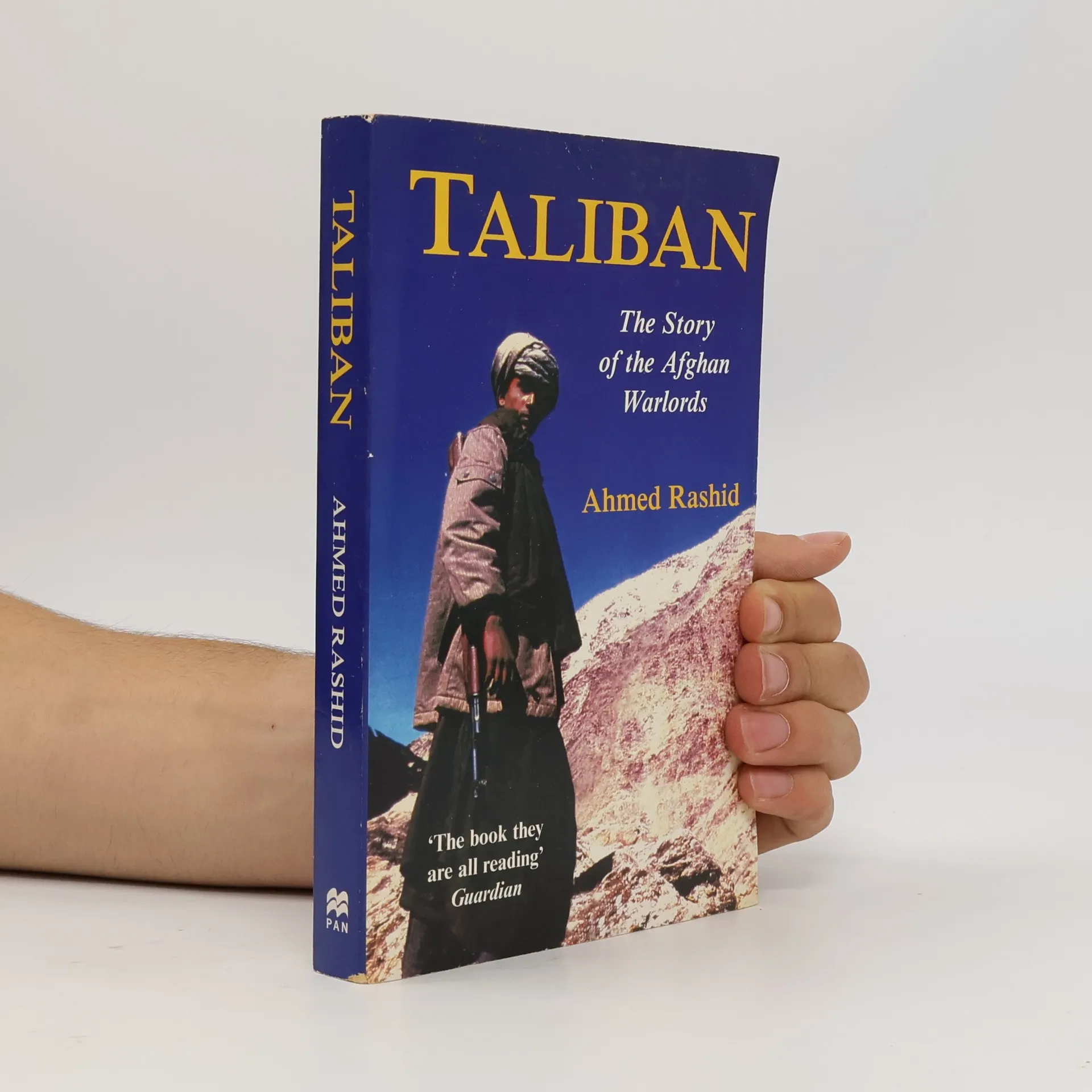
An exploration of the overwhelming complexity of Afghan politics, this title explains how it came in to being, how it is sustained and how Osama bin Laden has risen to such a figure of absolute power.
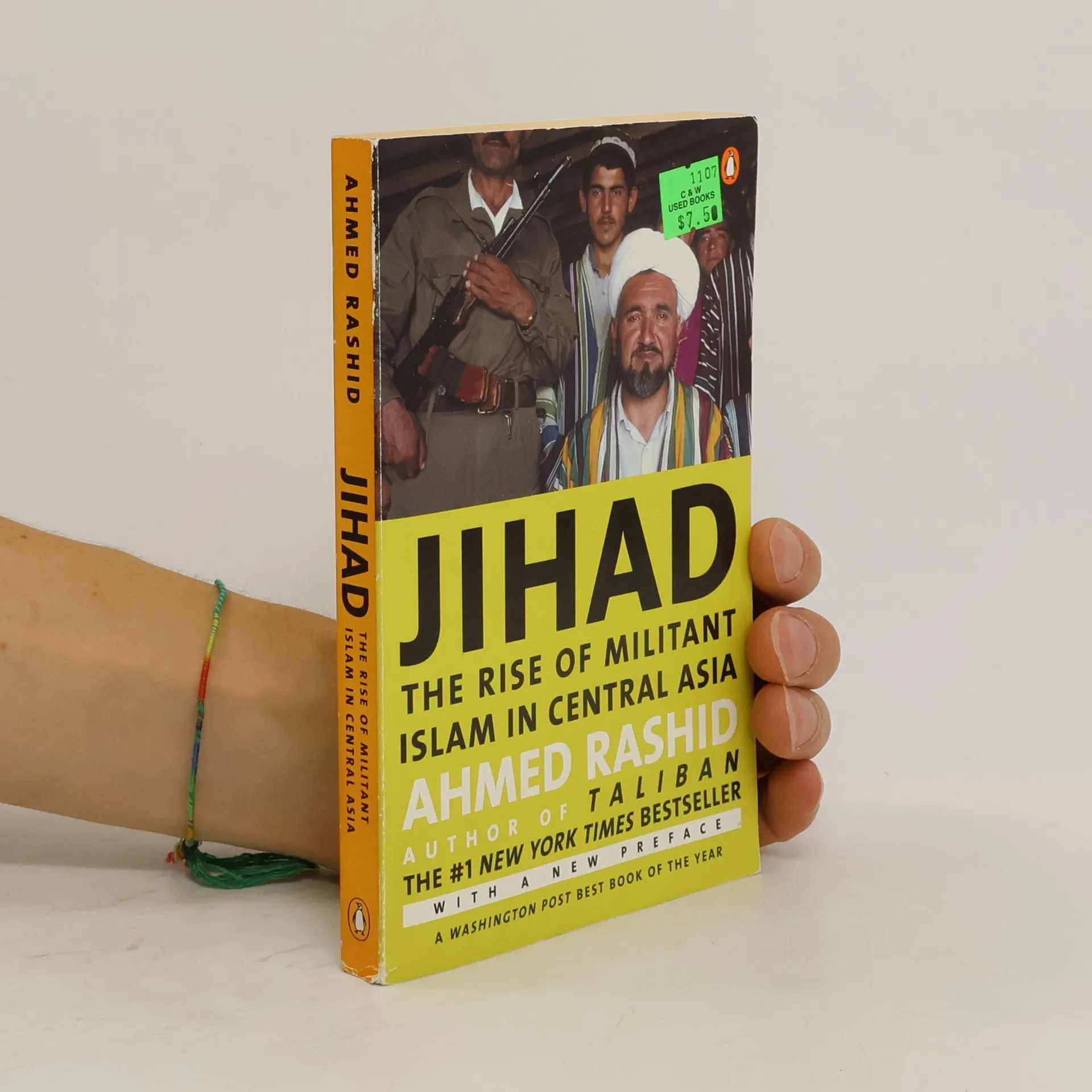
Exploring a crucial and often neglected region of Islamic fundamentalism, this book offers a comprehensive analysis from the author of the "New York Times" bestseller "Taliban." It delves into the complexities and dynamics of the area, shedding light on its significance in the broader context of global Islamic movements. Through detailed research and insights, the author provides a deeper understanding of the ideological and social factors at play.