Aswath Damodaran is a distinguished professor of finance, renowned for his extensive work in corporate finance and equity valuation. His academic contributions are primarily through his widely adopted textbooks that serve as essential resources for both students and professionals in the fields of valuation, corporate finance, and investment management. He is recognized for making complex financial concepts accessible and practical.
In "Das kleine Buch der Unternehmensbewertung" von Aswath Damodaran lernen Sie, Unternehmen zu bewerten und die richtigen Aktien auszuwählen. Die aktualisierte Ausgabe erklärt traditionelle und moderne Bewertungsmethoden und bietet wichtige Werkzeuge für kluge Investitionsentscheidungen und erfolgreichen Marktzugang.
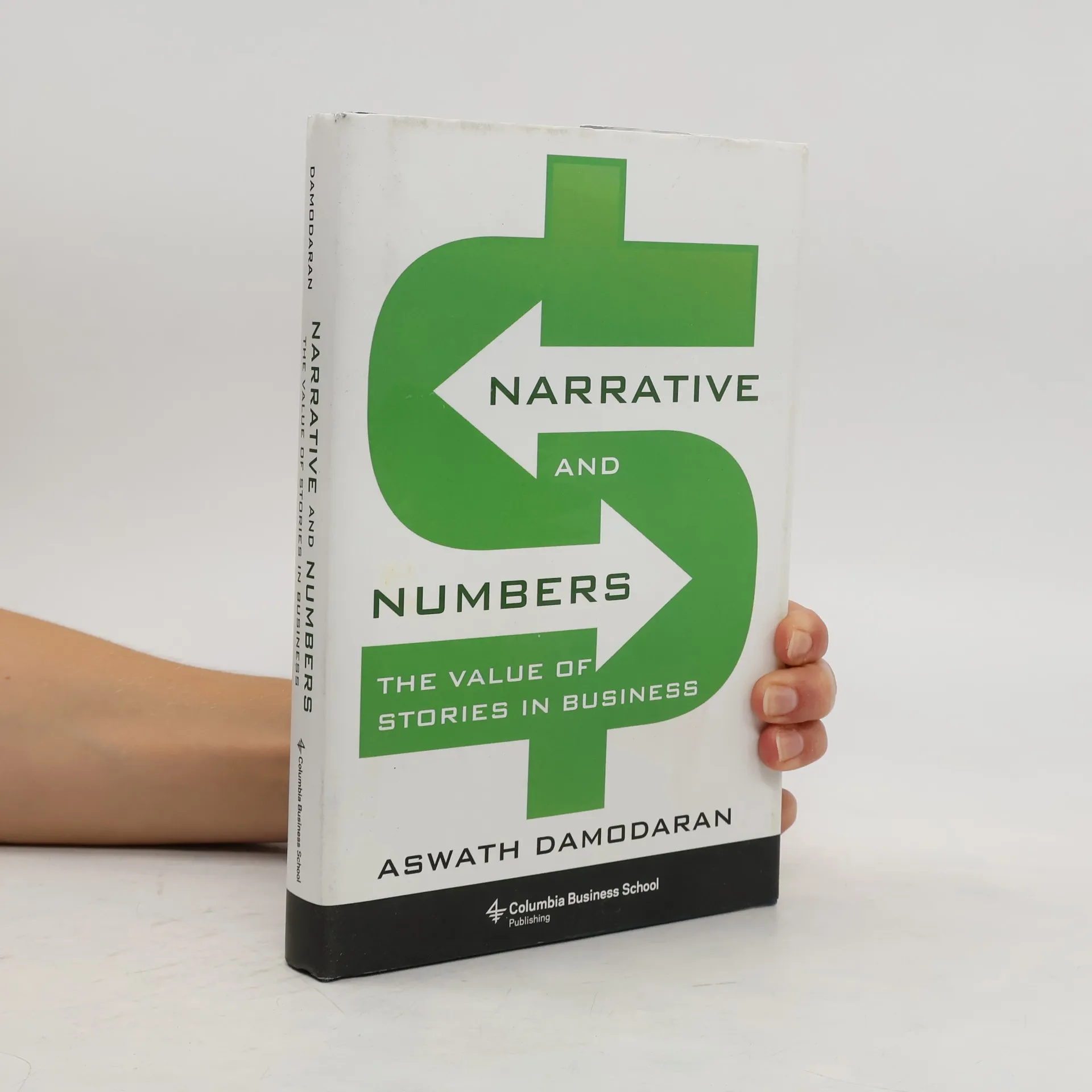
This book is well-organized, well-written, and engaging, with the interplay of
qualitative analysis (narrative) and quantitative analysis (numbers) vividly
demonstrated. It is a lively discussion supported by case studies and
considerable detail on implementation. - Stephen Penman, author, Accounting
for Value
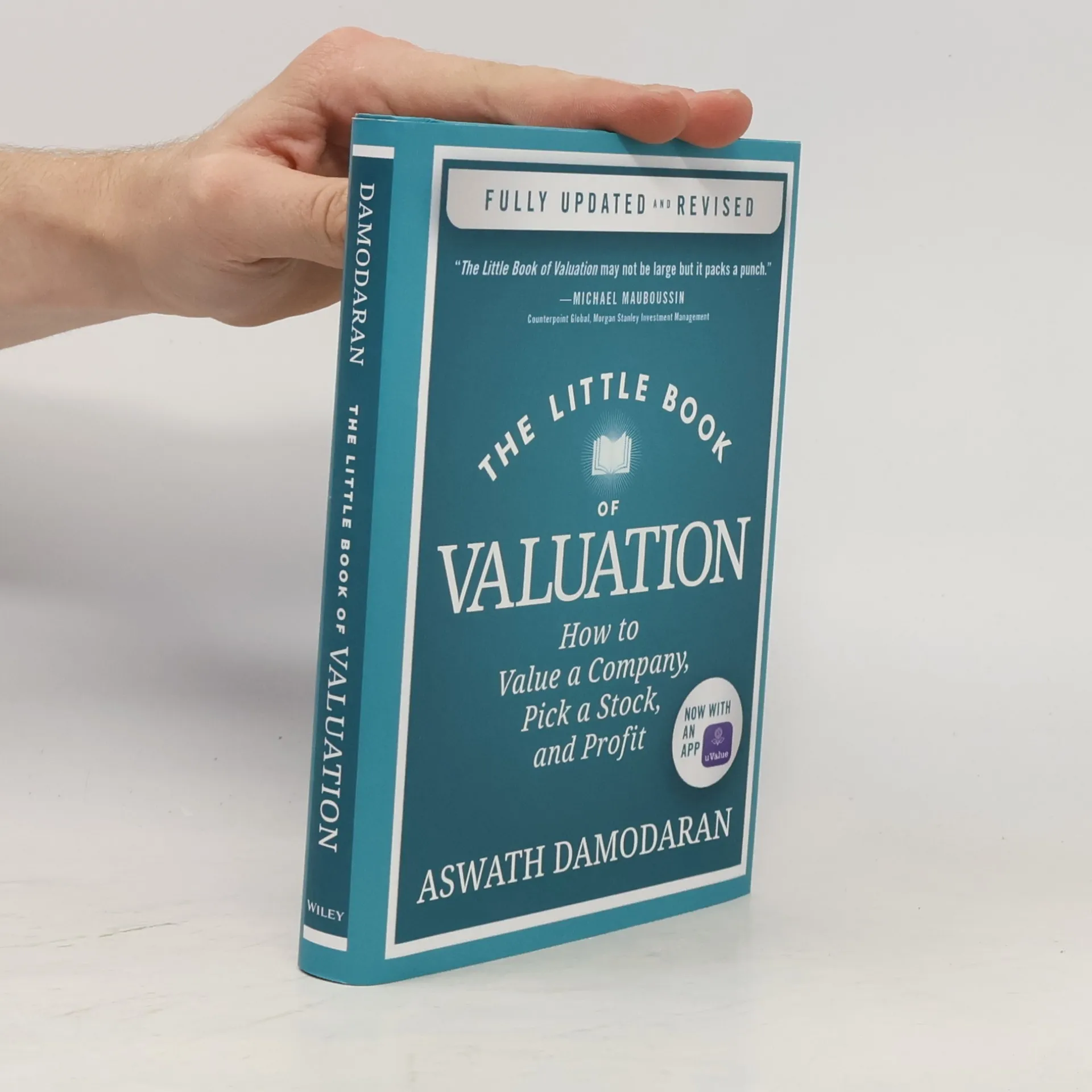
Guide to making accurate business valuations based on investing metrics that matter In The Little Book of Valuation: How to Value a Company, Pick a Stock, and Profit, professor and economist Aswath Damodaran guides readers through the fundamentals and step-by-step process of picking winning companies to invest in. In the book, you'll learn how to make your own accurate valuation assessments, avoiding common pitfalls and mistakes along the way. From widespread misunderstandings to undeniable truths in valuation, the author covers exactly where to turn your attention to when assessing a company's value based on a myriad of factors, with stories and real examples included throughout to prepare you for any modern investing challenge you may find yourself facing. You'll also learn: Simple but extremely effective valuation tools and formulas for success The complex relationship between assets, debt, equity, and business value Special market considerations regarding valuation that require a dynamic approach Rather than relying on third-party sources—often drawing from the same public information that you have access to, but getting it wrong—The Little Book of Valuation, Updated Edition gives readers all the insight and practical tools they need to cut through the noise and arrive at their own accurate valuations, pick profitable stocks, and establish successful long-term portfolios.
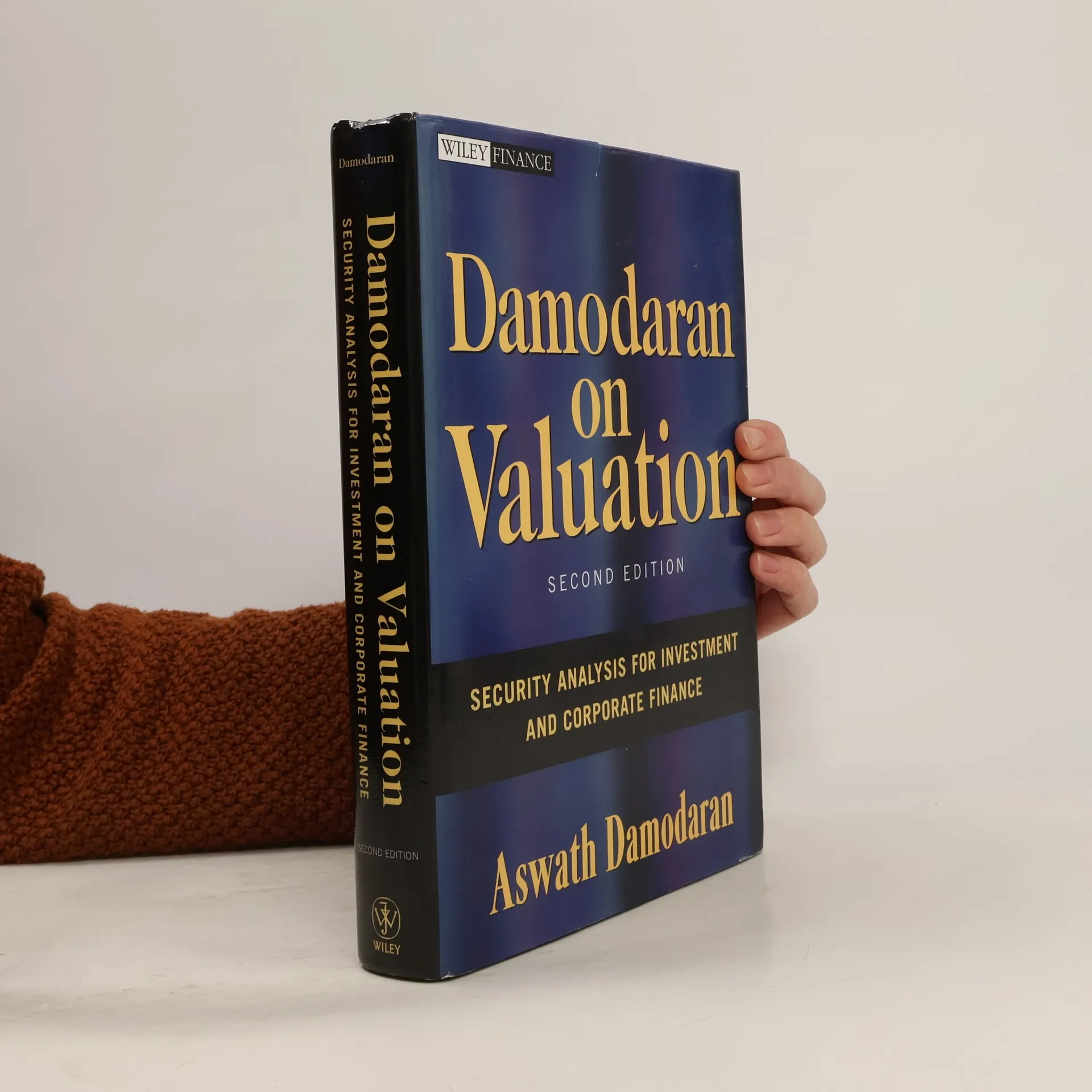
"Aswath Damodaran is simply the best valuation teacher around. If you are interested in the theory or practice of valuation, you should have Damodaran on Valuation on your bookshelf. You can bet that I do." -- Michael J. Mauboussin, Chief Investment Strategist, Legg Mason Capital Management and author of More Than You Know: Finding Financial Wisdom in Unconventional Places In order to be a successful CEO, corporate strategist, or analyst, understanding the valuation process is a necessity. The second edition of Damodaran on Valuation stands out as the most reliable book for answering many of today?s critical valuation questions. Completely revised and updated, this edition is the ideal book on valuation for CEOs and corporate strategists. You'll gain an understanding of the vitality of today?s valuation models and develop the acumen needed for the most complex and subtle valuation scenarios you will face.
This updated edition of "Investment Philosophies" serves as a comprehensive guide for investors seeking to understand enduring investment strategies. It explores various philosophies, their underlying beliefs, and effectiveness, covering topics like indexing, value investing, and market timing. Authored by finance expert Aswath Damodaran, it offers essential tools for portfolio management and strategy assessment.
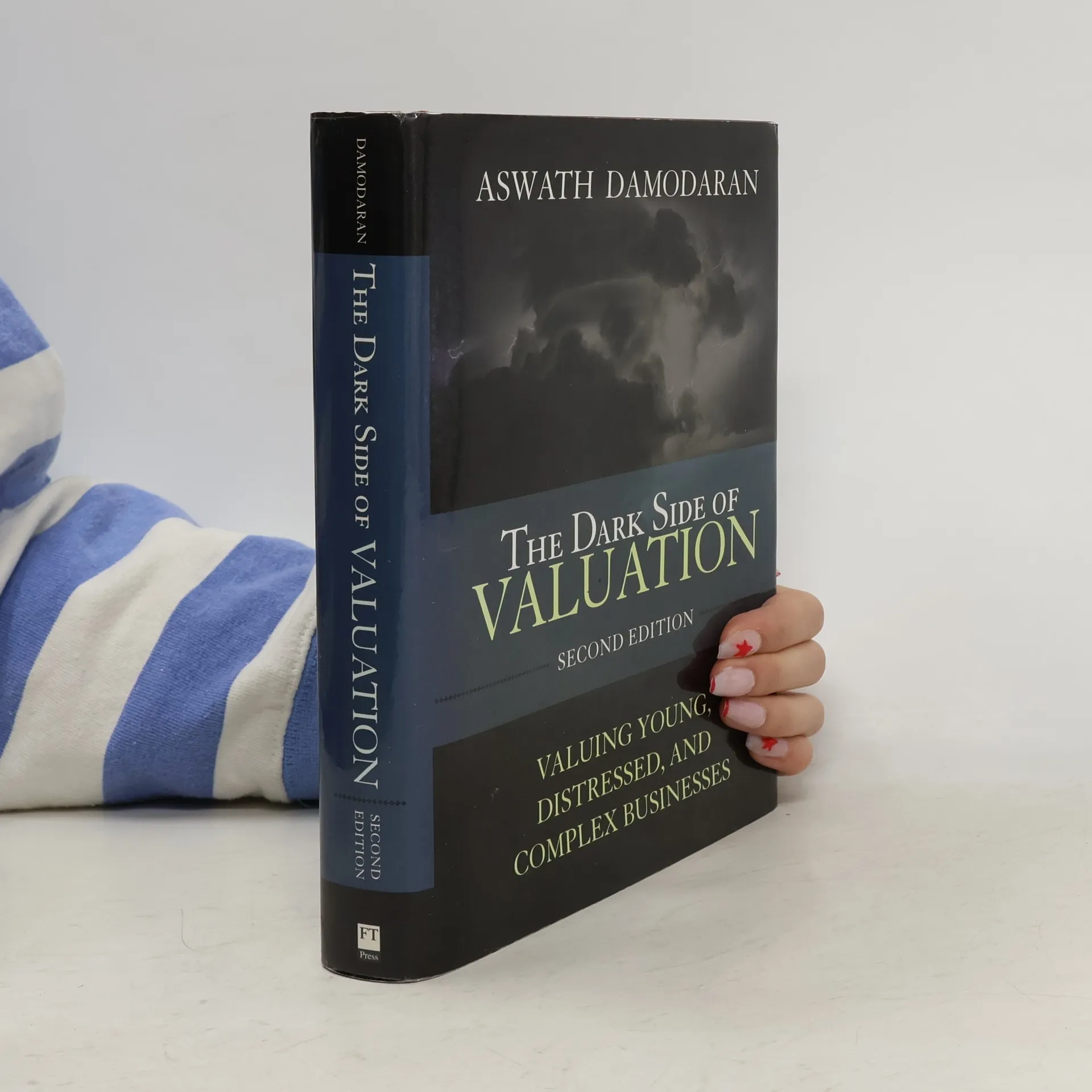
Valuing Young, Distressed, and Complex Businesses - Second Edition
590 pages
21 hours of reading
Renowned valuation expert Aswath Damodaran reviews core valuation tools and addresses today's complex estimation challenges in this thoroughly revised edition. He expands his focus to include all companies that resist easy valuation, highlighting hard-to-value firms such as commodity, cyclical, and financial services companies, as well as organizations reliant on intangible assets and global firms. The book covers the entire corporate lifecycle, from nascent growth companies to those in decline and distress, providing specific guidance for valuing technology, human capital, commodity, and cyclical firms. Special emphasis is placed on the financial sector, exploring the implications of today’s radically changed credit markets for valuation. It tackles urgent valuation questions, such as the risk-free nature of U.S. treasuries and how to value assets in illiquid markets. Readers will learn to overcome the temptation to use unrealistic valuation methods, understand macroeconomic assumptions like risk-free rates and risk premiums, conduct intelligent analysis for angel and early venture capital investing, and project the impact of regulatory changes. Damodaran's insights are essential for financial professionals, investors, M&A specialists, and entrepreneurs alike.
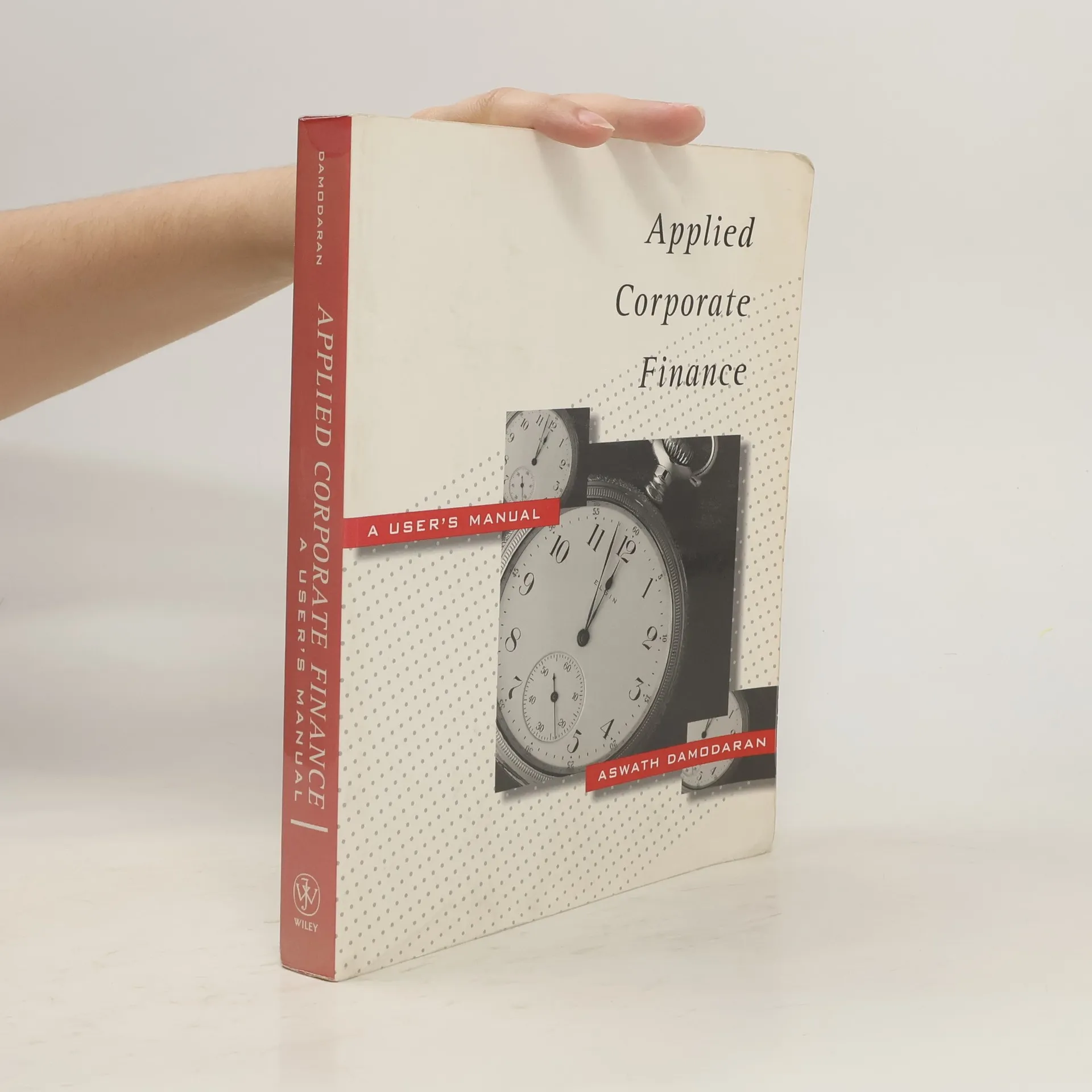
A text with a thoroughly integrated applications orientation revolving around the philosophy that companies need to know how to finance organizations in order to reach optimal capital structure. Recognizing that every investment decision involves choosing the right amount of debt and equity, the text suggests readers look at data and ask, "What is relevant? Why is this detail important? How does it answer the question?"
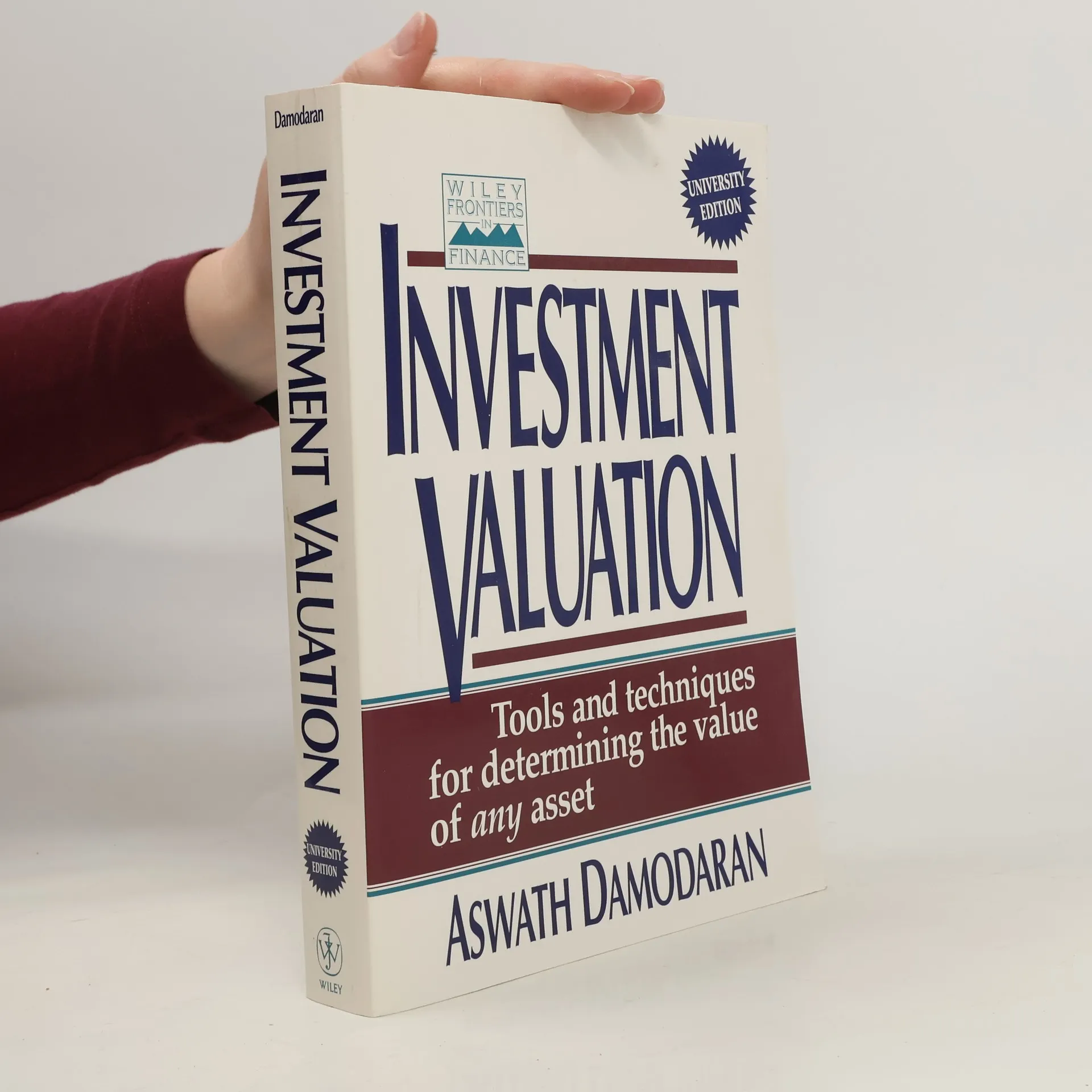
Tools and Techniques for Determining the Value of Any Asset
544 pages
20 hours of reading
Using real-world examples of companies and securities, this user-friendly book clarifies the entire process of valuation, describing the underlying principles of valuation as well as the unique information required for different types of assets. It guides the reader through the theory and application of difficult valuation models and highlights the strengths and weaknesses of each. Investment Valuation is an indispensable guide for investors, analysts, researchers, and others who must undertake the challenging task of valuing assets.
This hands-on guide provides readers the tools they need to turn corporate financial theory into practical financial analysis. It contains proven-effective analysis models and tools, and shows readers exactly how to apply what they have learned to any company they choose.