

Julius T. Tou Books
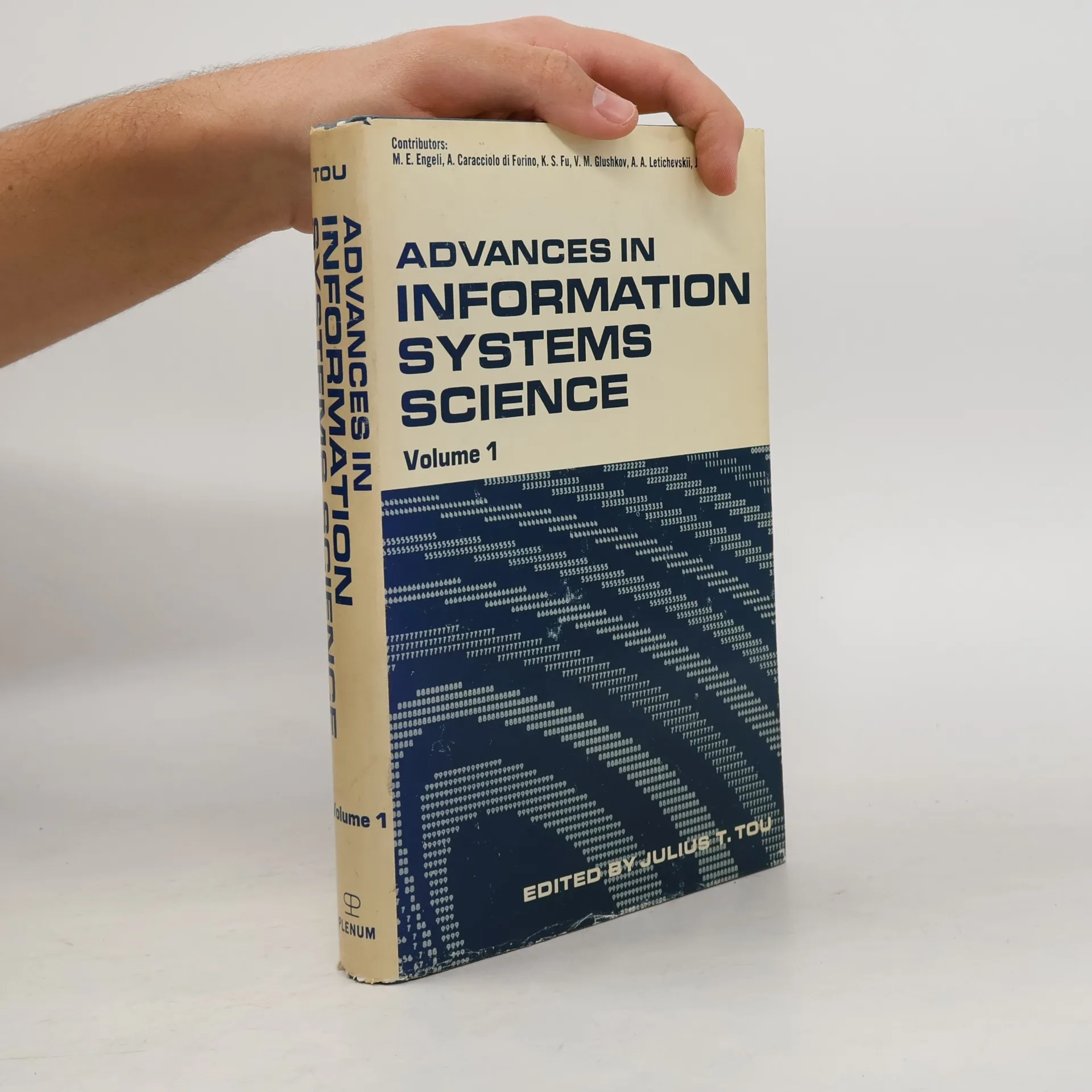
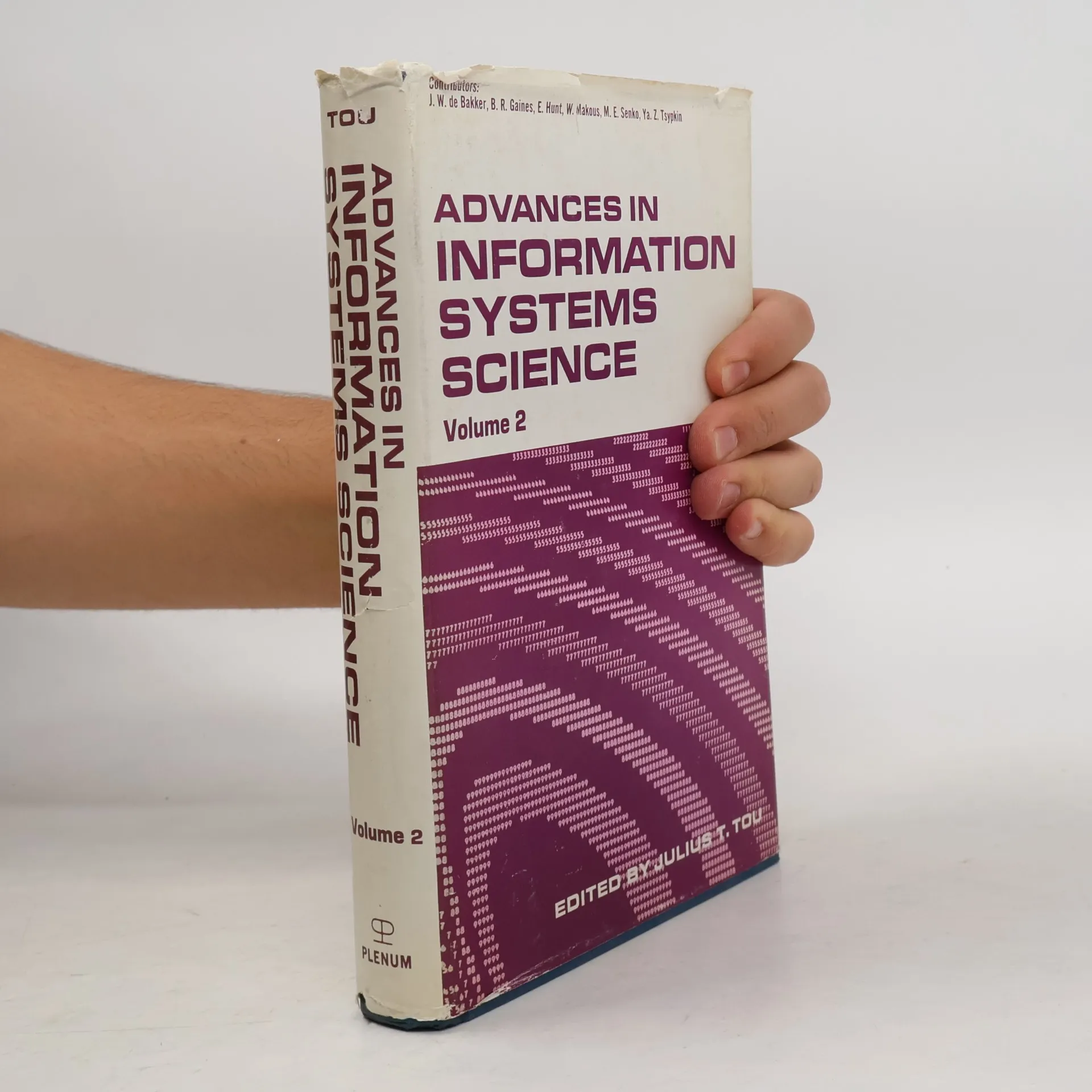
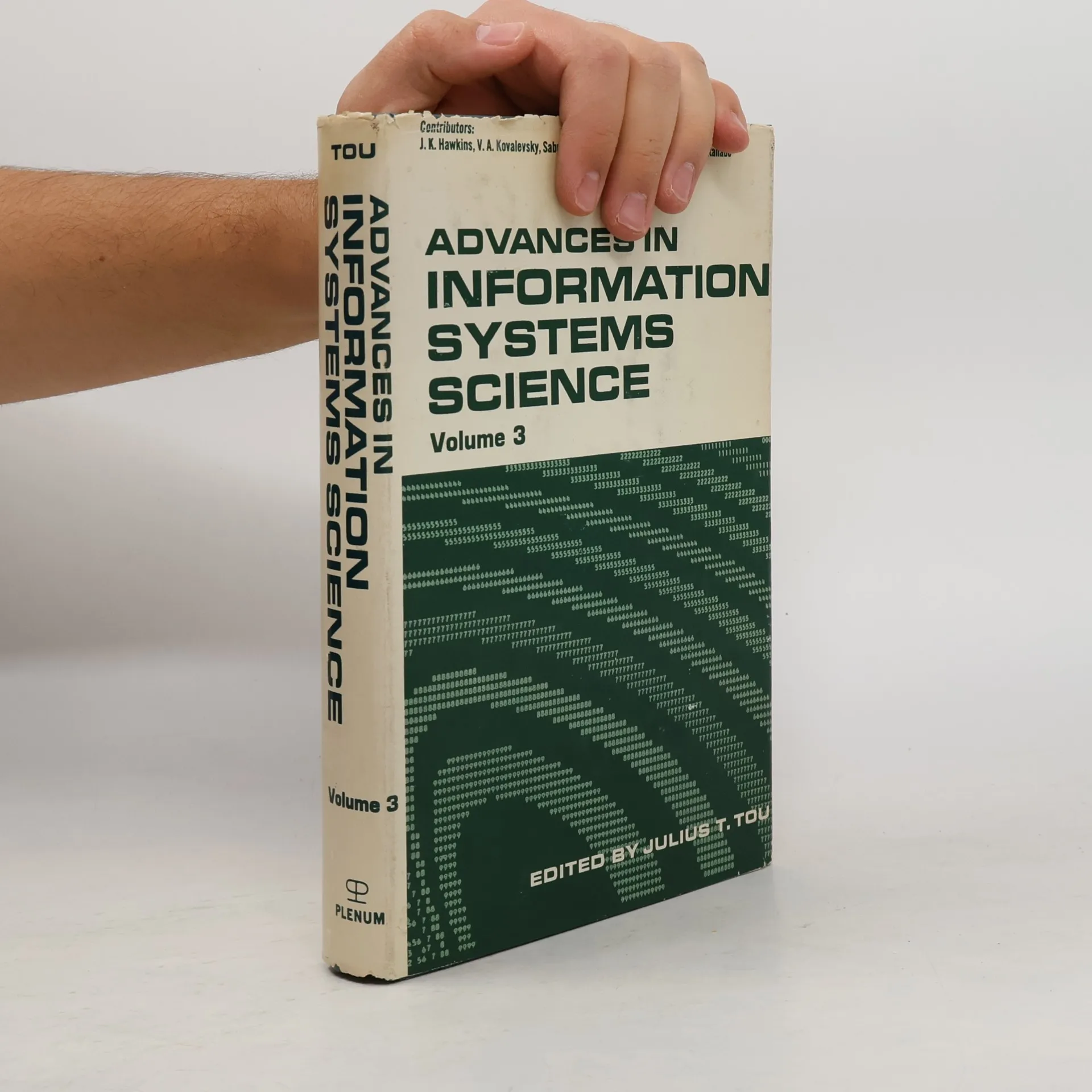

Engineering has traditionally been viewed as a profession divided into branches such as electrical, mechanical, and civil engineering. While this classification served its purpose for decades, recent developments have blurred these boundaries. The shift from practical applications to theoretical foundations has led to a convergence of technology and science, transforming engineering into a multidisciplinary field. Modern engineering now encompasses materials, energy, and information, reflecting the complexities of our technologically-driven society. Organizations are inundated with vast amounts of management information, raising challenges related to the efficient use of this knowledge. The increasing complexity of information systems demands new theories and techniques for addressing these issues. We require immediate access to historical data for decision-making, alongside innovative methods for analysis, recognition, processing, and display. Consequently, information science has emerged as a vital discipline, focusing on the theoretical aspects of organizing, controlling, storing, retrieving, processing, and communicating information through both natural and artificial systems. This field is inherently multidisciplinary, spanning a wide range of topics within the physical and biological sciences.
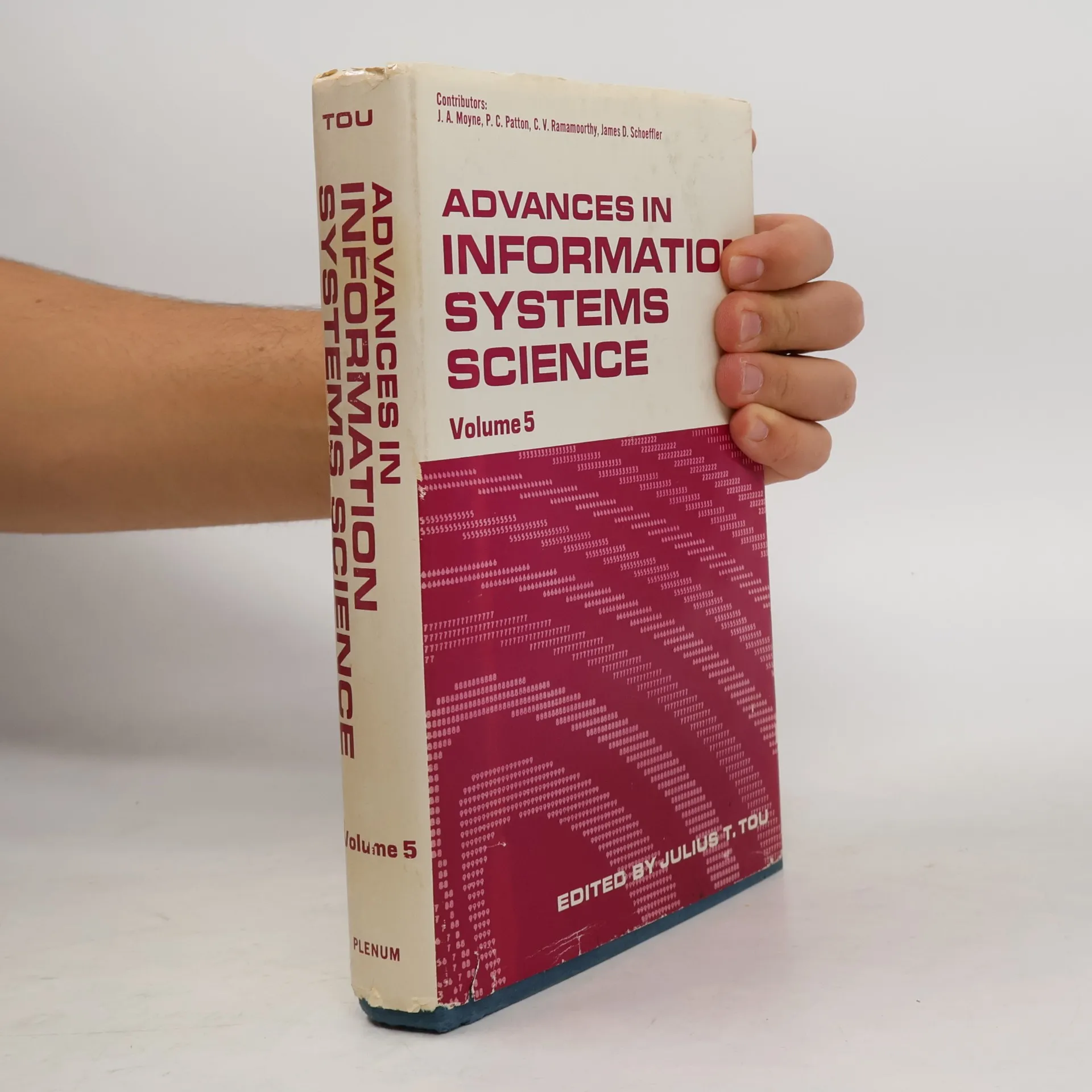
Advances in Information Systems Science 5
- 343 pages
- 13 hours of reading
This volume, the fifth in a series on information systems science, addresses four key topics relevant to the field. Each chapter provides essential background information on the advances discussed, allowing it to be used independently or alongside previous volumes. The focus is on data organization and access methods, software for online minicomputer applications, advancements in microprogramming, and grammars and recognizers for both formal and natural languages. Chapter 1 features a tutorial survey by P. C. Patton on data organization and access methods, crucial for information system design. The shift in research from numerical data processing to non-numerical information handling is highlighted, emphasizing that information is conveyed not only by data but also by its structure and organization. The chapter reviews various data structures, including linear lists, array structures, tree structures, and multilinked structures, while also addressing the challenges of database design and management. It concludes with examples of information handling systems, such as a matrix interpretive system, a generalized information management system, and a criminal justice information system. The increasing affordability and enhanced capabilities of minicomputers have made them appealing for information systems.