How I Came to Know Fish (1974) is Ota Pavel's magical memoir of his childhood in Czechoslovakia. Fishing with his father and his Uncle Prosek � the two finest fishermen in the world � he takes a peaceful pleasure from the rivers and ponds of his country. But when the Nazis invade, his father and two older brothers are sent to concentration camps and Pavel must steal their confiscated fish back from under the noses of the SS to feed his family. With tales of his father�s battle to provide for his family both in wealthy freedom and in terrifying persecution, this is one boy�s passionate and affecting tale of life, love and fishing.
Edgar de Bruin Books

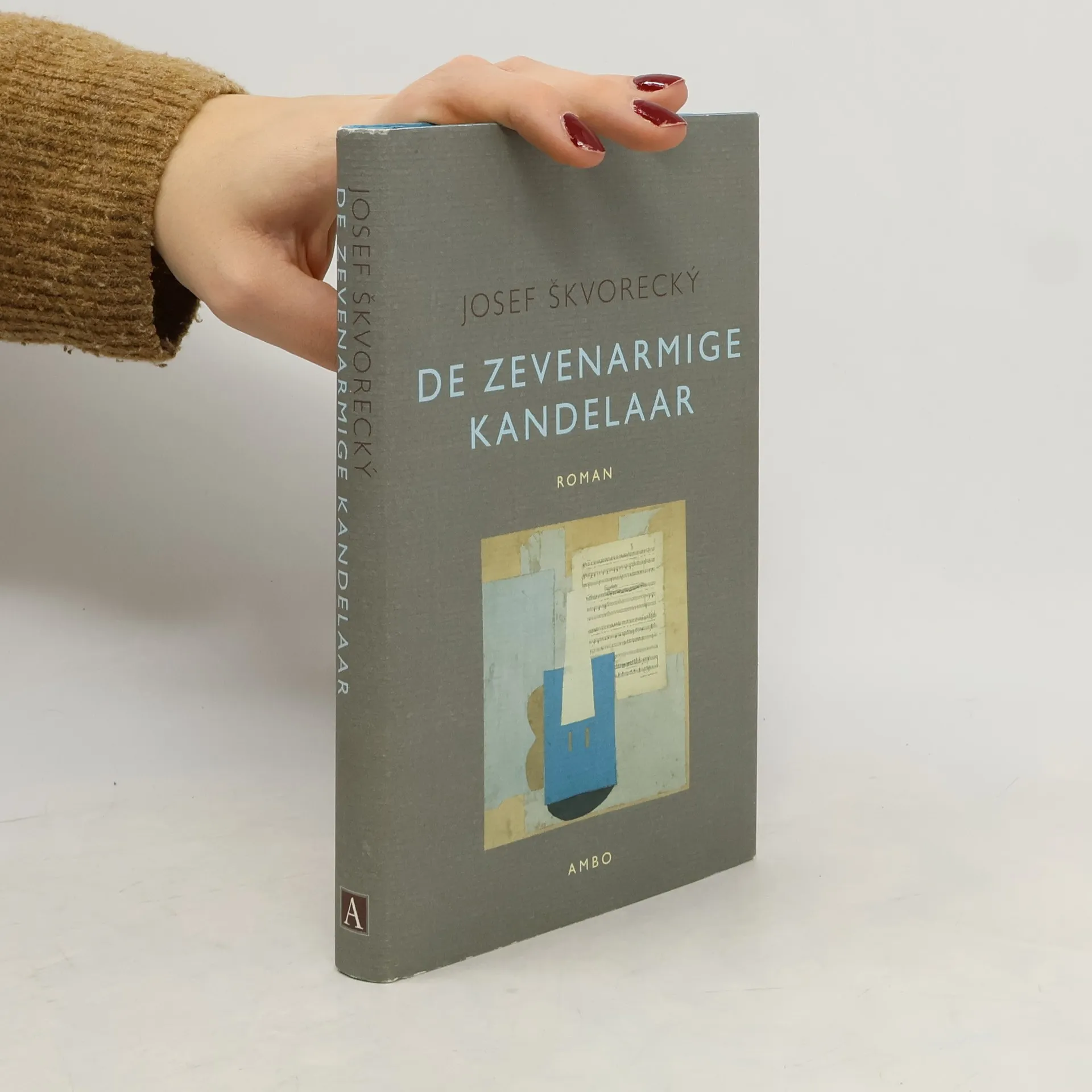

De zevenarmige kandelaar
- 166 pages
- 6 hours of reading
Een jonge verteller schetst portretten van de joodse bewoners in zijn geboortedorp, die later naar de concentratiekampen worden afgevoerd.
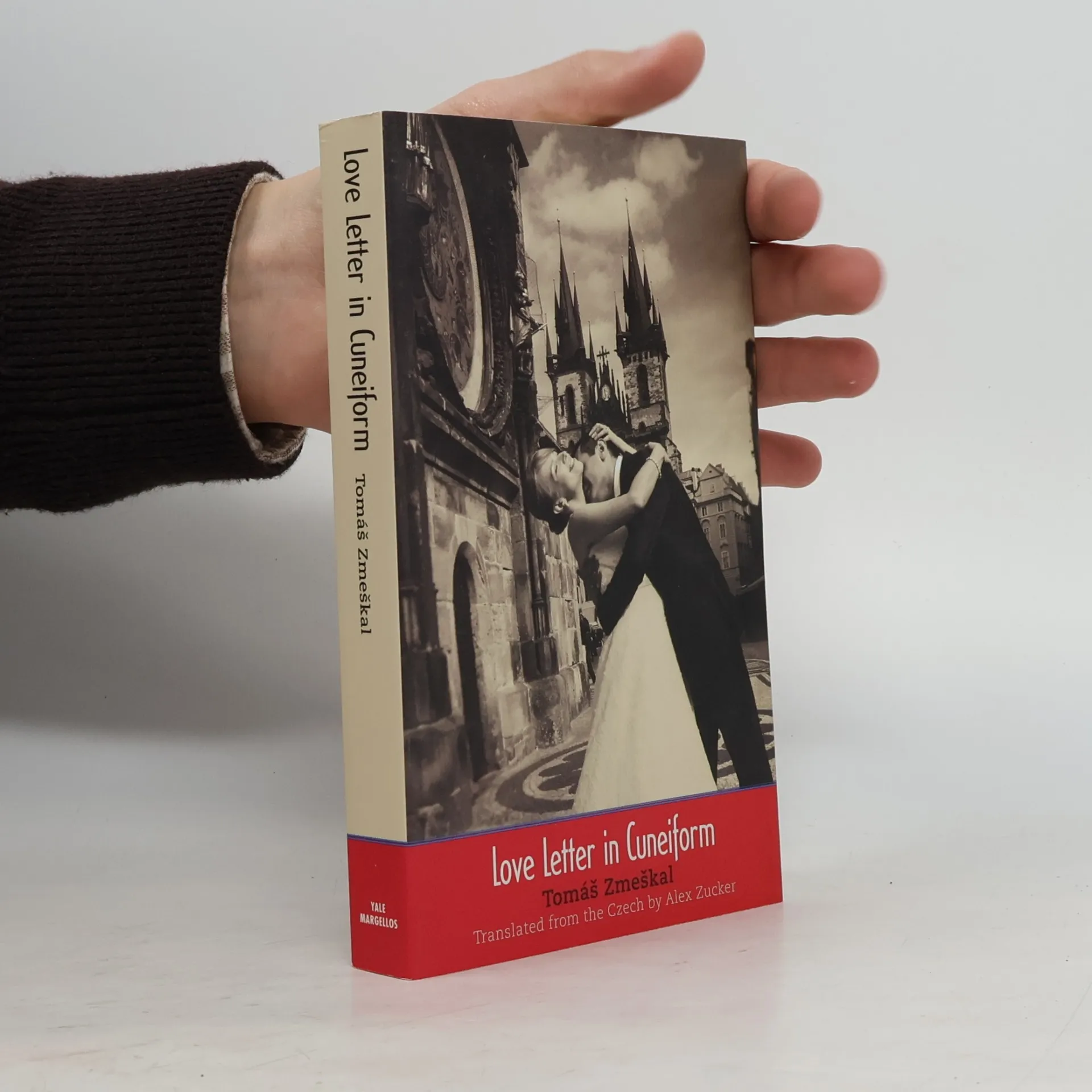
Love Letter in Cuneiform
- 315 pages
- 12 hours of reading
From a leading voice in the vibrant literary scene of today's Czech Republic, a love story rooted in the atrocities of the past and tethered to fading hopes for the future Set in Czechoslovakia between the 1940s and the 1990s, Tomás Zmeskal's stimulating novel focuses on one family's tragic story of love and the unspoken. Josef meets his wife, Kveta, before the Second World War at a public lecture on Hittite culture. Kveta chooses to marry Josef over their mutual friend Hynek, but when her husband is later arrested and imprisoned for an unnamed crime, Kveta gives herself to Hynek in return for help and advice. The author explores the complexities of what is not spoken, what cannot be said, the repercussions of silence after an ordeal, the absurdity of forgotten pain, and what it is to be an outsider. In Zmeskal's tale, told not chronologically but rather as a mosaic of events, time progresses unevenly and unpredictably, as does one's understanding. The saga belongs to a particular family, but it also exposes the larger, ongoing struggle of postcommunist Eastern Europe to come to terms with suffering when catharsis is denied. Reporting from a fresh, multicultural perspective, Zmeskal makes a welcome contribution to European literature in the twenty-first century.
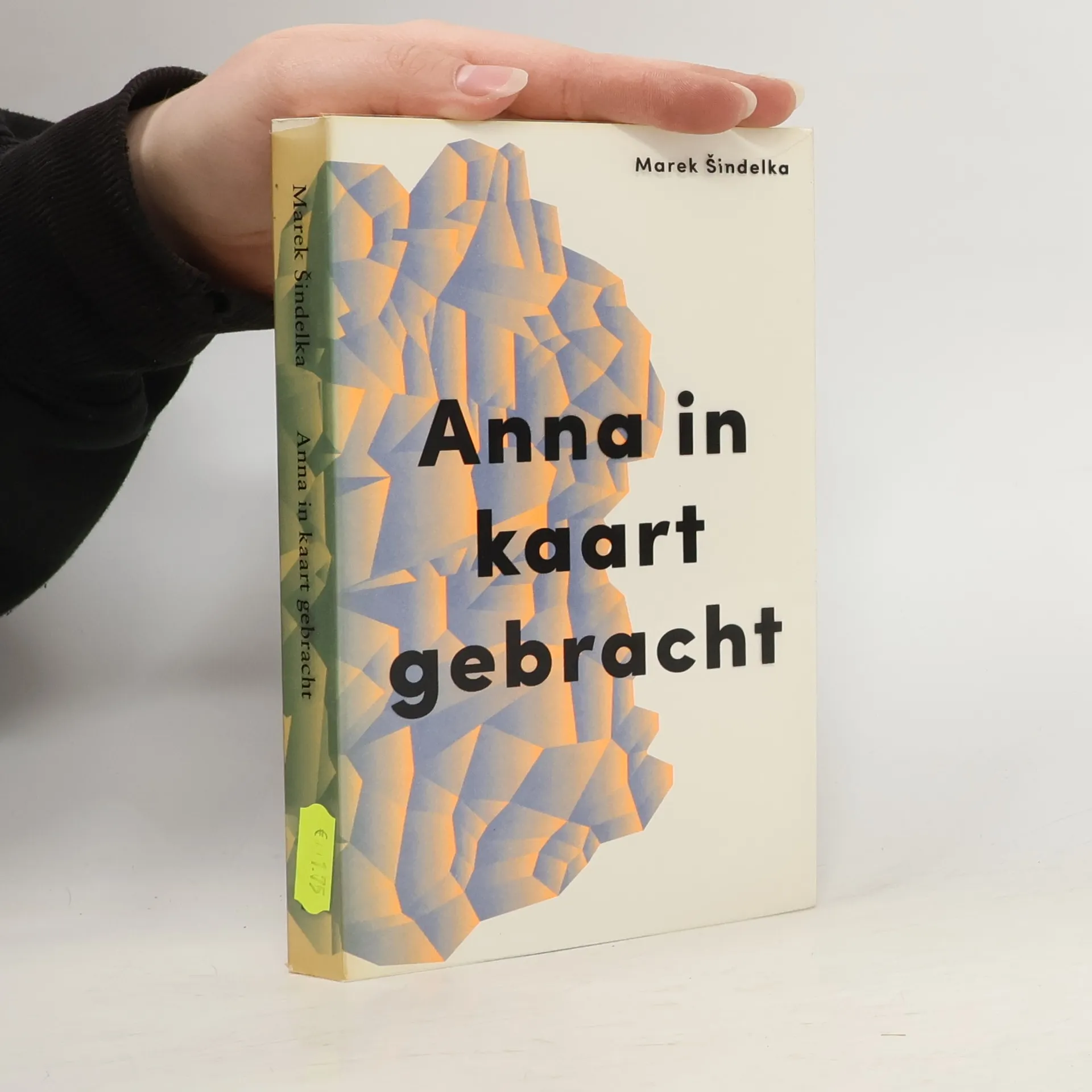
Anna in kaart gebracht / druk 1
- 216 pages
- 8 hours of reading
In Anna in kaart gebracht krijgen we een prachtig beeld van de jonge vrouw: Anna. Ze is het middelpunt van allerlei andere levens, zonder zelf aan het woord te komen. Met elk hoofdstuk komt Anna scherper in beeld, worden haar geheimen zichtbaarder en haar gedrag begrijpelijker. De kaart van Anna wordt gelegd door haar zwijgende grootvader, haar te oude minnaar, haar onvolwassen vriendje, een toevallige passant en een naamloze 'anatoom-historicus'. Personages verdwijnen en duiken dan weer op, bezien door de ogen van weer andere personages. Een naam die ergens terloops wordt genoemd blijkt in een later hoofdstuk een hoofdpersoon. Anna in kaart gebracht is een hypermoderne mozaïekvertelling die niet alleen met prachtige taal en beelden verteld is, maar die ook een tijdskritiek geeft: zijn we echt geïnteresseerd in andere mensen of nemen we genoegen met onze eigen vooroordelen?
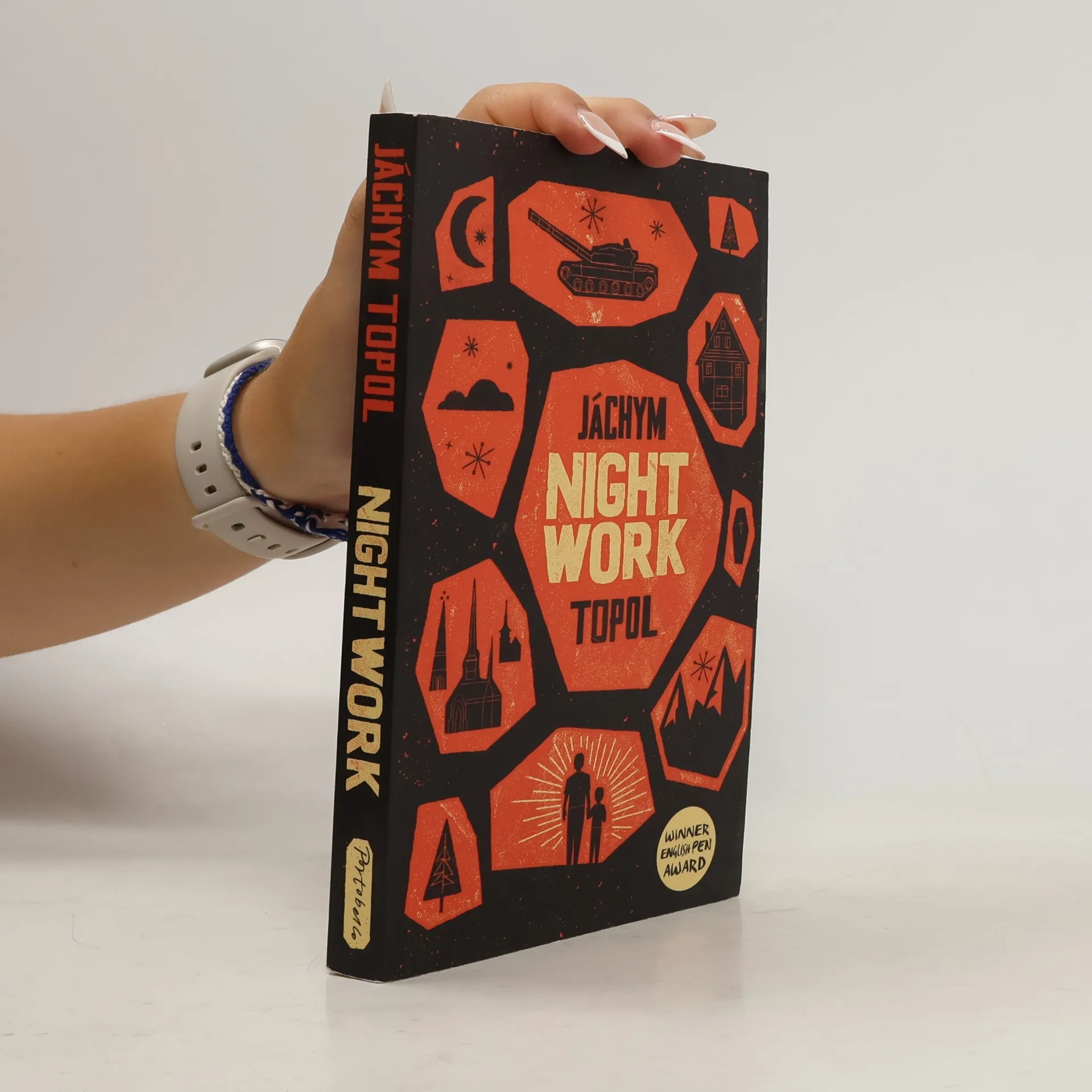
Nightwork. Nachtarbeit, englische Ausgabe
- 295 pages
- 11 hours of reading
Two brothers find themselves stranded in an otherworldly village in this comic coming-of-age story set during the 1968 invasion of Czechoslovakia
Hester of waar vrouwen blijven
- 303 pages
- 11 hours of reading
Een Tsjechische vrouw in New York doet verwoede pogingen om in relaties de erotische ervaringen met haar ideale minnaar te herhalen.
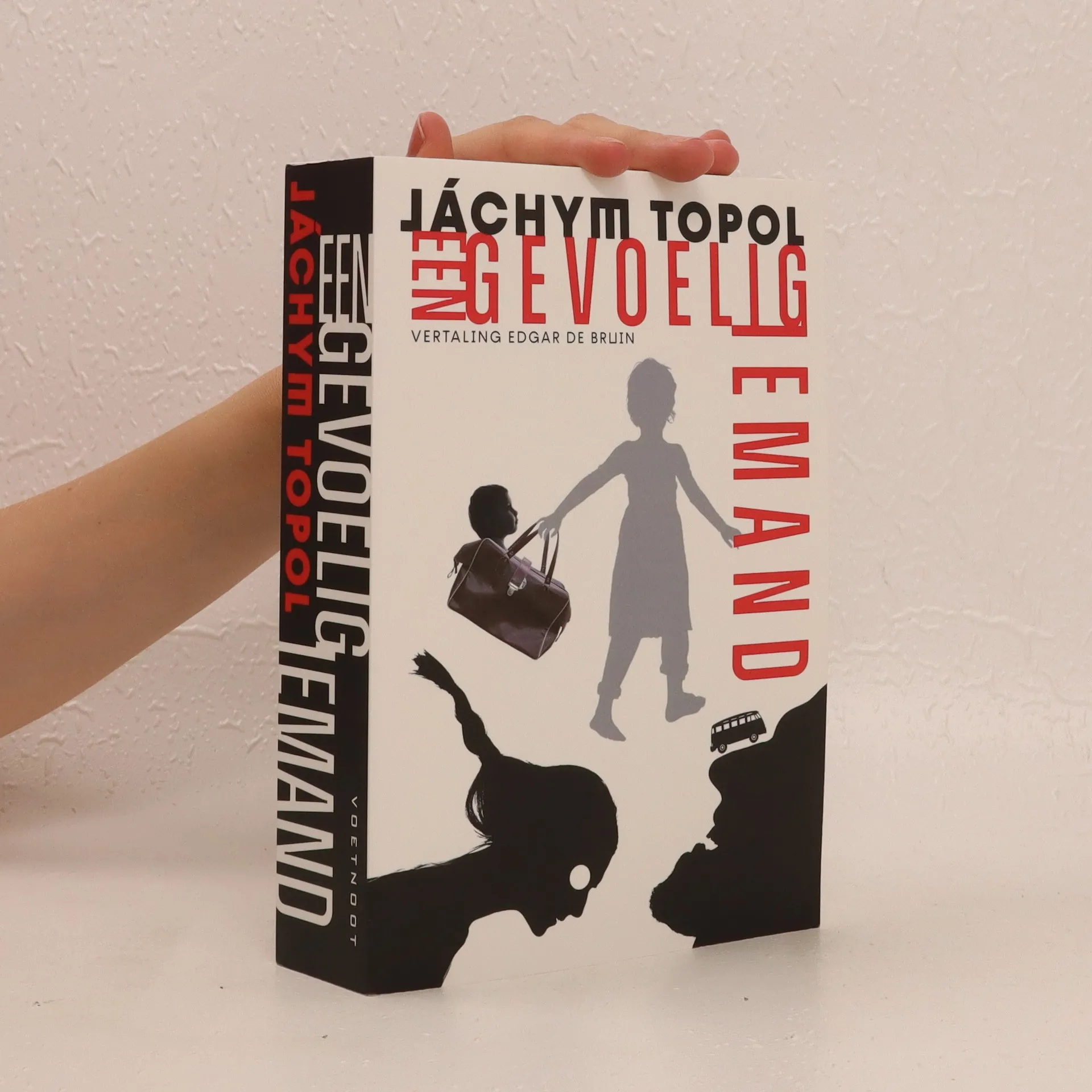
Een gevoelig iemand
- 481 pages
- 17 hours of reading