




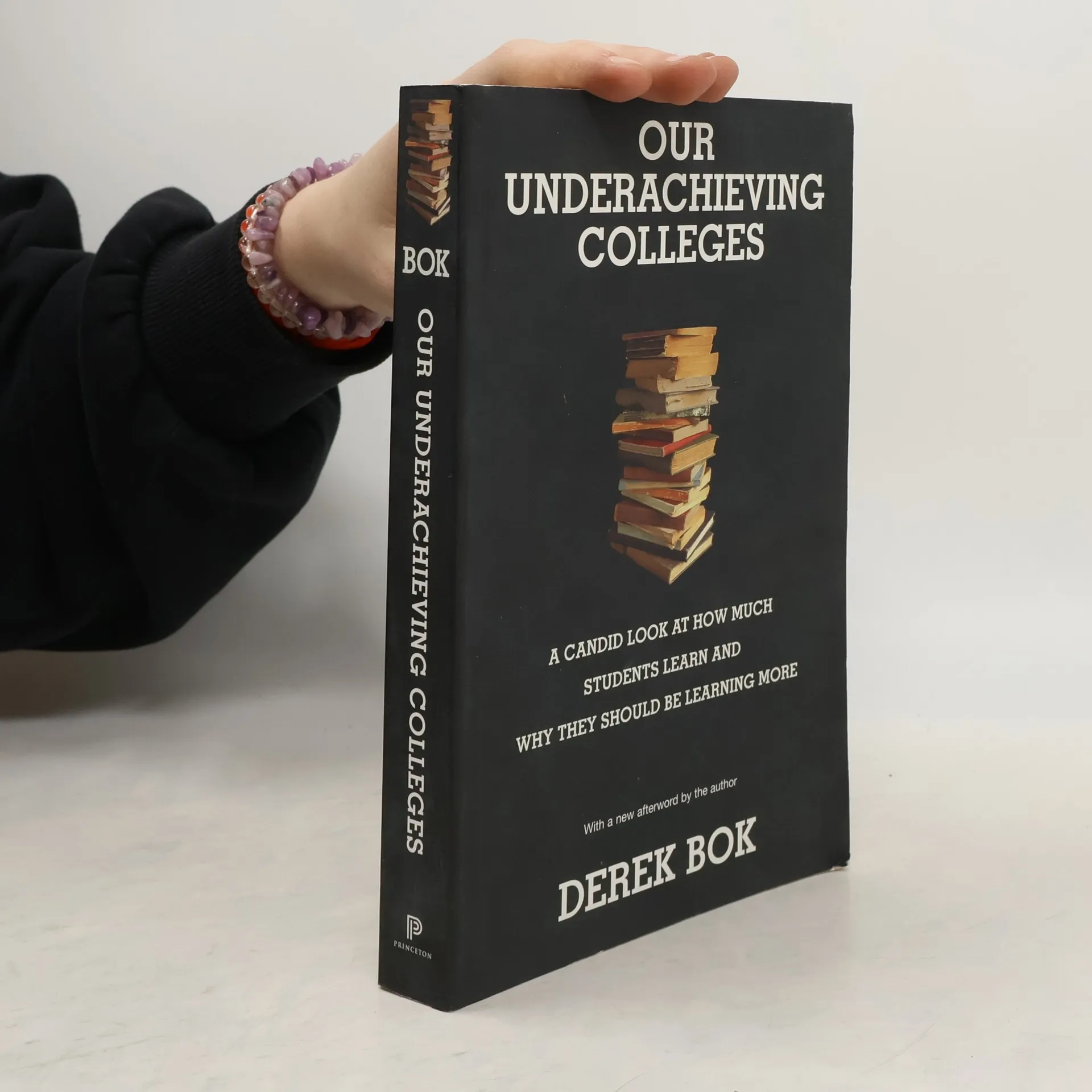

The Trouble with Government
- 507 pages
- 18 hours of reading
In the past thirty years, Americans have increasingly lost faith in their government and its leaders, blaming Washington for issues like poor education, expensive healthcare, and rising crime rates. Derek Bok investigates these grievances and finds many justified. He dismisses three common explanations—deteriorating leadership, media influence, and interest group power—and identifies four key weaknesses in government: Congress's tendency to poorly design programs, the imposition of costly regulations with limited impact, inadequate protection for workers against life’s hazards, and significant poverty among children. Bok explores the roots of these weaknesses and examines popular remedies such as term limits, devolution, and campaign finance reform. While some proposals show promise, he uncovers a troubling paradox: Americans desire more control over their government but are participating less in the political process. This growing dissatisfaction, coupled with declining engagement, exacerbates democratic challenges. Bok emphasizes that there are tangible steps citizens can take to become politically active and improve government performance. He concludes that democracy thrives or falters based on the collective efforts of its citizens.