

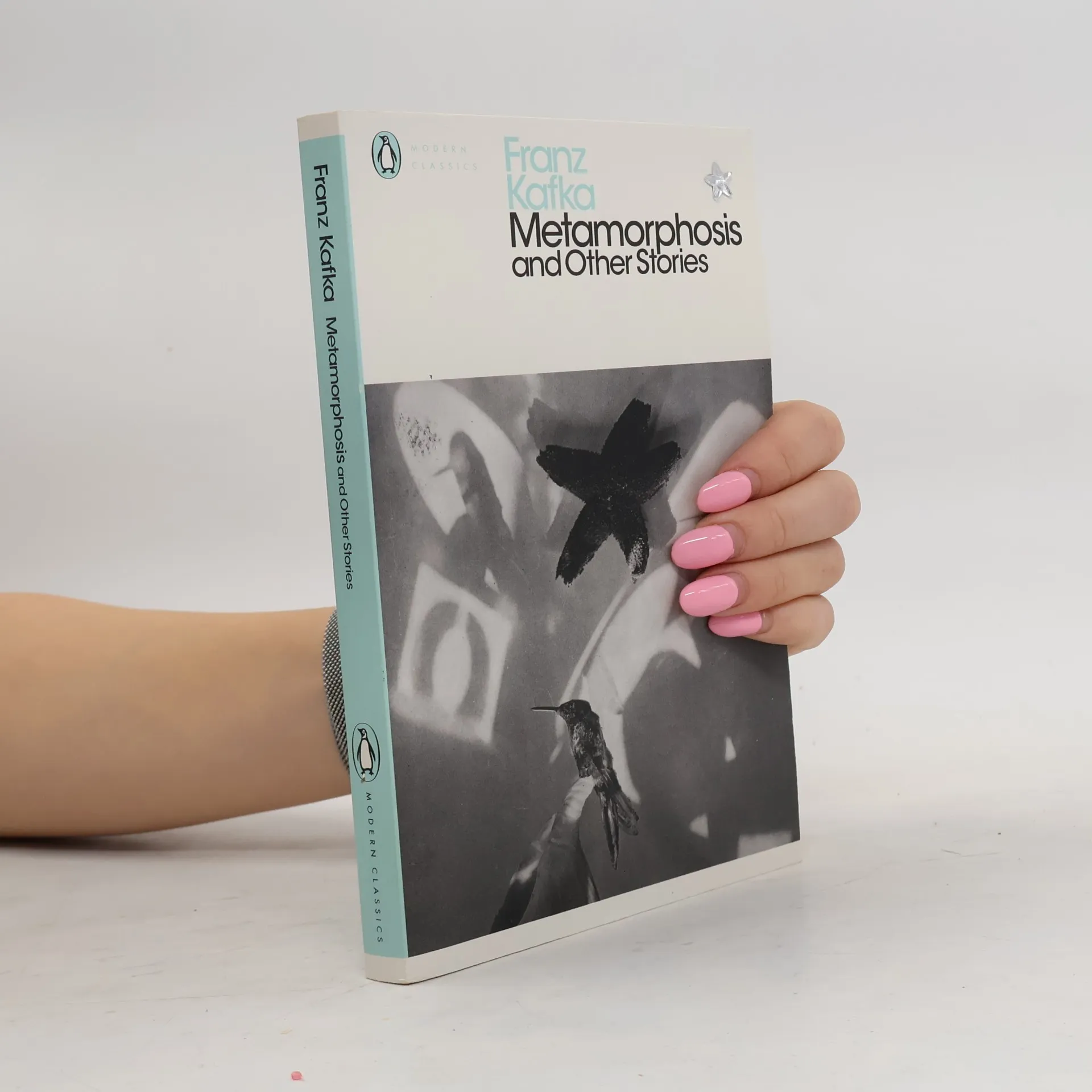
One of Kafka's most famous stories, 'Metamorphosis' explores the notions of alienation and human loneliness, demonstrating his extraordinary narrative techniques and depth of imagination. In the second story the relationship between a father and son is explored.
Gérard Rudent Books
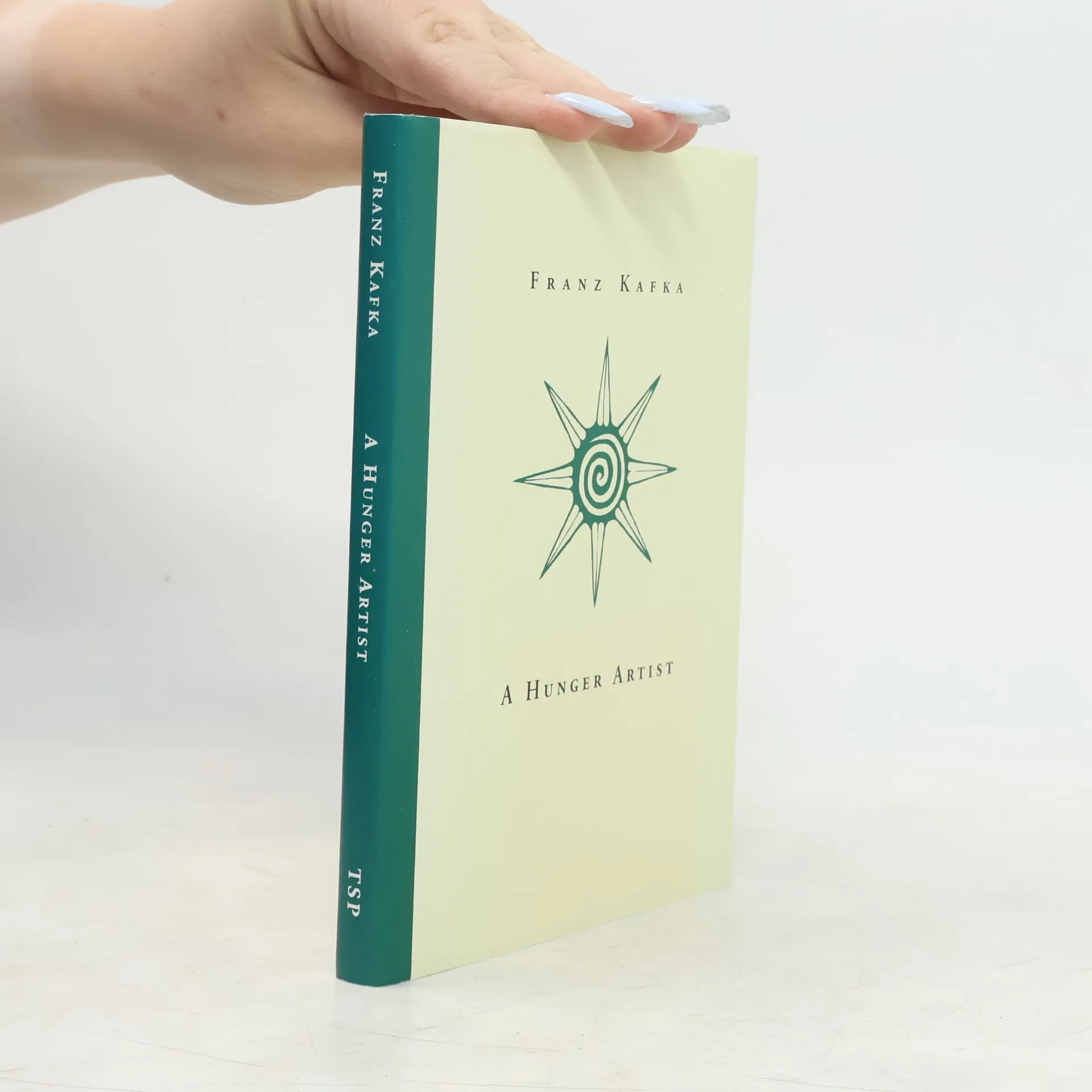

A Hunger Artist
- 88 pages
- 4 hours of reading
The last book published during Kafka's lifetime, A Hunger Artist (1924) explores many of the themes that were close to him: spiritual poverty, asceticism, futility, and the alienation of the modern artist. He edited the manuscript just before his death, and these four stories are some of his best known and most powerful work, marking his maturity as a writer. In addition to "First Sorrow," "A Little Woman," and "Josephine the Singer, or the Mouse People" is the title story, "A Hunger Artist," which has been called by the critic Heinz Politzer "a perfection, a fatal fulfillment that expresses Kafka's desire for permanence." The three volumes Twisted Spoon Press has published: Contemplation, A Country Doctor, and A Hunger Artist are the collections of stories that Kafka had published during his lifetime. Though each volume has its own distinctive character, they have most often appeared in English in collected editions. They are presented here as separate editions, in new translations by Kevin Blahut, each with its own illustrator from the Prague community.
Metamorphosis and Other Stories
- 272 pages
- 10 hours of reading
This collection of new translations brings together the small proportion of Kafka's works that he himself thought worthy of publication. It includes Metamorphosis, his most famous work, an exploration of horrific transformation and alienation; Meditation, a collection of his earlier studies; The Judgement, written in a single night of frenzied creativity; The Stoker, the first chapter of a novel set in America and a fascinating occasional piece, and The Aeroplanes at Brescia, Kafka's eyewitness account of an air display in 1909. Together, these stories reveal the breadth of Kafka's literary vision and the extraordinary imaginative depth of his thought.