

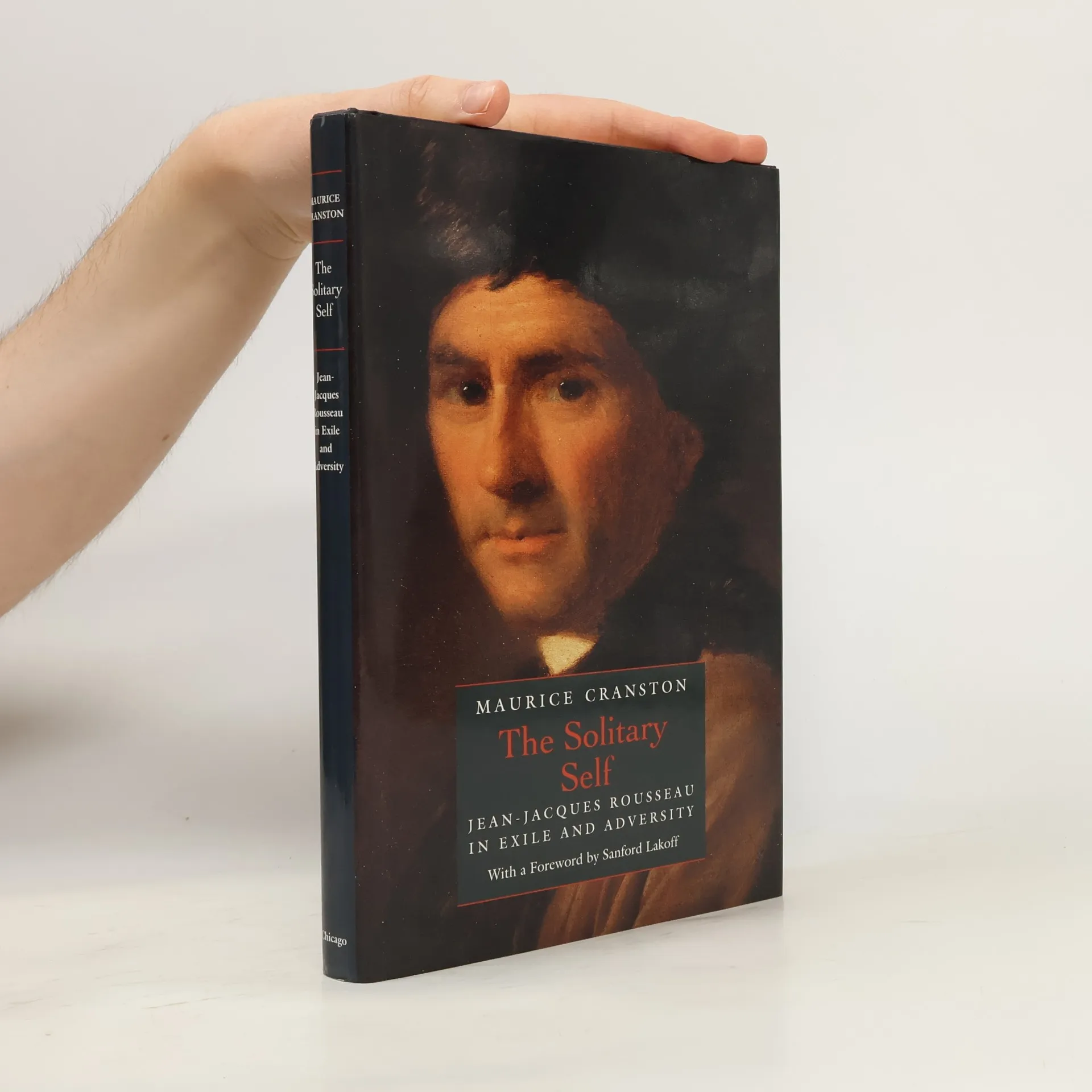
In this final volume of a masterful biography, Maurice Cranston explores the tumultuous last years of Jean-Jacques Rousseau's life. It covers his significant works, including the Confessions, Dialogues, and Reveries, as well as his controversial religious beliefs and his infamous dispute with David Hume in England. Following the condemnation of Émile and The Social Contract in 1762, Rousseau fled Paris, seeking refuge in Neuchâtel and England, becoming a social outcast plagued by feelings of persecution. In his despair, he turned to autobiographical writing to express his innocence and integrity. This period of introspection led to some of the most enduring literature of his time. Cranston's portrayal is both sympathetic and balanced, detailing Rousseau's struggles with a blend of compassion and dry humor. The work is praised for its rich historical context within Europe's ancien regime, offering readers a comprehensive view of Rousseau's life and the societal pressures he faced. This biography is celebrated for its scholarship, capturing the daily life of Rousseau and establishing itself as the authoritative account of his legacy.
Maurice William Cranston Book order (chronological)
Maurice Cranston was a distinguished British thinker whose work explored the multifaceted history of liberty and political theory. Primarily recognized as a biographer and intellectual historian, he delved into the lives and ideas of pivotal figures, offering lucid analyses of complex concepts. Cranston's writings are notable for their accessible approach to profound subjects, making challenging philosophical and political themes understandable to a broad readership. His engagement extended to popular publications and broadcast scripts, cementing his role as a significant public intellectual.
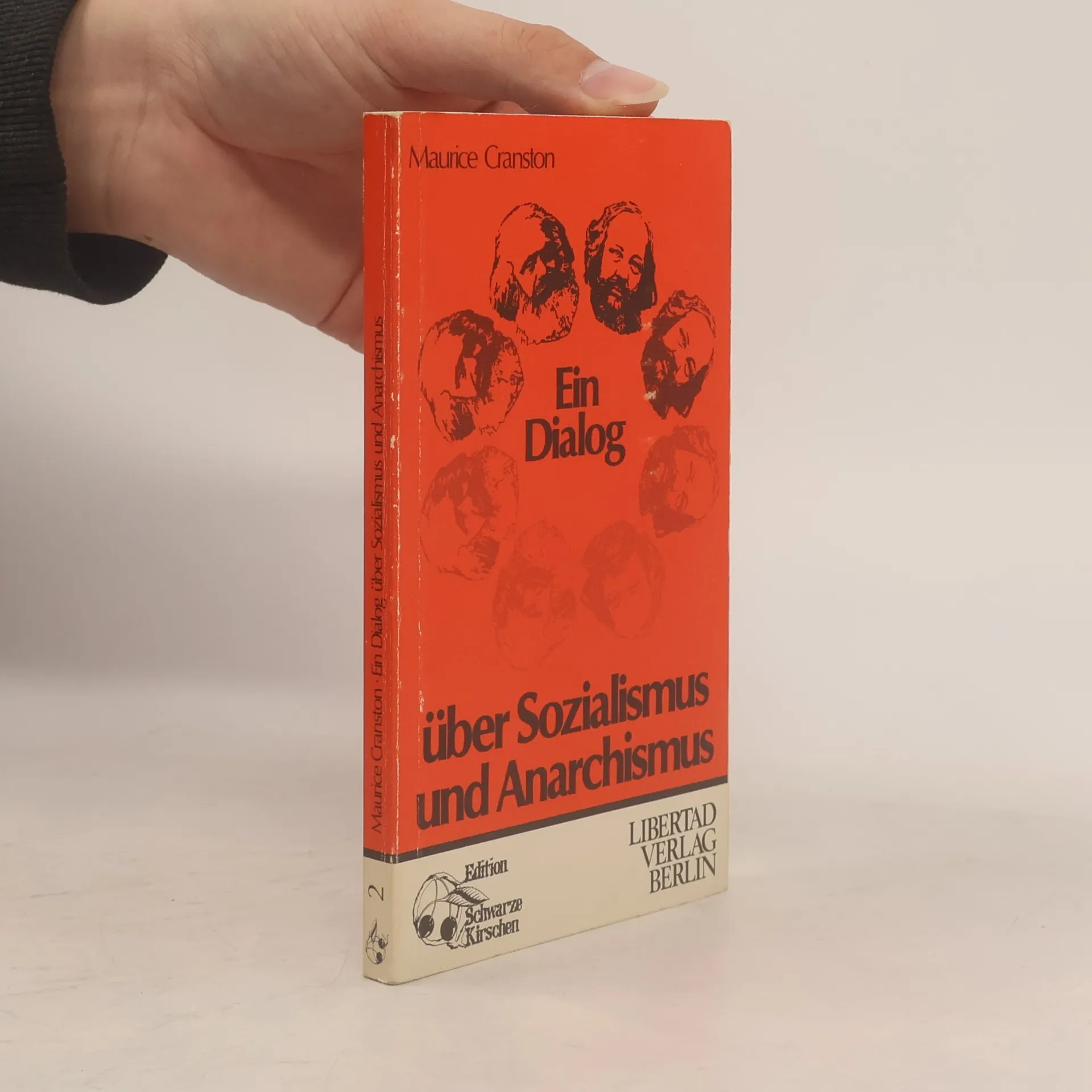
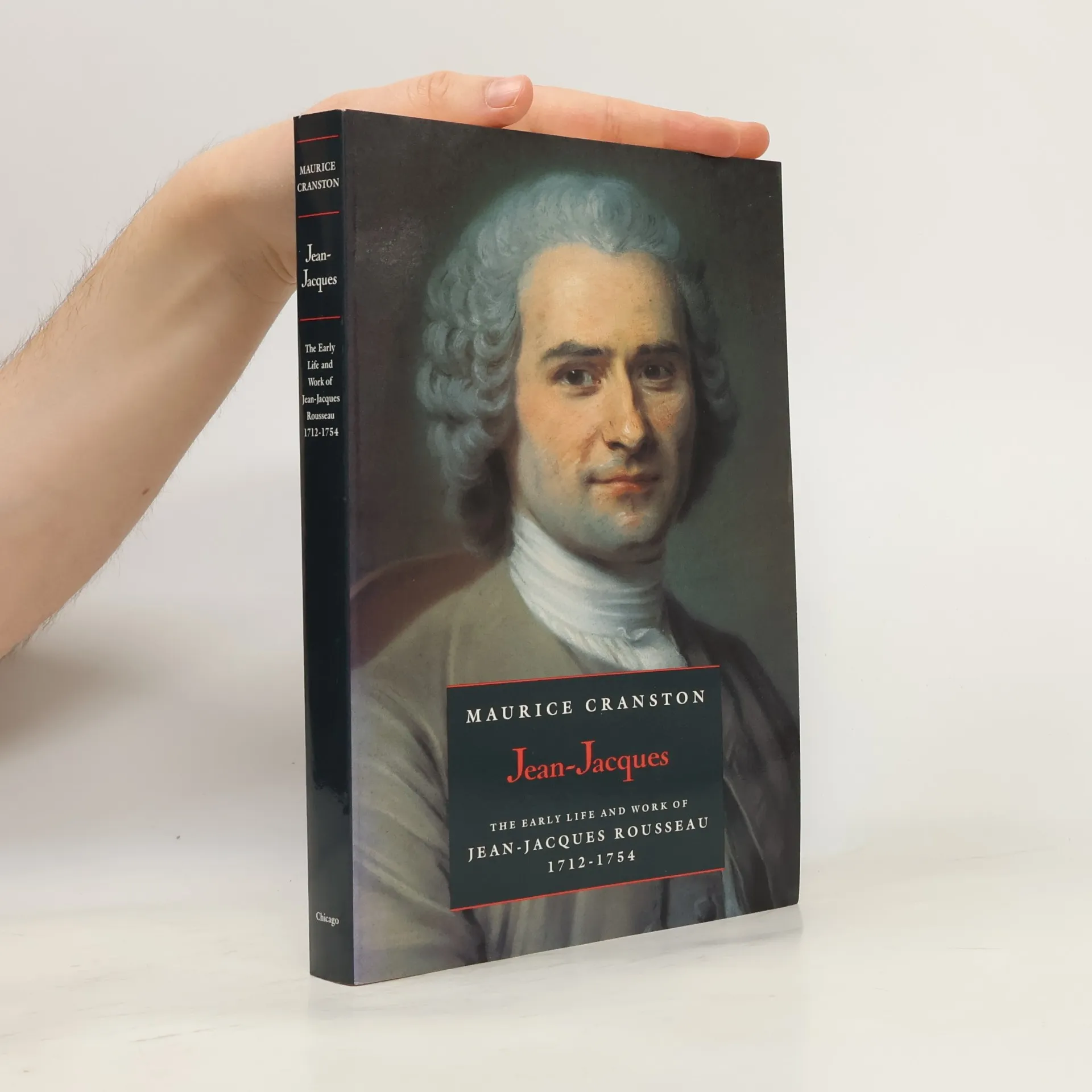
In the first volume of his trilogy, political philosopher Maurice Cranston utilizes original manuscript sources to chronicle Rousseau's life, from his humble beginnings in Geneva to his emergence as a renowned writer and composer by 1754. This biography is praised for its meticulous, calm, and reasonable approach, contrasting with Rousseau's passionate and tumultuous nature. Critics have described it as the definitive biography, combining scholarly rigor with engaging storytelling. Cranston's insights into Rousseau's early life are presented with a freshness that captivates readers, enriching their understanding of both the physical and intellectual landscapes of his formative years. The narrative is crafted with such poise that it renders Rousseau's early experiences as compelling as a picaresque novel, showcasing Cranston's fidelity to Rousseau's ideas and lived experiences. This work is considered a hallmark of Cranston's distinguished career, reflecting his expertise as a scholar and biographer. Maurice Cranston (1920-1993), a notable figure in political science, was a professor at the London School of Economics and received the James Tait Black Memorial Prize for his biography of John Locke, among other notable works.
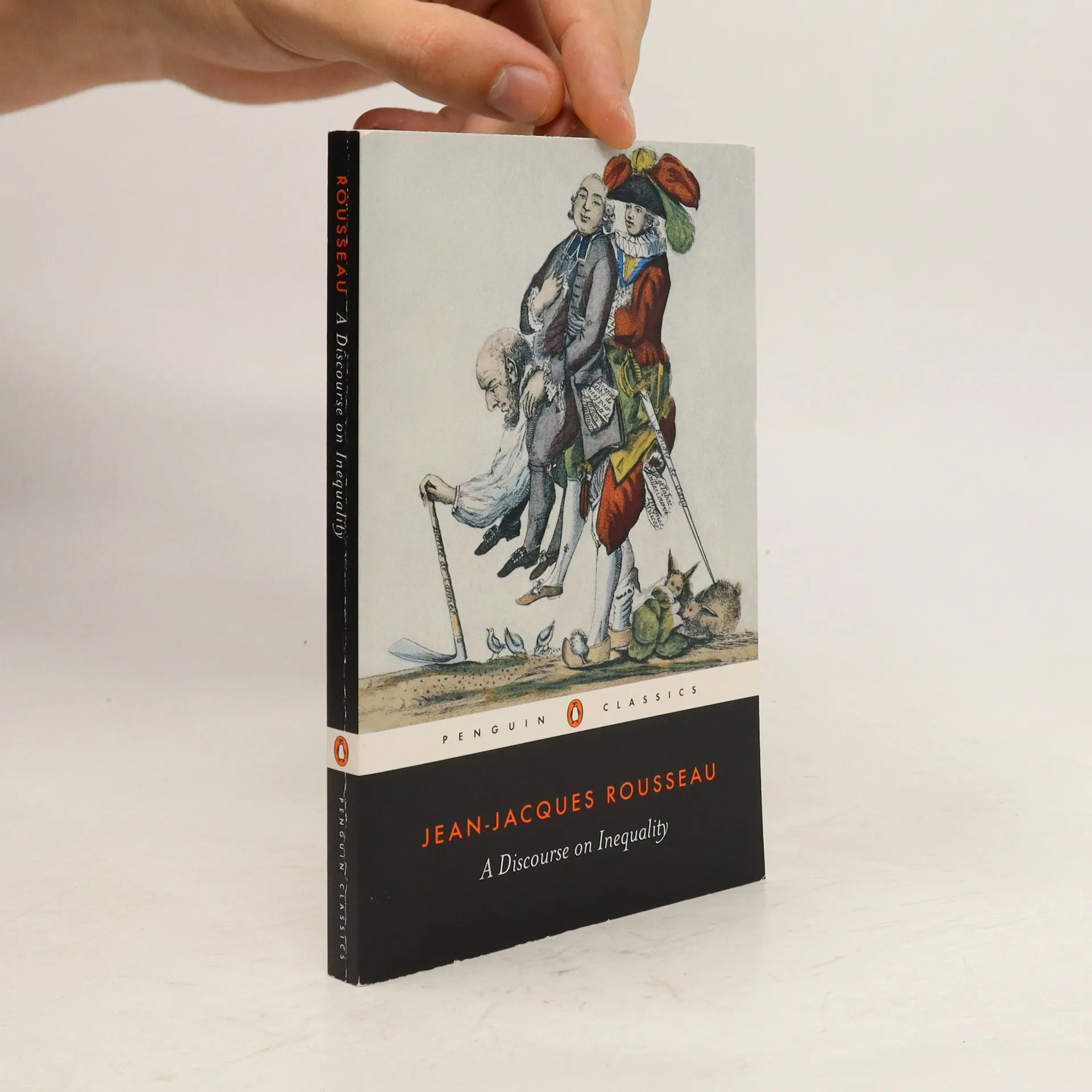
In A Discourse on Inequality, Rousseau sets out to demonstrate how the growth of civilization corrupts man’s natural happiness and freedom by creating artificial inequalities of wealth, power and social privilege. Contending that primitive man was equal to his fellows, Rousseau believed that as societies become more sophisticated, the strongest and most intelligent members of the community gain an unnatural advantage over their weaker brethren, and that constitutions set up to rectify these imbalances through peace and justice in fact do nothing but perpetuate them. Rousseau’s political and social arguments in the Discourse were a hugely influential denunciation of the social conditions of his time and one of the most revolutionary documents of the eighteenth-century. For more than seventy years, Penguin has been the leading publisher of classic literature in the English-speaking world. With more than 1,700 titles, Penguin Classics represents a global bookshelf of the best works throughout history and across genres and disciplines. Readers trust the series to provide authoritative texts enhanced by introductions and notes by distinguished scholars and contemporary authors, as well as up-to-date translations by award-winning translators.