Sturdy board book with flaps about choosing clothes during each season!
Pauline Oud Books

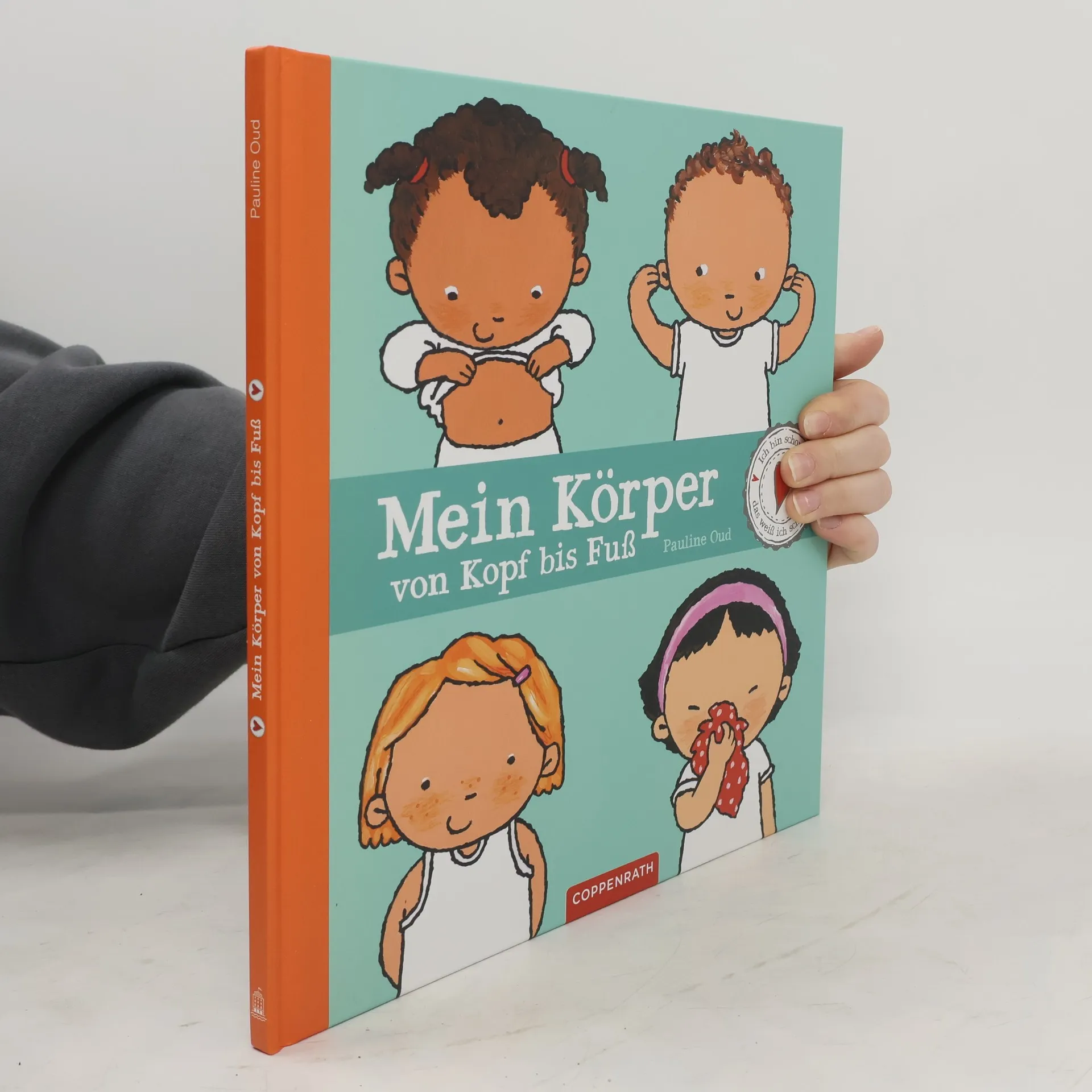
Hannas Bauch knurrt. Maries Füße passen nicht mehr in ihre Schuhe. Und Lukas flitzt schnell zur Toilette. Der eigene Körper gibt Kindern viele Rätsel auf: Warum muss ich essen und trinken? Was passiert, wenn ich mal krank bin? Und wie heißen all die Körperteile, Knochen und Organe? Kindergartenkinder haben viele Fragen zu ihrem Körper, ihren Gefühlen oder ihrer Rolle innerhalb der Familie. Unsere „Ich bin schon groß, das weiß ich schon“-Bilderbücher bieten mit kurzen Alltagsszenen und kindgerechten Erklärungen dafür eine gute Gesprächsgrundlage: alltagsnah und ungezwungen.
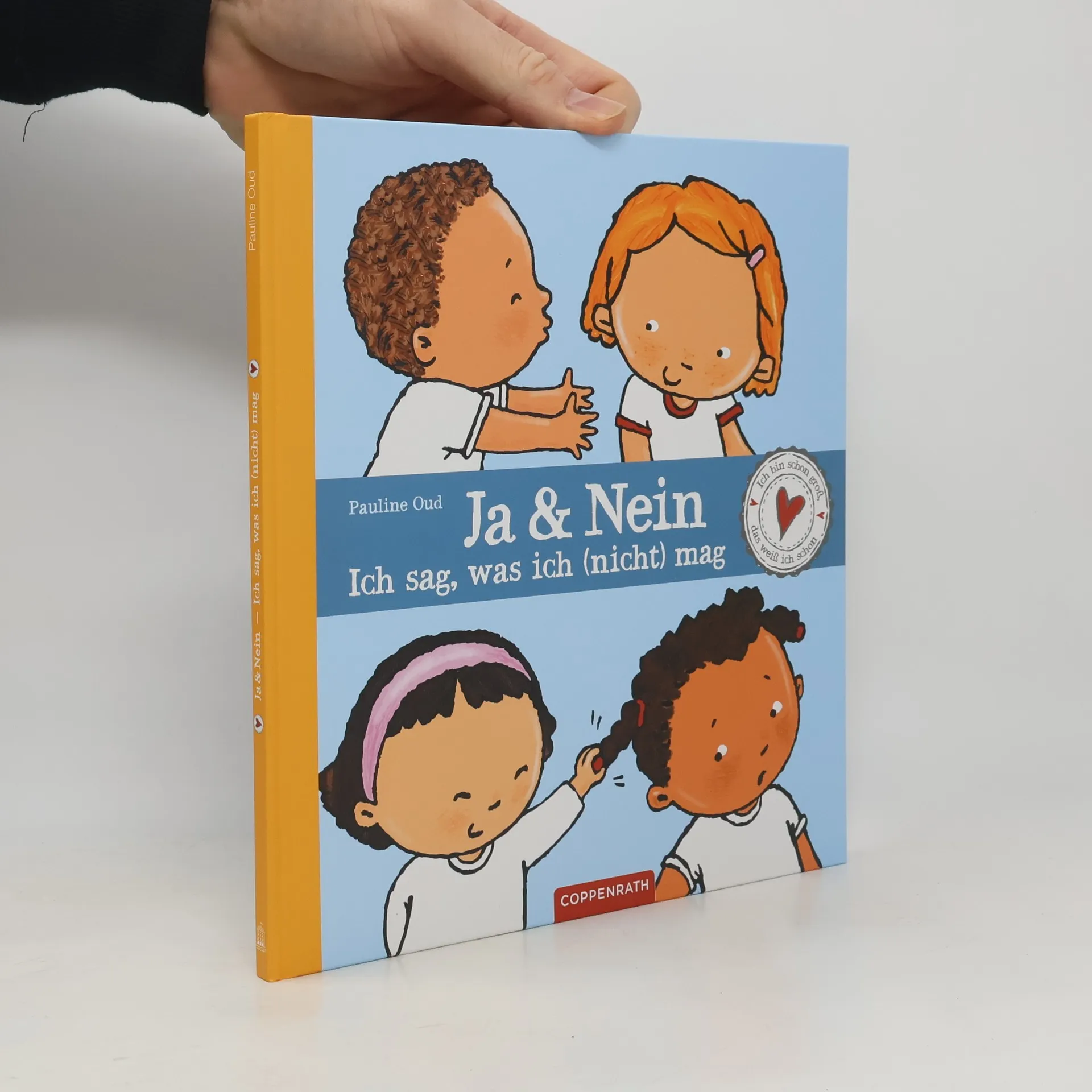
Ja & Nein - ich sag, was ich (nicht) mag
Ich bin schon groß, ich weiß das schon!
- 40 pages
- 2 hours of reading
Ja und Nein sind zwei sehr wichtige Wörter. Mit ihnen kann man andere an sich heranlassen oder auf Abstand halten. Die eigenen Grenzen kennenzulernen und deutlich zu machen, ist genauso wichtig wie die Grenzen der anderen zu erkennen und zu respektieren. Denn das schafft Klarheit und damit Sicherheit. Kurze Alltagsszenen und kindgerechte Erklärungen unterstützen die Kinder bei ihrer sozialen und emotionalen Entwicklung.
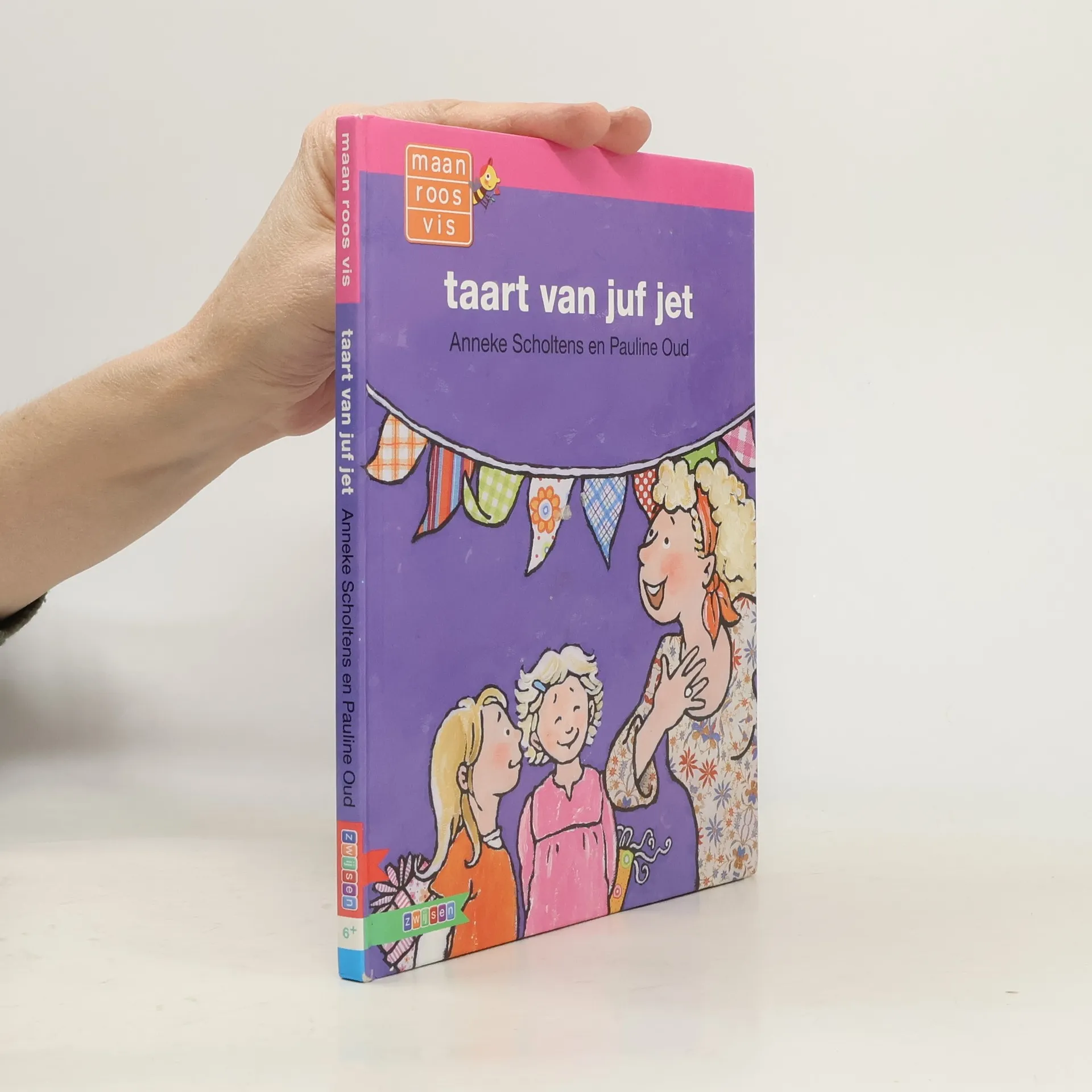
Maan Roos Vis: Taart van juf Jet
- 27 pages
- 1 hour of reading
Juf Jet is jarig. Lot bakt koek met Loes. Maar mees Kaas doet raar. AVI-M3. Vanaf ca. 6 jaar.
Ein Baby wird geboren
- 40 pages
- 2 hours of reading
Heute geht Hanna zur Augenärztin. Die macht ein paar Tests, untersucht Hanna und findet heraus, dass ihre Augen ein bisschen Hilfe brauchen. Beim Optiker darf Hanna sich selbst eine Brille aussuchen. Sie findet ihre neue rote Brille richtig klasse, denn plötzlich klappt es auch wieder mit dem Perlenauffädeln. Und die winzigen Punkte auf dem Marienkäfer kann sie nun auch richtig gut erkennen! Eine alltagsnahe und ermutigende Sachgeschichte erklärt in kindgerechter Sprache, wie es ist, wenn ein Kind eine Brille bekommt.
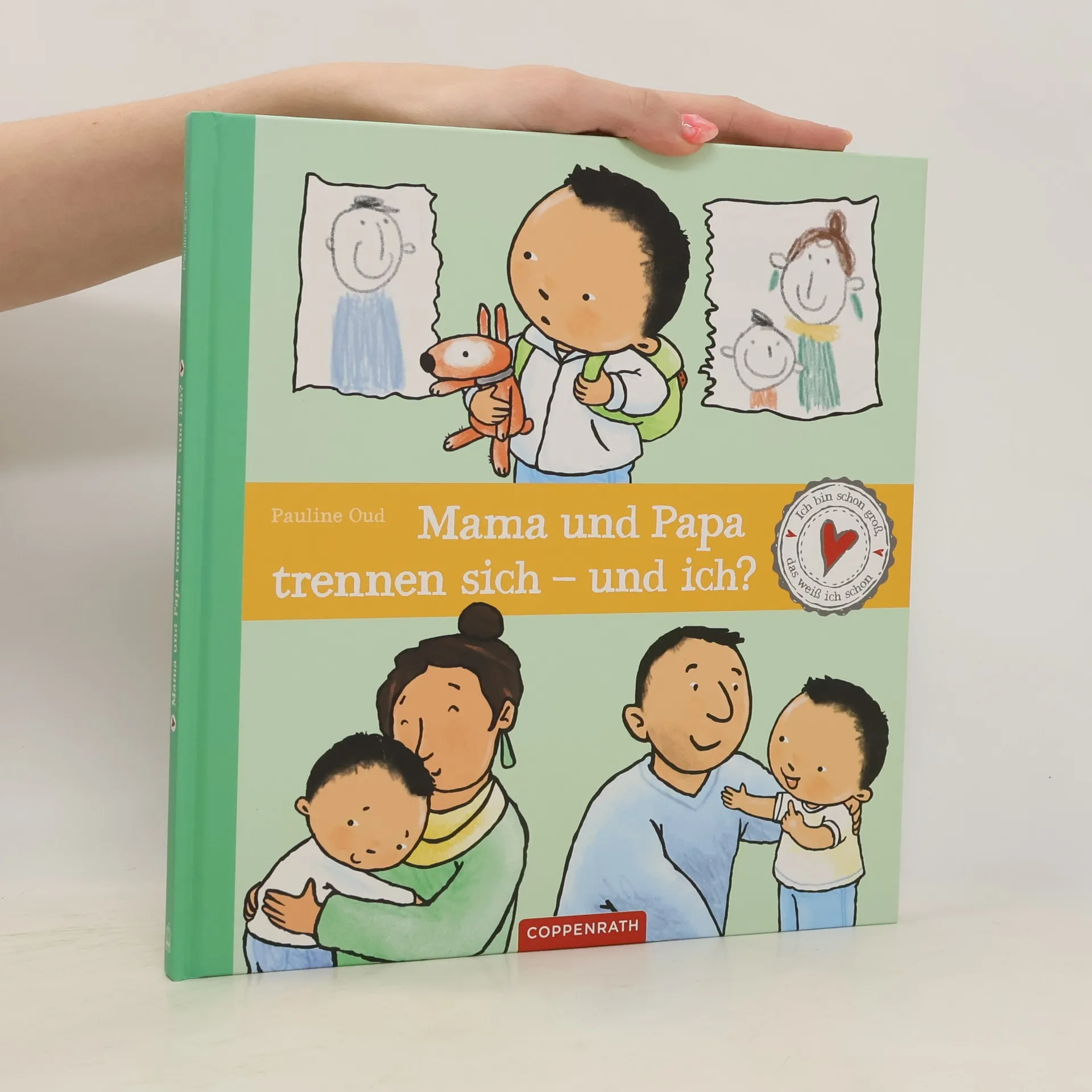
Mama und Papa trennen sich - und ich?
Ich bin schon groß, ich weiß das schon!
- 40 pages
- 2 hours of reading
Manchmal hört die Liebe zwischen einer Mama und einem Papa auf. Manchmal gibt es zu viel Streit zwischen ihnen. Dann ist es besser, wenn sie nicht mehr zusammenwohnen. Kais Papa ist gerade zu Hause ausgezogen. Marie lebt immer ein paar Tage bei Papa und dann bei Mama. Und Aylin hat eine Stiefschwester. Wenn Eltern sich trennen, ändert sich viel. Was bleibt, ist die Liebe der Eltern zu ihrem Kind. Kurze Alltagsszenen und kindgerechte Erklärungen beantworten alle wichtigen Kinderfragen zum Thema Trennung oder Scheidung der Eltern. Kindergartenkinder haben viele Fragen zu ihrem Körper, ihren Gefühlen oder ihrer Rolle innerhalb der Familie. Unsere „Ich bin schon groß, das weiß ich schon"-Bilderbücher bieten dafür eine gute Gesprächsgrundlage: alltagsnah, ungezwungen, divers und klischeefrei. Von einer Kinder- und Jugendtherapeutin geprüft!
Schau mal, das ist meine Familie
- 40 pages
- 2 hours of reading
Hanna lebt mit Mama, Papa und ihrem kleinen Bruder Finn zusammen. Rafi und sein großer Bruder sind von ihren Eltern adoptiert worden. Lukas hat keine Geschwister, dafür aber zwei Mamas. Und Marie wohnt mit ihrer Schwester abwechselnd bei ihrer Mama und ihrem Papa. Ganz klar: Jede Familie ist anders! Kurze Alltagsszenen und kindgerechte Erklärungen beantworten alle wichtigen Kinderfragen zum Thema Familie. Dabei geht es nicht nur um die Familie aus Mama, Papa und Kind(ern), sondern auch um Regenbogen- und Patchworkfamilien, um alleinerziehende Mütter und Väter, um Pflege- und Adoptivfamilien. Kindergartenkinder haben viele Fragen zu ihrem Körper, ihren Gefühlen oder ihrer Rolle innerhalb der Familie. Unsere „Ich bin schon groß, das weiß ich schon“-Bilderbücher bieten dafür eine gute Gesprächsgrundlage: alltagsnah und ungezwungen. Diversität wird hier gezeigt und gelebt - ohne mahnenden Zeigefinger, sondern mit einer großen Selbstverständlichkeit.
Marie und Lukas können sich nicht einigen, wer mit dem Ball spielen darf. Rafi möchte immer alles bestimmen. Und Hanna ärgert sich über ein fremdes Mädchen auf dem Spielplatz. Sich abzuwechseln, Spielzeug zu teilen, Kompromisse zu schließen – was für Erwachsene selbstverständlich klingt, müssen junge Kinder erst noch lernen. Dieses Buch bietet die Möglichkeit, Kindern spielerisch und alltagsnah soziale Werte zu vermitteln und damit die beste Basis für Freundschaften zu schaffen. Kindergartenkinder haben viele Fragen zu ihrem Körper, ihren Gefühlen oder ihrer Rolle innerhalb der Familie oder anderen Gruppen. Unsere „Ich bin schon groß, das weiß ich schon“-Bilderbücher bieten dafür eine gute Gesprächsgrundlage: alltagsnah und ungezwungen.
Traurig, wütend, froh - fühlst du dich so?
Ich bin schon groß, das weiß ich schon!
- 40 pages
- 2 hours of reading
Marie ist stolz, weil sie jetzt ohne Hilfe Rad fahren kann. Tom hat Angst, weil er Papa im Supermarkt nicht wiederfindet. Und Hanna ist wütend, weil Marie ihren Drachen kaputt gemacht hat. Gefühle erkennen und damit umgehen, sowohl bei mir selbst als auch bei anderen – darum geht es in diesem Buch. Kurze Alltagsszenen und kindgerechte Erklärungen beantworten viele Fragen rund um ein wichtiges Thema. Kindergartenkinder haben viele Fragen zu ihrem Körper, ihren Gefühlen oder ihrer Rolle innerhalb der Familie. Unsere „Ich bin schon groß, das weiß ich schon“-Bilderbücher bieten dafür eine gute Gesprächsgrundlage: alltagsnah und ungezwungen.
Feest met Fien en Milo (holandština)
- 32 pages
- 2 hours of reading
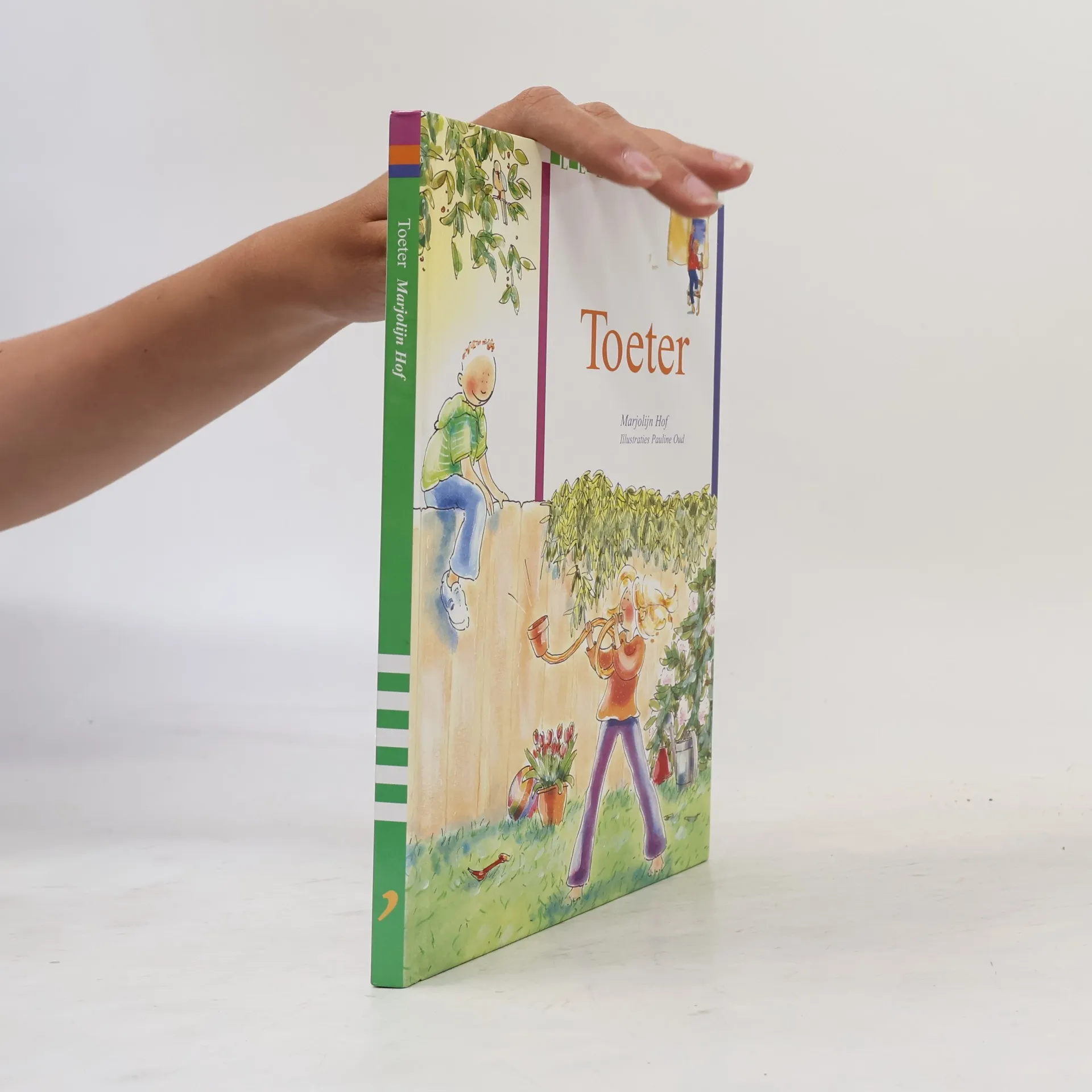
Leesladder: Toeter
- 63 pages
- 3 hours of reading
Mira verzint een oerwoudtoeter. Als de juf de toeter wil zien, moet Mira aan de slag. Vanaf ca. 7 jaar.
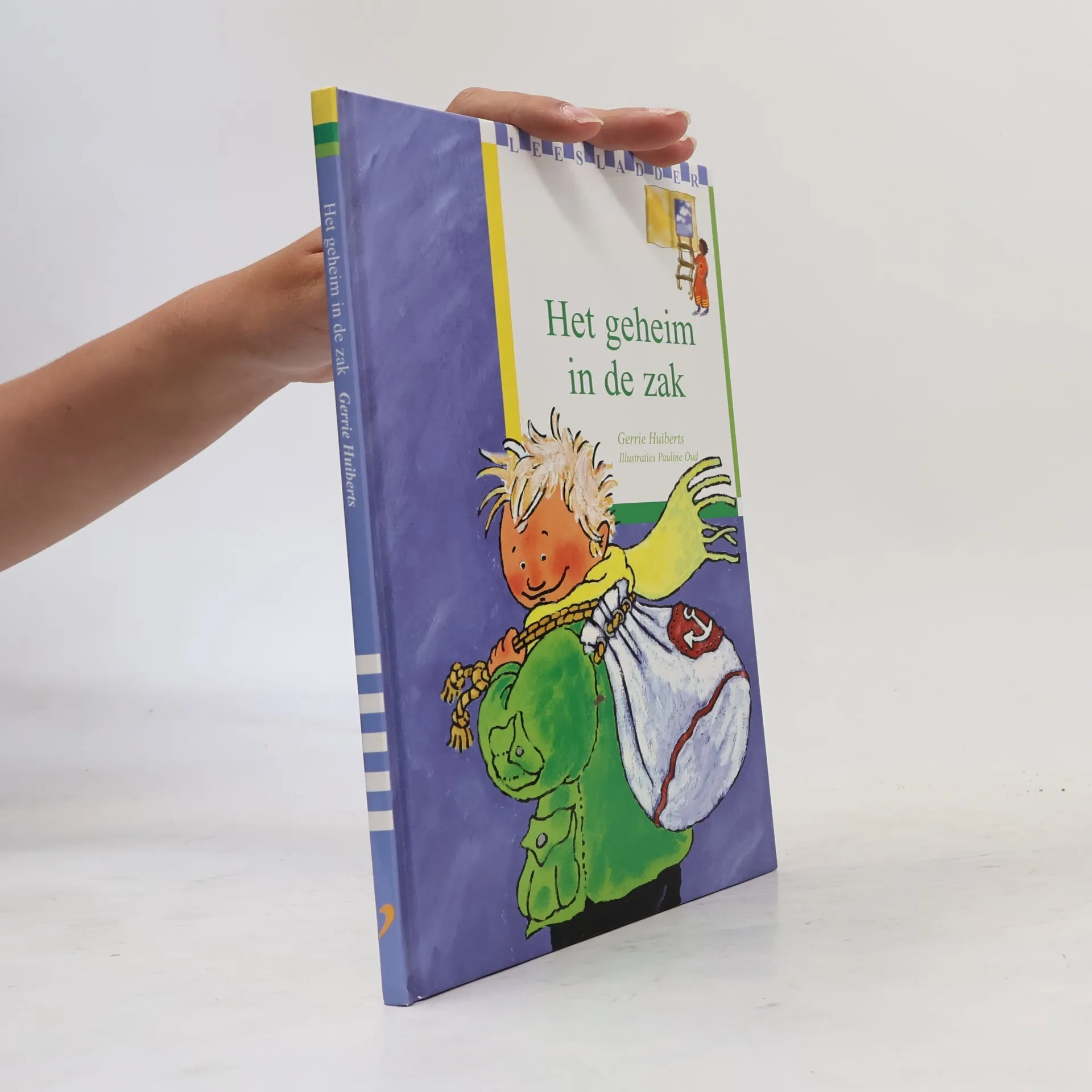
Het geheim in de zak
- 36 pages
- 2 hours of reading
Ron durft niet op kamp zonder mama of papa; mama helpt Ron. Vanaf ca. 6 jaar.
Mein Enkelkind. Erinnerungsalbum für Großeltern in wunderschöner Ausstattung - Das perfekte Geschenkbuch zur Geburt der Enkel
Erinnerungsalbum
- 128 pages
- 5 hours of reading
Dieses Album ermöglicht es dir, besondere Momente und Meilensteine im Leben deines Enkelkindes festzuhalten, von der Schwangerschaft bis zur Kleinkindzeit. Es bietet auch Platz für deine eigenen Kindheitserinnerungen, sodass dein Enkelkind ein wertvolles Buch voller persönlicher Geschichten erhält.
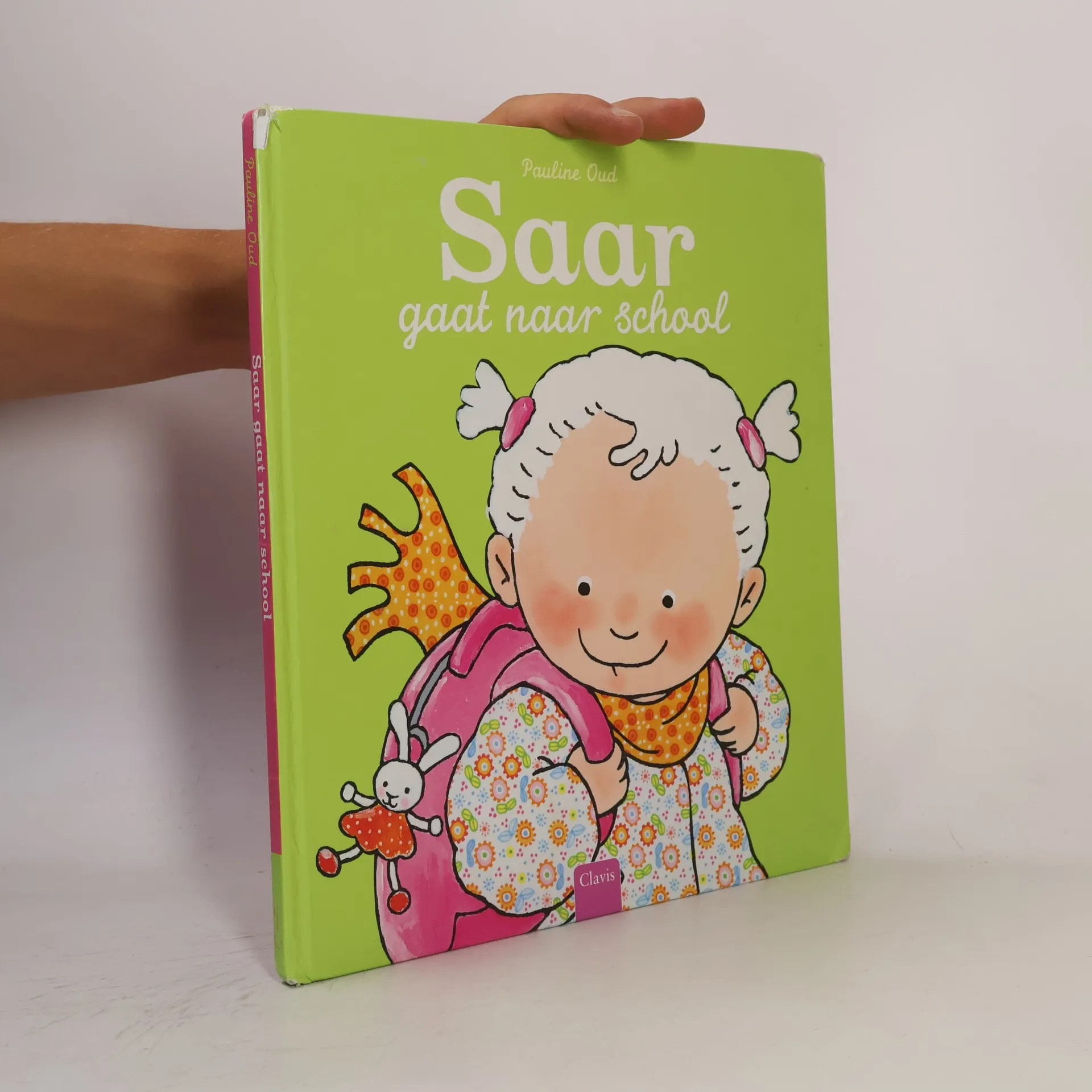
Saar gaat naar school
- 26 pages
- 1 hour of reading
Er is een nieuw kindje bij Saar op school, en zijn naam is Kas. Saar helpt Kas vandaag een beetje. Ze laat hem zien waar de blokkenhoek is, waar de wc is, welk plaatje hij kan kiezen, wat ze buiten op het speelplein spelen... Het wordt weer een leuke dag op school, met een nieuw vriendje! In dit vrolijke prentenboek leert een meisje haar dagelijkse gewoontes op school te delen en vriendschap te sluiten.
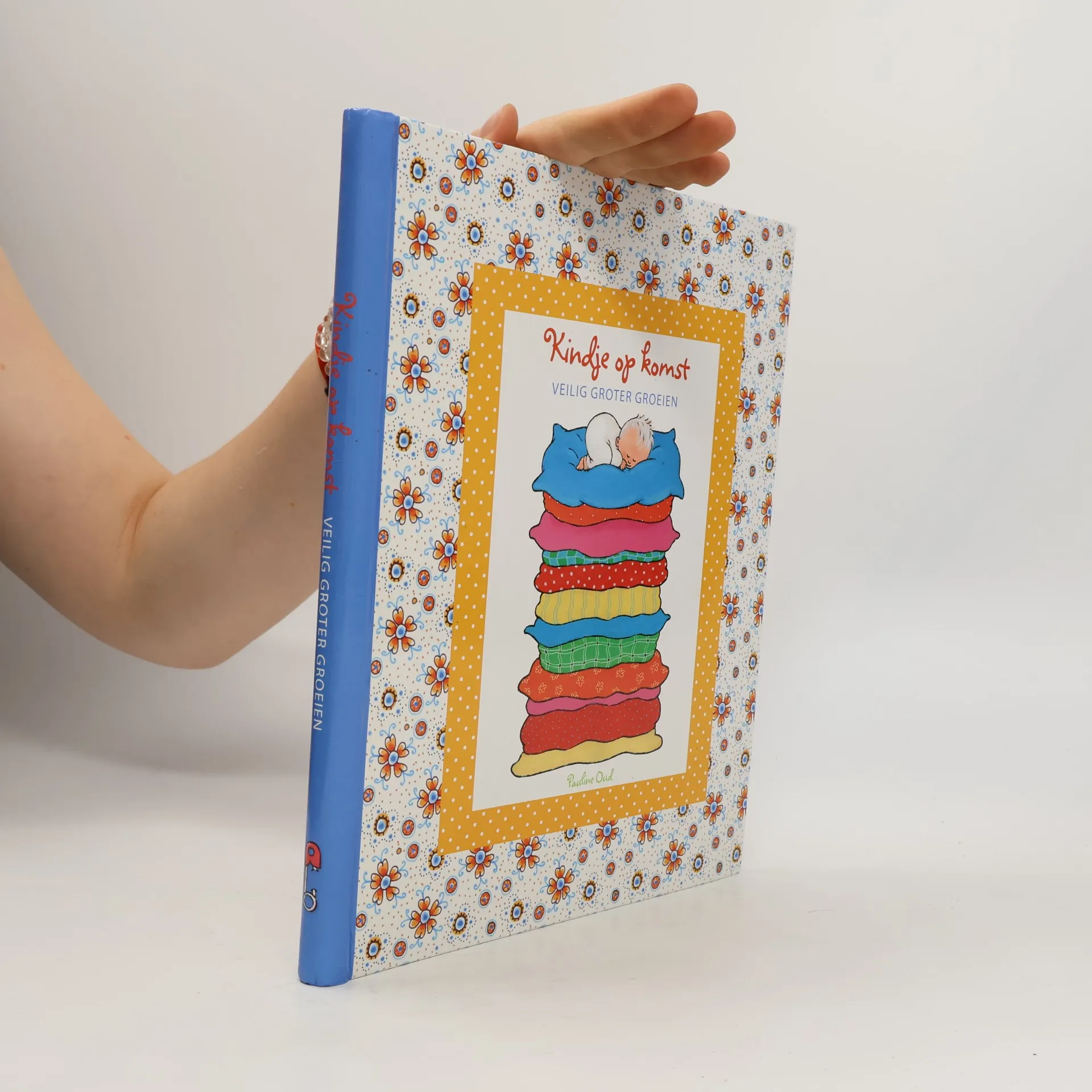
Kindje op komst
Veilig groter groeien
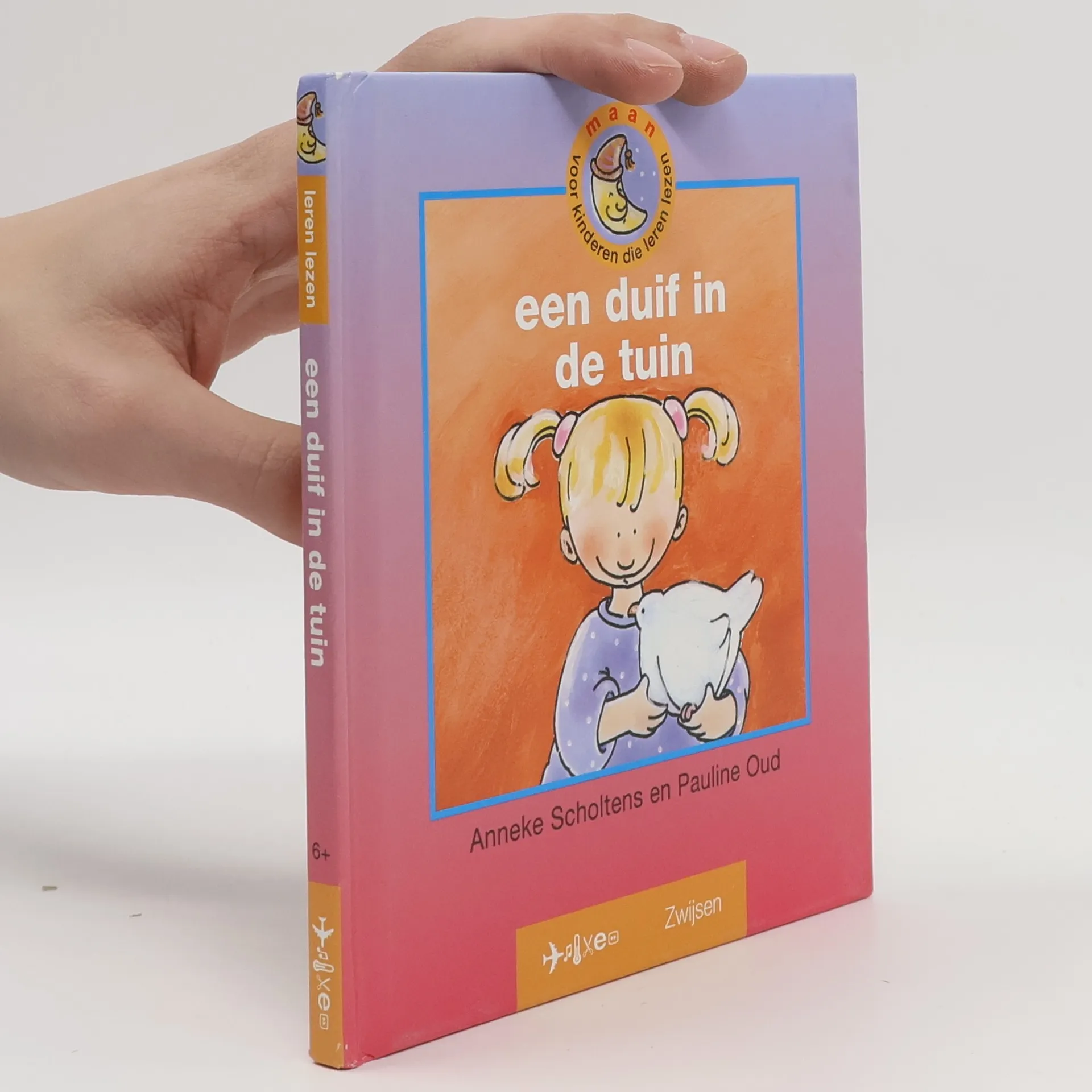
Maan voor kinderen die leren lezen - 5: Een duif in de tuin / druk 1
- 20 pages
- 1 hour of reading
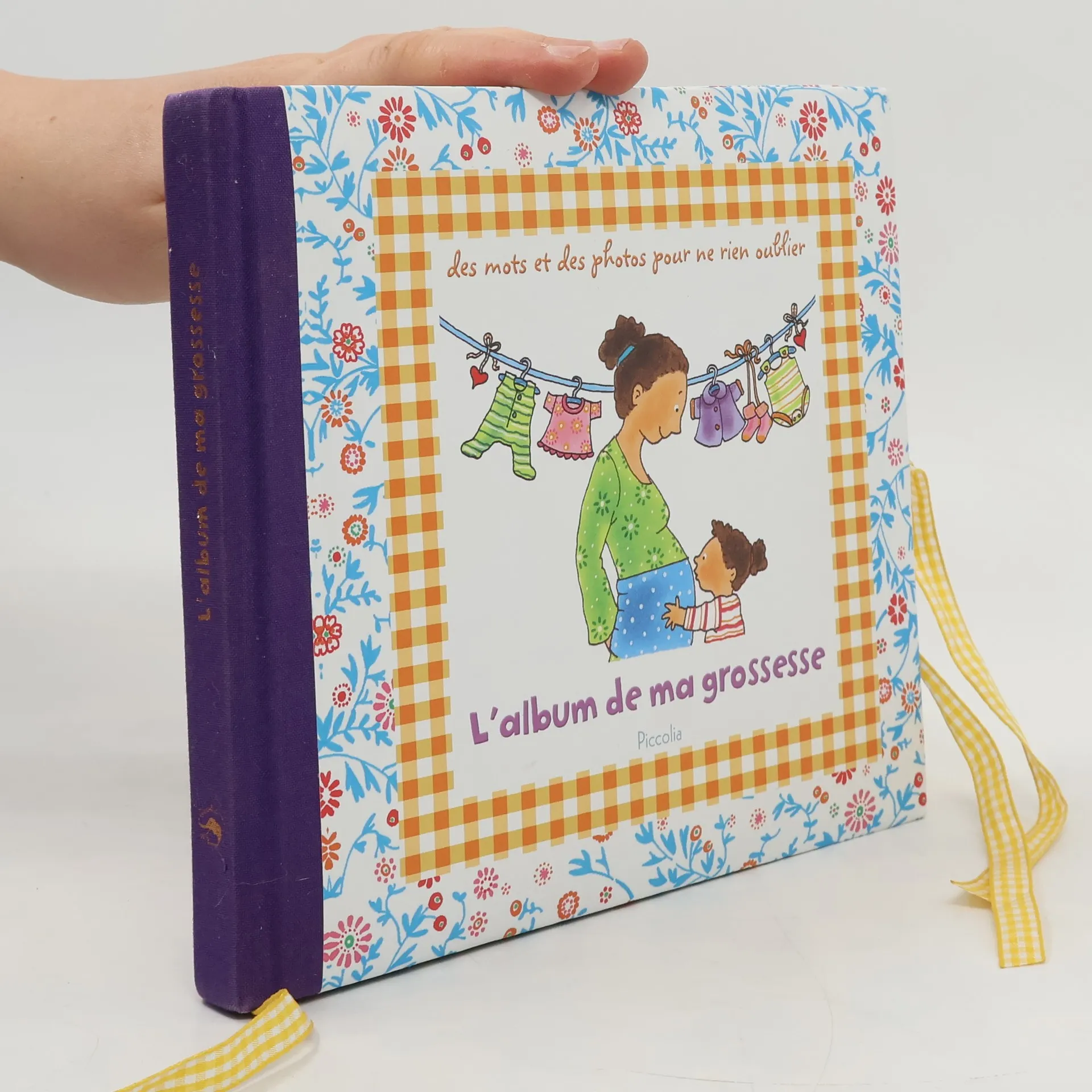
L'album de ma grossesse
- 100 pages
- 4 hours of reading
Un album à. compléter pour conserver les moments forts de votre grossesse. Les souvenirs et les anecdotes seront notés jour après jour et des photos illustreront chaque étape de l'aventure. Un. album précieux pour garder en mémoire ces neuf mois inoubliables !
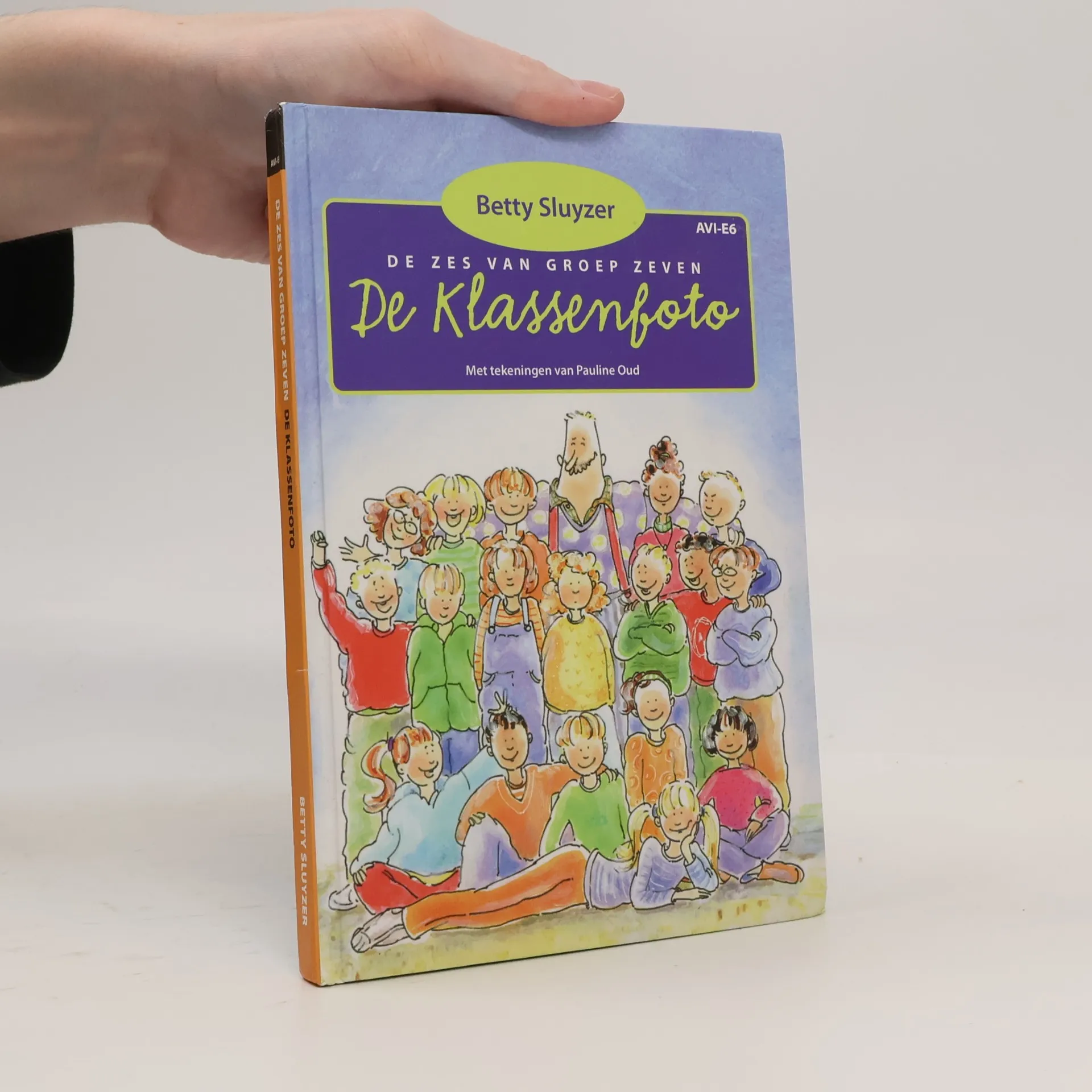
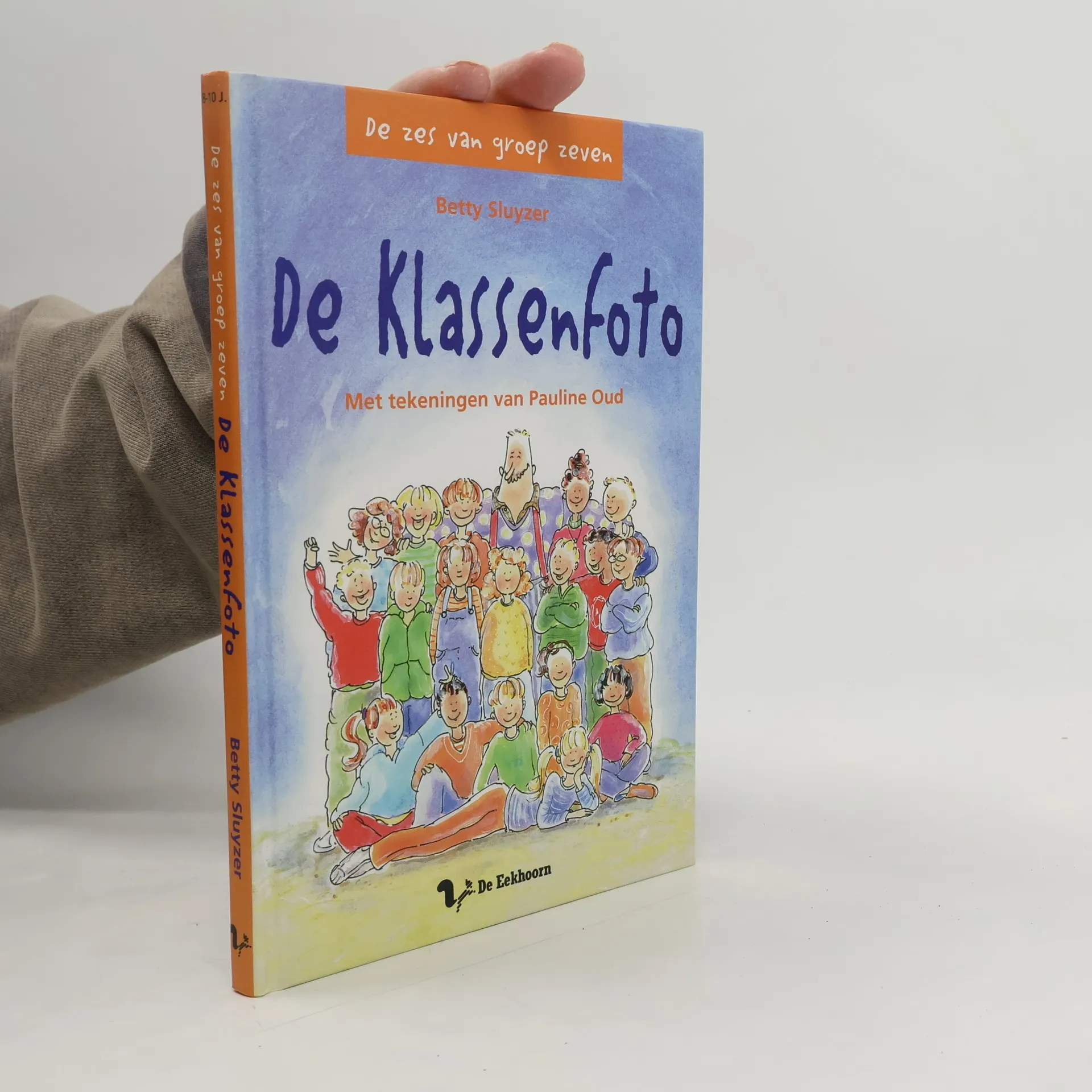
De zes van groep zeven: De klassenfoto
Met tekeningen van Pauline Oud - 8-10 J.
- 84 pages
- 3 hours of reading
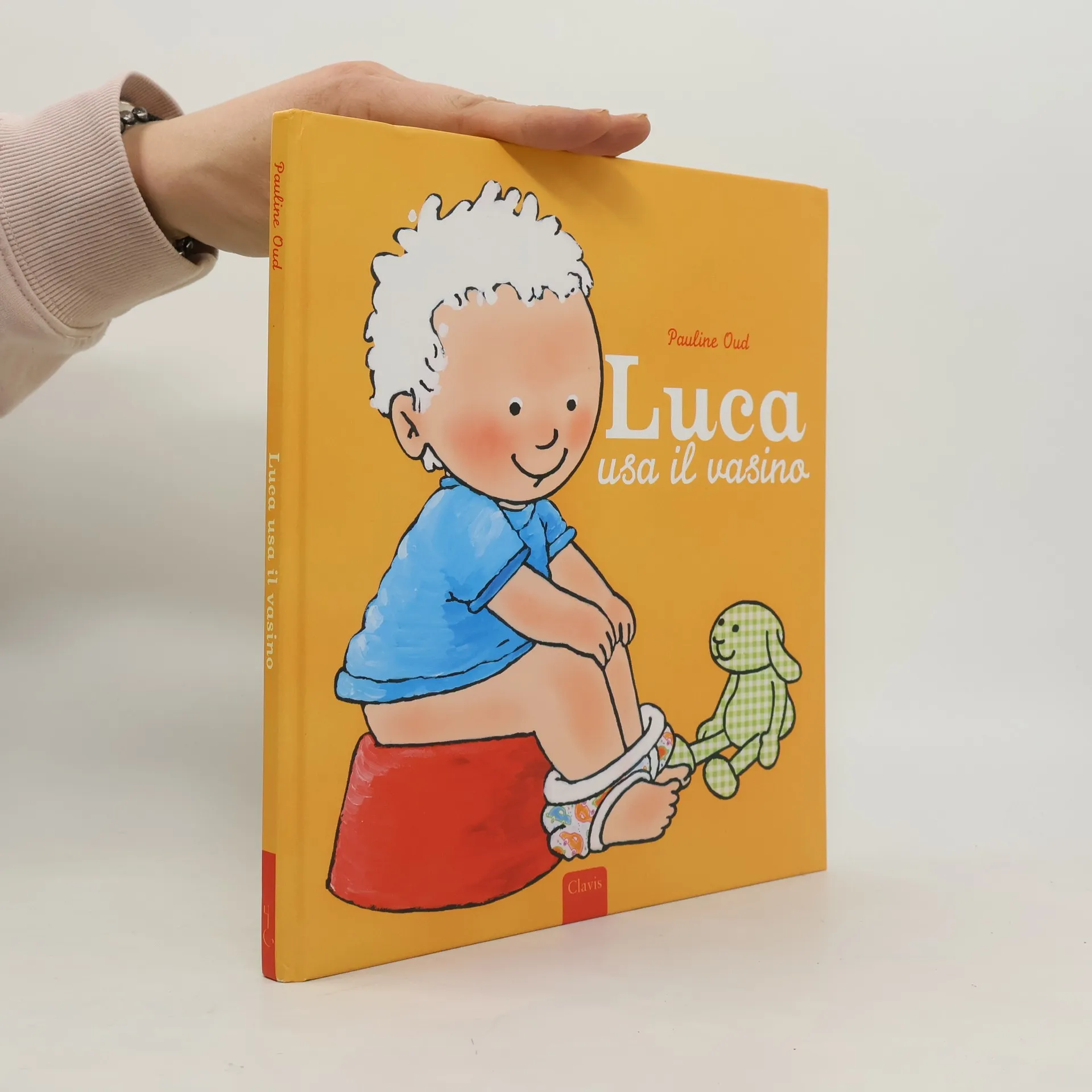
Luca usa il vasino
- 28 pages
- 1 hour of reading
“Guarda, Luca!” dice la mamma, “Ti ho comprato un paio di mutandine ‘da grande’. E anche questo! Sai che cos’è?” Luca guarda lo strano recipiente rosso in mano alla mamma. “Sì! Ho capito!” esclama Luca. “È un vasino!” Oggi Luca indossa le mutandine ‘da grande’ e impara a fare la pipì nel vasino. All’inizio non è facile, ma poi Luca riesce a riconoscere lo strano solletico nel pancino... e corre in bagno dove lo aspetta il suo nuovo vasino rosso!Un delizioso libro, con calde illustrazioni, per aiutare il bambino nel passaggio, non sempre facile, dal pannolino al vasino. Dai 30 mesi
Tijn in de winkel
- 20 pages
- 1 hour of reading
Tijn gaat met zijn moeder boodschappen doen in de supermarkt. Prentenboek met vrolijk gekleurde illustraties. Vanaf ca. 1,5 jaar.