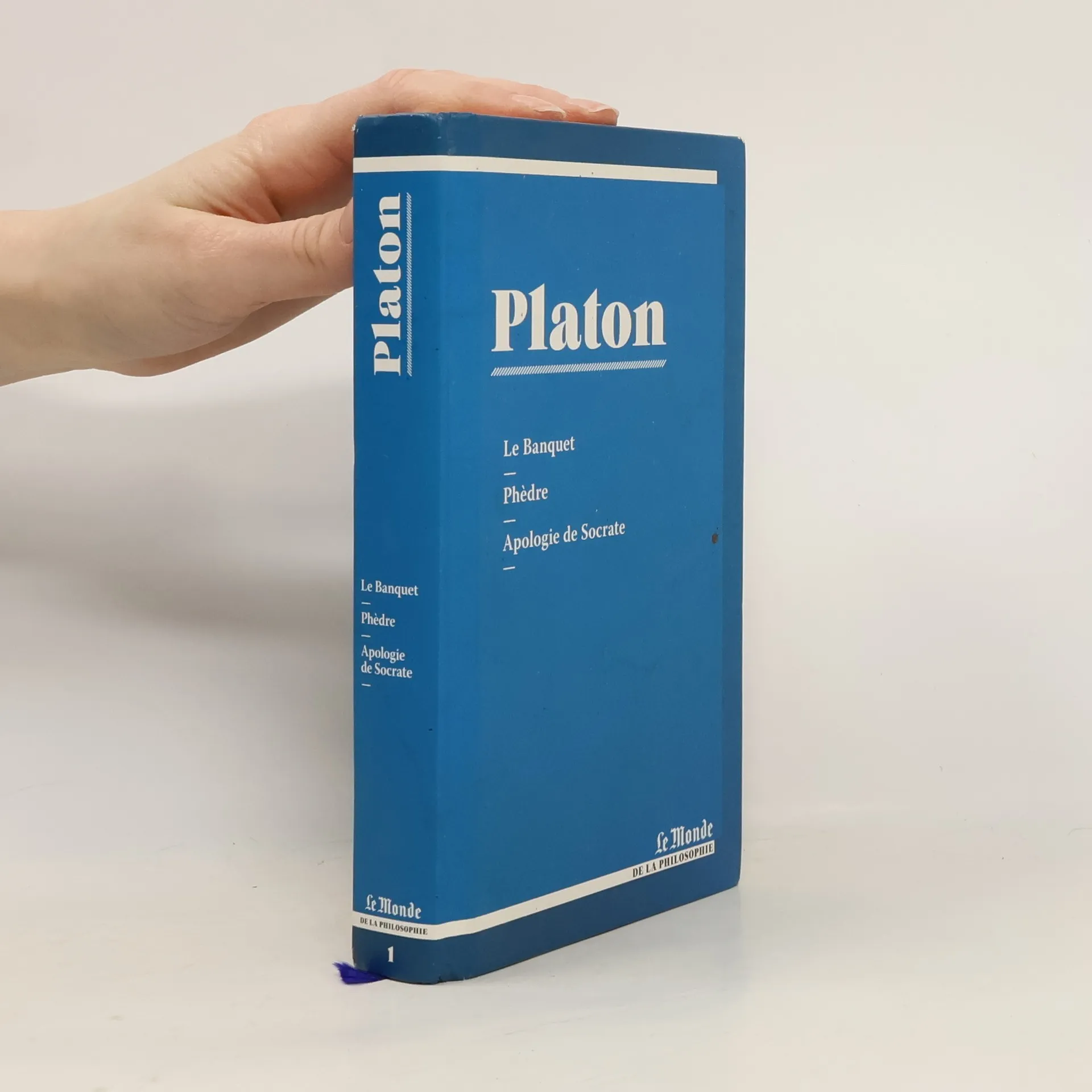
Le Monde de la Philosophie - 1: Le Banquet / Phèdre / Apologie de Socrate
- 522 pages
- 19 hours of reading



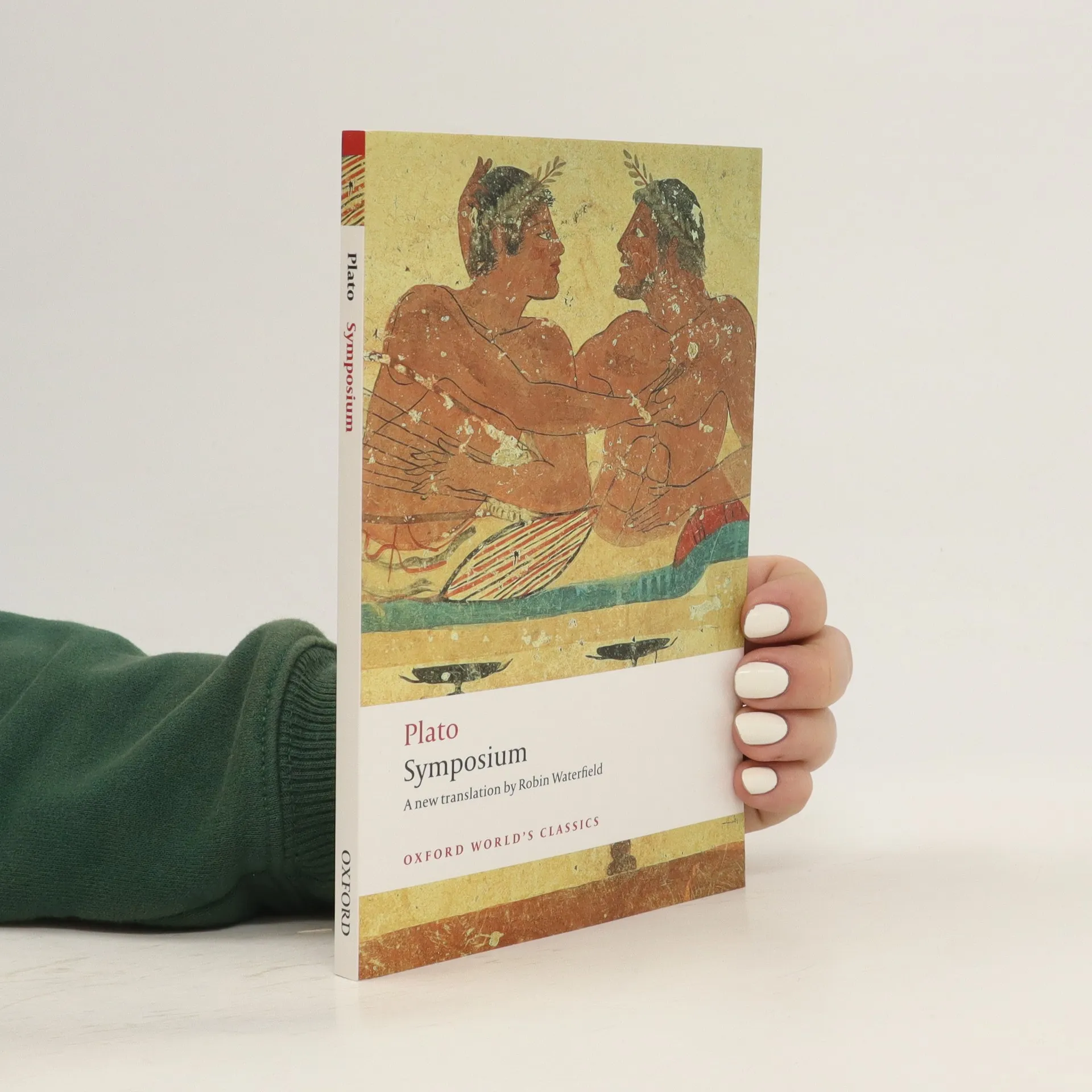
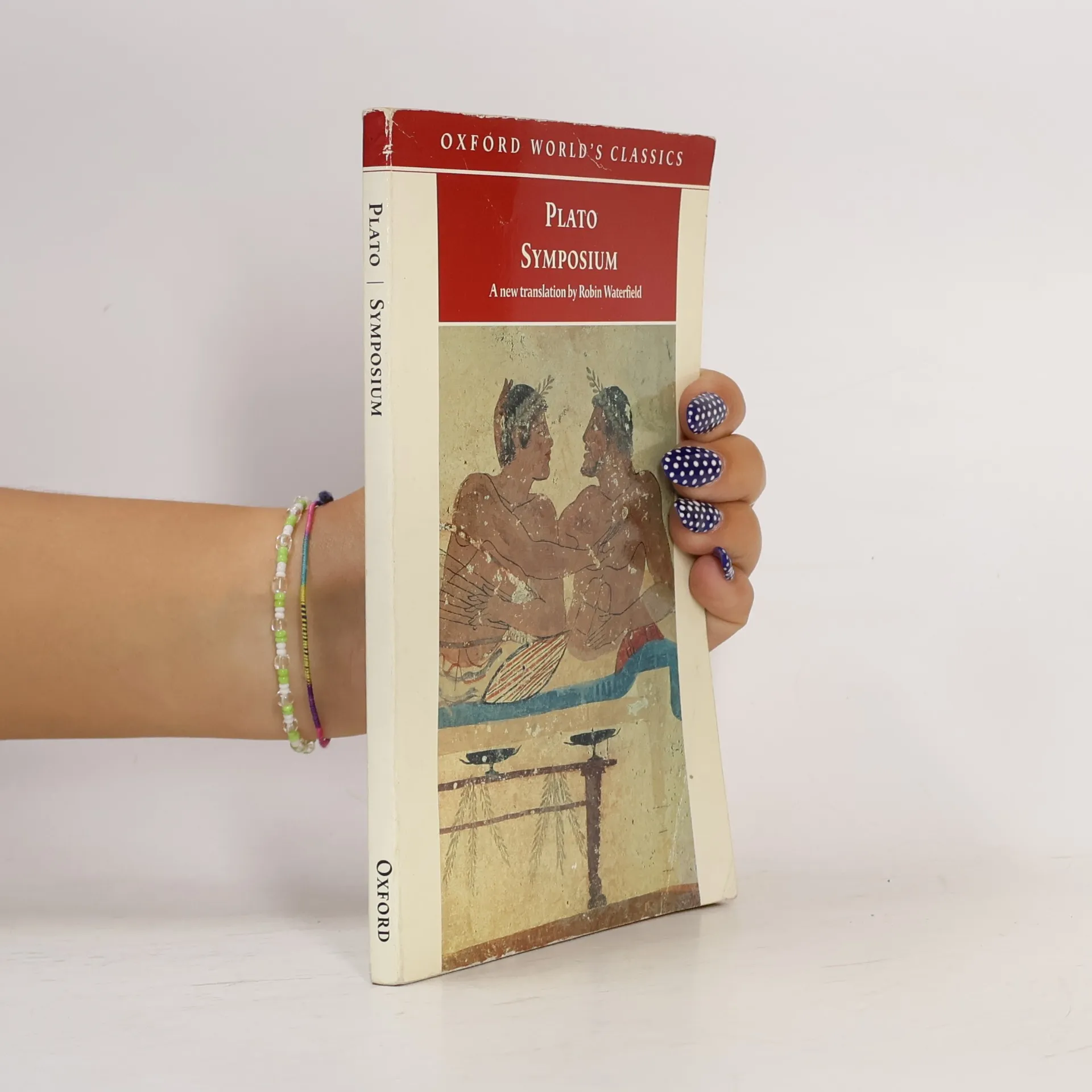
In his celebrated masterpiece, Symposium, Plato imagines a high-society dinner-party in Athens in 416 BC. The guests--including the comic poet Aristophanes and Plato's mentor Socrates--each deliver a short speech in praise of love. The sequence of dazzling speeches culminates in Socrates' famous account of the views of Diotima, a prophetess who taught him that love is our means of trying to attain goodness, and a brilliant sketch of Socrates himself by a drunken Alcibiades, the most popular and notorious Athenian of the time. Engaging the reader on every page, this new translation conveys the power, humor, and pathos of Plato's creation and is complemented by full explanatory notes and an illuminating introduction.
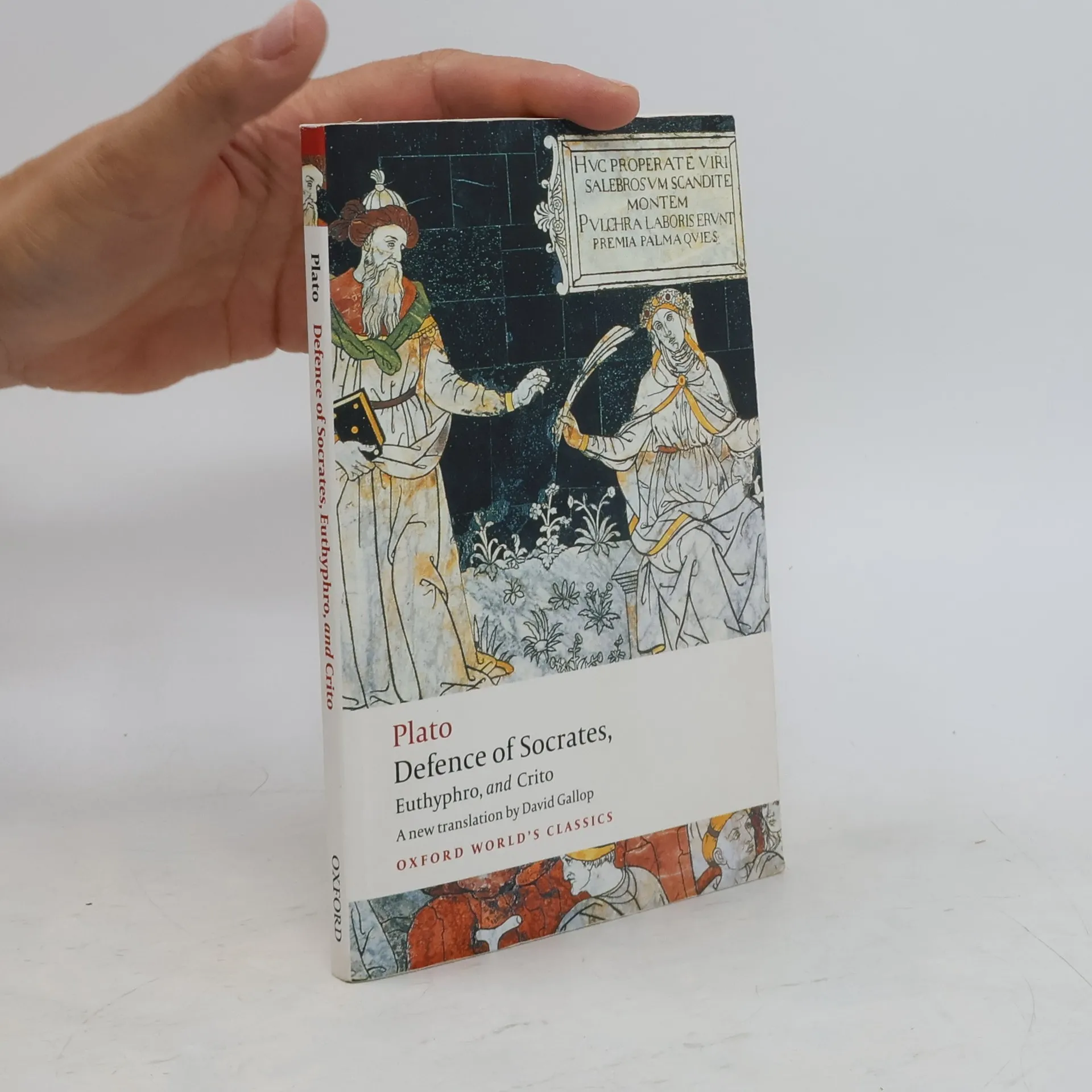
These new translations present Plato's remarkable dramatizations of the momentous events surrounding the trial of Socrates on charges of irreligion and corrupting the young.
In his celebrated masterpiece, Symposium, Plato imagines a high-society dinner-party in Athens in 416 BC at which the guests - including the comic poet Aristophanes and, of course, Plato's mentor Socrates - each deliver a short speech in praise of love. The sequence of dazzling speeches culminates in Socrates' famous account of the views of Diotima, a prophetess who taught him that love is our means of trying to attain goodness. And then into the party bursts the drunken Alcibiades, the most popular and notorious Athenian of the time, who insists on praising Socrates himself rather than love, and gives us a brilliant sketch of this enigmatic character. The power, humour, and pathos of Plato's creation engages the reader on every page. This new translation is complemented by full explanatory notes and an illuminating introduction.
A Guide to Classical Knowledge
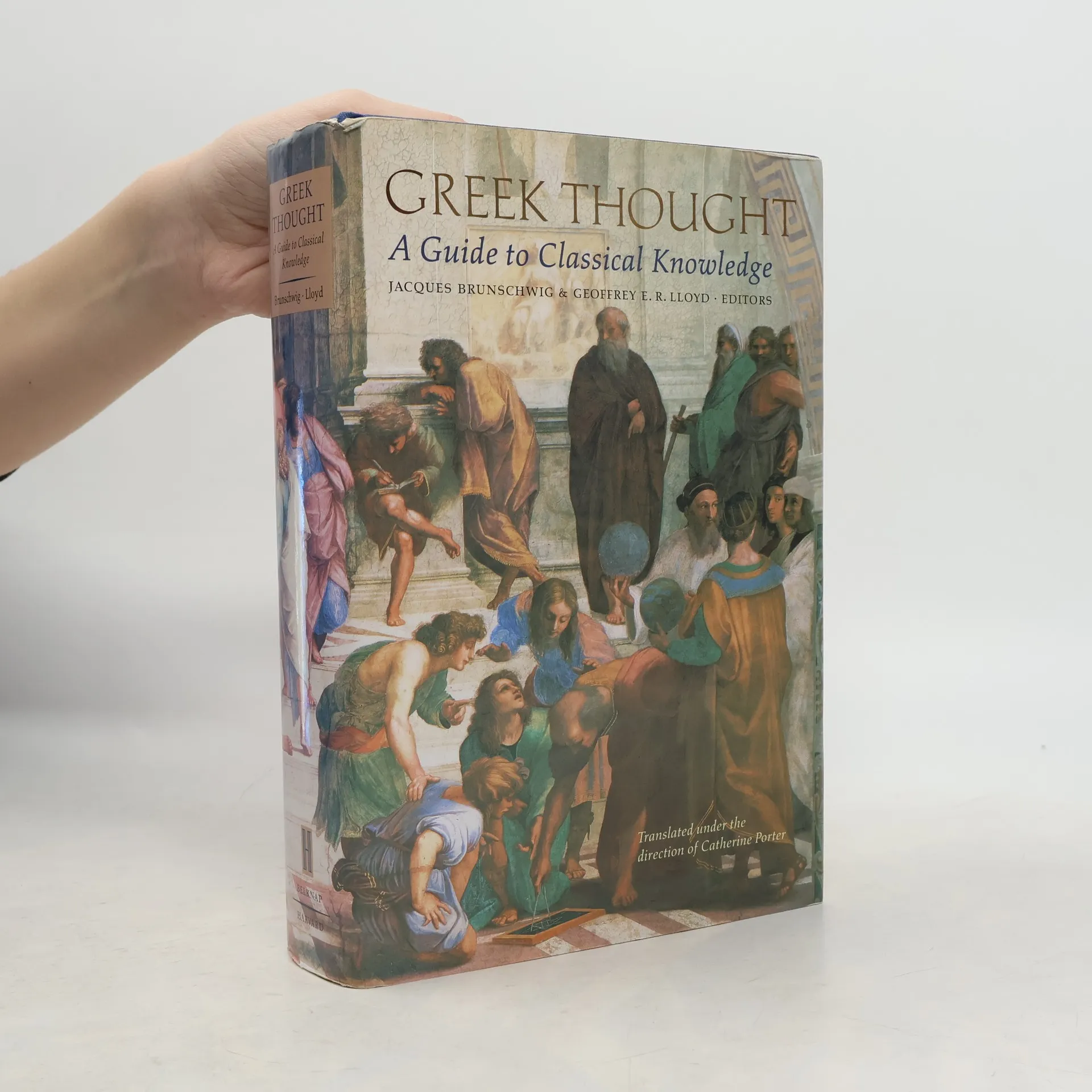
Ancient Greek thought serves as a foundational source for Western intellectual, ethical, and political civilization, influencing contemporary reflections. This volume features over sixty essays by international scholars, examining the scope of Greek thought, including their knowledge, beliefs, inventions, and understanding of knowledge itself. It highlights the reflexivity inherent in Greek thought, reminding us of our intellectual debts to them. Divided into sections on philosophy, politics, the pursuit of knowledge, major thinkers, and schools of thought, the work illustrates how the Greeks engaged in self-examination, defining the frameworks for understanding life, language, production, and action. The authors focus not just on historical facts but on the narratives the Greeks created about their history, their poetic expressions, and rhetorical practices. Essays cover a range of topics, from political and philosophical ideas to specific fields like Astronomy, History, Mathematics, and Medicine. They provide fresh insights on key figures from Anaxagoras to Zeno of Elea and explore core traditions from the Milesians to various interpretations of Platonism. Collectively, these contributions reflect the Greeks' insatiable thirst for knowledge, a trait Aristotle deemed universal among humans. Accompanied by thirty-two pages of color illustrations, this work captures the richness and dynamism of the Greek intellectual journey
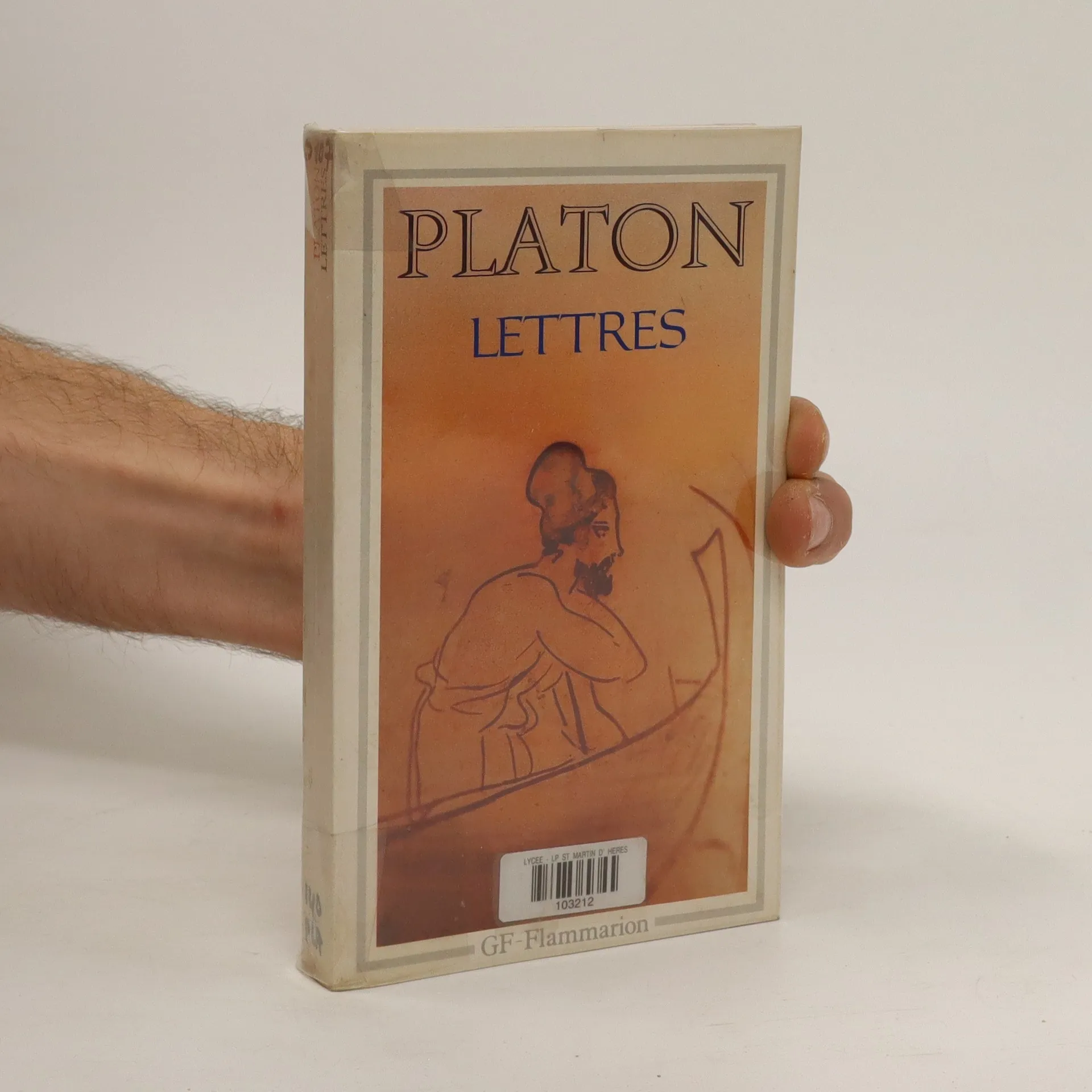
Les lettres présentent, par rapport au reste de l'œuvre de Platon, un double intérêt : là seulement le philosophe parle à la première personne, là seulement il se décrit en action. Les Lettres nous présentent un autre Platon que celui des dialogues, celui qui, tout jeune homme, veut jouer un rôle politique à Athènes et qui, plus tard, cherche à réaliser à Syracuse les projets politiques qu'on trouve exposés d'abord dans la République, puis dans le Politique et dans les Lois. Par là, Platon ouvre une tradition qui se maintiendra après lui, comme en font foi, entre autres, les exemples de Descartes auprès de Christine de Suède, de Voltaire auprès de Frédéric II de Prusse ou de Diderot auprès de Catherine II de Russie : celui du philosophe conseiller du chef d'Etat.
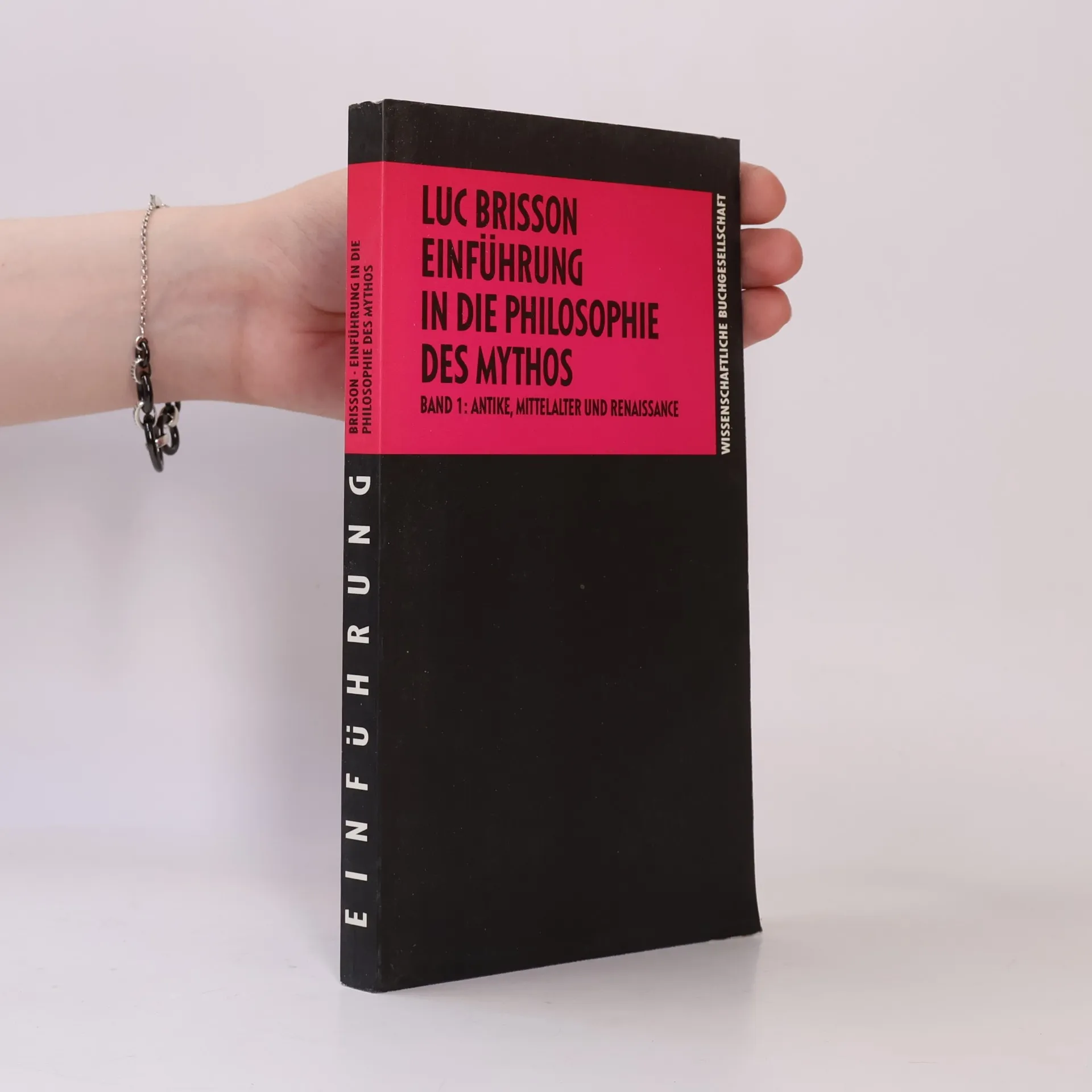
Band 1: Antike, Mittelalter und Renaissance
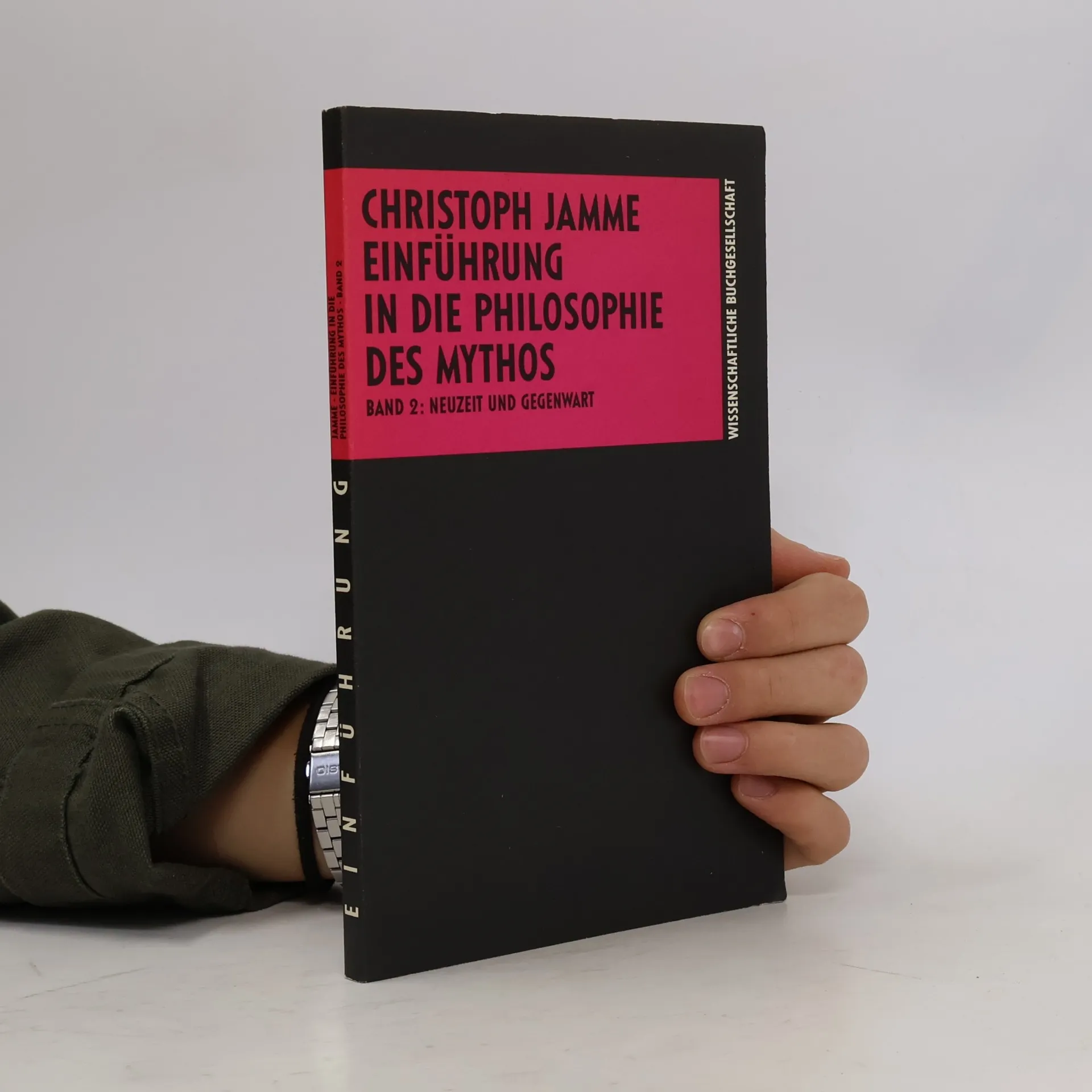
Époque moderne et contemporaine
Si le mythe est un phenomene tres complexe qu'etudient des sciences aussi diverses que la philologie, l'ethnologie, l'anthropologie, l'histoire des religions, le present ouvrage n'envisage que les theories modernes, tout a la fois philosophiques et esthetiques, qui s'attachent a determiner l'essence du mythe et sa fonction ideologique et politique. A travers cette vue panoramique qui couvre la periode cruciale s'etendant de la Renaissance au XXe siecle, l'auteur s'attache moins a brosser une histoire de la mythologie qu'a souligner les moments cles d'une recherche ou la rationalite rencontre son autre, toujours a reinterpreter. Du debut des Temps Modernes, en passant par l'age baroque, les Lumieres, le Romantisme et l'idealisme allemand - ici privilegies - jusqu'a l'epoque contemporaine, se trouvent ainsi esquissees les principales figures de l'explication ou de l'eclaircissement des recits mythiques.