Mainstream media tend to promote the interests of the military and governments in their coverage of warfare. This text aims to provide a definitive, critical, engaging and accessible overview exploring the role of the media in conflict resolution.
"I don't remember seeing a flash. I didn't hear the blast—I was too close. Like a distorted film, my vision stretched and turned yellow. I was just three feet from the bomb." On July 7, 2005, John Tulloch, a risk analyst and sociologist with expertise in how the media report major international events, found himself in the wrong place at the wrong time. The next day he was on the front page of virtually every major newspaper, having been sitting just three feet away from the suicide bomber on the Edgware Road tube train when it exploded. He had became a victim of the risk he knew so well in theory—he had become one of those media stories he was so used to analyzing. But he had also, like many others, become a victim of British and American foreign policy and been caught up, literally in a moment, in a terrible symbol of our particular time in history. From the three most recent wars—Kosovo, Afghanistan, and Iraq—to media representations of disaster, from his own incredibly moving story to the relationships he built up with those who helped him, this compelling and profoundly important book is set to be a classic—a work that captures both a moment and an era with sensitivity and precision.
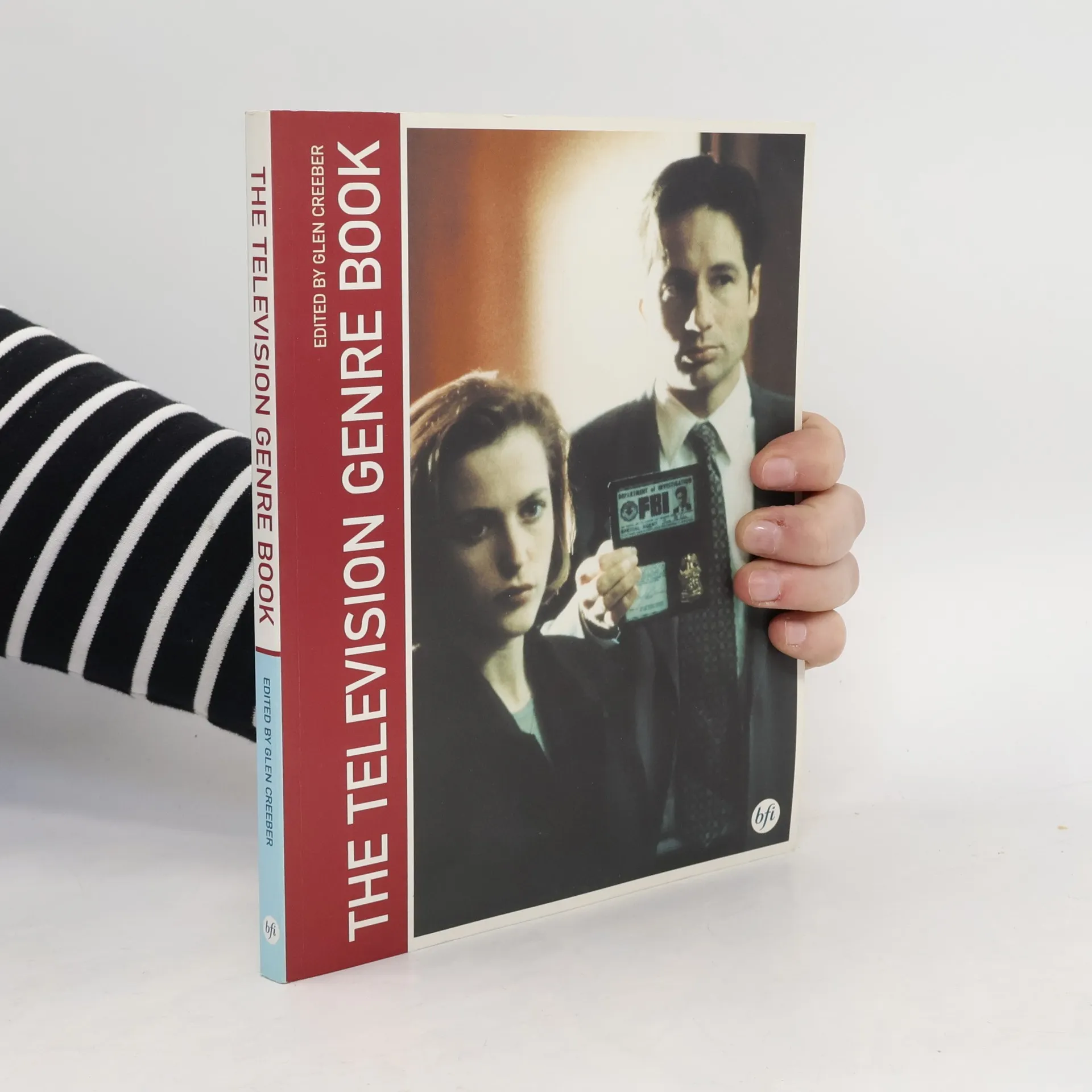
As with film, genre is central to the industry and visual form that is television. This book provides an introduction to the subject's core debates, issues and concerns. It is divided into eight sections which what is genre?; popular entertainment; children's television; and drama.
Coverage of the Clinton-Lewinsky saga followed in a long trail of media exposures of the more personal details of the lives of public figures. Many commentators have seen stories like this, and TV shows like Jerry Springer's, as evidence of a decline in the standards of the mass media. This increasing interest in private lives and the falling off of coverage of serious news is often described as Otabloidization.O The essays in this book are the first serious scholarly studies of what is going on and what its implications are. Reality, it turns out, is much more complex than some of the laments suggest. As the contributors show, this is not just a U.S. problem but is repeated in country after country, and it is not certain that the media anywhere are getting more tabloid. What is more, there is no consensus about whether tabloidization is just Odumbing downO or whether it is a necessary tactic for the mass media to engage with new audiences who do not have the news habit. Tabloid Tales will be of interest to students and scholars in journalism, mass communication, political science, and cultural and media studies.