This author is a distinguished Professor of Law and the founding Director of the Center for WorkLife Law at the University of California, Hastings College of the Law. Her work delves into the legal dimensions of the intersection between professional and personal life. She is dedicated to researching and advocating for more equitable work-life policies. Her analyses offer crucial insights into navigating the complexities of modern work and life.
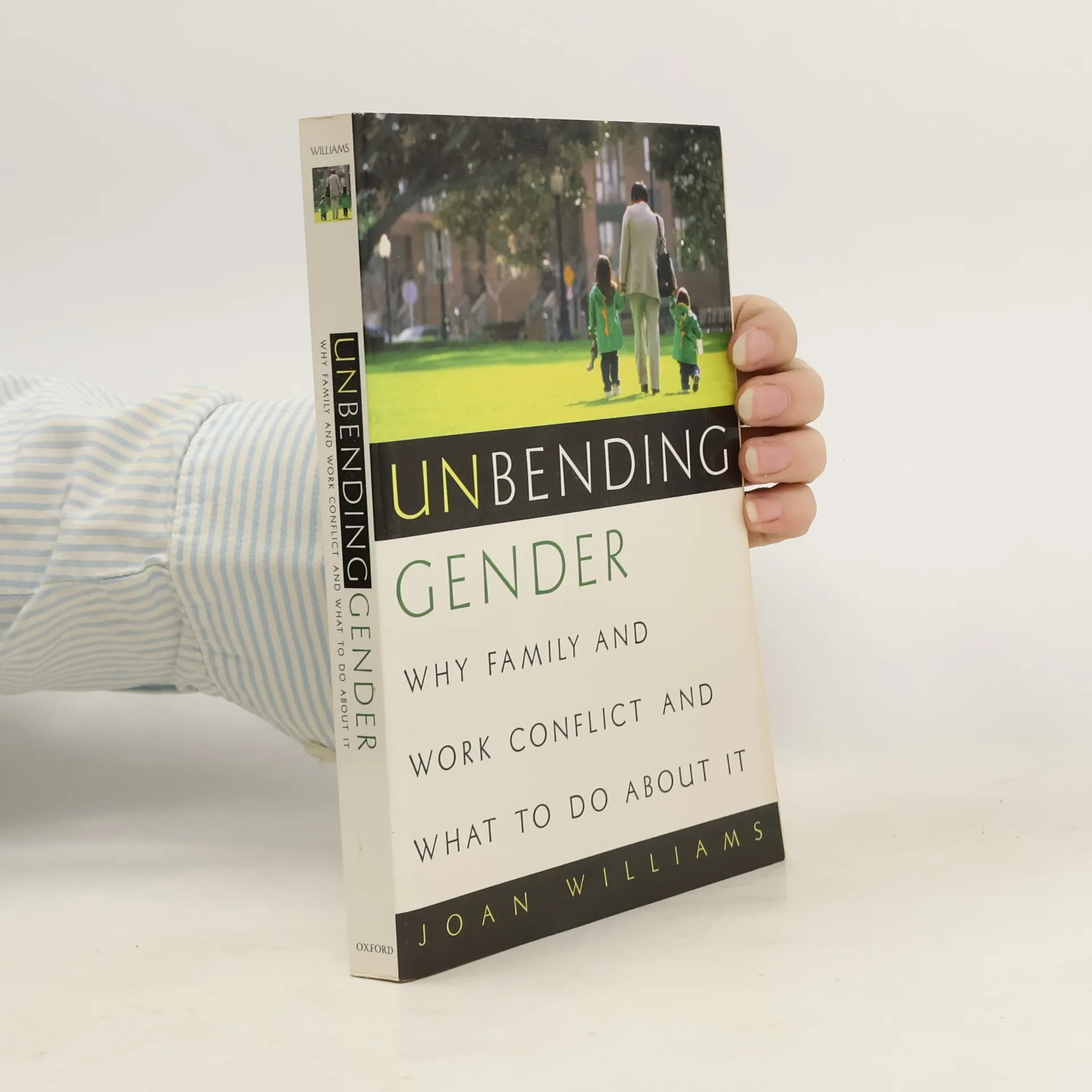
Joan Williams takes a hard look at the state of feminism in America. She
outlines a new vision of feminism that calls for workplaces focused on the
needs of families and, in divorce cases, recognition of the value of family
work and its impact on women's earning power. schovat popis
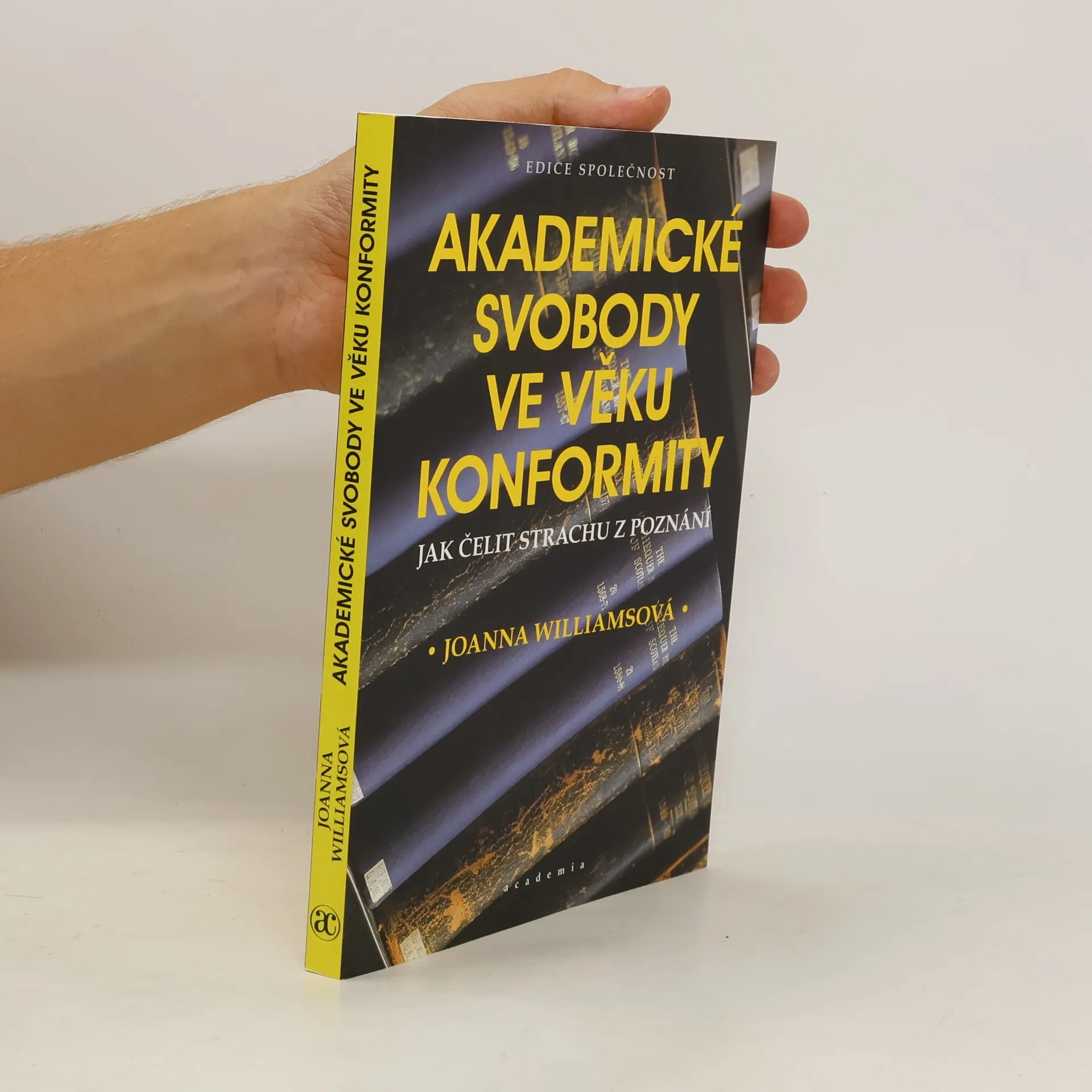
Akademické svobody jsou stále více ohrožovány dusivou kulturou konformity ve vysokoškolském vzdělávání, která omezuje akademické pracovníky, svobodu akademického myšlení i rozvoj znalostí, tedy samotné základy, na nichž jsou vědecké i univerzitní instituce postaveny. Kdysi učenci požadovali akademické svobody, aby mohli kritizovat existující znalosti a hledat nové pravdy. I když dnes tradiční záliba v rétorice akademických svobod přetrvává, studenti i učitelé ji kritizují jako zastaralý a elitářský koncept a zpochybňuje ji i řada politických a intelektuálních směrů, jako je feminismus, kritická teorie a politika identity. Tato provokativní kniha sleduje zánik akademických svobod v kontextu měnících se představ o účelu univerzity a povaze vědění. Autorka tvrdí, že zpochybnění této kultury konformity a cenzury a obrana akademické svobody projevu jsou zapotřebí, aby byla umožněna kritika a aby intelektuální projekt hodnocení existujících znalostí a navrhování znalostí nových byl smysluplný. Tato kniha je výzvou a voláním do zbraně za sílu akademického myšlení.