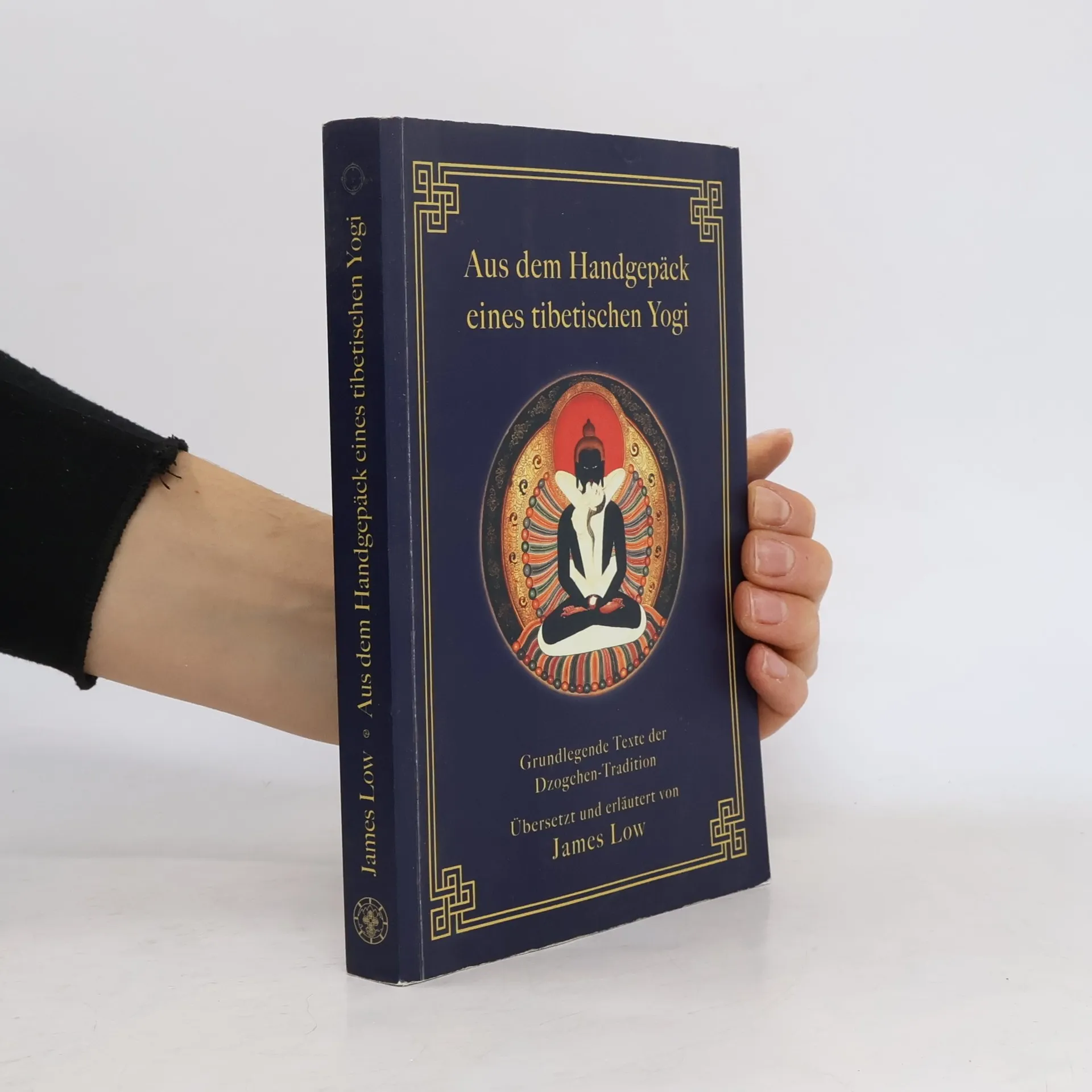
Being Guru Rinpoche
- 296 pages
- 11 hours of reading
"Being Guru Rinpoche" shows how to use a traditional Tibetan Buddhist meditation text as a method for transforming daily experience into an unbroken flow of wisdom and compassion.


This author has dedicated thirty years to the study of dzogchen meditation traditions. Having trained in Tibetan Buddhism, they now teach globally, with their work centering on a profound understanding of the mind.

"Being Guru Rinpoche" shows how to use a traditional Tibetan Buddhist meditation text as a method for transforming daily experience into an unbroken flow of wisdom and compassion.
Focusing on Padmasambhava, the Lotus Born Guru, this book explores his significant role in introducing tantric Buddhism to Tibet. It highlights his enduring influence and blessings that continue to inspire meditators both in the Himalayan regions and globally, awakening readers to their own inner potential.
The book highlights the collaboration between the sea, sun, and clouds in creating a vibrant world, emphasizing the interconnectedness of nature. Its key theme revolves around the importance of friendship and cooperation, suggesting that no one is alone and that relationships thrive through appreciation and participation. Designed for adults to read aloud, it encourages discussions about the illustrations and underlying messages with children, fostering a shared experience and deeper understanding of these concepts.
as taught by Padma Sambhava of Urgyen, known in Tibetan as Le‘u bDun Ma, arranged according to the system of Khordong Gompa by Chhimed Rigdzin Rinpoche
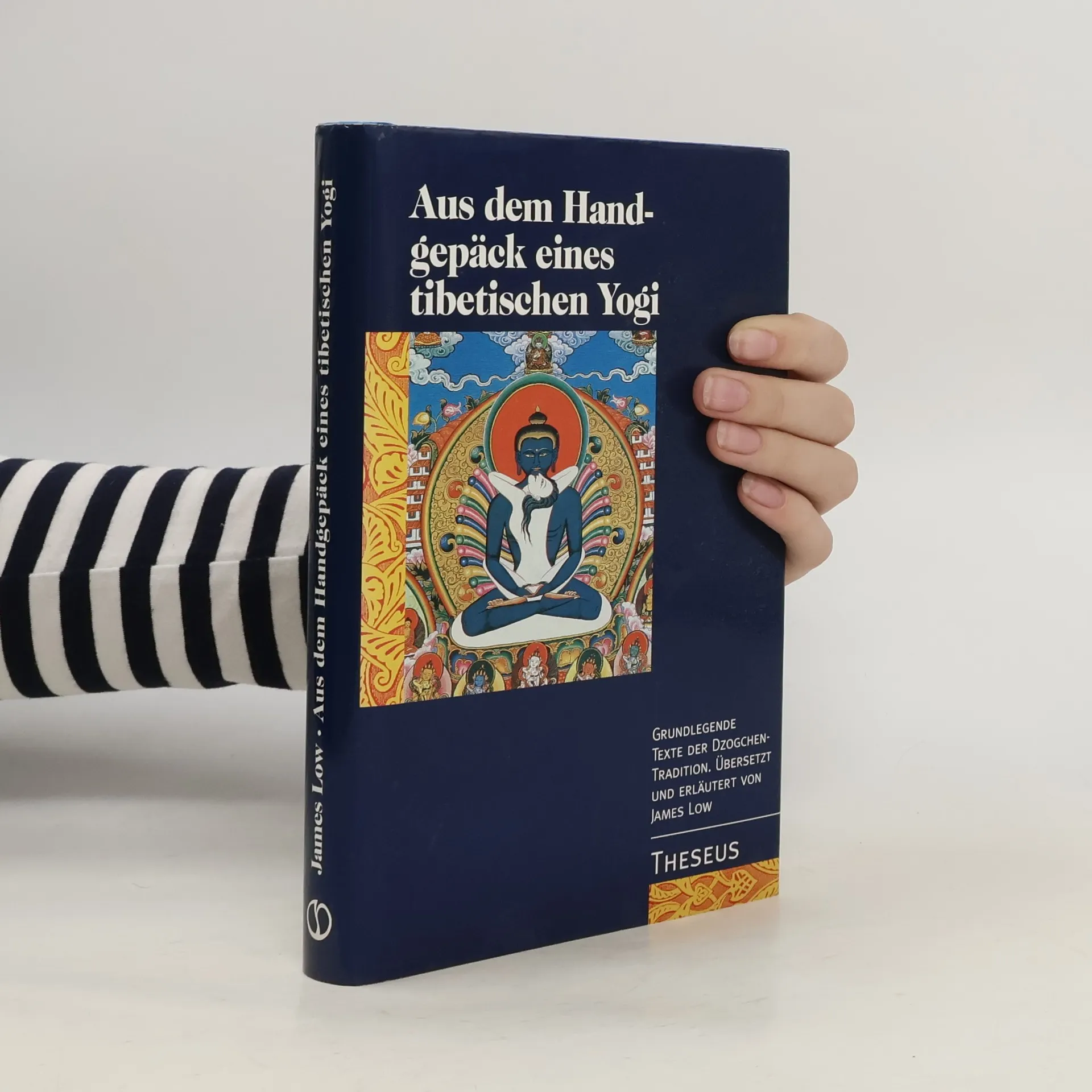
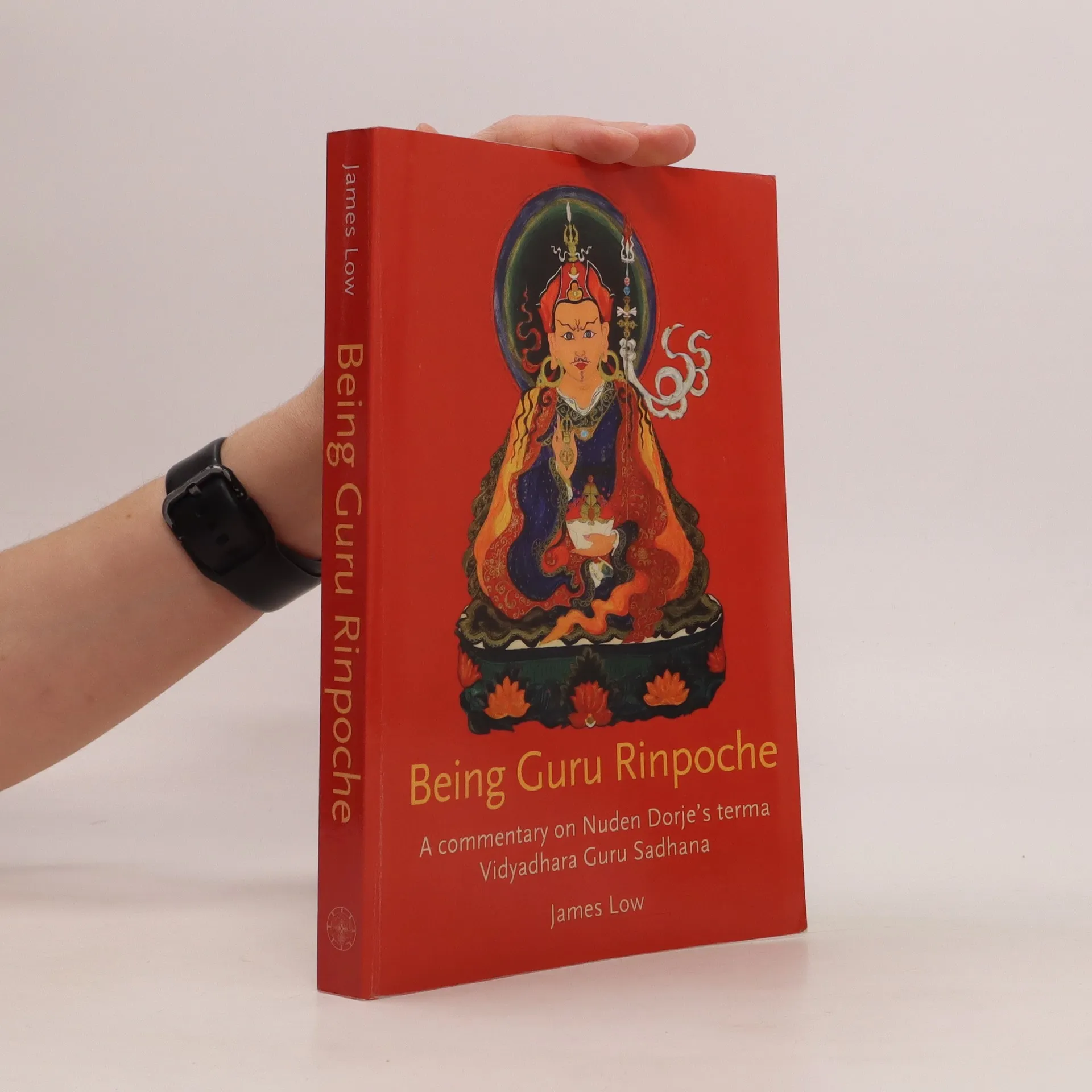
Ein Dzogchen-Schatztext von Nuden Dorje mit dem Titel »Der Spiegel der klaren Bedeutung«, mit einem Kommentar von James Low
Buddhistische Texte des Theravada, Mahayana und Dzogchen
Grundlegende Texte der Dzogchen-Tradition
Rare book
Die sechs verschiedenen Teile dieses Buches bieten jeweils wichtige Einblicke in das buddhistische Verständnis davon, wie wir uns aus den Situationen befreien können, in denen wir gefangen sind. Das Buch bietet vielfältige Ressourcen für das Studium und die Praxis, darunter detaillierte Analysen von Phänomenen, Tragödien blinder Arroganz, die durch Tantra transformiert werden, und das Erwachen in der direkten Gegenwart des Dzogchen. Die Vergangenheit ist vorbei, die Zukunft kommt nie, und unsere Gegenwart wird von den Echos unserer verblichenen Vergangenheit und den Träumen unserer imaginären Zukunft verdeckt. Wir leben im Schleier unserer eigenen mentalen Aktivität und sind die Schwingungen unserer Gedanken, Gefühle, Empfindungen und Wahrnehmungen. Wir erfinden, was wir für real halten, und glauben dann, dass das Leben so ist, wie wir es uns vorstellen. Der Buddha-Dharma bietet uns viele Wege, um aus dieser Täuschung zu erwachen und uns dem Wirklichen anzunähern. Wenn wir in und als unser unveränderliches Bewusstsein präsent sind, verschwindet der Irrtum der Dualität. In der nicht-dualen Präsenz ruht jeder Moment in sich selbst und unser ängstliches Bedürfnis, irgendetwas zu tun, vergeht. Keine Fantasie mehr, keine Illusion mehr, nur noch Leichtigkeit und Zufriedenheit in der Einfachheit: DAS IST ES!