This landscape designer is principal of a small landscape design firm in Hummelo in the eastern part of The Netherlands. He has designed award-winning public and private gardens in Holland, Germany, Sweden, Britain, Ireland, Canada, and the U.S.
Gardens of the High Line, by Piet Oudolf and Rick Darke, offers an in-depth
view into the planting designs, plant palette, and maintenance of this
landmark achievement. It reveals a four-season garden that is filled with
native and exotic plants, drought-tol-erant perennials, and grasses that
thrive and spread.
Piet Oudolf, one of world's most visionary and influential landscape
gardeners, is at the forefront of the New Perennial planting movement. This
title features twenty-three of Oudolf's most beautiful public and private
gardens. It explains how these gardens and the plants fit the specific
environment.
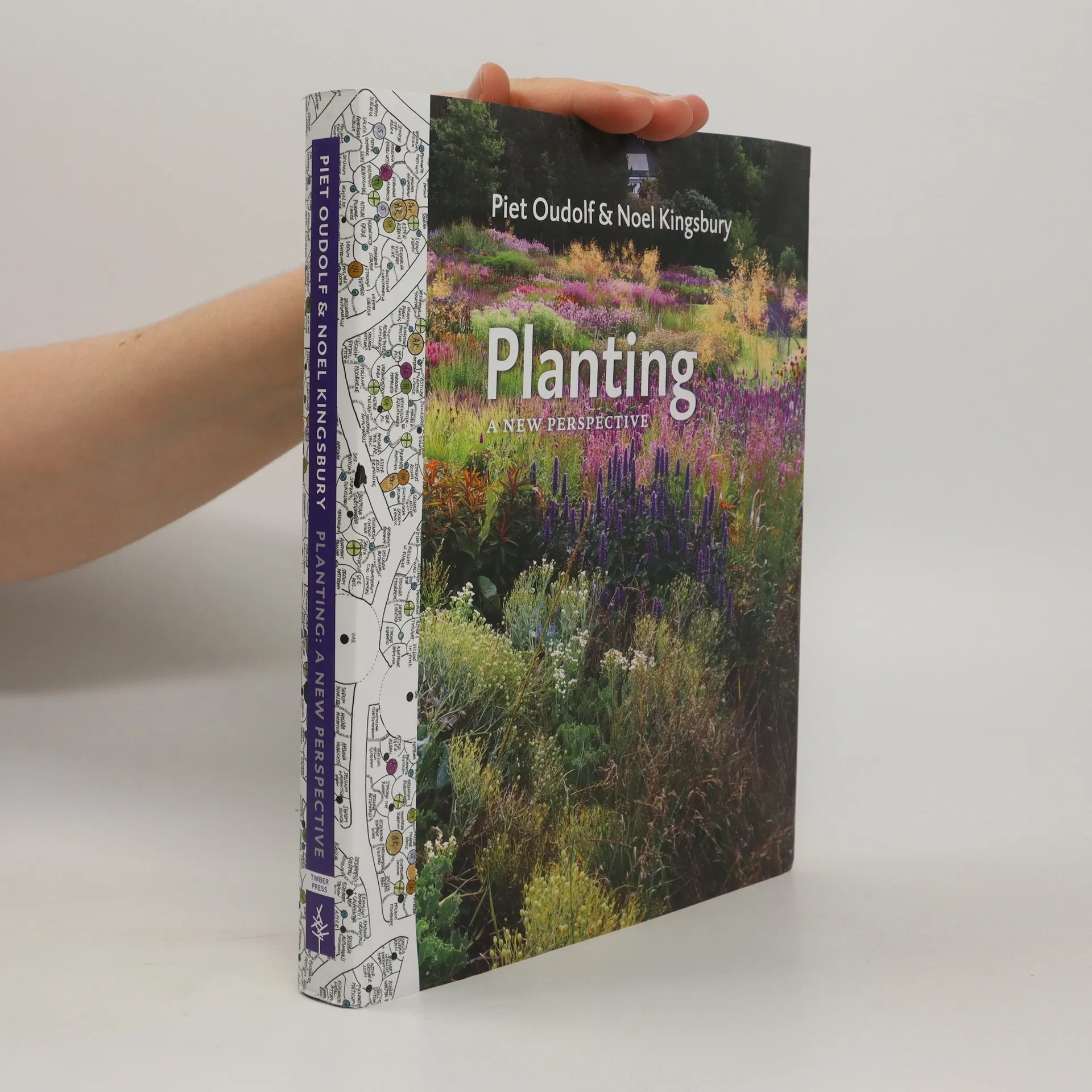
Piet Oudolf’s gardens—unique combinations of long-lived perennials and woody plants that are rich in texture and sophisticated in color—are breathtaking and have deep emotional resonance. With Planting, designers and home gardeners can recreate these plant-rich, beautiful gardens that support biodiversity and nourish the human spirit.An intimate knowledge of plants is essential to the success of modern landscape design, and Planting shares Oudolf’s considerable understanding of plant ecology, explaining how plants behave in different situations, what goes on underground, and which species make good neighbors. Extensive plant charts and planting plans will help you choose plants for their structure, color, and texture. A detailed directory shares details like each plant’s life expectancy, the persistence of its seedheads, and its propensity to self-seed.
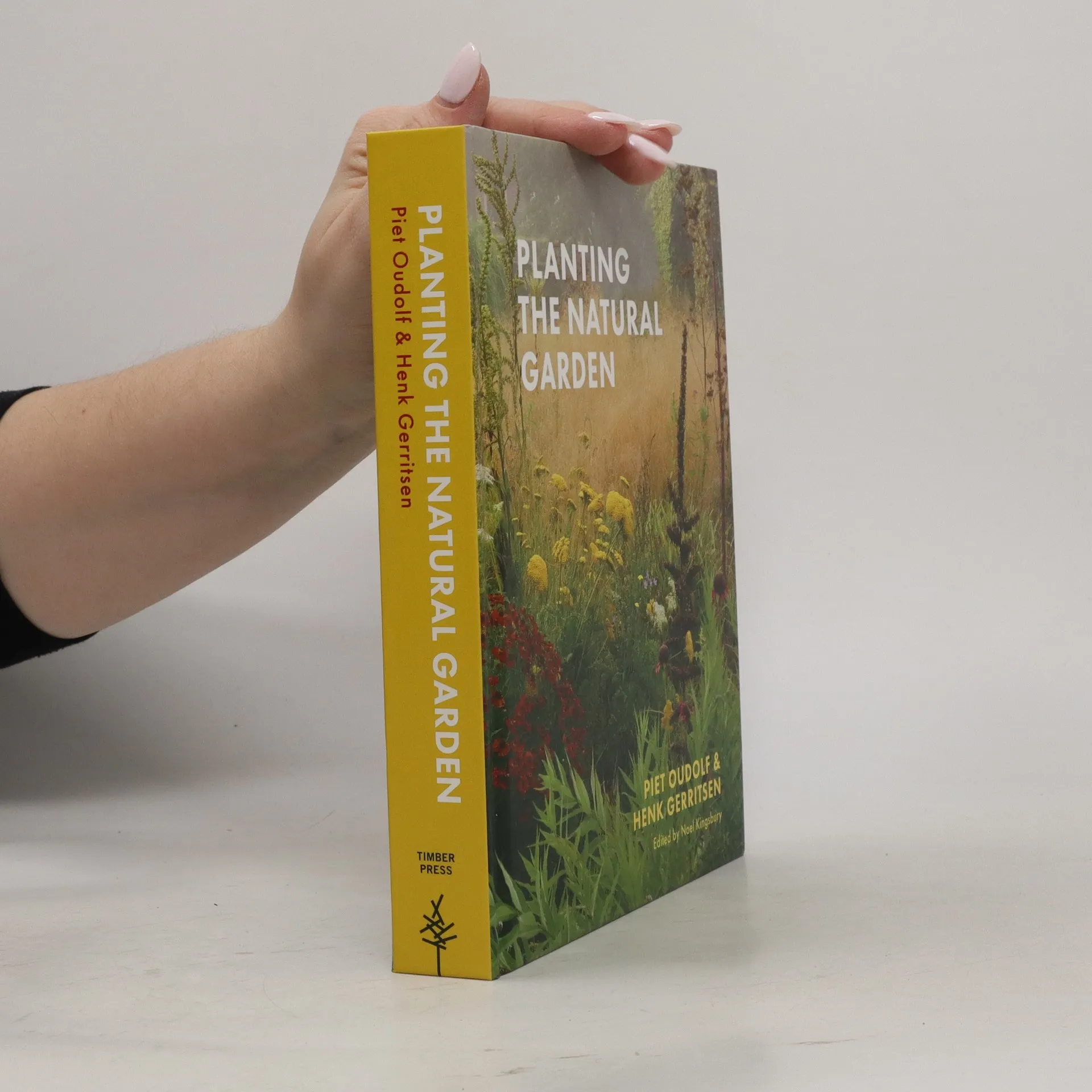
“If the world of gardening has rock stars, Piet Oudolf qualifies as Mick Jagger, David Bowie, and Prince rolled into one.” —Gardenista The original publication of Planting the Natural Garden ushered in a revolution in landscape design: the New Perennial Movement. Spearheaded by internationally renowned designer Piet Oudolf, and incisively articulated by the late plantsman and designer Henk Gerritsen, it transformed private and public spaces with its emotionally resonant, naturalistic use of hardy perennials and grasses. Now this classic has been expanded and updated to include scores of new plants and combinations. Packed with practical information and visual inspiration, Planting the Natural Garden zeroes in on the New Perennial Movement’s power to move us, making its distinctive plant palette available to all. For enthusiasts of these vibrant landscapes, it is an essential text; for gardeners who love the dreamy moods and colors that Oudolf and Gerritsen celebrate, it’s the key to a magic kingdom of garden beauty.
"This expanded edition of Hummelo: A Journey Through a Plantsman's Life traces Oudolf's work from early designs in the Netherlands to the international collaborations that he focuses on today. Nearly a dozen recent projects are presented here for the first time, with the origins of the commission and the design process meticulously described and the completed gardens beautifully illustrated with lush images, many taken by Oudolf himself."--Inside back flap
Seit Jahren macht Piet Oudolf mit seinen beeindruckenden Staudenpflanzungen von sich reden. Für seine naturnahen Kompositionen stellt die Pflanzengestalt das wichtigste Kriterium dar. Starke Akzente setzen dabei die Formen von Korbblütlern wie die der Edeldistel, verschiedener Doldenblütler und vor allem auch Gräsern. Sorgfältige Planung, die auch Lichtwirkungen und jahreszeitlich bedingte Stimmungen berücksichtigt, sichert natürlich anmutende Pflanzungen. Die Staudenbeete mit ihrer eigenen Formensprache wecken Emotionen und machen den Garten zu jeder Tages- und Jahreszeit zum individuellen Erlebnis.
Whether you want to cultivate the classic English rose or grow a crop of climbing French beans, choose plants with confidence with this handy, pocket-sized guide. It recommends over 3,000 trees, shrubs, perennials, bulbs, bedding plants, fruits and vegetables for every garden situation. Over 1,500 colour photographs and descriptions of AGM plants - all readily available from nurseries and garden centres - will ensure your garden flourishes all year round.
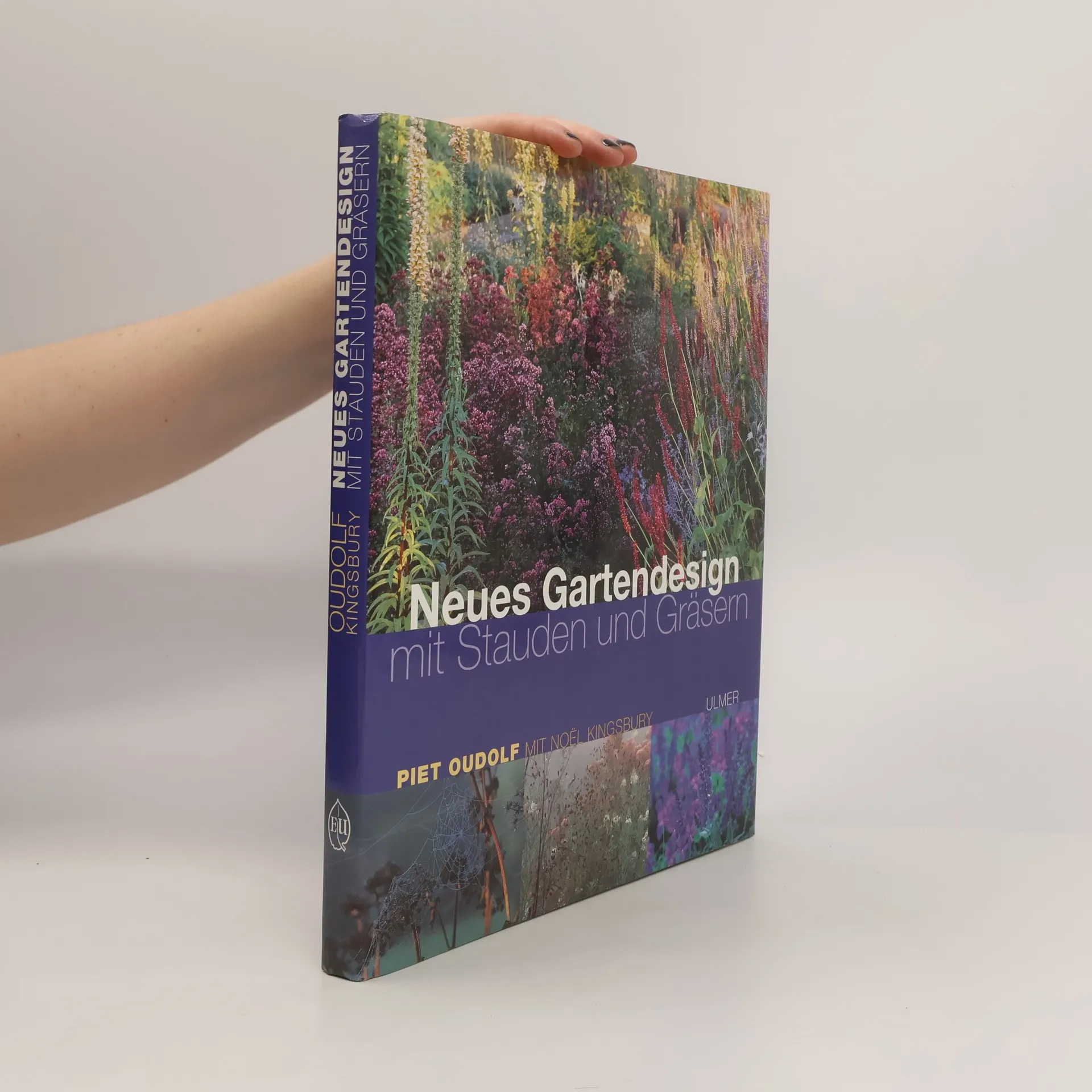
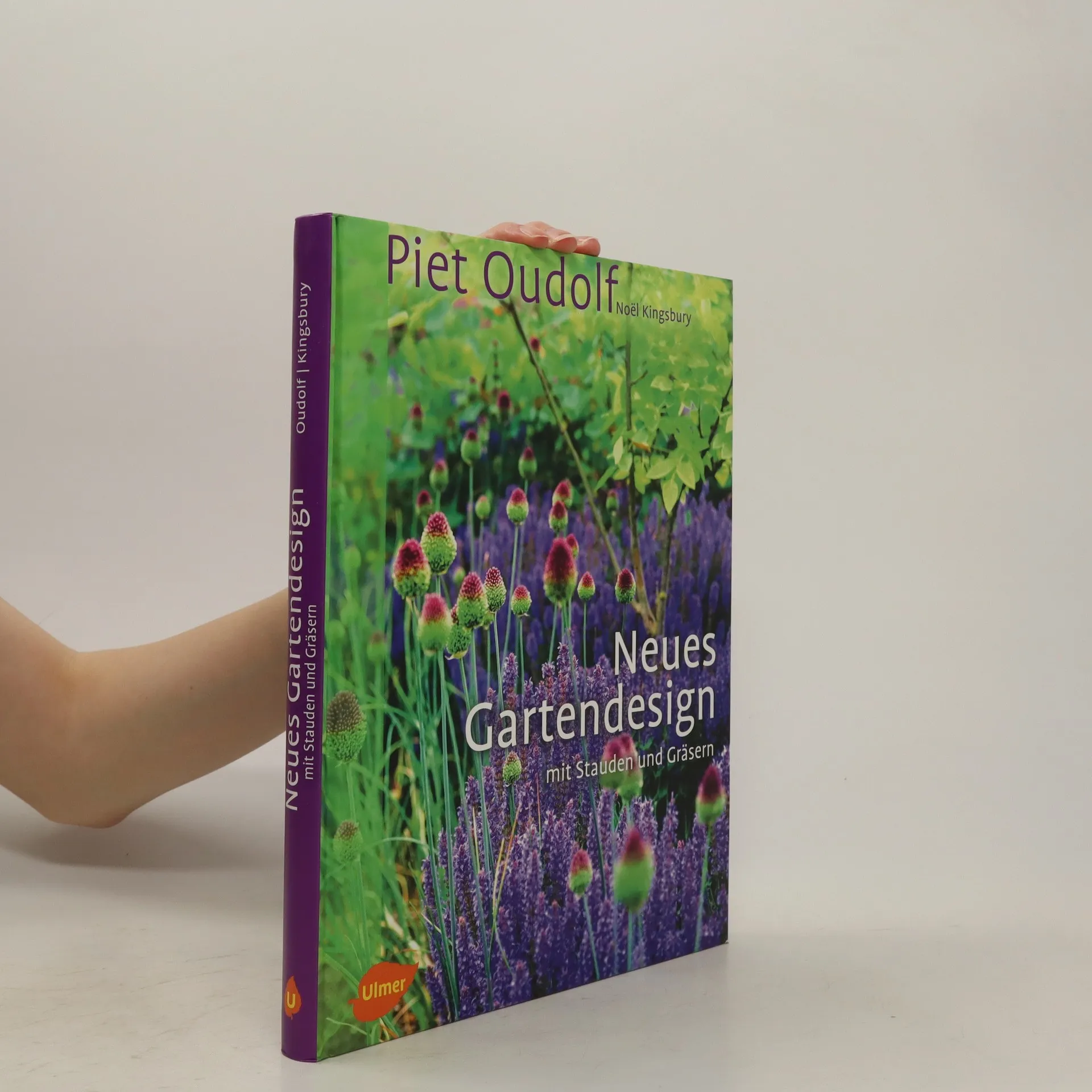
Gartengestaltung auf dem Weg in die Zukunft - Piet Oudolf: International erfolgreicher Gartengestalter und Pflanzenzüchter - Mit über 300 großformatigen Farbfotos - Viel Pflanzenwissen zum Sonderpreis Piet Oudolf hat in Zusammenarbeit mit Noël Kingsbury eine umfassende Darstellung seiner Denk- und Arbeitsweise zusammengestellt. Zunächst werden die wichtigsten Pflanzengruppen vorgestellt. Die gezeigte Auswahl an Stauden und Gräsern schmückt den Garten in ihrer Wachstums- und Blühphase ebenso wie im Absterben und noch im Tod. Diese und noch einige andere Auswahlkriterien sind wichtig für stimmige Pflanz- oder Gartenplänen und eine gelungene Pflanzenkombination. Das theoretische Wissen wird im Verlauf des Buches erprobt, das Ziel ist, mit der Pflanzenkombination die gewünschte Atmosphäre zu erzeugen und Gefühle beim Betrachter auszulösen. Das Buch enthält alle notwendigen Informationen, um ähnliche Effekte im eigenen Garten erzielen zu können.
Moderne Pflanzenkompositionen mit Stauden - Das neue Buch von Gartendesigner und Erfolgsautor Piet Oudolf - Fotos von Pflanzungen auf der ganzen Welt und Skizzen laden zum Nachpflanzen ein - Von Oudolf verwendete Stauden und ihre Eigenschaften Piet Oudolf ist bekannt für seine fantasievollen Staudenkompositionen. Vor allem ausdrucksstarke hohe Stauden und Gräser geben seinen Pflanzungen ihren unverwechselbaren Charakter. Auch der Herbst- und Winteraspekt einer Komposition kommt dabei nicht zu kurz. Gräser und Samenstände werden nicht zurück geschnitten und verleihen den Beeten auch im Winter Struktur. Die Verwendung der richtigen Staude am richtigen Standort – und dies oft in großer Zahl als Gruppe oder Band – machen seine Pflanzungen so genial. Stimmungsvolle Fotos und Original-Skizzen mit Pflanzentabellen bringen Ihnen die ausgefeilten Konzepte von Piet Oudolf näher.